
Guidance matched to the piece in your hands
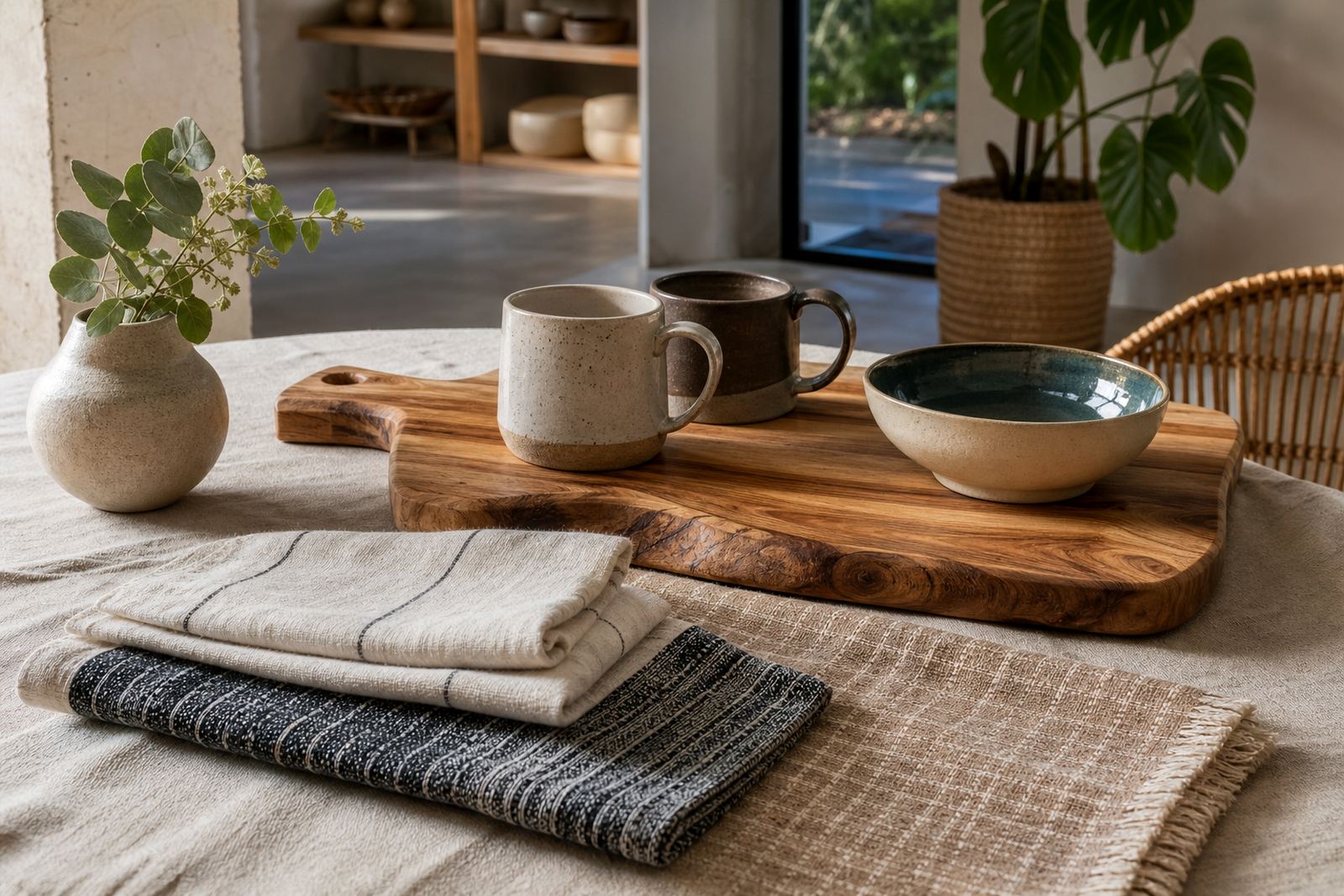
Our care advice is built around the material, the finish and how the item is likely to be used in a home. A glazed ceramic mug needs different handling from an unglazed vase, just as a cotton tablecloth needs different treatment from a hand-finished wooden board. We help customers understand the right way to wash, dry, store and use each piece without overcomplicating it.
The advice covers plain language steps for gifts and household purchases, with notes for items that may mark, soften, crack or fade if treated roughly. For mixed-material pieces, we explain which parts need gentle cleaning and which can handle normal use. If an item has a natural variation in colour, grain or glaze, we point that out too, because that is part of the character of handmade work.
What the service includes
Care advice can be requested for a single item or for a full order. It is especially useful for gift packs, wedding sets, housewarming bundles and corporate pieces where the recipient may not know how to handle handmade goods straight away.
- Cleaning guidance for glazed and unglazed ceramics
- Drying and storage notes for cotton, linen and woven textiles
- Oiling, wiping and storage advice for wooden homeware
- Handling notes for items with delicate rims, handles or woven details
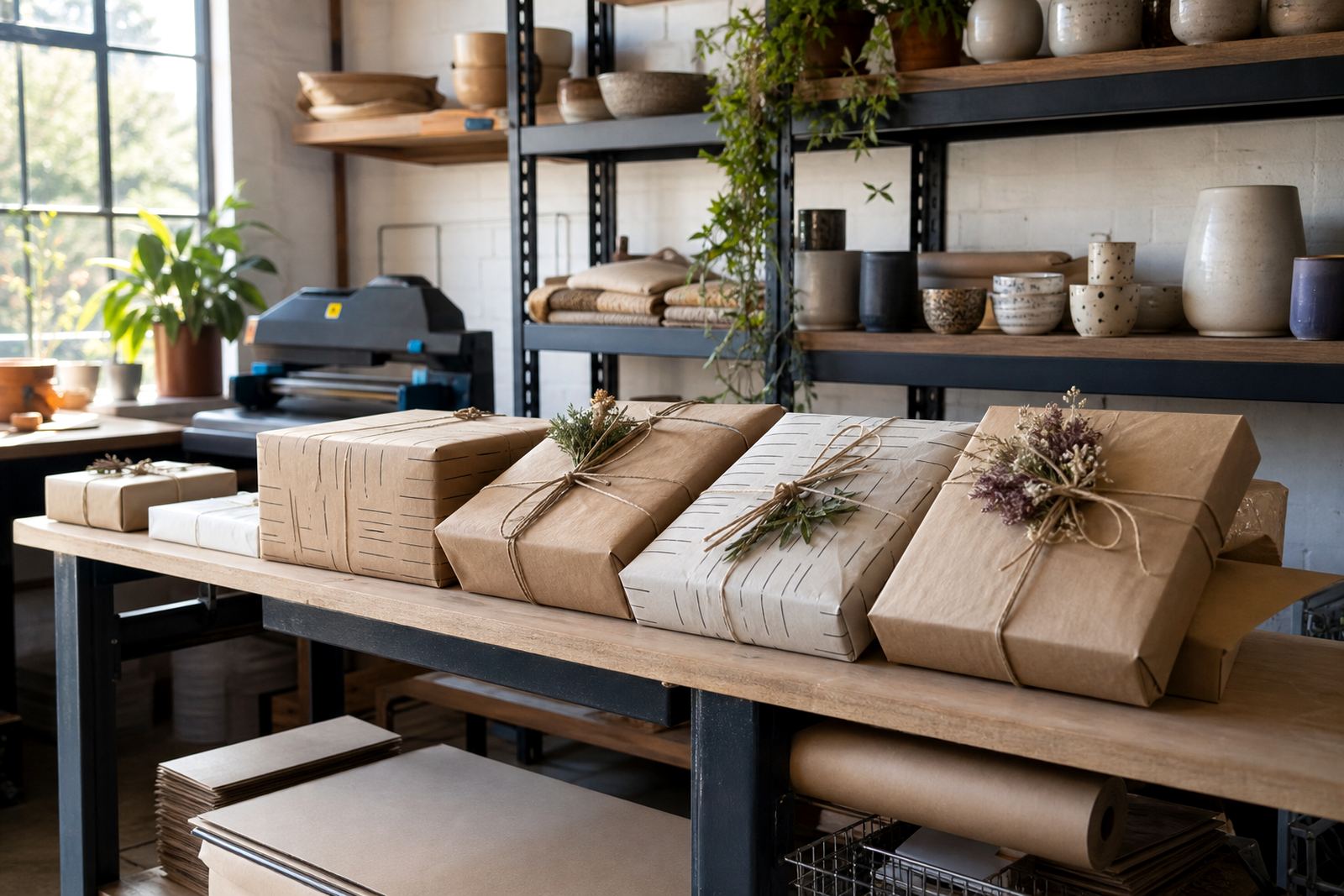
- Gift-ready care notes for hampers and custom bundles
- Replacement help where a piece arrives damaged in transit
For customers in coastal areas such as Cape Town and Durban, we often add extra notes on humidity, salty air and how to keep wood and textiles in good condition in a damp room or near a kitchen window. In drier inland homes, the advice can shift toward avoiding cracking, dust build-up and heat exposure.
How the advice is put together
We begin by checking the item type, surface finish and intended use. A serving bowl, planter, candle holder or decorative vase all carry different care needs, and the same is true for block-printed cloth, handwoven runners and carved wooden bowls. We also look at whether the item is intended for food use, display use or everyday handling.
Once that is clear, we prepare straightforward guidance with practical steps and a few cautions where needed. For example, some ceramics are best washed by hand instead of going through a hot dishwasher cycle, while some wood pieces should not be left soaking in water. We keep the wording direct, so the customer can use it straight away without guessing what the maker intended.
- Identify the material and finish
- Check the likely use of the item
- Match the care notes to household conditions
- Share the guidance with the customer or gift recipient
Typical care notes for ceramics, wood and textiles
Ceramics are often the easiest to care for, but the surface still matters. Glazed items can usually be wiped or washed gently, while matte or unglazed surfaces may pick up stains sooner and need more cautious cleaning. Sudden temperature change can also cause stress in some ceramic pieces, so very hot water and very cold water should not be mixed too quickly.
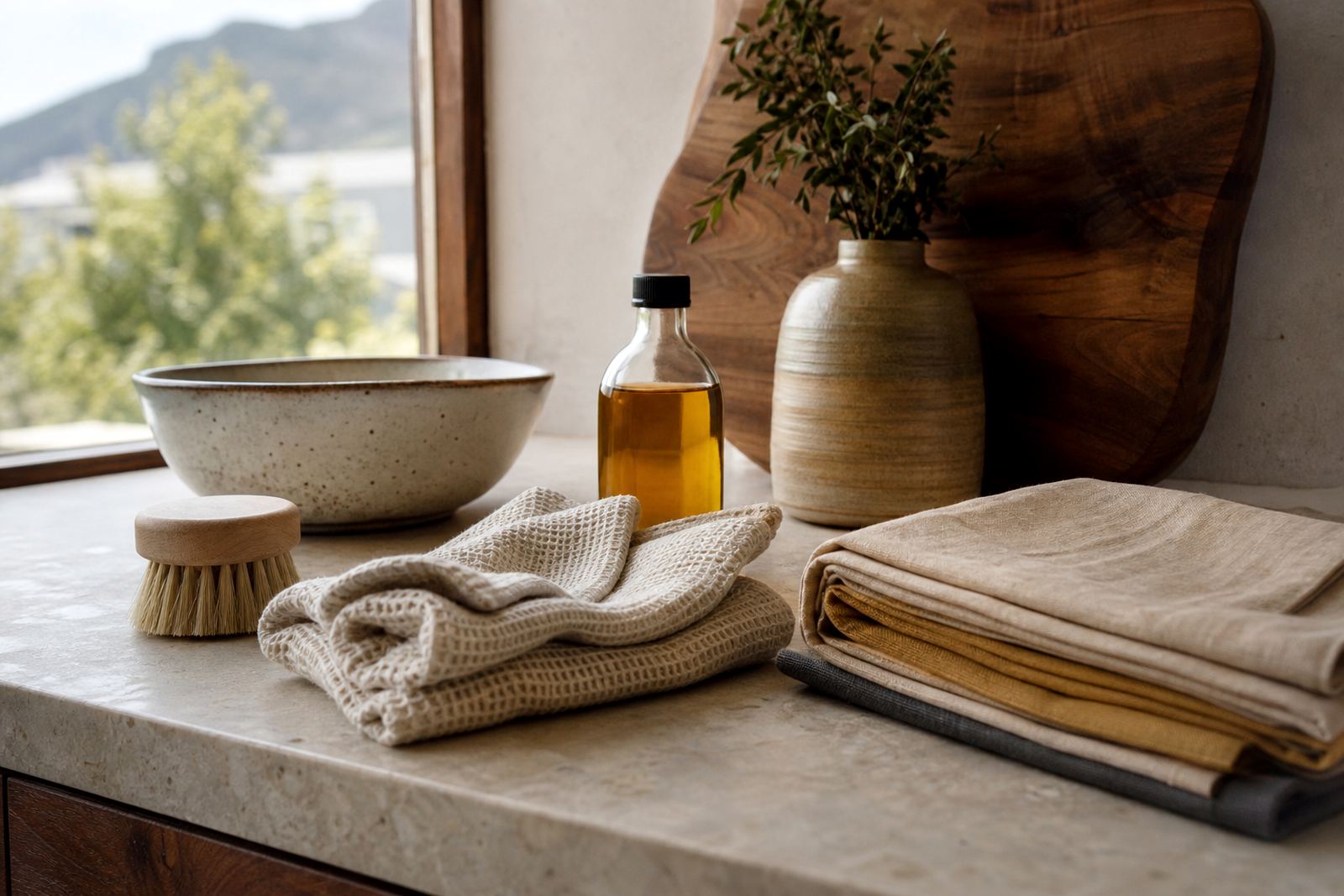
Wooden items need dry handling and a little extra attention at the edges and joins. We normally advise wiping them clean, drying them fully and keeping them away from prolonged soaking. In homes close to the coast, unsealed or lightly finished wood can take up moisture, so air movement and dry storage help. Textiles need a different rhythm altogether: shake out dust, wash according to the fibre content, avoid harsh bleach and keep them out of strong direct sun for long periods, because colour can fade faster near bright windows.
- Ceramics: gentle washing, no harsh scouring, avoid thermal shock
- Wood: wipe, dry, store flat or upright as needed
- Textiles: wash by fibre type, dry properly, press or steam with care
- Decor pieces: dust regularly and store away from knocks
Turnaround and handover of care notes
Care guidance is prepared alongside your order notes, packing details or gift instructions, depending on what you have purchased. For simple single-piece orders, the guidance is usually short and direct. For larger bundles, especially custom or corporate orders, we can prepare a fuller set of notes that covers different materials in the same delivery.
The handover format can be added to the parcel as a printed care card or shared with the order details so it is easy to keep. Where a set includes ceramics and textiles together, we separate the notes clearly so each item gets the right treatment. If a recipient in Johannesburg or Pretoria is storing pieces in a dry apartment, or a customer in Stellenbosch is packing items for a guest room or cellar area, we adjust the advice to suit the space.
Pricing approach for care advice
Care advice is priced according to the number of items, the mix of materials and whether the notes need to be tailored for gifting, bulk packs or a custom bundle. A single mug or placemat needs far less detail than a mixed set of bowls, runners and decorative trays, so the work is scaled to the order rather than charged as a one-size-fits-all service.
For larger orders, the pricing also takes into account how much sorting is needed between ceramic, textile and wood care instructions. If the order includes registry gifting, corporate hampers or multiple delivery addresses, the care notes can be grouped by item type so they stay neat and easy to use. We keep the approach practical, with no hidden add-ons for ordinary guidance.
- Single-item guidance for simple purchases
- Set-based pricing for mixed homeware orders
- Custom rates for bulk and gifting orders
- Optional printed care cards for parcels
Aftercare once the item reaches your home
Aftercare is about helping the piece settle into daily use, not overloading the customer with instructions. We point out the usual signs that a ceramic glaze is being scrubbed too hard, that wood is drying out, or that a textile is being washed at the wrong temperature. That way the item can be used confidently and kept in better shape over time.
If something arrives with visible damage in transit or the customer is unsure how to handle a piece safely, we help assess the issue and direct the next step. That may include replacement help where appropriate, plus guidance on how to store the rest of the order while the matter is being sorted. Our aftercare notes are plain and useful, so they work just as well for a first-time buyer in Woodstock as for a gift recipient in Durban or Cape Town.
Key facts
| Service type | Care advice for handmade ceramics, wood and textiles |
|---|---|
| Coverage | Single items, gift sets, custom bundles and bulk orders |
| Materials covered | Glazed ceramics, unglazed ceramics, wood, cotton, linen and woven decor |
| Format | Printed care card or order notes |
| Area coverage | Woodstock studio, Cape Town, with South African delivery |
| Support areas | Cape Town, Johannesburg, Durban, Pretoria and Stellenbosch |