

Start with the material, not the room
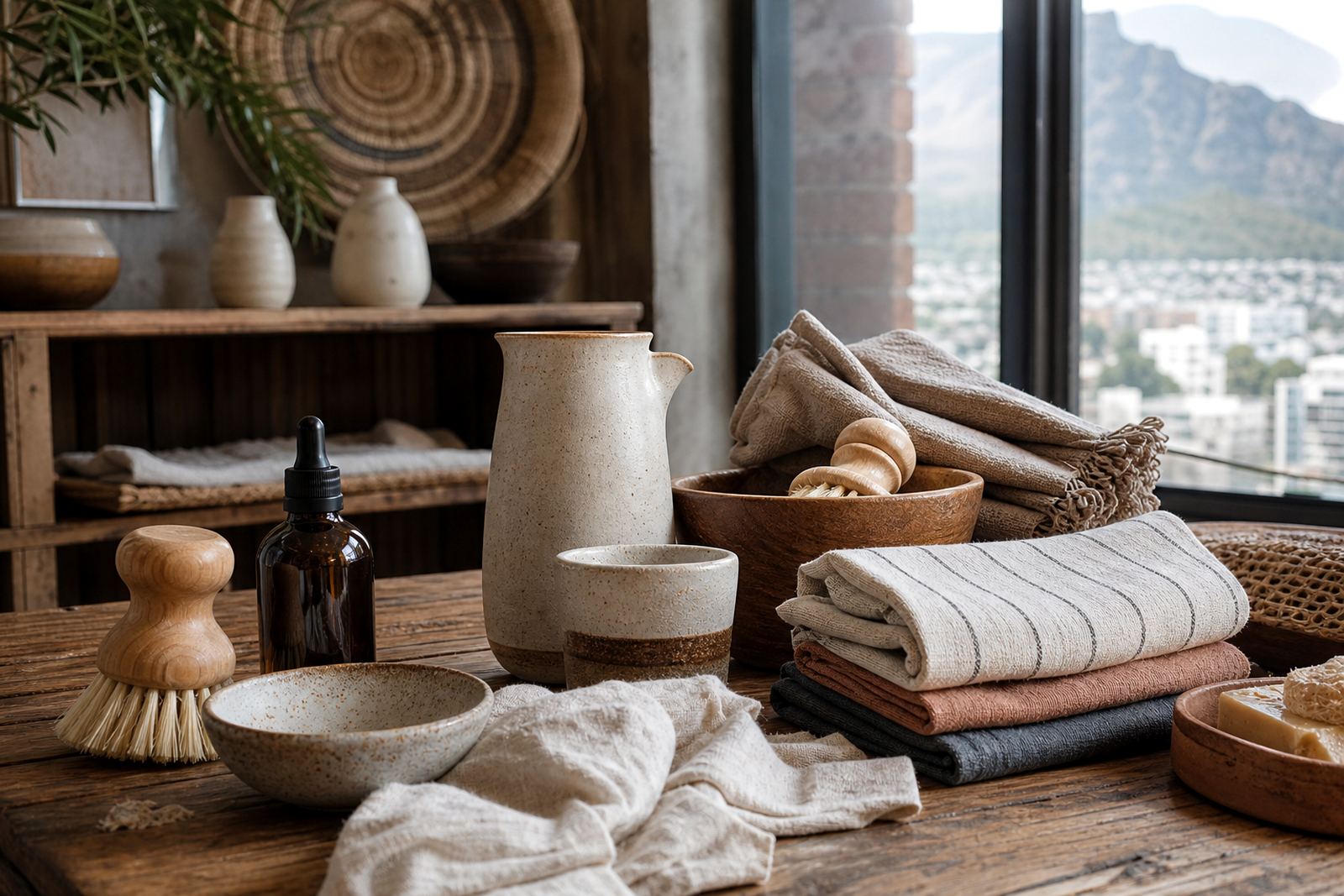
Handmade pieces are often mixed across the home, but care starts with the material in your hands. A glazed ceramic bowl needs a different routine from a woven cushion cover, while oiled wood asks for gentler cleaning than a decorative object in plaster or resin. If you are choosing a piece for a busy kitchen, a sunny stoep or a coastal flat in Woodstock, think about how often it will be handled, washed, moved or dusted.
When in doubt, treat the item as you would a crafted object with natural variation. Small differences in finish, grain, weave or tone are part of the appeal, so regular light care is better than harsh cleaning after it has already built up dust or marks.
Ceramics that stay practical in daily use
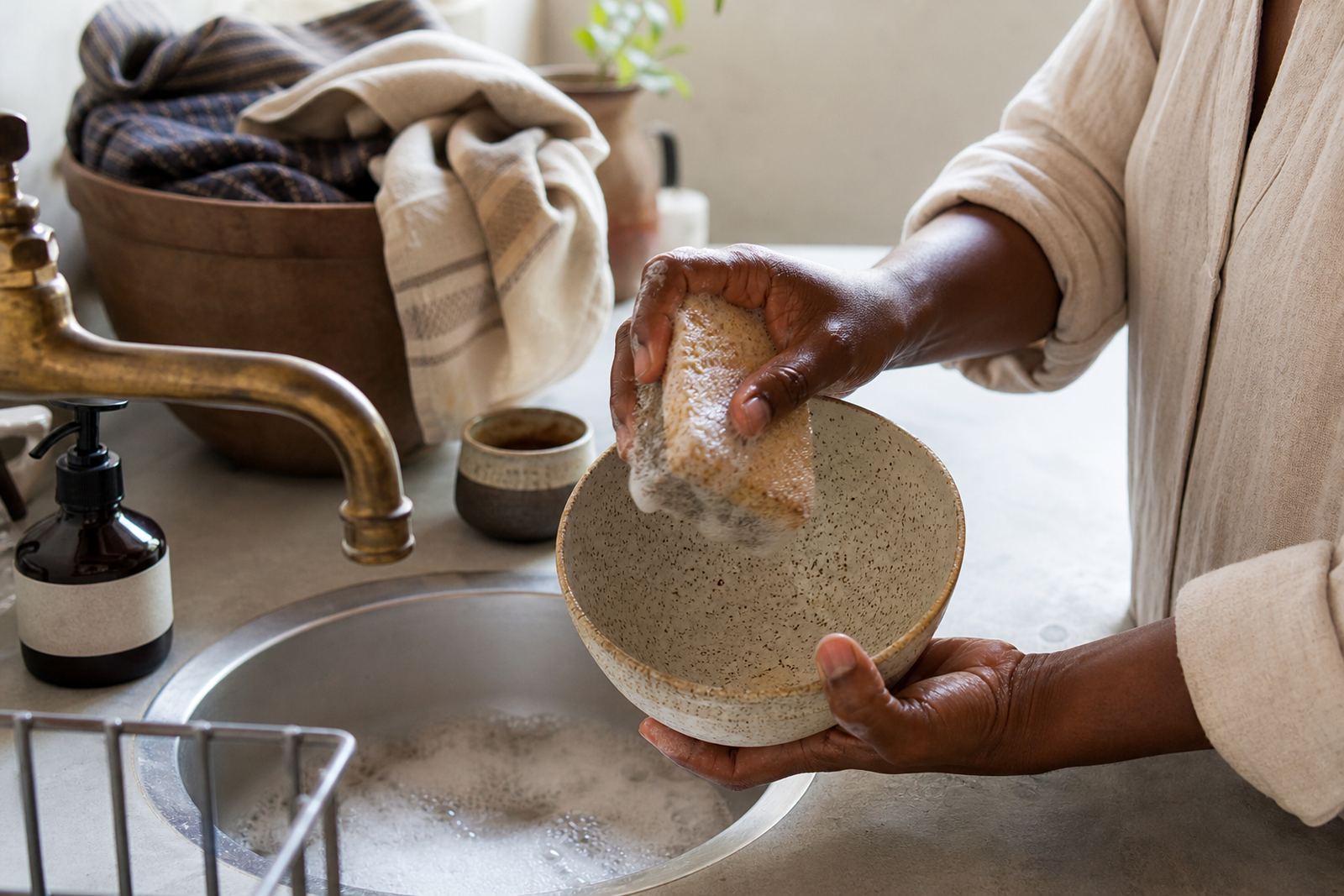
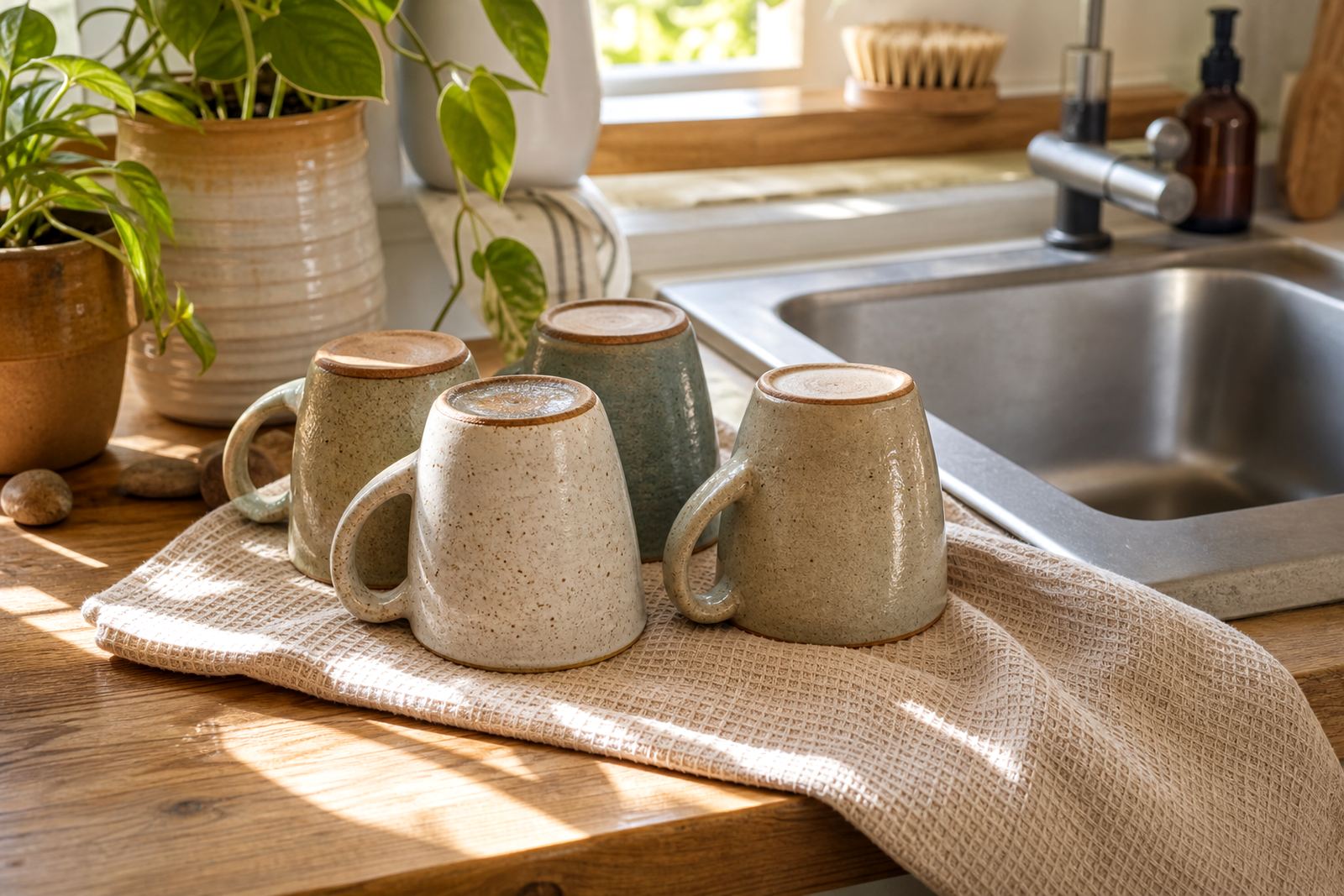
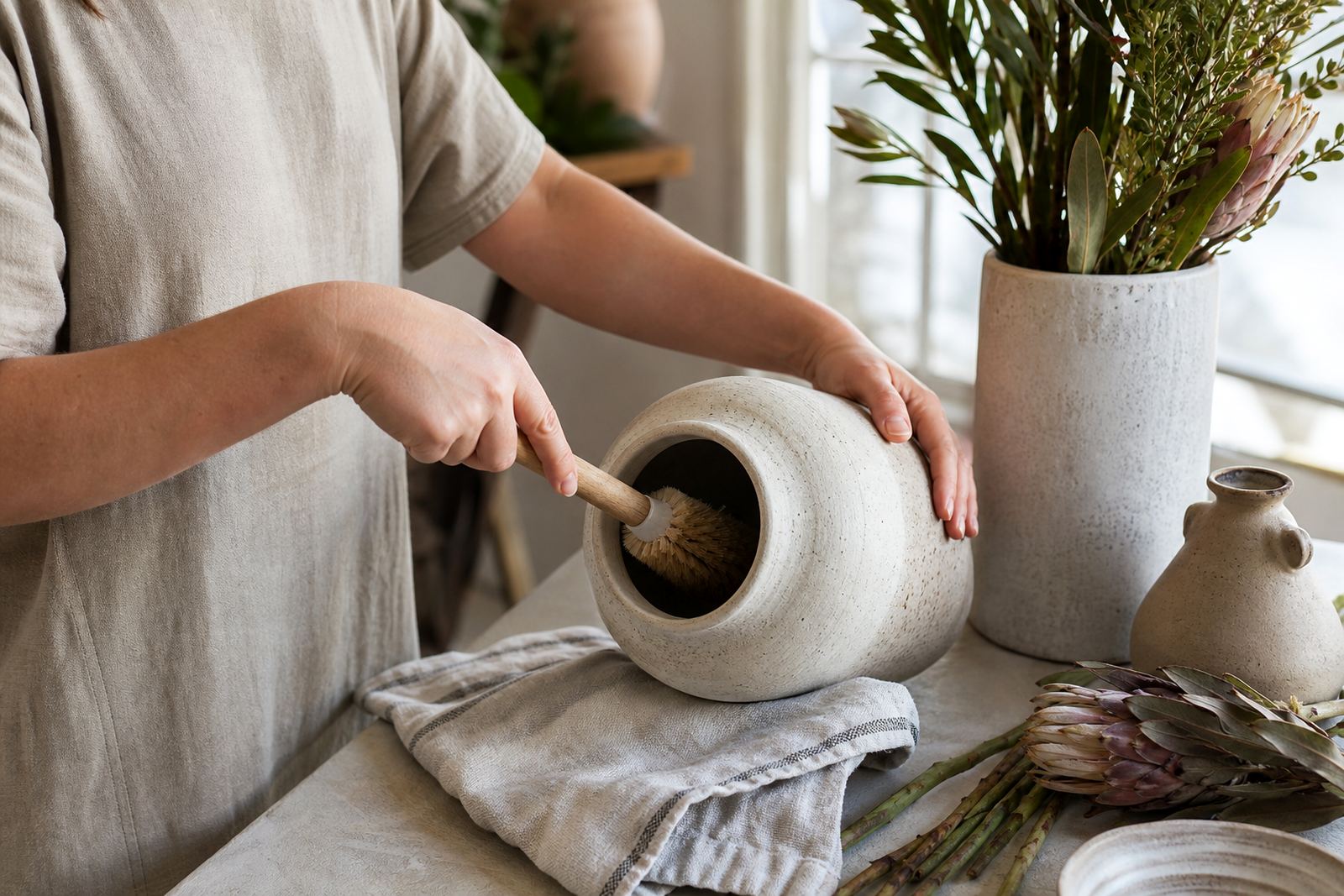
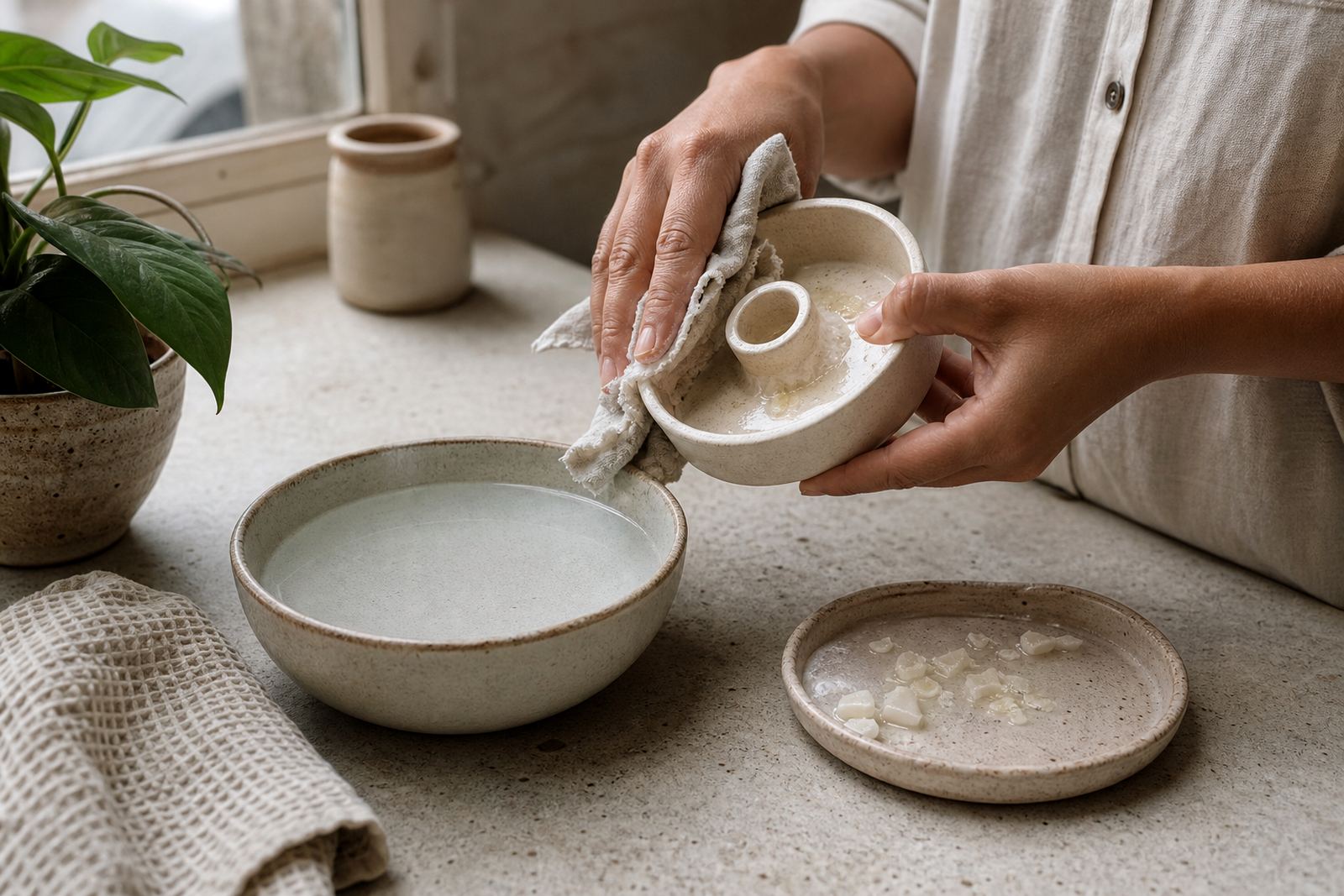
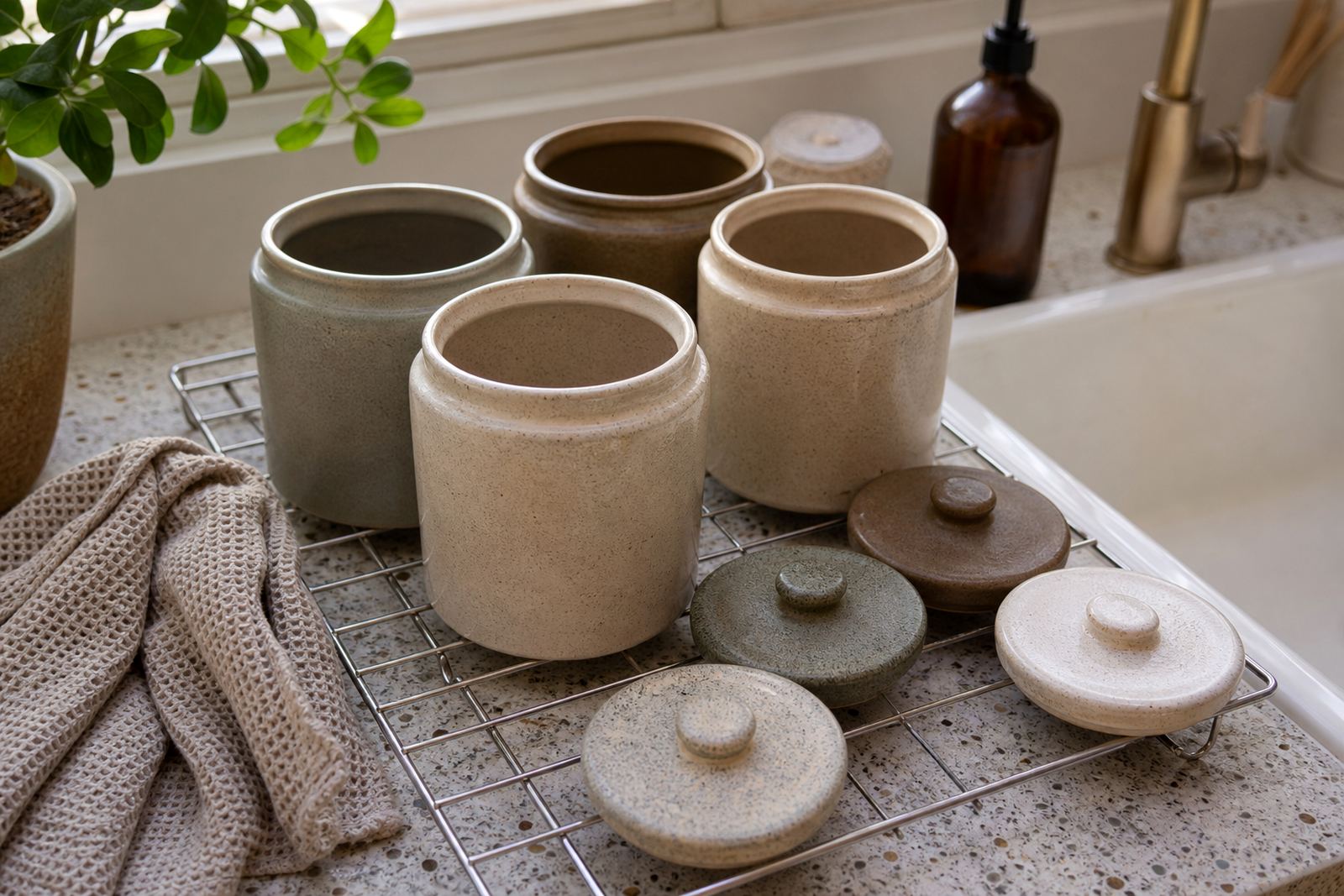
Handmade ceramics are strong enough for regular use, but they still benefit from careful washing and drying. Sudden temperature changes can stress clay and glaze, especially if a piece goes from a very cold cupboard straight into very hot water. For mugs, bowls and serving pieces, use warm water and a soft sponge. Dry them fully before stacking.
- Wash by hand where possible, especially for textured glazes or hand-painted details.
- Avoid harsh scourers that can dull the surface.
- Check for fine hairline cracks before using for hot food or liquid.
- Store with a soft layer between stacked pieces if the rims are delicate.
Unsealed bases can pick up marks on stone counters, so lift rather than drag across the surface. In coastal homes around Cape Town, a bit more drying time helps prevent moisture sitting in packaging, cupboards or around the foot of a piece.
Textiles that keep their shape and colour
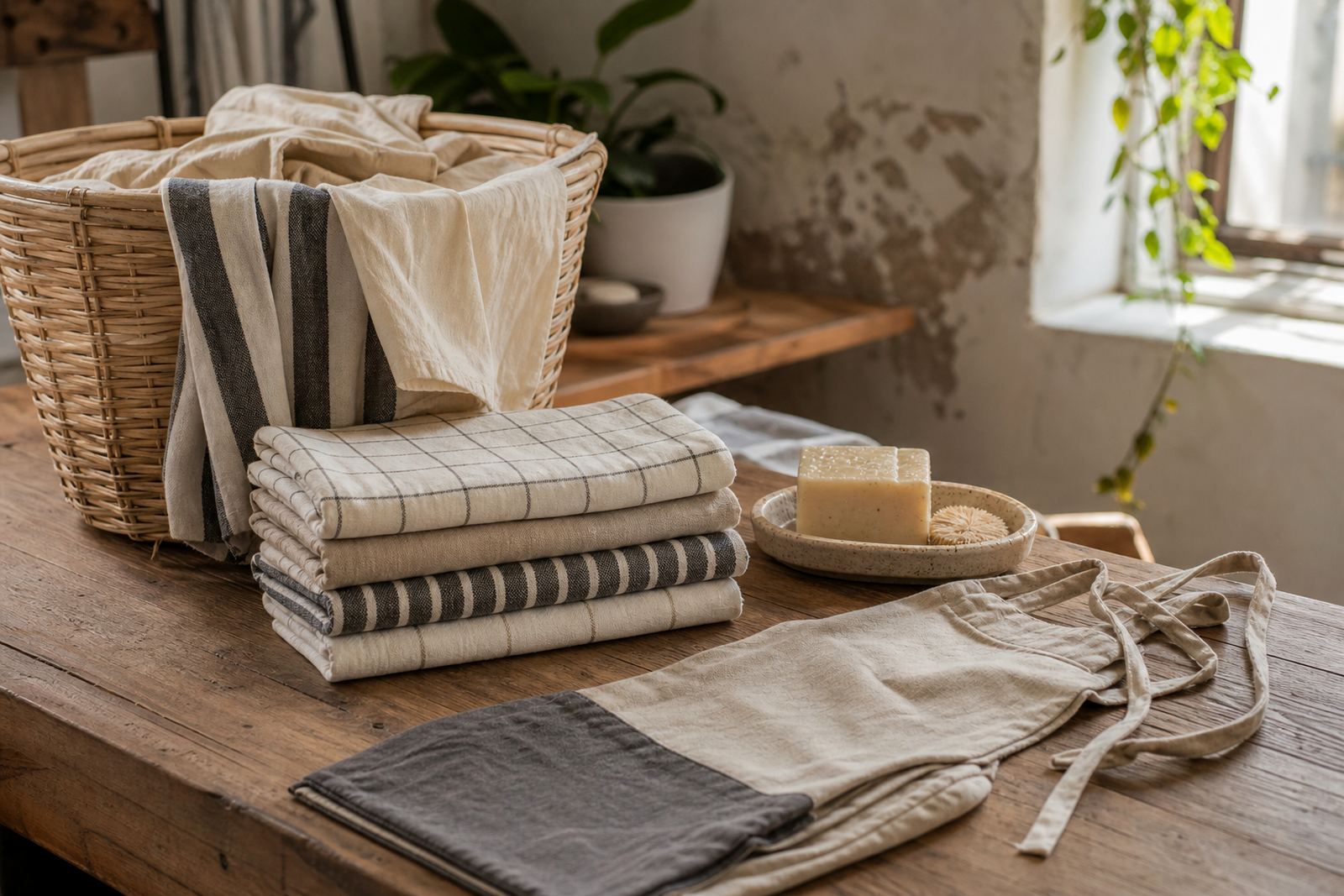
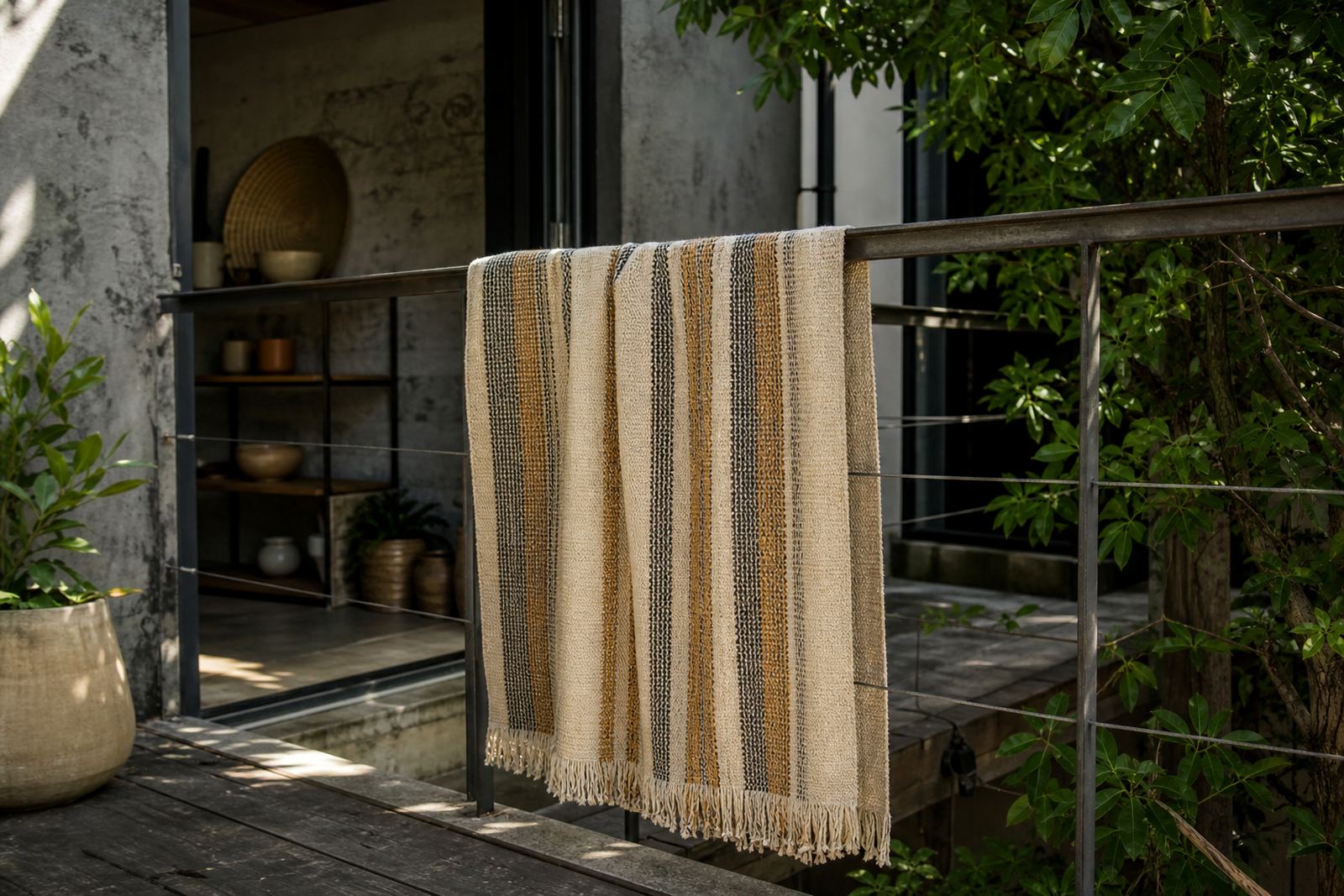
Woven throws, cushion covers, runners and table linens last longer when washed gently and kept out of direct harsh sun for long stretches. Natural fibres can soften with use, but rough washing can pull at seams and flatten texture. Before washing, shake out crumbs and dust, then follow the care label or the maker’s guidance if it is supplied.
- Use mild detergent and cool or lukewarm water for most handmade textiles.
- Wash similar colours together, especially on the first few washes.
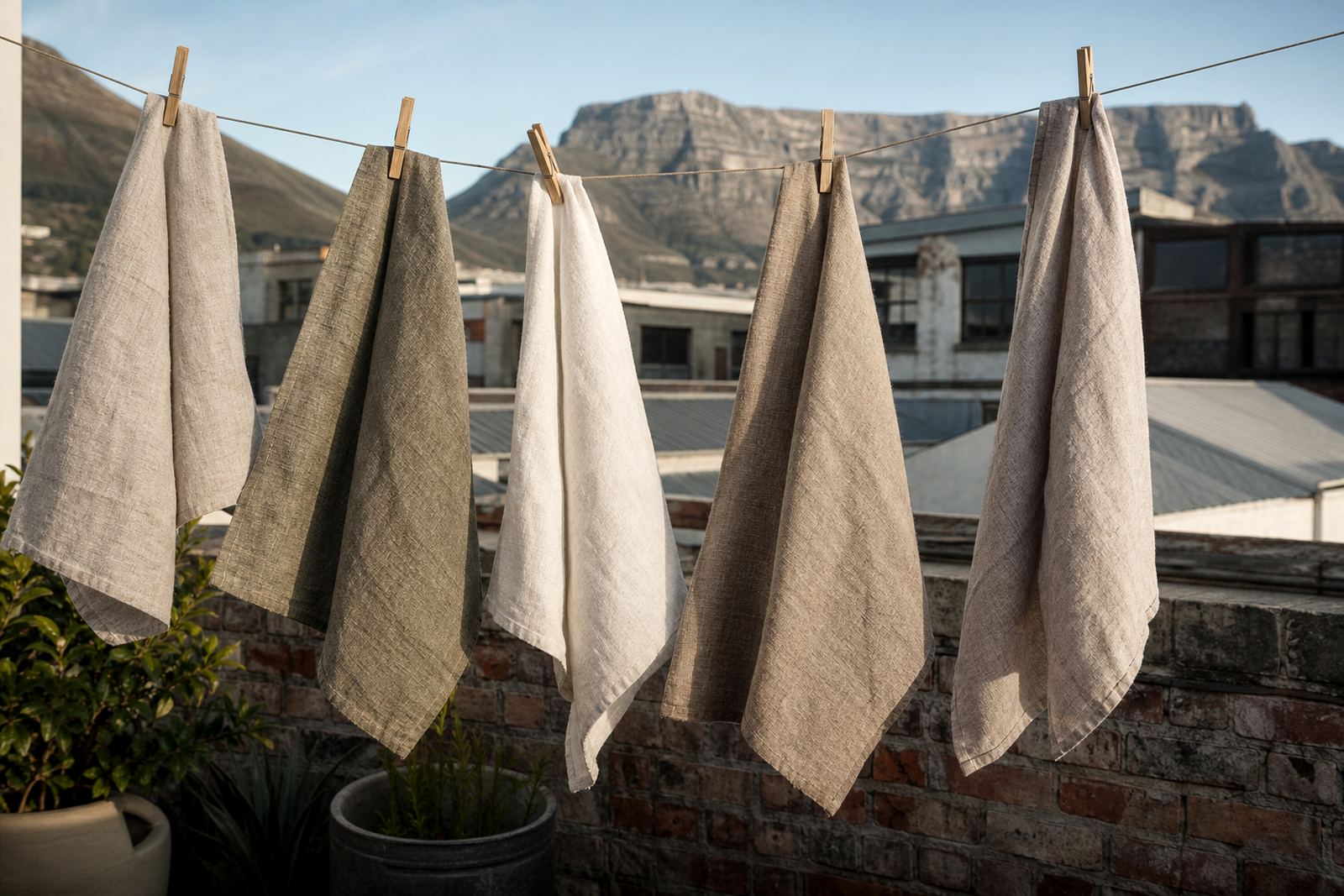
- Line dry where possible, but avoid leaving strong colours in full sun for hours.
- Iron on the reverse side if the weave or print needs smoothing.
If a textile has tassels, embroidery or hand-finished edging, turn it inside out and use a gentle cycle or hand wash. That extra minute at the sink can make a real difference to how it wears over time.
Wood pieces and the way they age
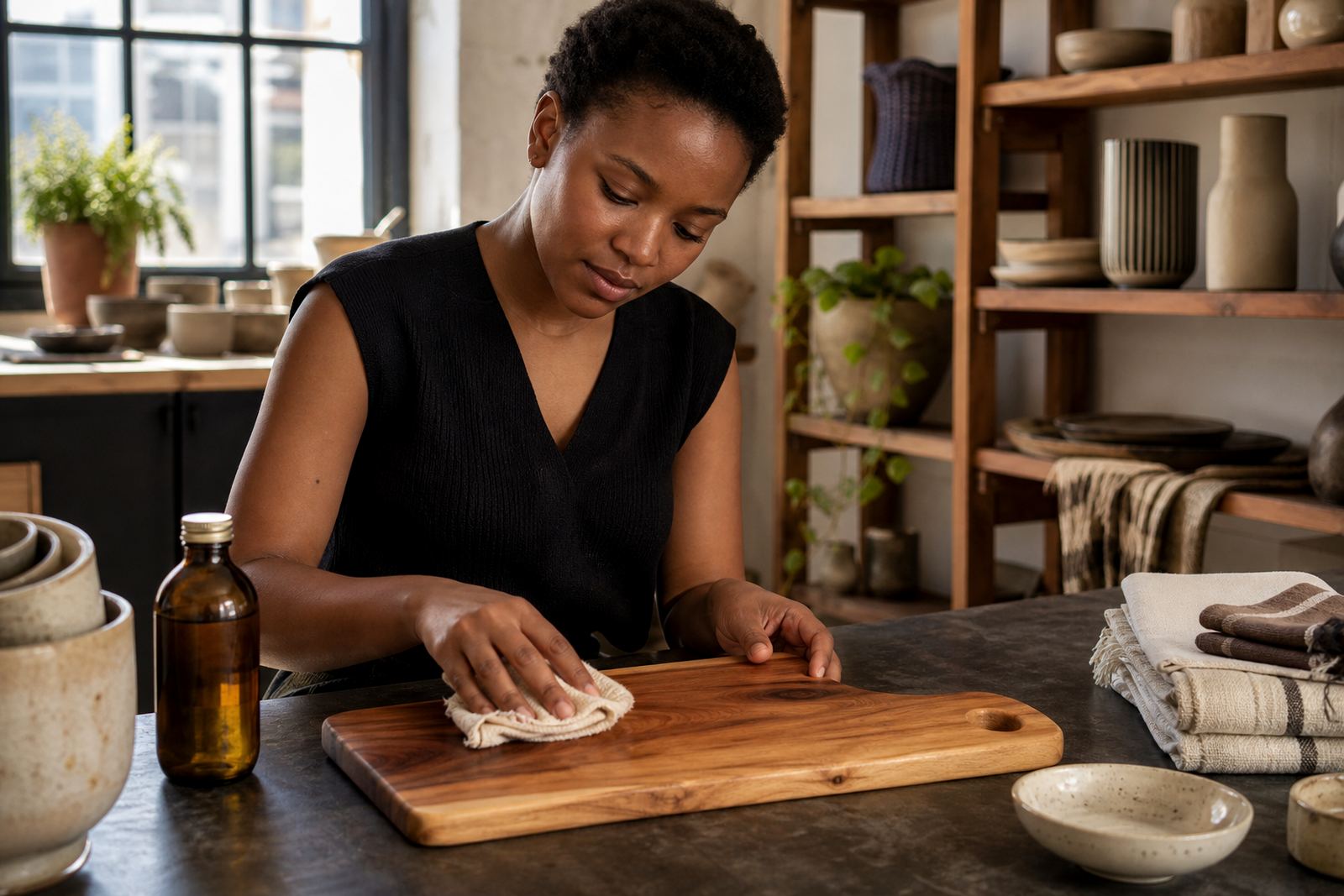
Wooden boards, bowls, trays and decorative pieces last best when they are handled gently and kept out of deep water. Wipe away spills soon after they happen and dry each piece after washing. If the wood has been oiled, an occasional fresh coat can help guard the surface and deepen the tone again.
Do not leave wooden pieces in standing water, and avoid placing them near strong heat for long periods. In homes with dry inland air and frequent temperature shifts, wood may open slightly at the grain, which is normal. A little care keeps that movement from becoming damage.
- Wipe with a damp cloth, then dry immediately.
- Use food-safe oil only if the piece is meant for food contact and the maker recommends it.
- Keep flat in a dry spot, away from harsh sun
- Sand lightly only where appropriate and only on unfinished or permitted surfaces.
Decor objects, dust and everyday handling
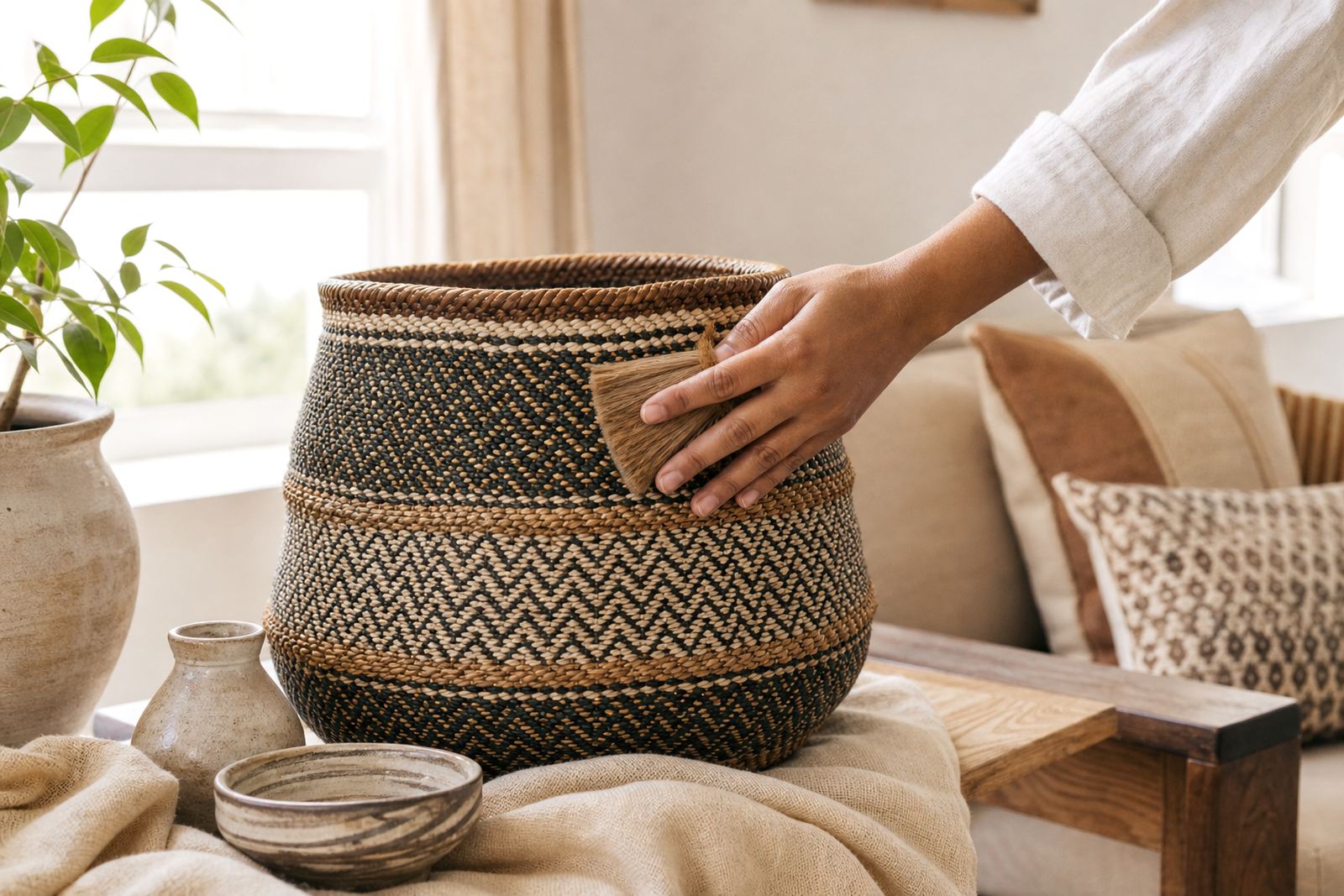
Decor items often need less washing and more careful dusting. For painted objects, sculptural pieces, woven accents or mixed-material decor, a soft dry cloth is usually enough. If the surface is matte or textured, use a clean brush attachment on a low-suction vacuum or a very soft brush to lift dust from corners and grooves.
When moving decor, lift from the base rather than a thin handle or edge. This matters with hand-built forms, joined pieces and items that combine wood, fibre or ceramic. A small chip or scuff can be part of handmade character, but regular handling should not be hard on the piece.
Choosing care that suits your home
Good care depends on where the item will live. A serving bowl used every week needs easy washing. A cushion on a bright windowsill needs colour protection. A decorative vase in a hallway needs stable placement and less handling. If you are buying for a gift, think about the recipient’s routine too, especially for wedding gifting, housewarming sets or curated gift boxes.
For delivery across South Africa, from Cape Town and Stellenbosch to Johannesburg, Durban and Pretoria, it helps to think about humidity, sunlight and storage before the parcel even arrives. The right care routine is usually the one that fits real daily use, not a complicated one that gets ignored.
When a piece needs a little more attention
If a ceramic item chips, a textile frays, or a wood piece dries out, stop using it in the same way until you have checked the damage. Some wear is normal, but sudden cracks, loose joins or deep stains need closer attention. Replacement help is sometimes the right route for a gift or a set, while small marks may only need cleaning, repair or careful repurposing.
Good homeware lasts longer when it is handled with a steady hand and stored well. These guides are here to help each piece keep its shape, character and use for as long as possible.