
Start With A Clean Rinse Every Time You Empty It
Empty the vase as soon as the flowers are removed and give it a thorough rinse with clean water. Do not leave old stems, leaf bits or stale water sitting inside, because that is where residue starts to build up. If the vase has a narrow neck, swirl the water around so it reaches the lower sides and base.
For everyday use, a quick rinse is usually enough before the vase is filled again. If you have used cut flowers with sap, pollen or tinted dye, give the inside a little more attention. On ceramic surfaces, dried residue can cling to the glaze line and show as a dull ring, so it helps to rinse before it dries hard.
- Empty the vase after use
- Rinse the inside and mouth with clean water
- Swirl water through narrow necks
- Do not leave stems or leaves inside
Dry The Inside Fully Before Storing Or Refilling
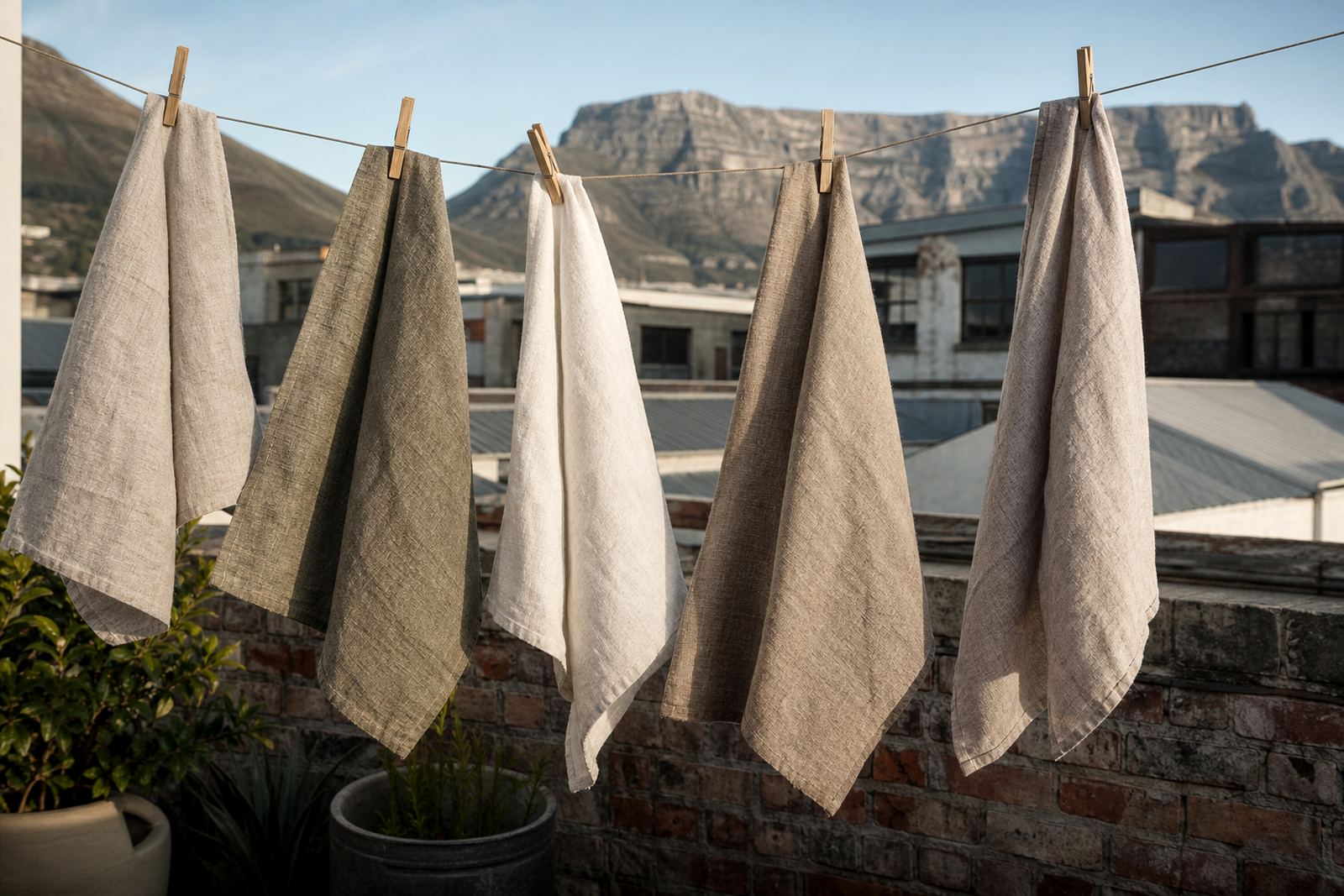
Water marks are easier to prevent than to remove. After rinsing, turn the vase upside down on a clean drying rack or folded cloth so water can run out. If the opening is small, leave it angled for a while so trapped droplets can escape. A soft, lint free cloth can be used on the outer surface, but the inside should be left to air dry as much as possible.
In humid areas like Cape Town, Durban and Stellenbosch, drying can take a little longer. That matters because moisture left inside a ceramic vase can create a faint mineral film, especially where hard water is used. If you store vases in a cupboard, make sure they are dry all the way through before stacking or closing the door.
- Tip the vase upside down after rinsing
- Use a soft cloth on the outside only
- Leave it open to air dry before storing
- Check the base and neck for hidden droplets
Use Gentle Cleaning For Cloudy Rings And Light Staining
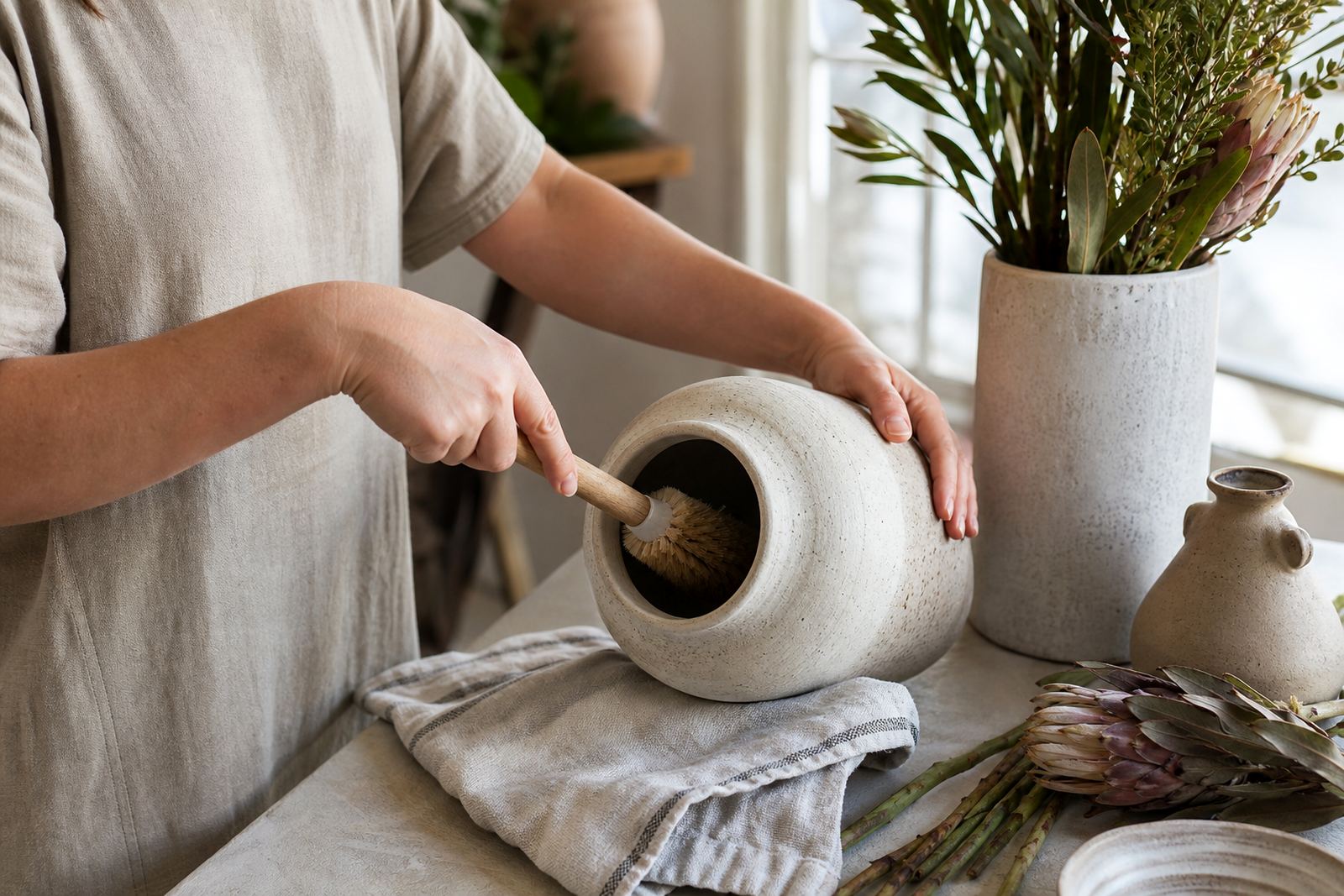
For light water marks, use warm water with a little mild dish soap and a soft bottle brush if the opening allows it. Avoid rough scouring pads, steel wool and gritty powders because they can dull glazed ceramic surfaces. If a mark remains after washing, soak the vase with warm water for a short while and try again with a soft cloth or brush.
When a vase has been used for flowers for many weeks, a soft vinegar solution can help lift mineral build up. Use it sparingly, rinse well afterwards and dry the vase properly. Never leave strong cleaning agents inside for long periods, since they can affect the finish or leave a smell that is hard to remove.
- Use mild soap and warm water first
- Choose a soft brush or cloth
- Try a short soak for stubborn rings
- Rinse well after any vinegar solution
Protect Glazed And Unglazed Ceramic Surfaces
Not all ceramic vases behave the same way. Glossy glazed pieces usually wipe clean more easily, while matte or unglazed sections can hold onto moisture and stain more quickly. If your vase has a raw base, textured band or hand finished detail, dry those areas carefully after washing. The same goes for narrow ridges where water can sit and dry into a pale ring.
It also helps to avoid sudden temperature changes. Very hot water in a cold vase can cause stress on the surface, and very cold water in a warmed vessel can do the same. Use water at a comfortable hand temperature and keep the cleaning process steady. That is a small habit, but it protects the finish over time.
- Wipe glazed areas gently
- Dry matte or raw sections with care
- Avoid hot and cold shock
- Check textured details for trapped moisture
Make Flower Care Part Of Vase Care
The way flowers are prepared affects how clean the vase stays. Trim stems before placing them in water, remove any leaves below the waterline and change the water regularly. Leaves left in the vase break down quickly and leave a film that clings to ceramic surfaces. Clear water also reduces odour, which is useful in warm homes and during summer.
If you use the same vase often, give it a proper wash between arrangements rather than simply topping up the water. That routine is especially useful for housewarming gifts, wedding arrangements and office flowers where vases may be handled more often. A clean vase keeps the arrangement looking fresh and helps the ceramic finish stay bright.
- Trim stems before arranging
- Remove leaves below the waterline
- Change the water regularly
- Wash between different flower displays
Store Spare Vases So Dust And Odour Do Not Settle In
When a vase is not in use, store it in a dry cupboard or on a shelf where air can move around it. Dust can settle in the mouth and around the base, and any leftover moisture may cause a stale smell. If a vase is packed away for a while, line it with tissue or a soft cloth only after it is fully dry. Do not seal damp ceramic in a closed box.
Wrap delicate pieces separately so they do not chip against each other. For taller vases, keep them upright if possible. If the vase will be used for gifting later, a final wipe with a dry cloth before wrapping helps it look cared for and ready to place on a table, shelf or windowsill.
- Store dry ceramic vases in a ventilated place
- Do not box them while damp
- Wrap pieces separately to avoid chips
- Dust the mouth and base before use
A Quick Care Routine You Can Repeat Weekly
A simple weekly check keeps ceramic vases looking good without much effort. Empty the vase, rinse it, inspect the inside for a faint ring and dry it fully. If it has been standing with flowers for several days, give it a more careful wash and look at the base, neck and any textured details. This small routine works well for everyday vases and for pieces kept for special occasions.
If a mark does not lift after a normal wash, do not scrub harder. Take a slower approach with a soak, gentle brush and proper drying. Good ceramic care is steady rather than rushed, and that helps handmade homeware stay bright in kitchens, dining rooms and living spaces across South Africa.
- Empty and rinse once a week
- Check for rings around the waterline
- Dry before refilling or storing
- Use patience on stubborn marks