
Start with the label and the fibre
Before washing, check the care notes that came with the cover and look closely at the fabric. Cotton, linen, wool blends and textured weaves all behave differently, and hand-printed or dyed covers may need gentler handling. If the cover has embroidery, tassels or buttons, turn it inside out and treat those details with care.
For natural fibres, cool or lukewarm water is usually safer than hot water. Hot washes can cause shrinkage, fading or a change in the weave, especially on covers made for dry indoor use. If a cover feels heavily textured or loosely woven, avoid rough machine cycles that can pull at the threads.
- Check for hidden zips, ties, buttons and trims before washing.
- Read the fibre content if it is shown on the tag or insert card.
- Test any new stain remover on a small hidden corner first.
- Keep dark and light covers separate, particularly on the first few washes.
Wash gently, not hard
Most cushion covers do best with a mild detergent and a gentle cycle. Harsh bleach or strong stain products can strip colour from hand-dyed fabrics and leave pale patches. If the cover is only slightly marked, try spot cleaning before you wash the whole item.
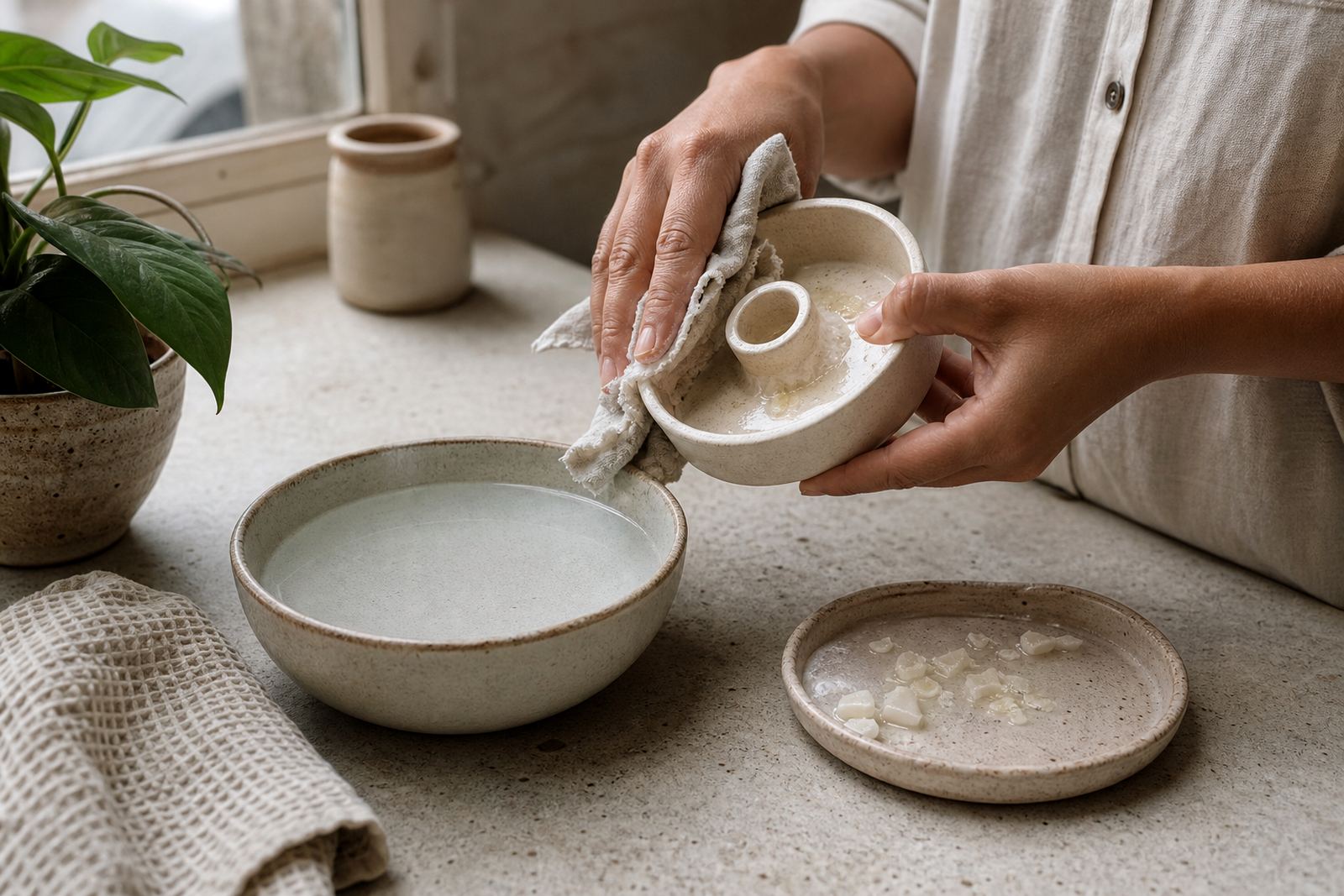
For hand wash care, use a basin with cool water and move the fabric through the water rather than rubbing it hard. Press the water out slowly, then roll the cover in a clean towel to remove excess moisture. Do not twist the fabric, as that can stretch seams and distort the shape.
- Use a mild liquid detergent rather than a powder that can leave residue.
- Wash similar colours together.
- Close zips or fasten ties so they do not catch in the wash.
- Avoid overcrowding the machine, the cover needs room to move.
Drying that protects shape and colour
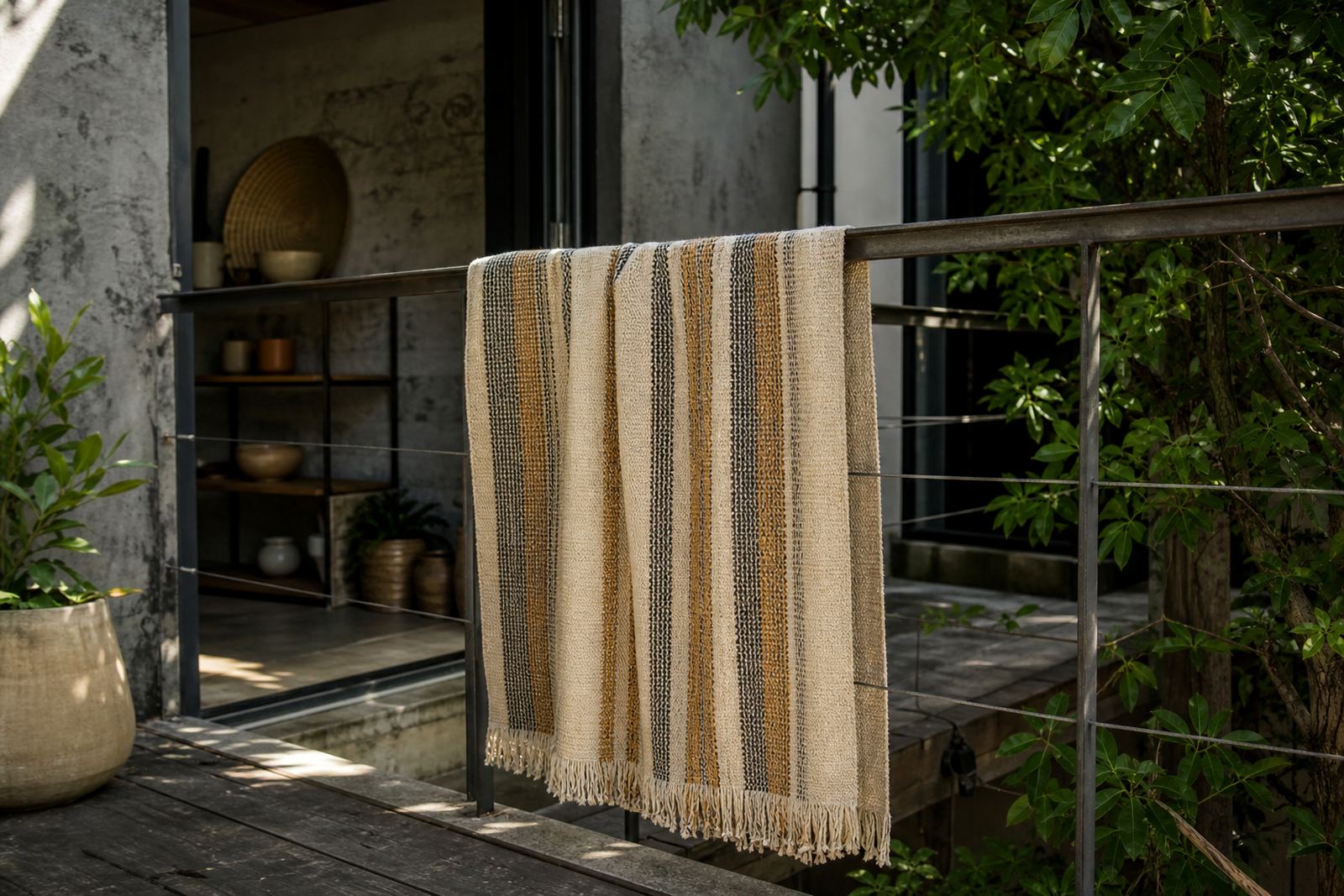
After washing, reshape the cover while it is still damp. Gently smooth the corners and seams back into place, then lay it flat or hang it in a shaded, airy spot. Direct sun can be hard on colour, especially on bright tones and natural dyes, and that fading can happen faster near windows, balconies or braai areas.
If the care label allows tumble drying, use low heat only. Higher heat can shrink cotton and linen, and it may make the weave feel stiff. For covers with heavy texture or decorative stitching, air drying is usually the safer choice.
- Keep wet covers out of strong sun.
- Dry flat if the weave feels soft or loose.
- Use low heat only when tumble drying is allowed.
- Make sure the cover is fully dry before refitting or storing.
Rotating covers in a real home
Rotation matters more than people think. A cover used on a couch by a sunny window will fade faster than one used in a shaded room, and seat cushions collect more wear than scatter cushions. Changing covers around the room helps spread out the ageing so one set does not take all the strain.
If you use the same covers every day, give them a short rest between washes and refits. That pause lets the fibres settle and keeps zips and seams from being pulled while still damp. It also helps if you have pets or children, because one cover can be washed while another stays in use.
- Swap covers between high-traffic and low-traffic spots.
- Keep one spare set for busy households or guest rooms.
- Shake out the inserts before refitting the cover.
- Check seams, corners and zip ends when you rotate them.
Storing cushion covers properly
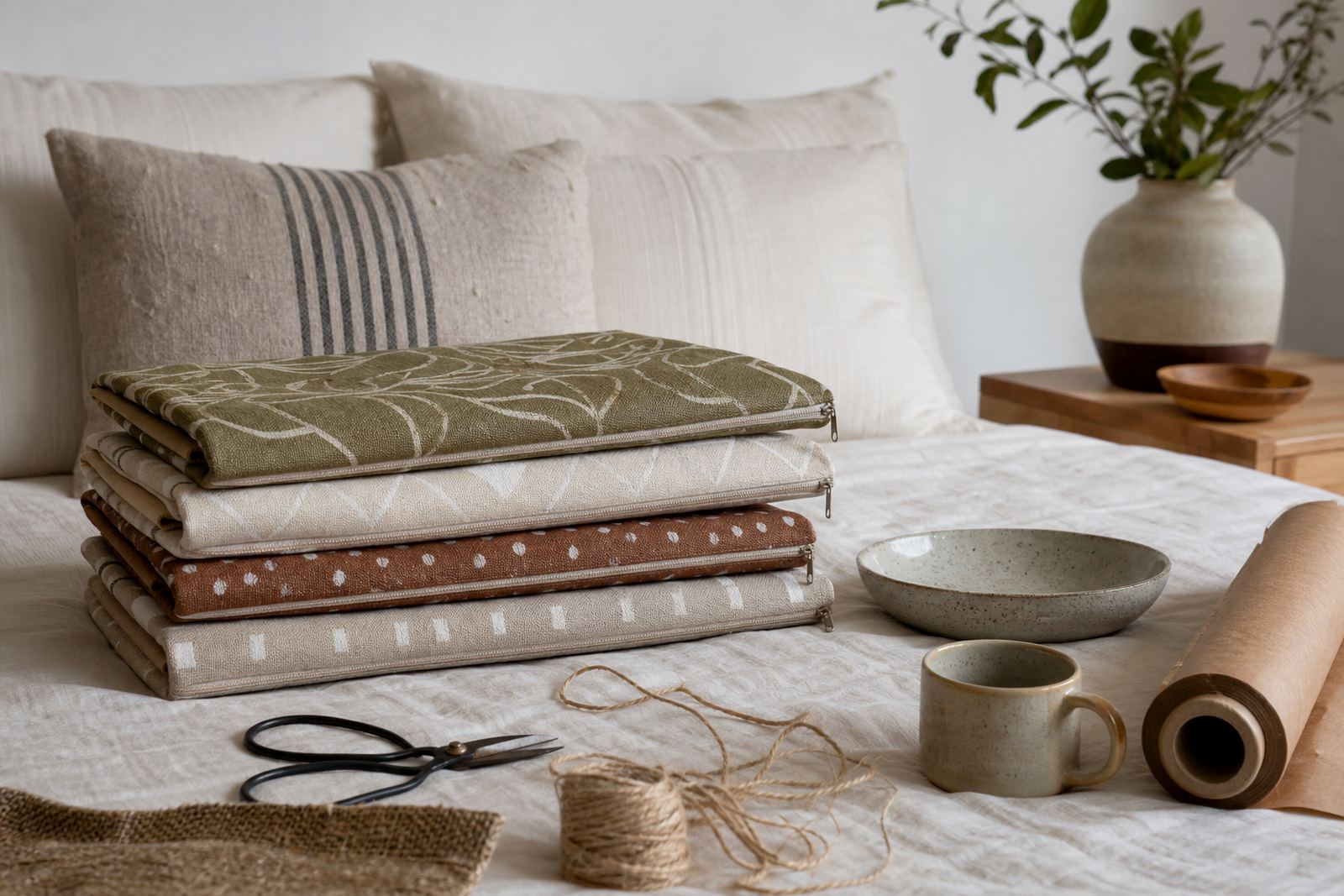
When a cover will not be in use for a while, store it clean and fully dry. Any trapped damp can lead to musty smells or spotting, especially in coastal homes where humidity stays high. Fold the cover neatly along the same lines each time, or roll it to avoid hard creases on delicate fabric.
For longer storage, use a cotton bag or a breathable box rather than plastic that traps moisture. Keep covers away from direct sun, roof heat and areas with dust. If you are storing a set for guest use or seasonal decorating, place a small note with the fabric type so the next wash is easier to plan.
- Store only clean, dry covers.
- Use breathable storage, not sealed plastic.
- Keep them away from moisture and strong sunlight.
- Label sets if you have different sizes or fabrics.
Quick care checks before and after use
A few small checks can keep cushion covers looking tidy for longer. Before refitting, make sure the insert is the right size and that the corners are filled out properly. An underfilled insert can leave the cover sagging, while an oversized one can strain the seams. If there are loose threads, trim them carefully instead of pulling them.
After use, brush off crumbs and dust, then give the cover a quick shake. This is useful for homes in Cape Town, Johannesburg, Durban, Pretoria and Stellenbosch where cushions may be moved around often for guests, family time or gifting displays. Care does not need to be complicated, just regular and gentle.
- Match the insert size to the cover size.
- Trim loose threads, do not tug them.
- Shake out dust before refitting.
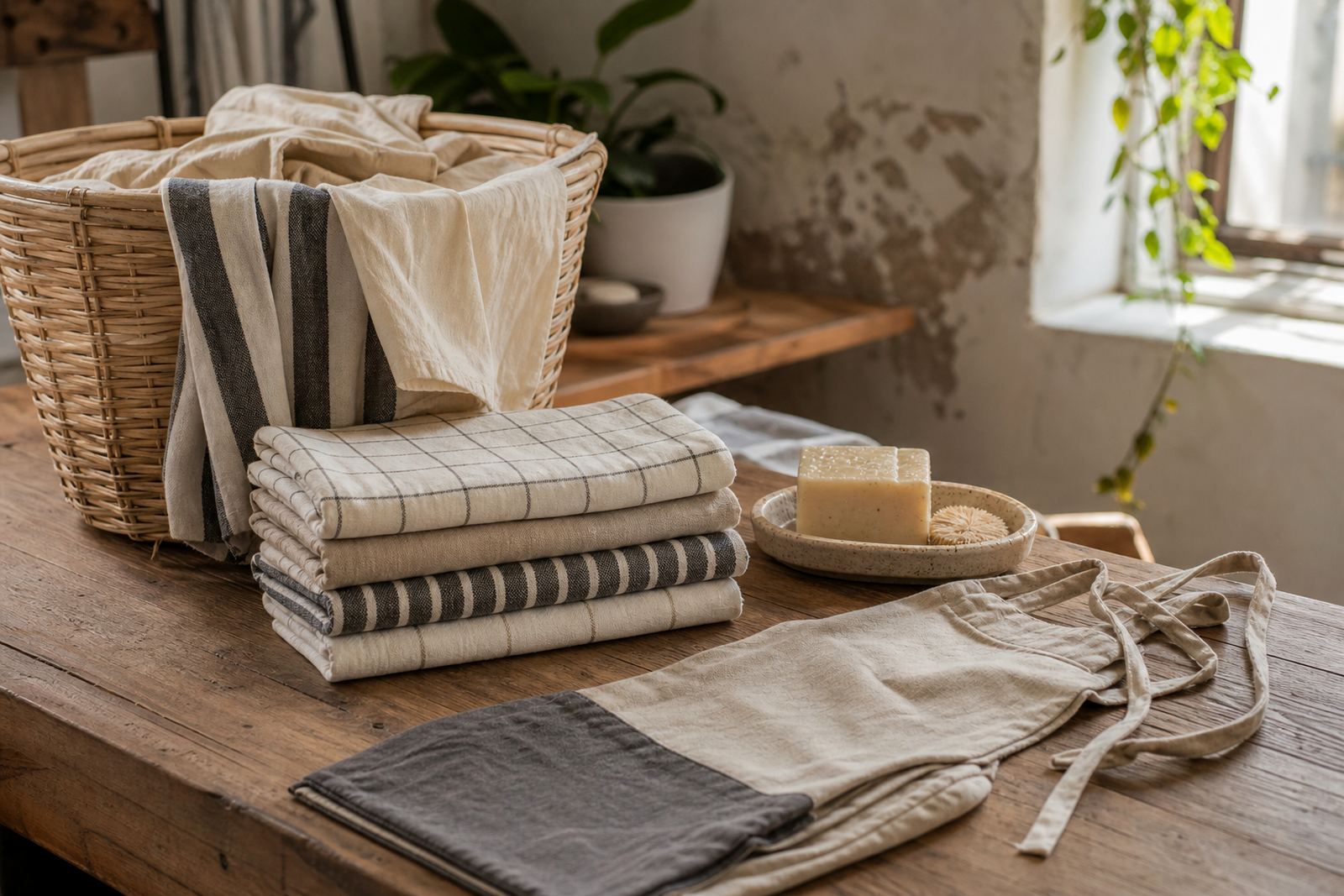
- Keep a small stain cloth near the seating area for fast spot cleaning.