
Start with the fibre label and the weave
Handmade throws can be woven from cotton, wool, linen blends or mixed fibres, and each one needs a slightly different approach. Before washing, check the maker's care note if it came with the throw. If there is no label, treat it gently and assume the weave may be more delicate than a factory-made blanket.
Loose knits, brushed finishes and tassels need extra care because they can stretch or snag. A tighter weave can handle a bit more handling, but it still helps to avoid hard rubbing, hot water and wringing. In humid coastal homes such as Woodstock and the Atlantic Seaboard, airing becomes just as important as washing.
The weekly habit that keeps a throw fresher
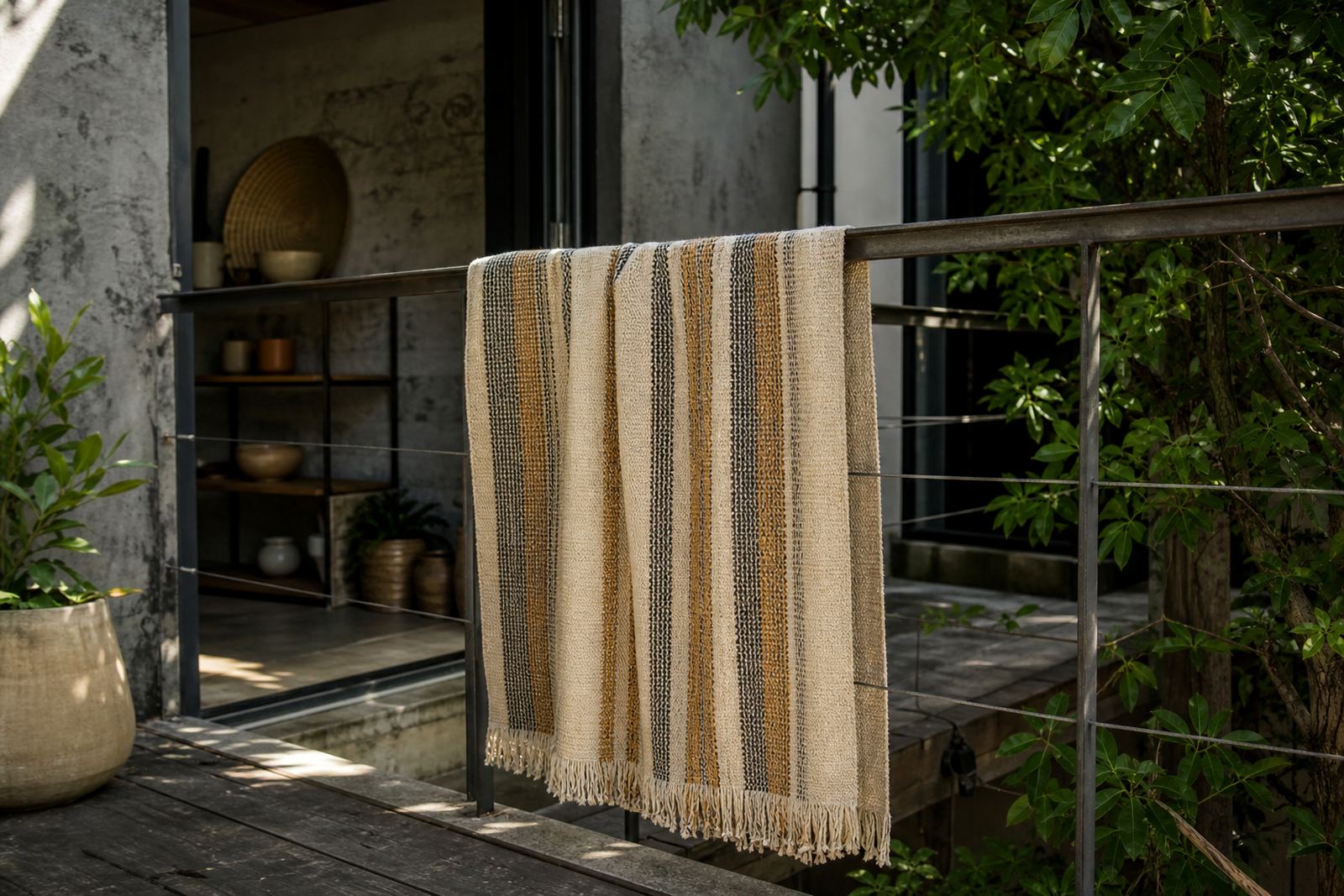
Most throws do not need frequent washing. For everyday use, a good shake outside or over a balcony rail helps remove dust and keeps the fibres from settling flat. Airing is useful after a cool evening on the sofa, especially if the throw has picked up a little moisture from sea air or a closed room.
- Give the throw a light shake to loosen dust and crumbs.
- Hang it in the shade for 30 to 60 minutes.
- Turn it halfway through so both sides breathe.
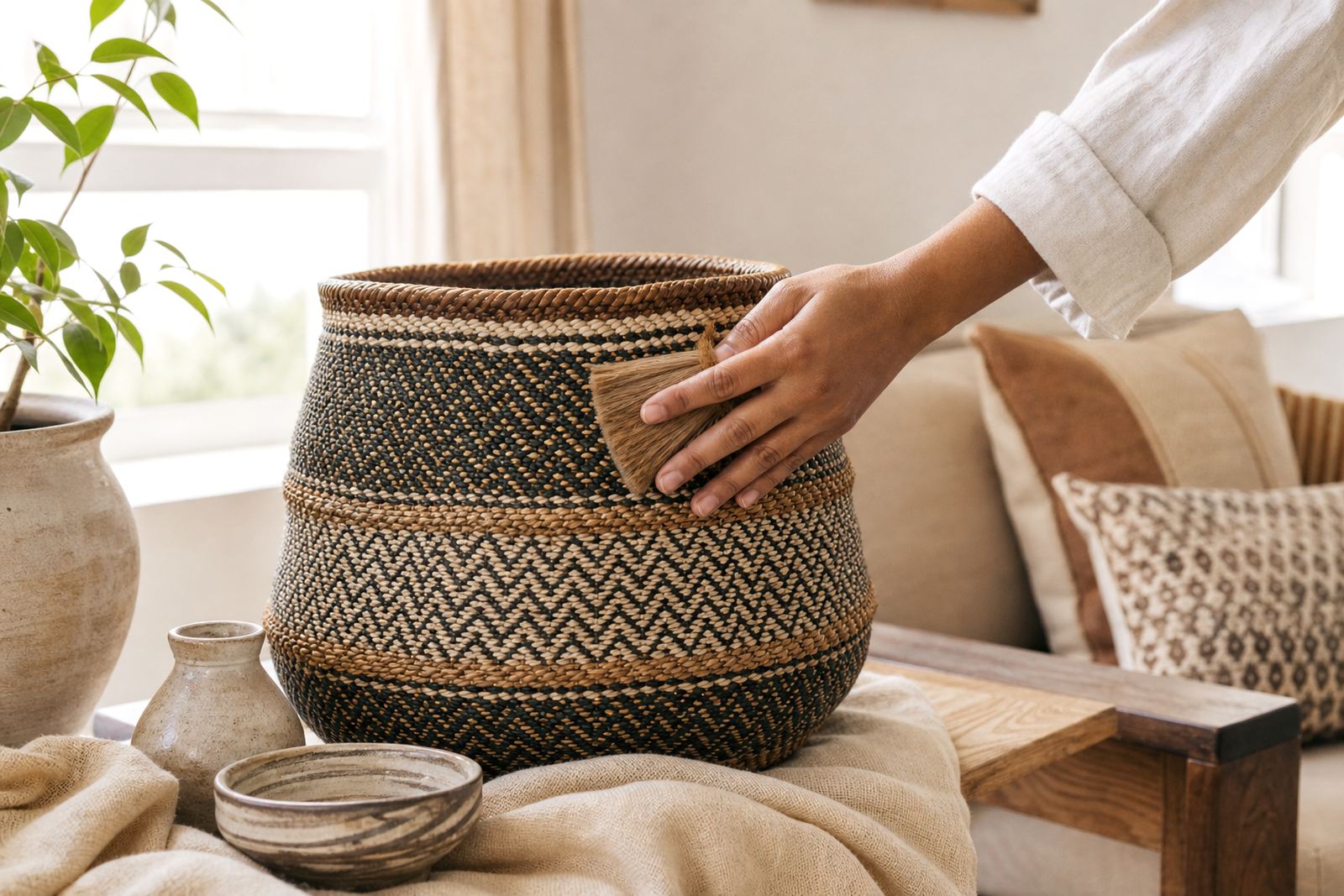
- Brush off surface lint with a soft fabric brush if needed.
- Store it only when it feels fully dry.
If a spill happens, blot it straight away with a clean dry cloth. Do not rub, because that pushes the mark deeper into the fibres and can distort the weave.
Washing without flattening the texture
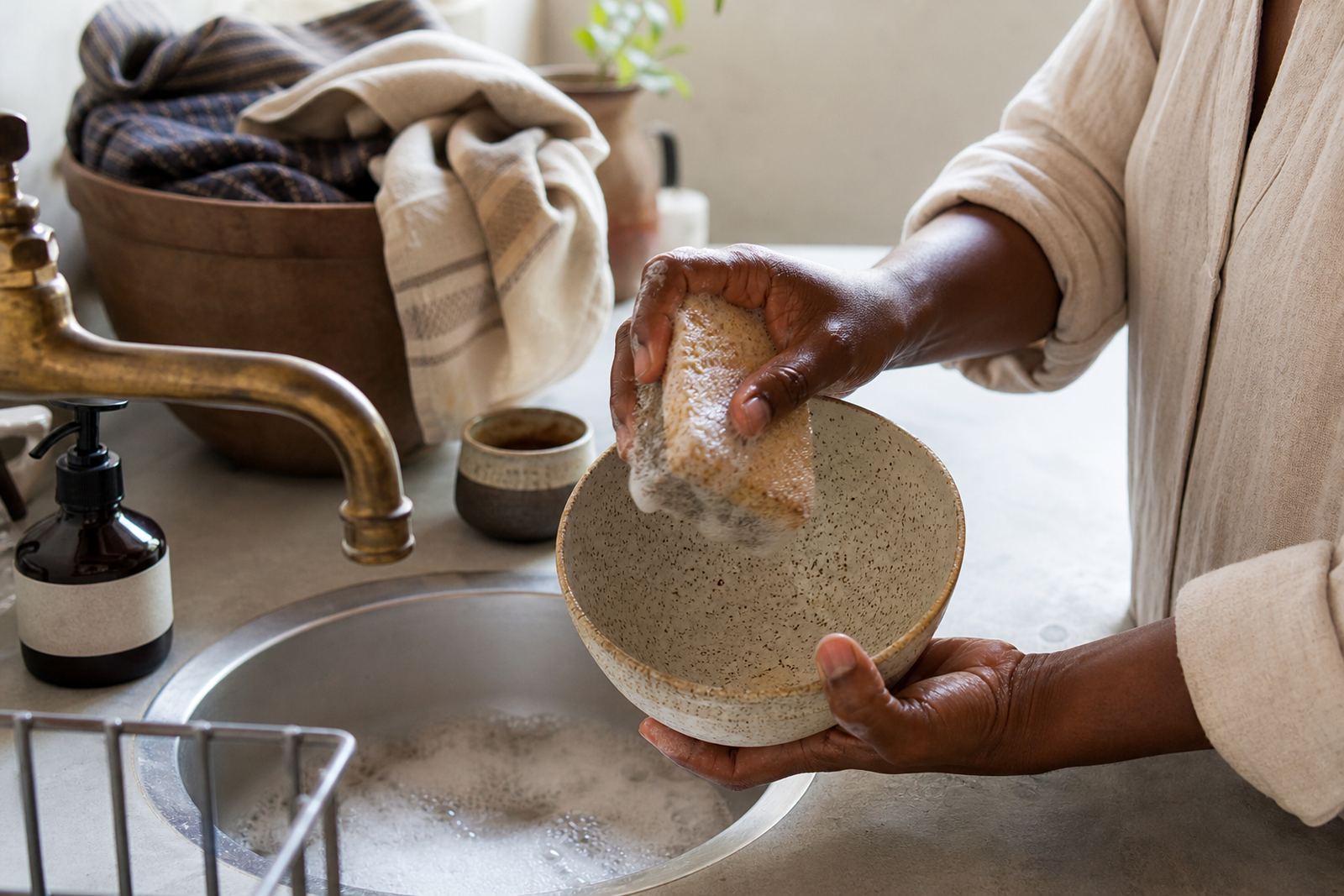
When a throw does need washing, use cool or lukewarm water and a mild liquid detergent. Hand washing is safest for most handmade pieces. Fill a basin, move the throw through the water gently, then rinse until the water runs clear. Avoid twisting it hard, because that can pull the shape out and leave the edges uneven.
If the throw is machine washable, use a gentle cycle in a laundry bag or pillowcase, and wash it on its own or with soft items only. Keep spin settings low. Strong spinning can make woven hems curl and can cause tassels to tangle. Never use bleach on dyed or natural fibre throws, as it can weaken the yarn and fade the colour unevenly.
- Use mild detergent with no brighteners.
- Choose cool water for dyed pieces.
- Keep the cycle short and gentle.
- Wash similar colours together.
- Reshape while damp, before drying fully.
Drying so the fibres hold their shape
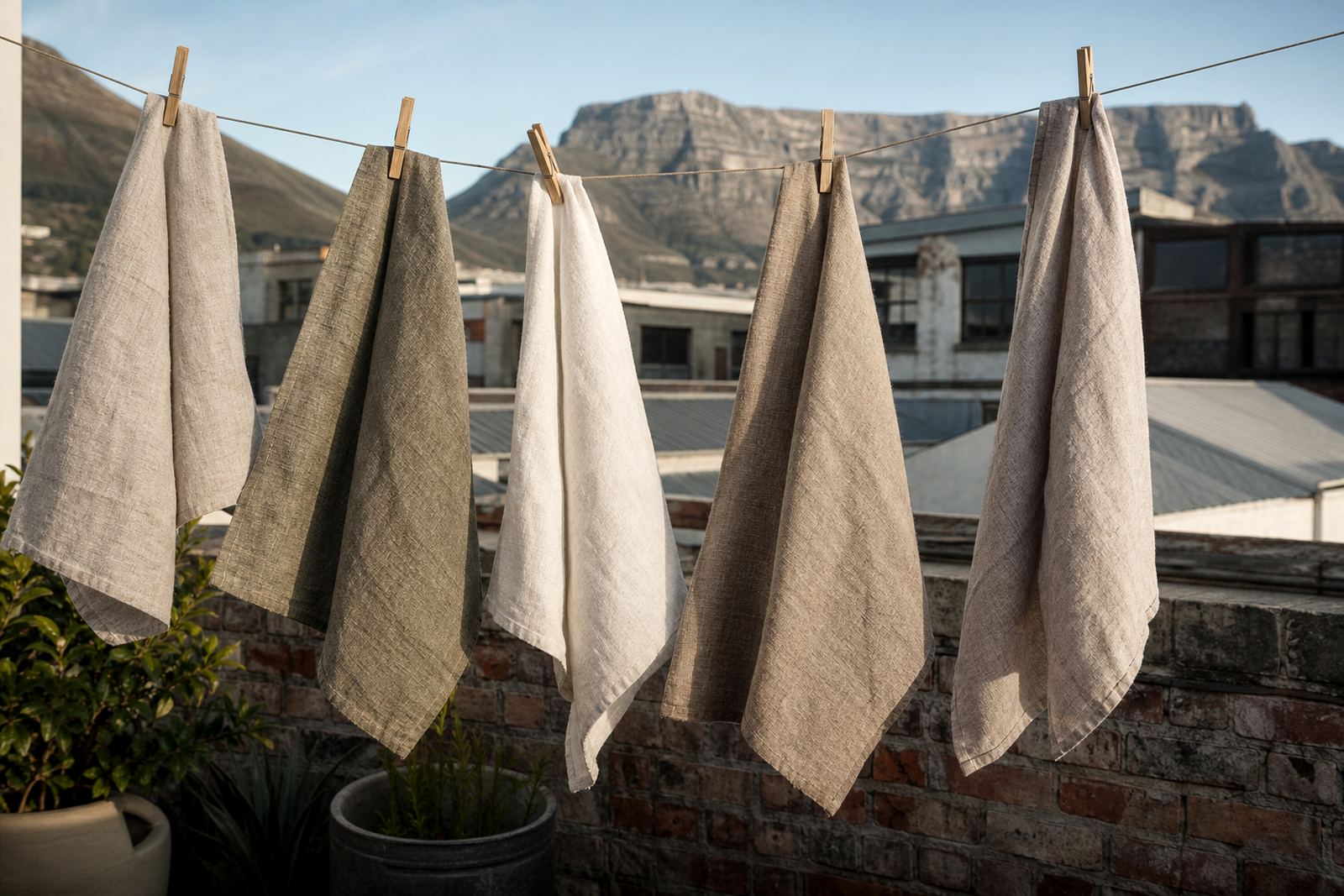
Flat drying is usually the best choice for woven throws. Lay the throw on a clean towel or drying rack and reshape the corners, edges and tassels while it is still damp. If you must hang it, do so evenly over a broad line so the weight does not pull one side down. Direct sun can fade some dyes and make natural fibres feel brittle, so a shaded spot is safer.
Do not tumble dry unless the care note clearly allows it. Heat can shrink cotton, roughen wool and make fringe look scruffy. If a throw feels stiff after drying, a brief airing and a gentle shake usually softens it again. For wool blends, a light steam from a safe distance can help relax creases, but keep the steam moving and avoid soaking one area.
Seasonal storage that protects handmade throws
When the weather turns warmer, store throws in a dry, cool cupboard or trunk. Clean the throw first, because body oils and hidden crumbs can attract moths and create musty smells. In places with higher humidity, such as Durban or coastal Cape Town, add a breathable cotton bag or acid-free tissue to help keep the fabric fresh.
- Fold the throw loosely, do not compress it tightly.
- Keep it away from direct sunlight and damp walls.
- Choose breathable storage, not sealed plastic for long periods.
- Check on it every few weeks during storage.
- Refold along a new line now and then to prevent crease marks.
If you spot a lingering smell on unpacking, air the throw in shade before use. This is usually enough to freshen it without another wash.
Small fixes for snags, pilling and edge wear
Handmade throws often soften with use, and a little surface wear is normal. If you see a snag, do not cut it unless it is clearly loose thread hanging free. Instead, ease it back into the weave with a blunt needle or the tip of a crochet hook from the reverse side. For small pills, use a fabric comb or a gentle lint shaver with care. Keep the pressure light so you do not catch the main yarn.
Edge fraying can often be slowed by storing the throw flat and avoiding rough laundering. If a tassel comes loose, knot it lightly or secure it with a few hand stitches. For more serious damage, set the throw aside rather than forcing it into daily use. A careful repair is better than pulling a larger section out of shape.