

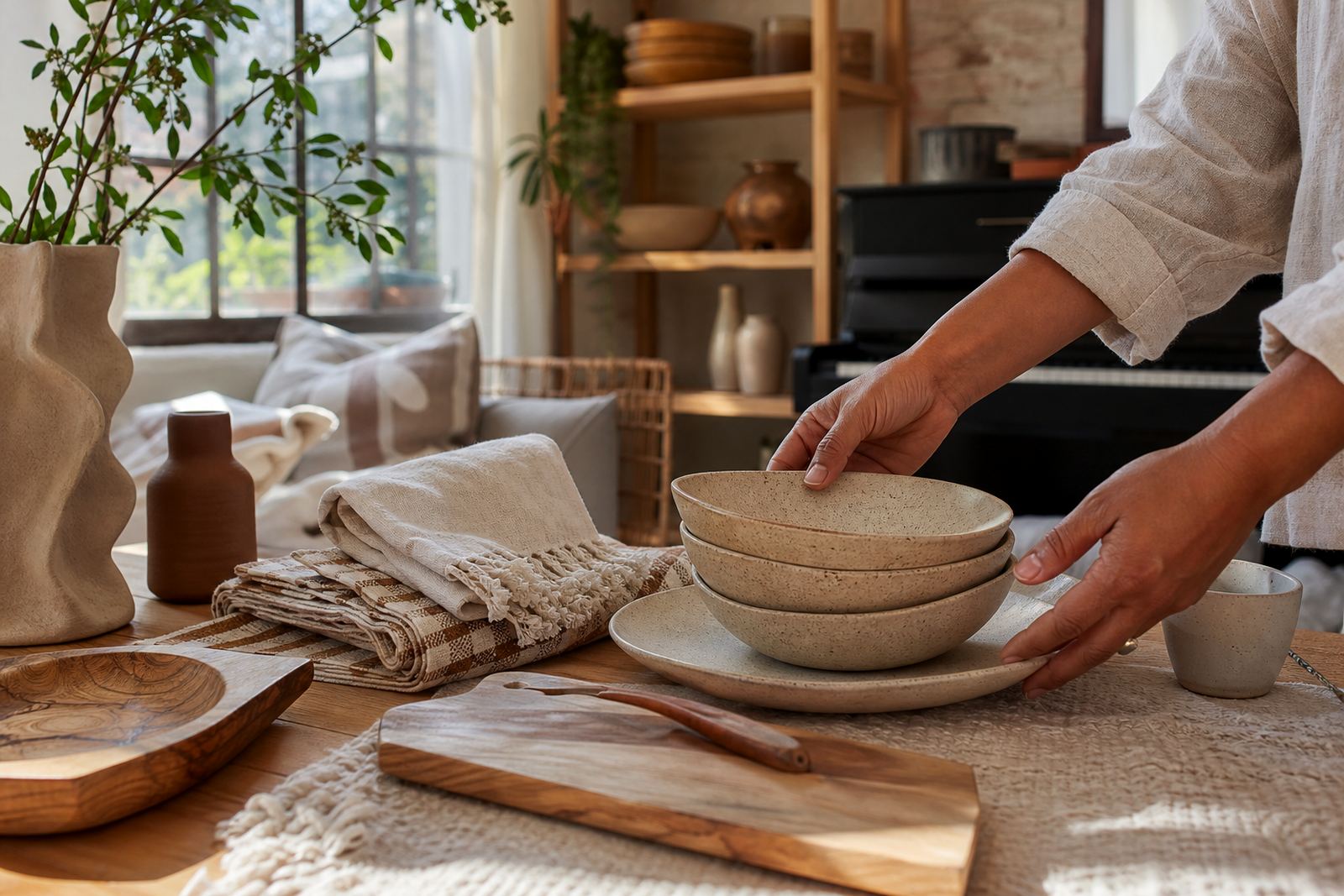
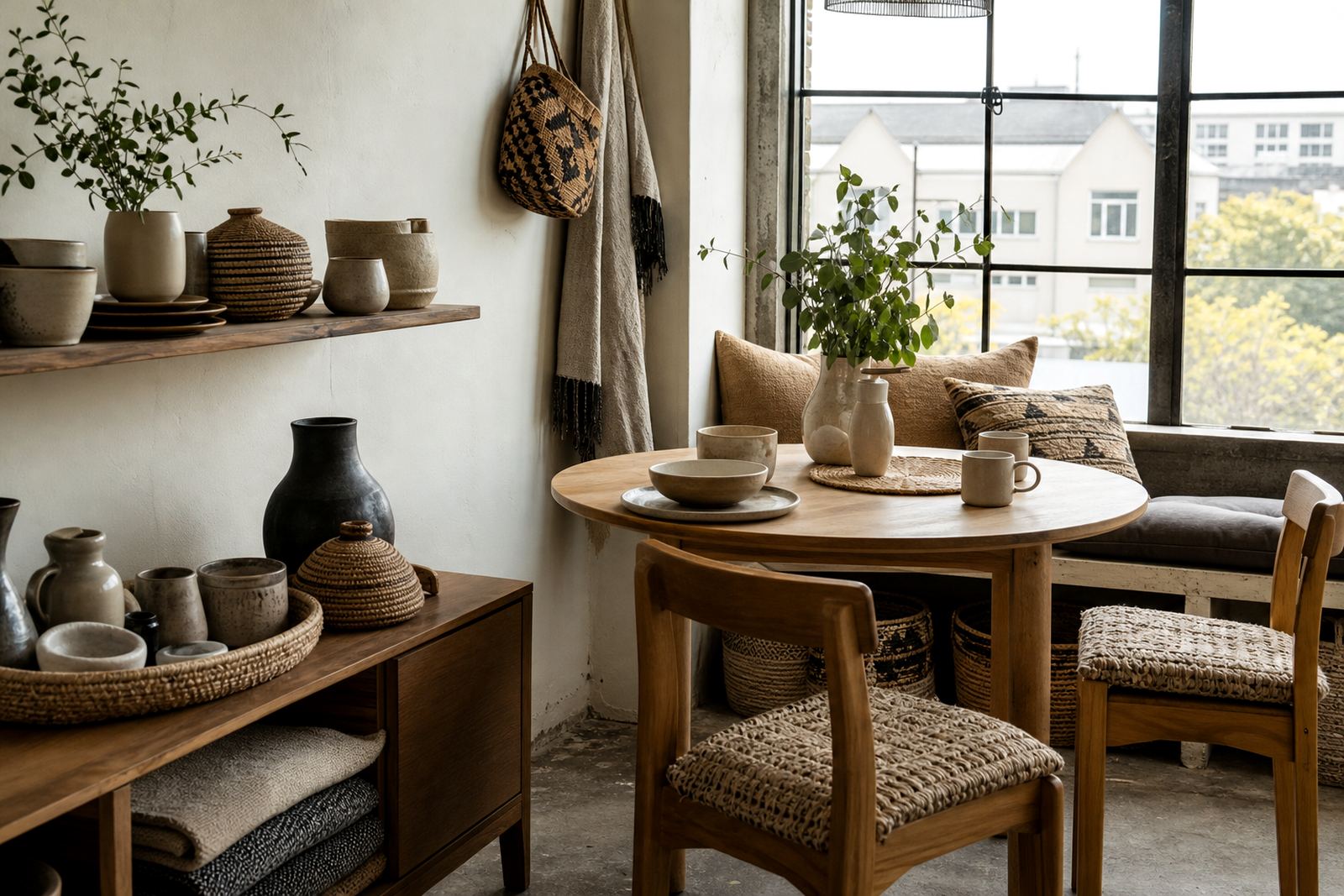
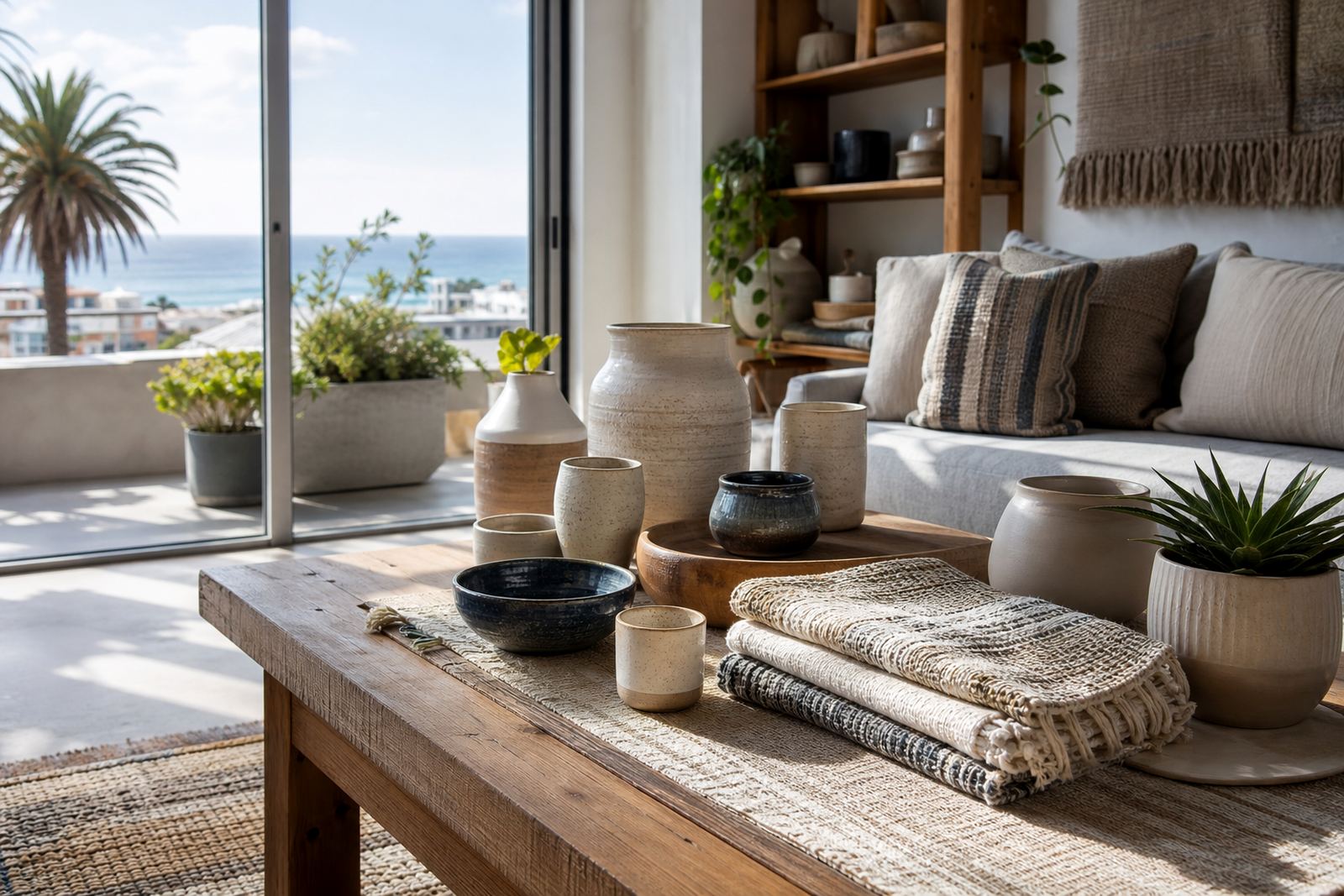
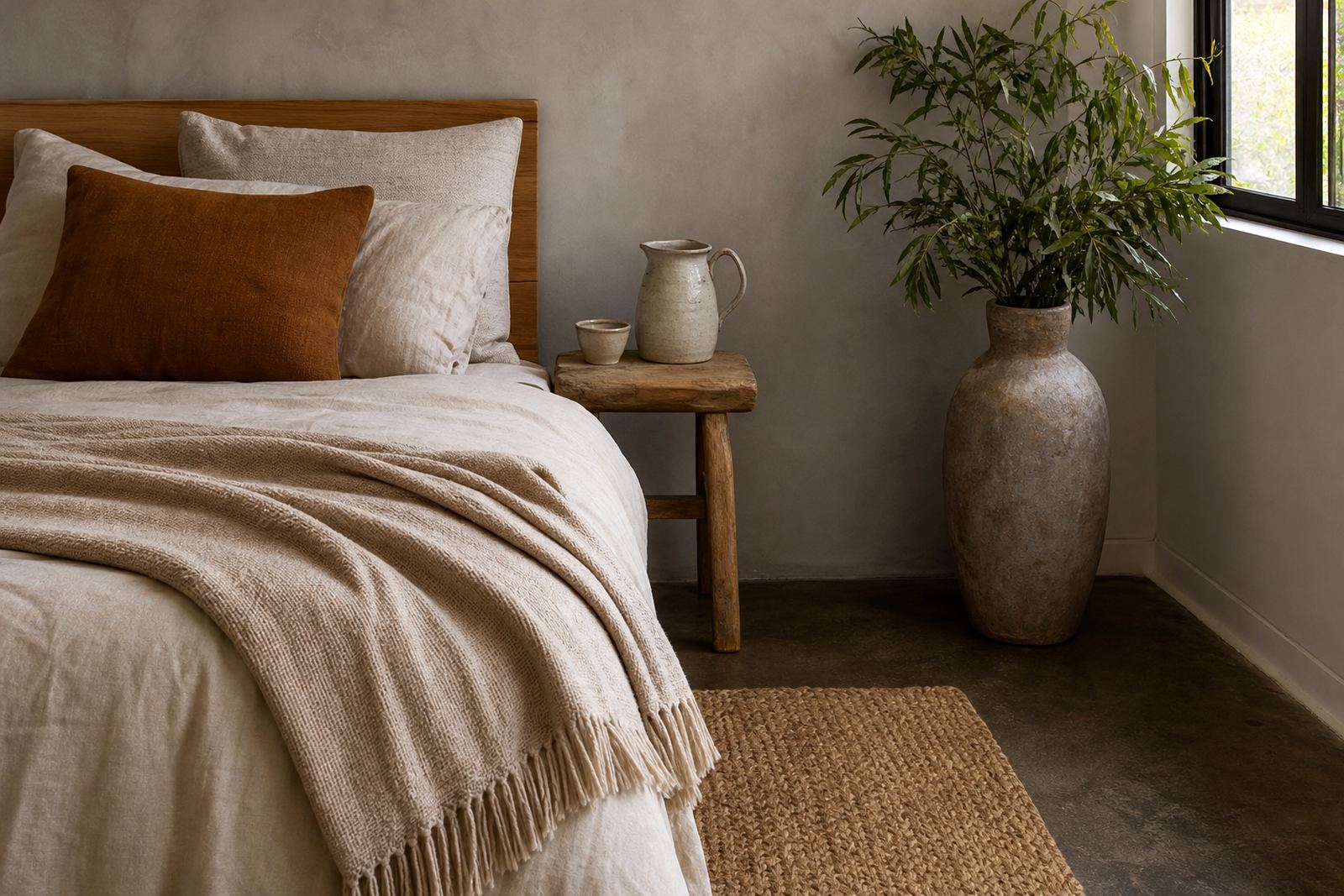
How to read each maker story
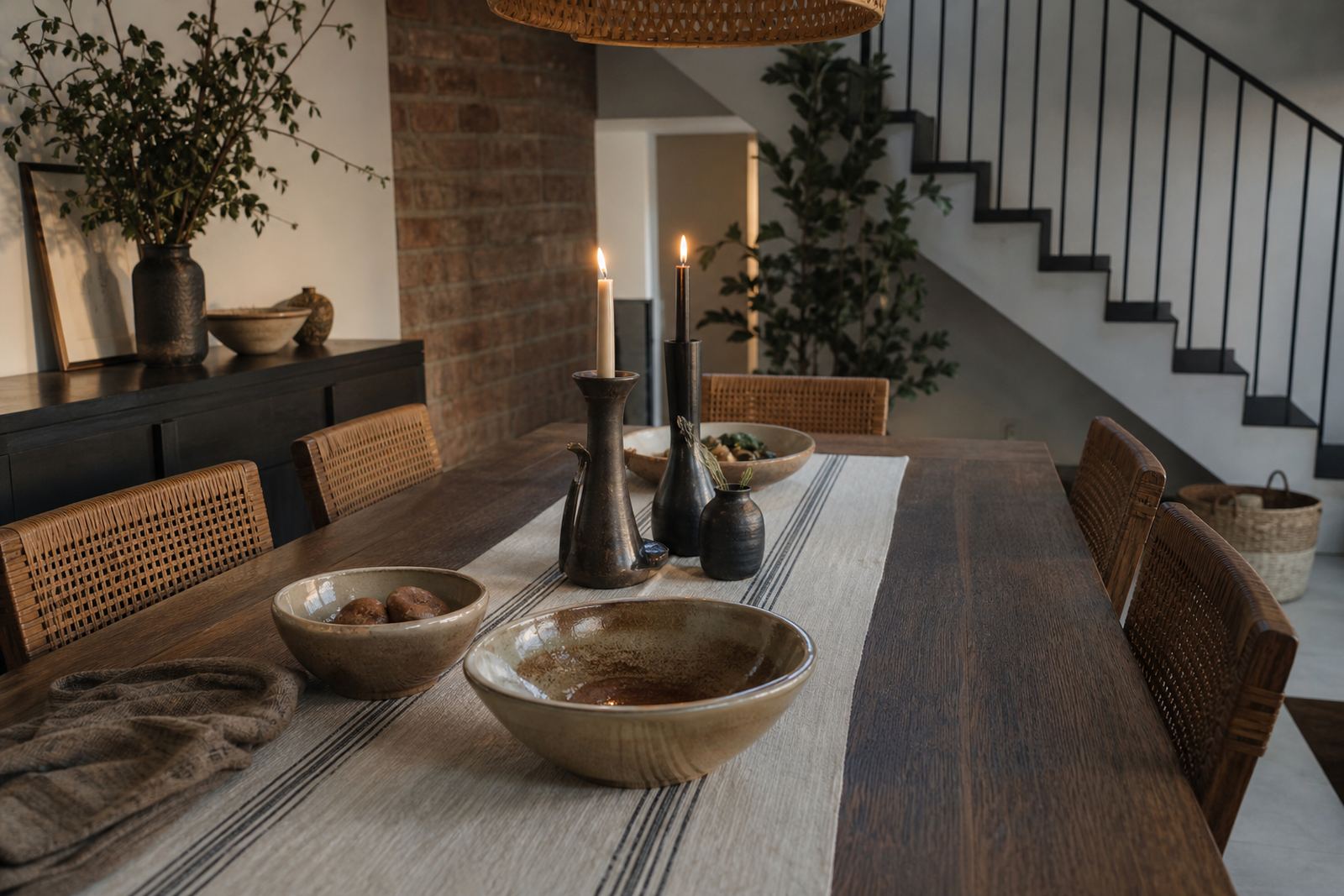
Each story gives a closer look at how a piece sits in a room, how it pairs with everyday use and what to notice in the finish. You will see whether the work leans more refined, earthy or tactile, and how that affects the way it feels on a table, shelf or bedside.
For many buyers, the best starting point is the room itself. A ceramic bowl for a dining table needs a different finish from a vase for a sunny windowsill, while a woven throw must suit both colour and texture already in the room. These stories help narrow the field without overcomplicating it.
- Look at scale first, especially for shelves, sideboards and compact flats
- Match glaze, grain or weave to the colours already in the room
- Choose practical care levels for daily use or display-only pieces
Ceramics for tables, shelves and guest rooms
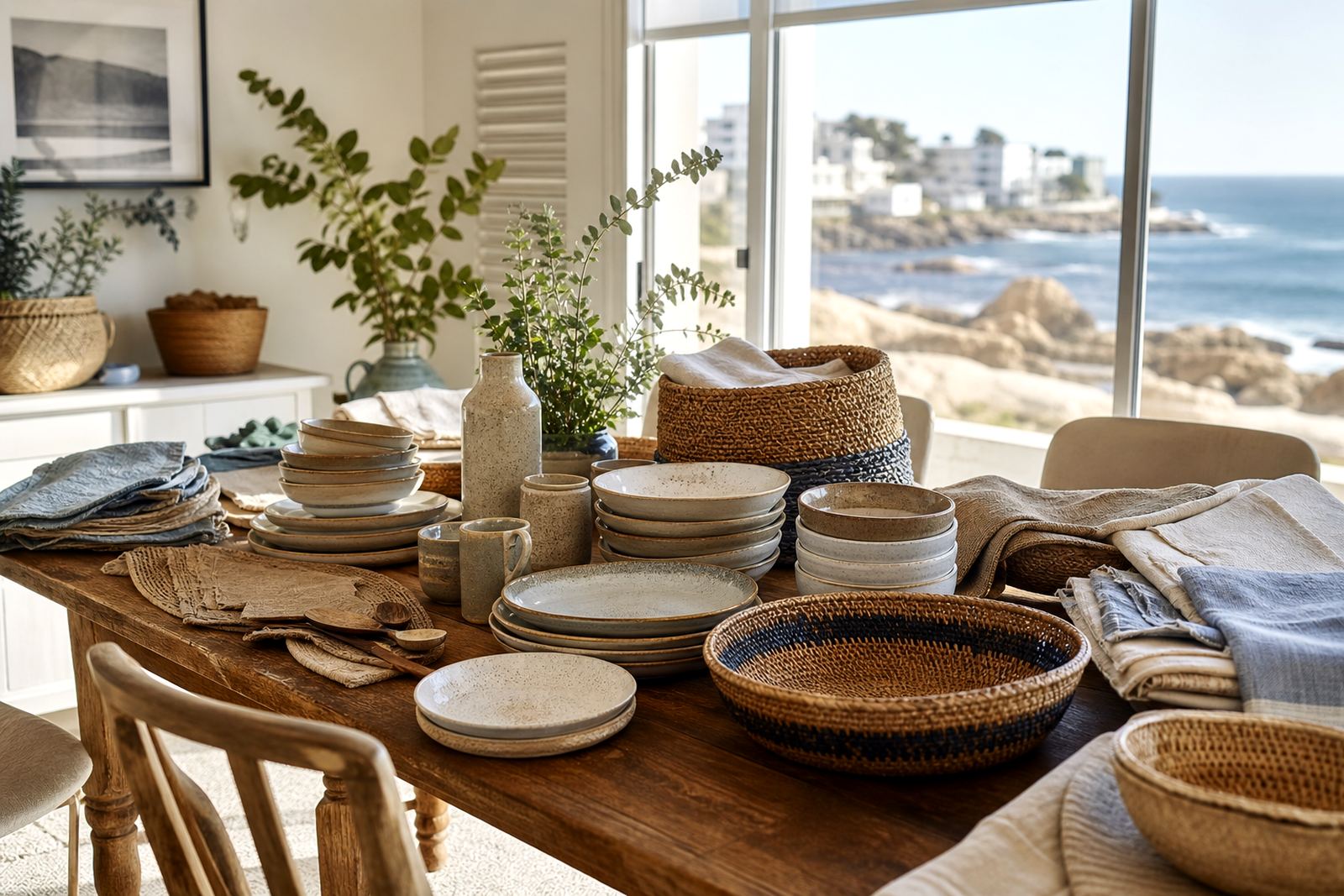
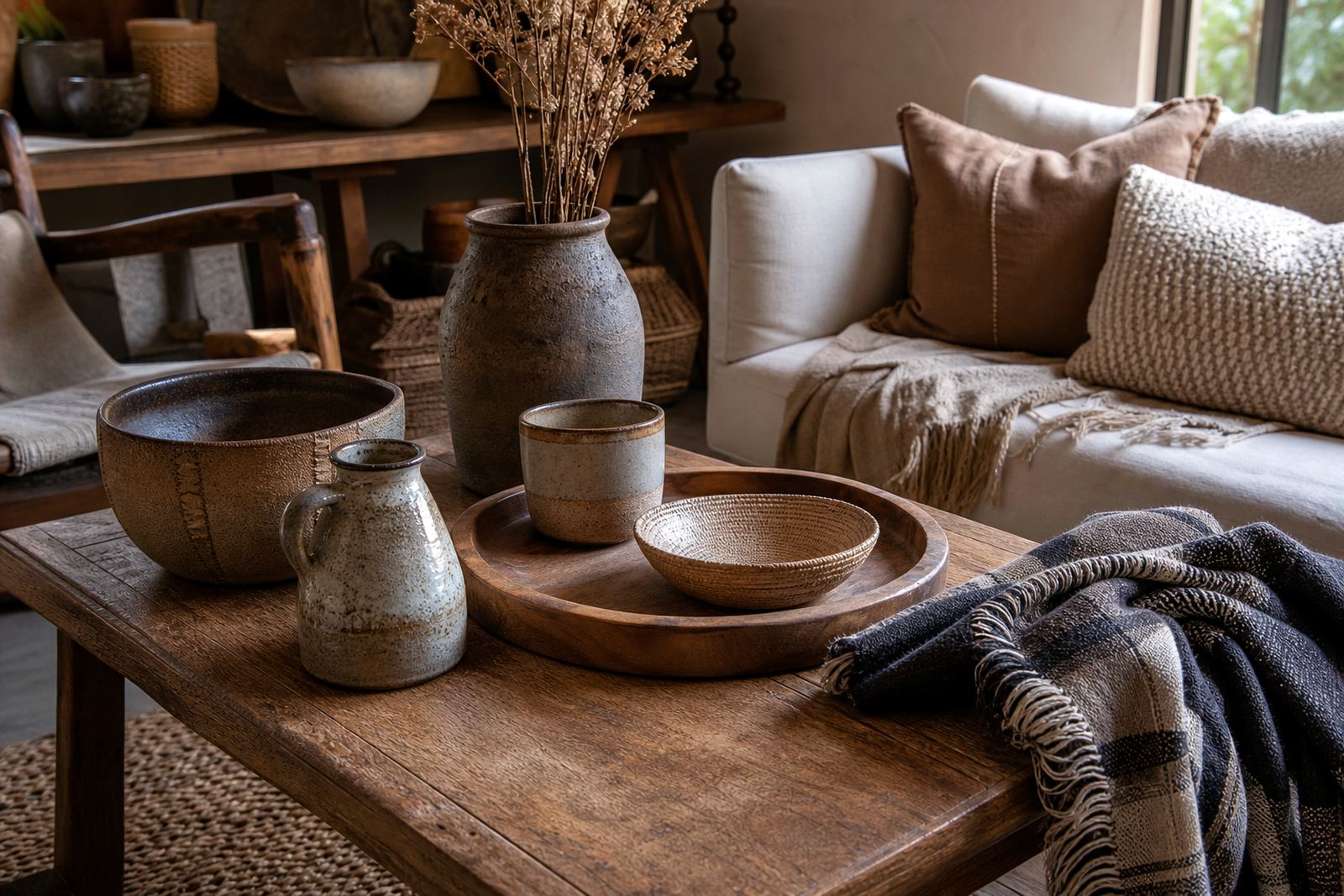
Handmade ceramics carry small signs of the maker’s hand, which is part of their appeal. Slight variation in shape, speckling or glaze movement is normal and gives each piece its own character. In coastal homes, unglazed or lightly finished surfaces may need a little more care if they sit in humid rooms or near open windows.
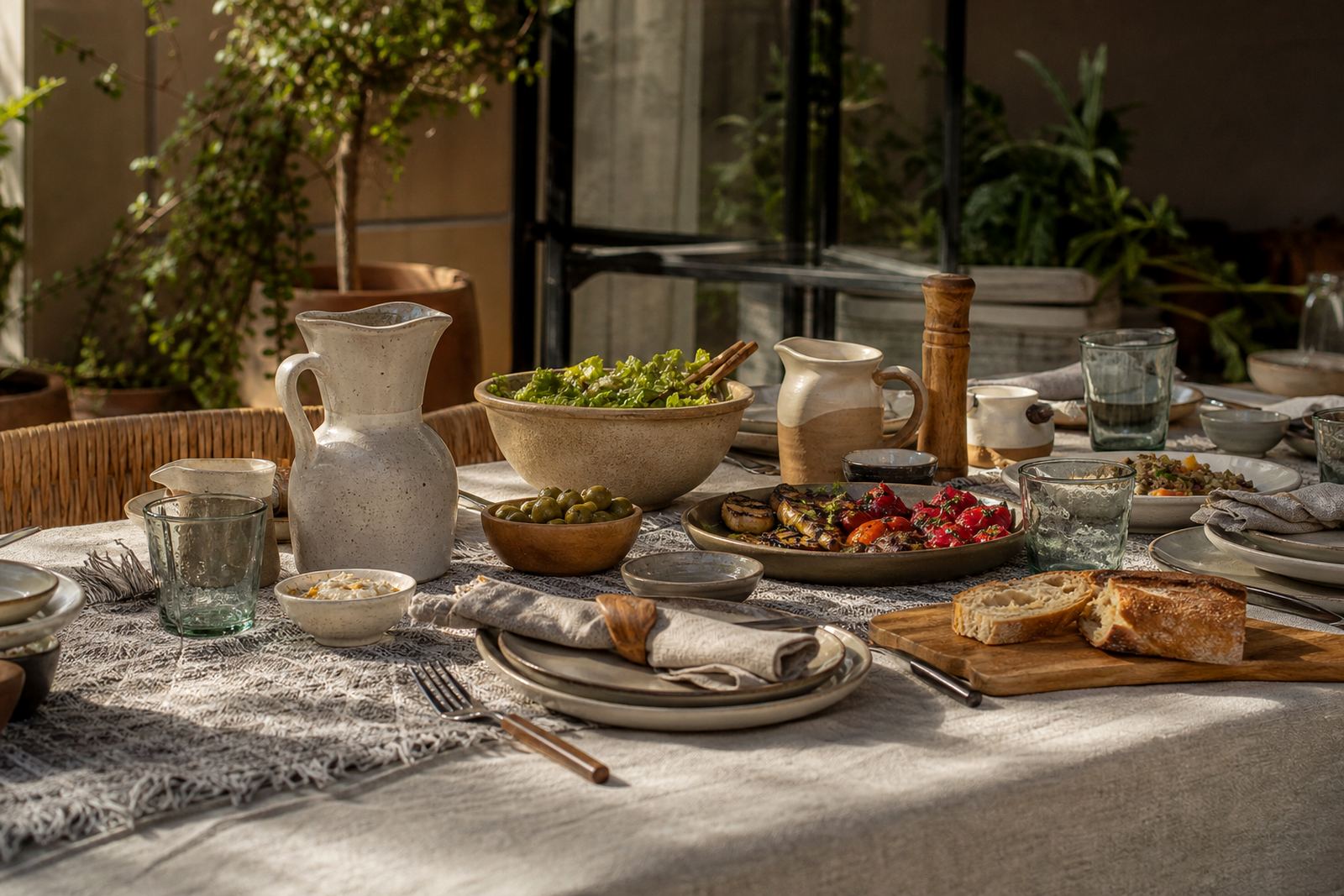
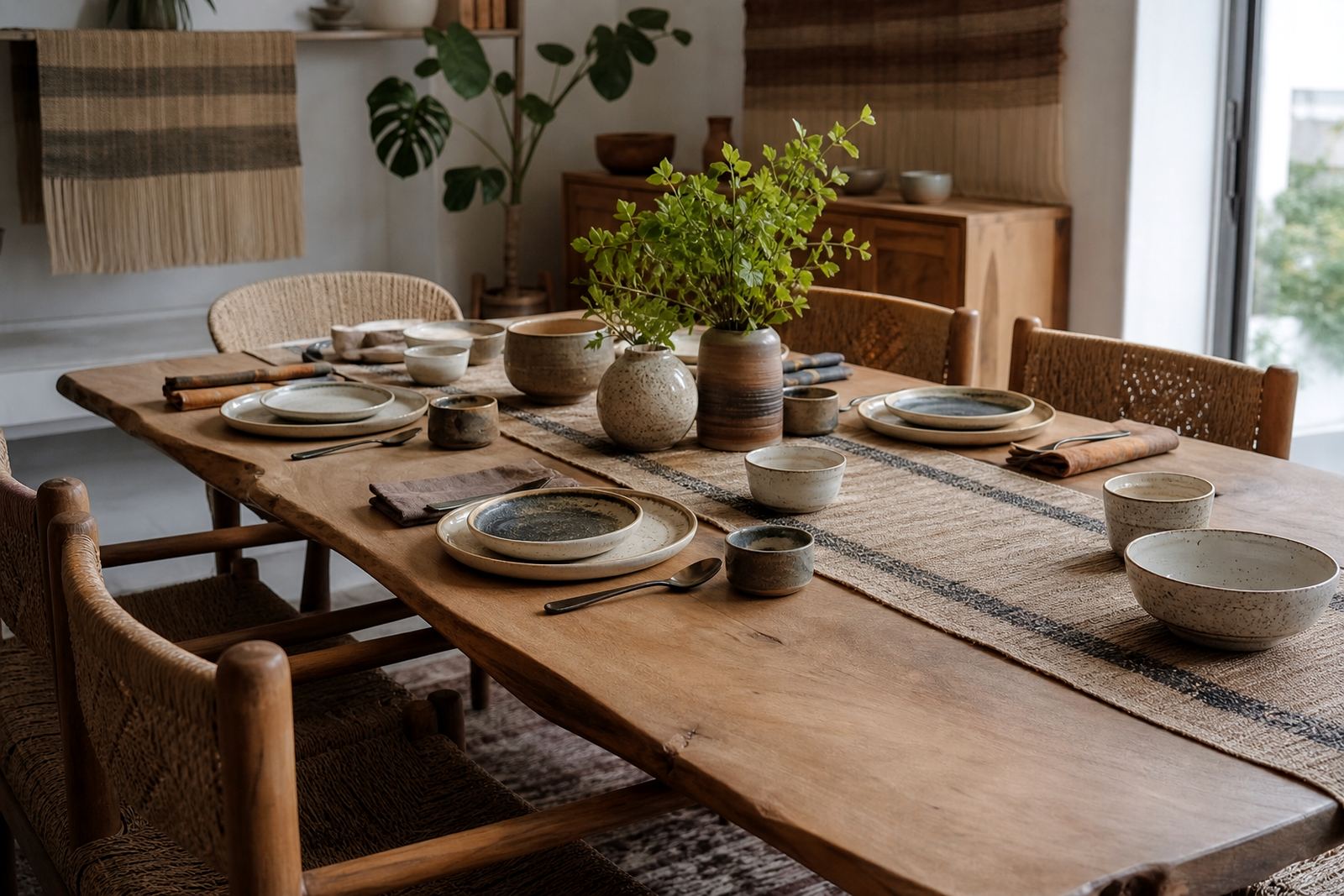
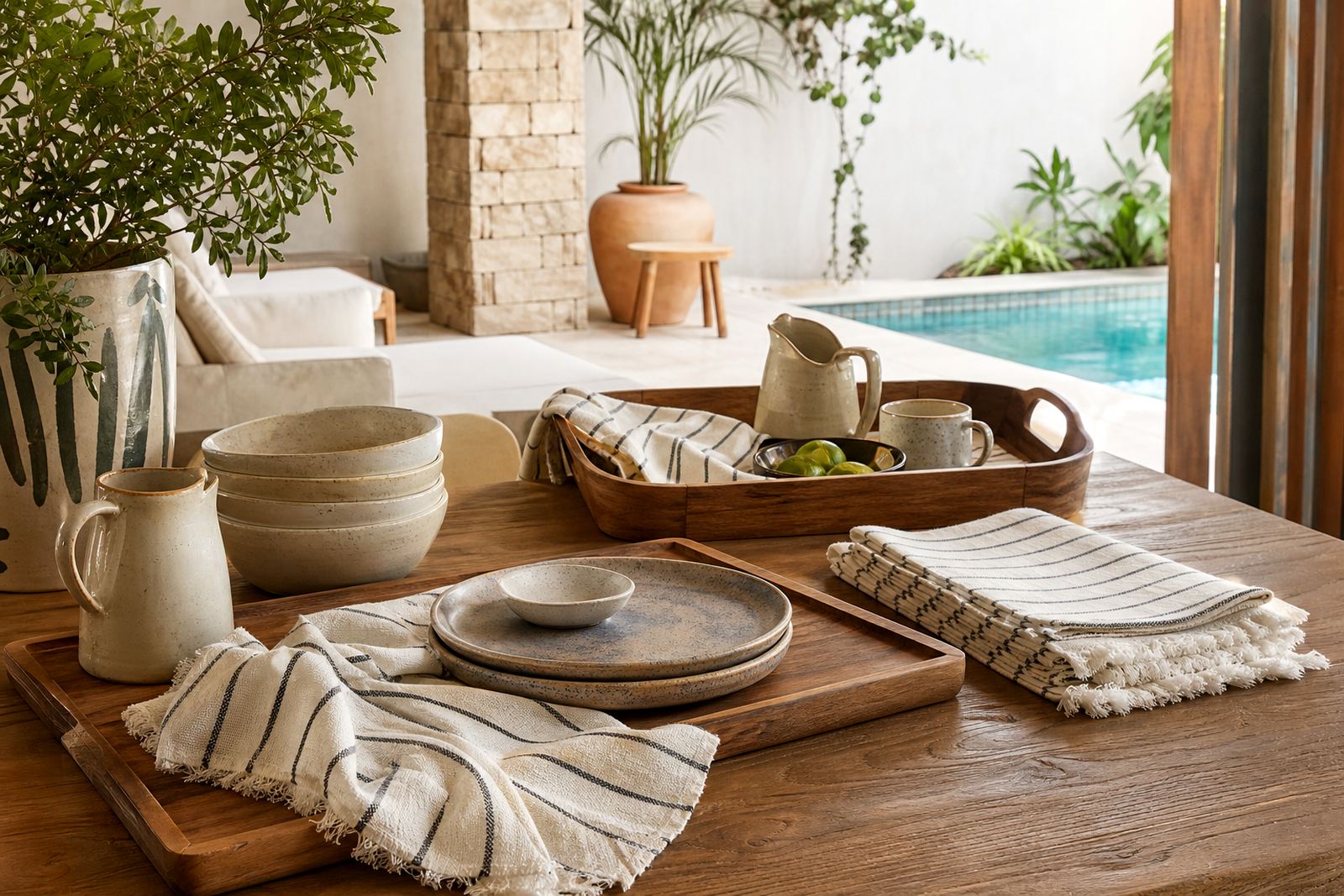
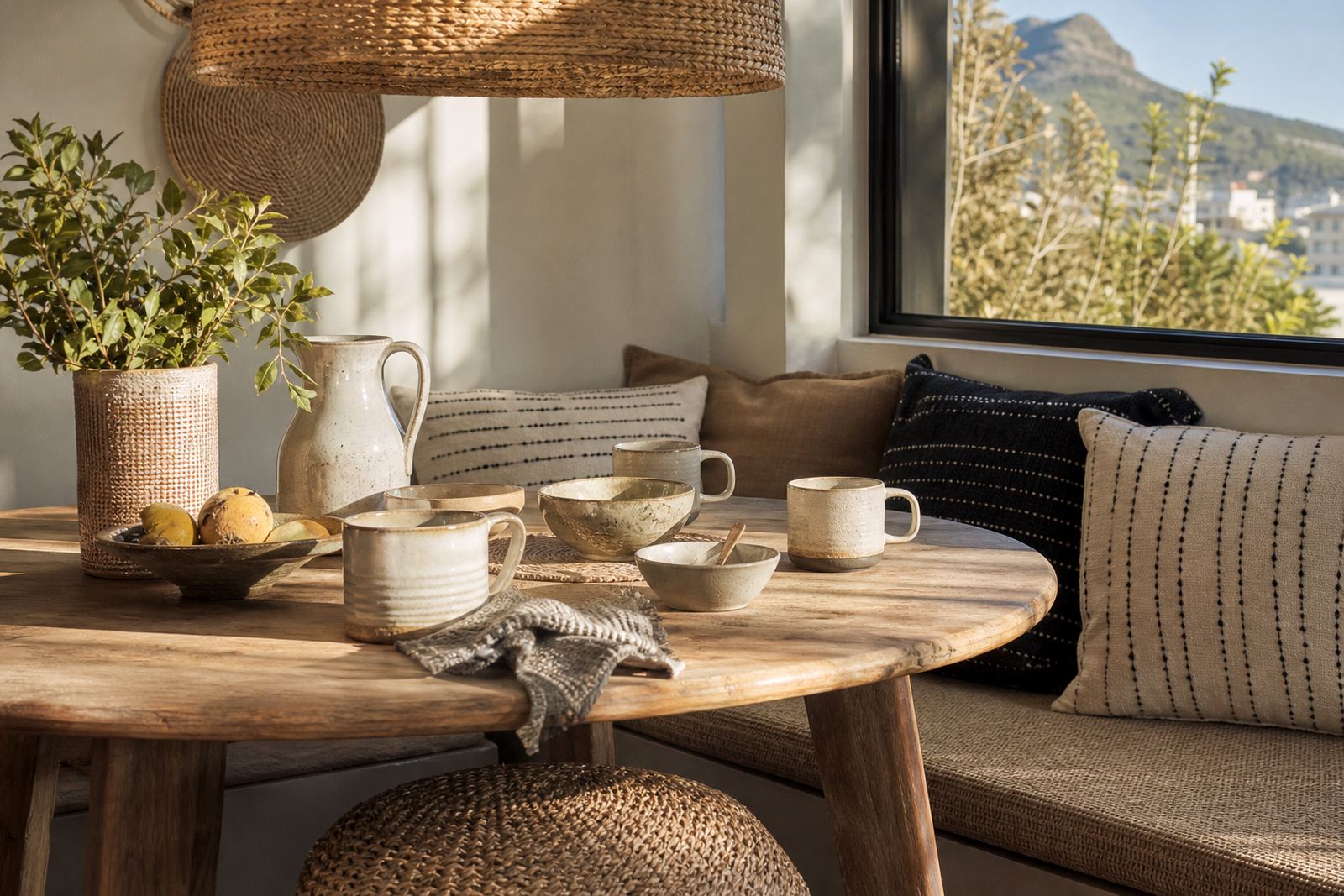
Stories featuring ceramics often focus on table settings, serving pieces and decorative vessels. A matte bowl can soften a modern interior, while a glazed mug set or jug brings a brighter note to a kitchen or guest room. If a piece is intended for serving, check whether it suits warm or cold use and whether it is best handled gently after washing.
- Good for fruit bowls, serving dishes, mugs and bedside jugs
- Wash by hand where the finish is delicate or textured
- Store with space between pieces to avoid chips and scratches
Textiles that finish a room without crowding it
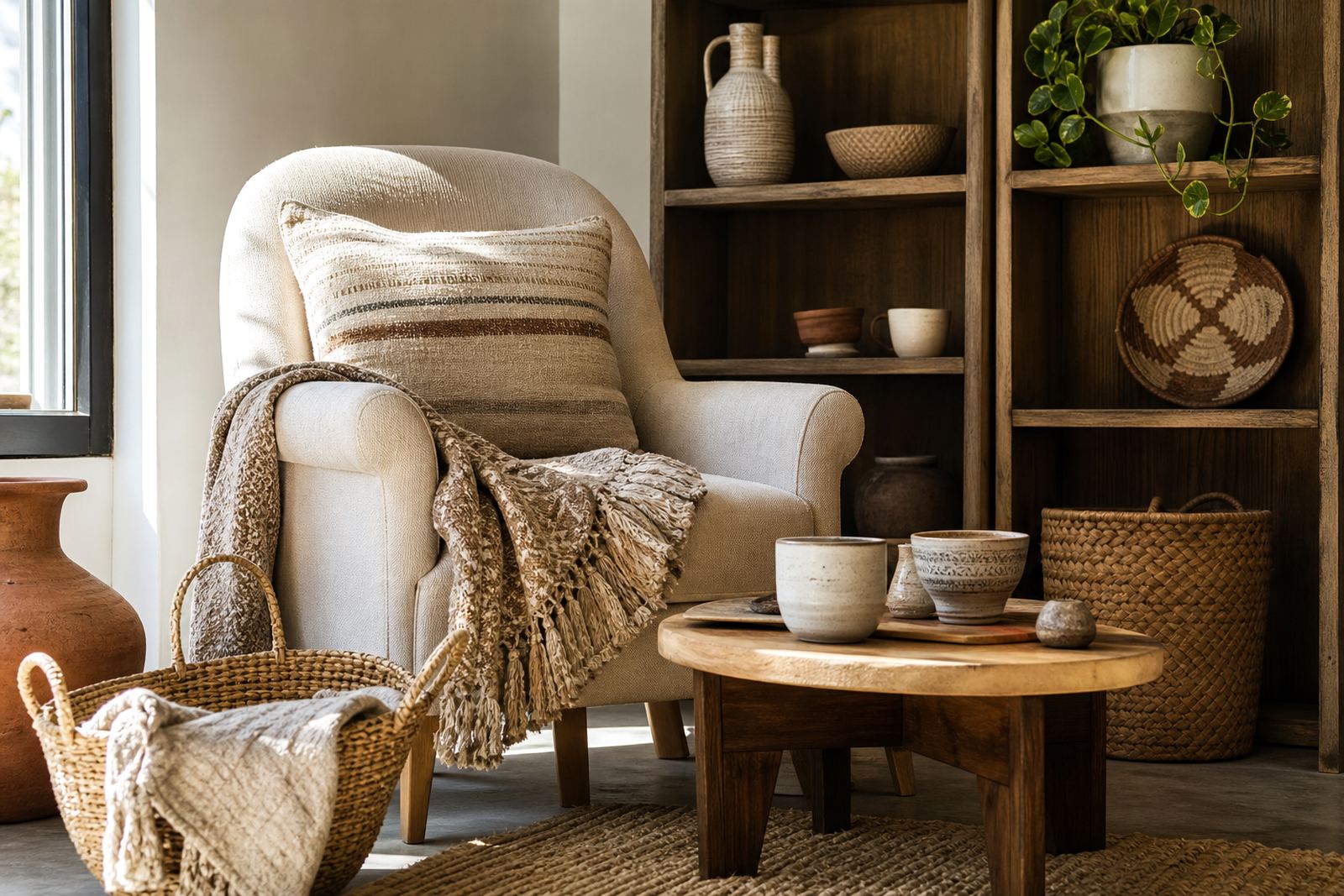
Textiles are often the easiest way to change the feel of a room because they add colour, line and softness without moving furniture around. Woven runners, cushion covers, napkins and throws can make a dining area feel more settled, or help a guest room feel ready without adding clutter.
Natural fibres tend to age well, though they may crease or soften with use. Dye depth can vary from batch to batch, especially in hand-finished cloth, so the best choice depends on whether you want a matched set or a more relaxed look. For busy households, darker tones and tighter weaves can be practical, while lighter weaves work well in low-traffic spaces.
- Choose cotton, linen or blended fabrics for different levels of texture and drape
- Use cushion covers and runners to shift a room’s mood with less effort
- Check washing guidance before selecting pieces for daily family use
Wood pieces with warmth and everyday weight
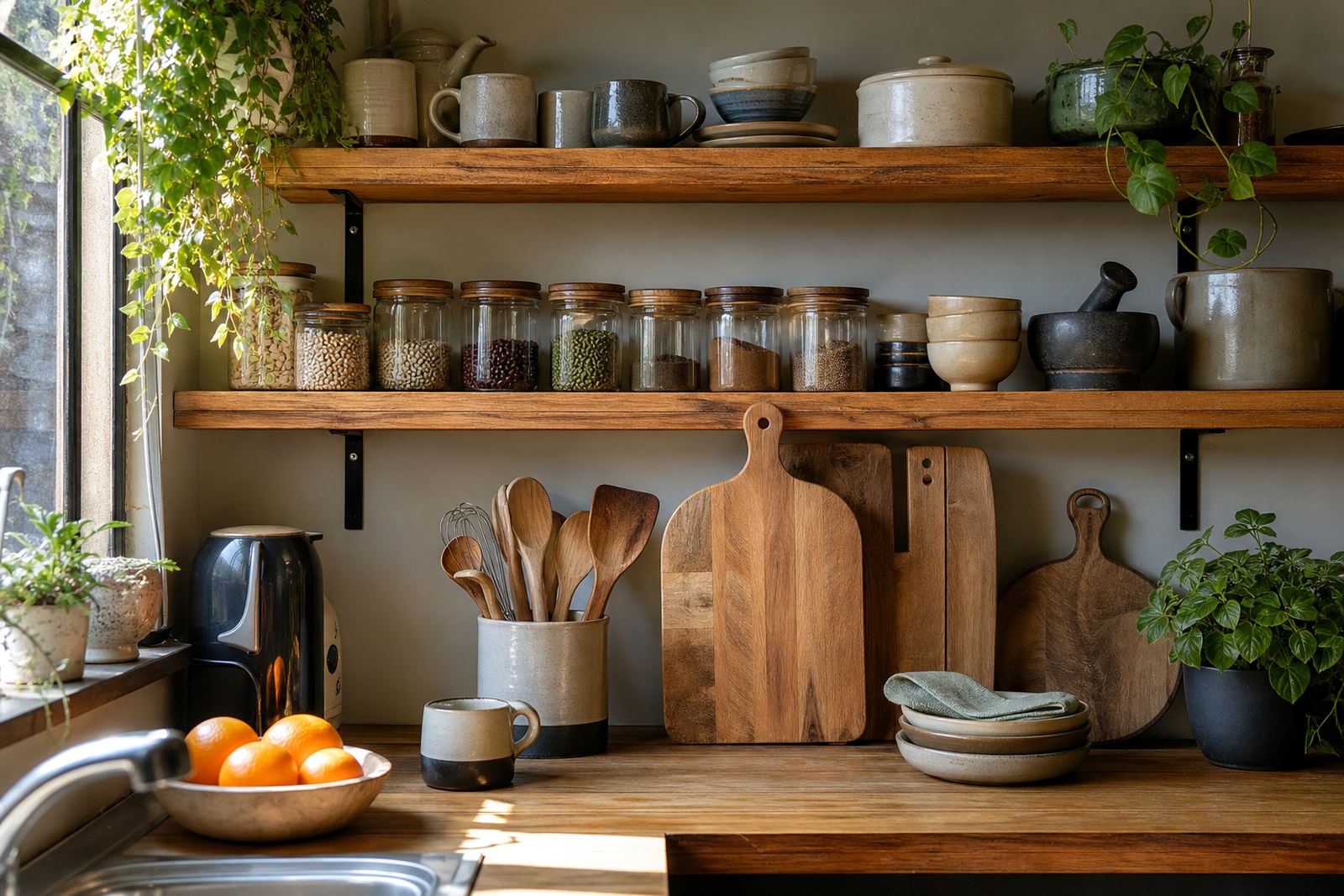
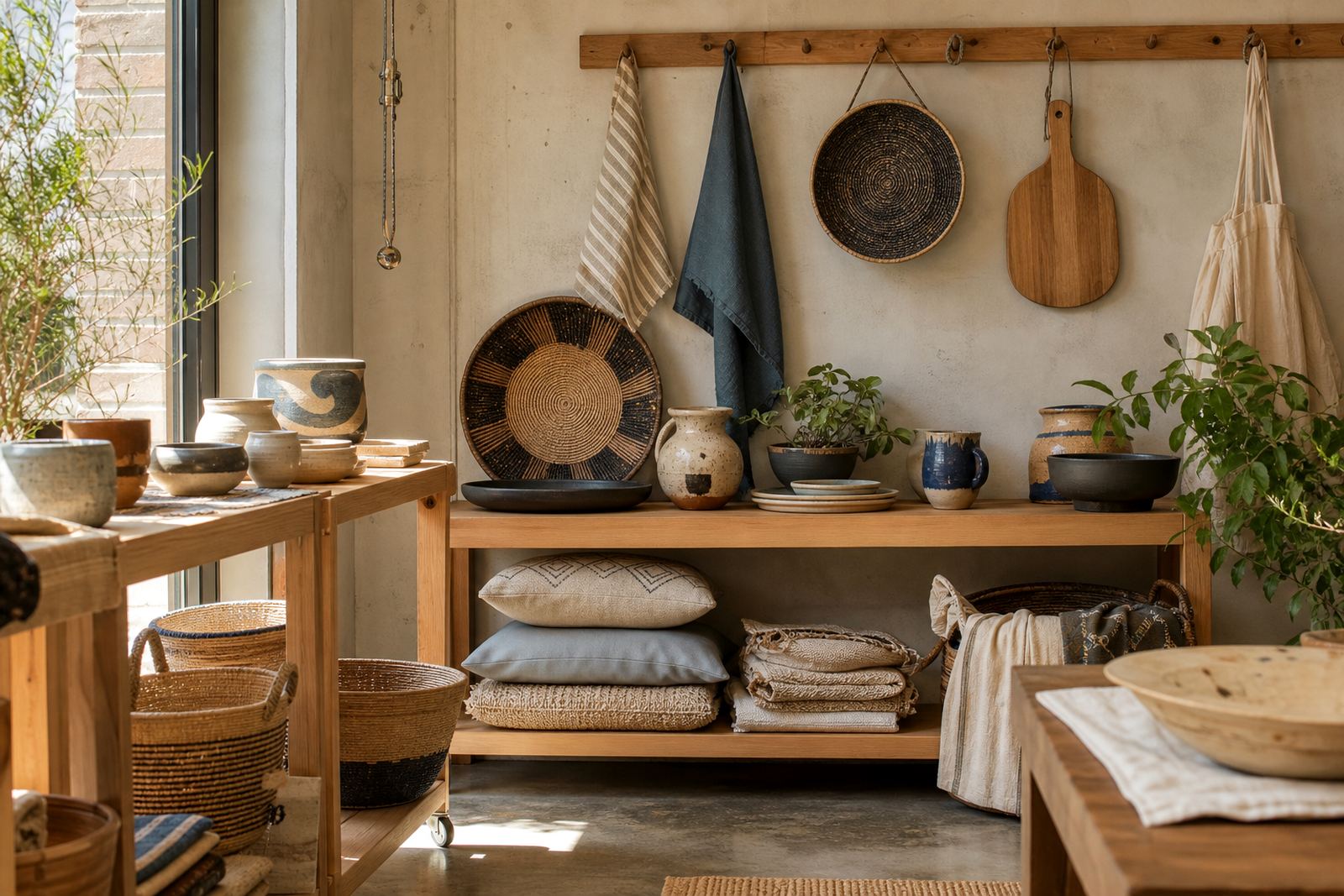
Wood adds warmth, grain and a steady visual base to a room. In maker stories, wooden trays, boards, boxes and small objects often appear in kitchens, entryways and shelves where a natural finish can balance ceramics and textiles. Grain pattern, edge detail and surface treatment all change the final look, even when the form is simple.
Wooden homeware is best kept away from standing water and harsh cleaning products. A light oil finish may need occasional attention, while sealed pieces are usually easier to wipe down after serving. In hotter inland towns and humid coastal areas, it helps to store wood in a dry place and avoid long exposure to direct sun.
- Useful for serving, display and quiet storage
- Keep dry and wipe spills promptly to protect the grain
- Expect natural changes in colour and texture over time
Decor pieces for gifting and final touches
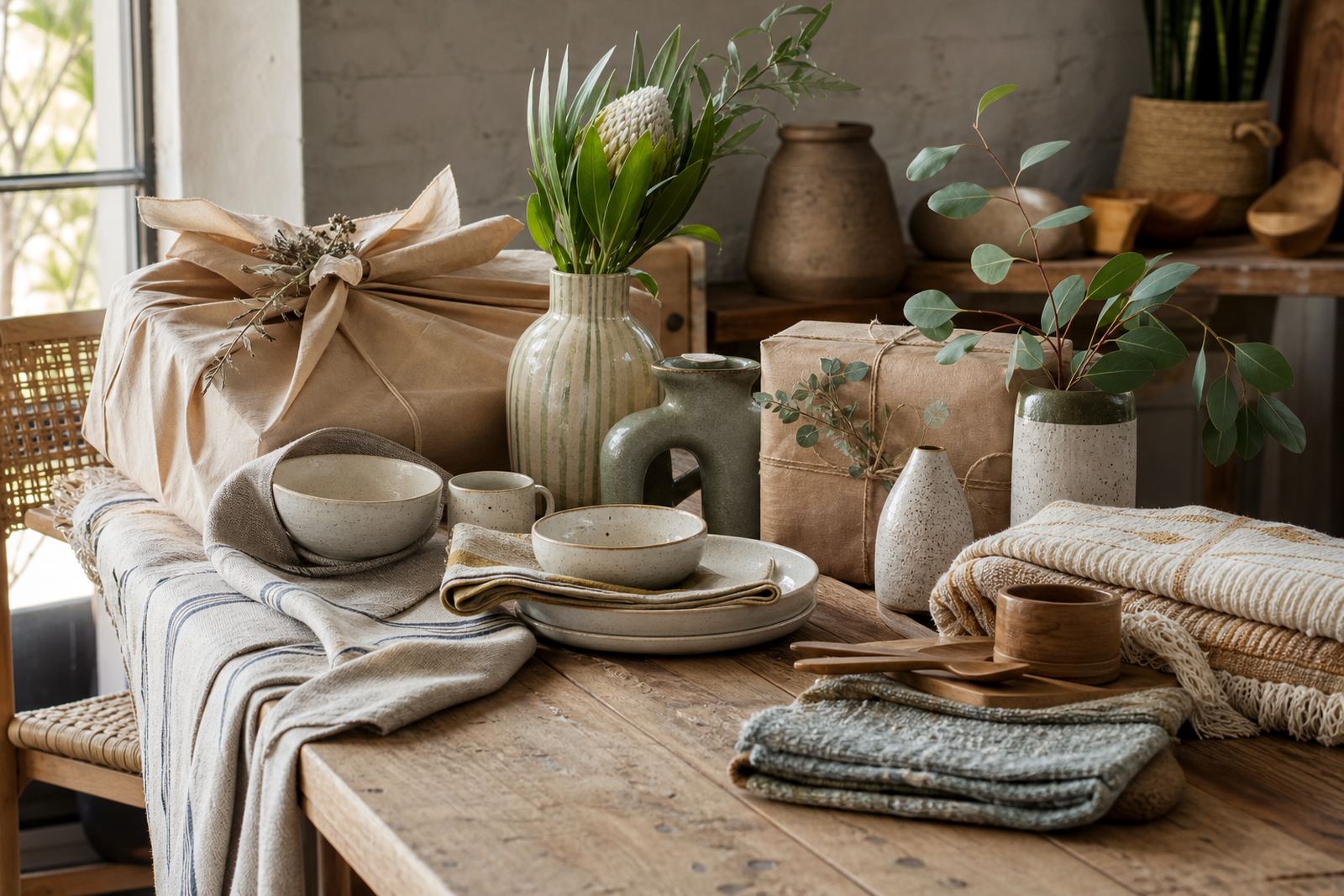
Decor pieces do the work of finishing a room, especially when the larger items are already in place. Small sculptures, vases, wall pieces and table objects can bring balance to a shelf or side table, while also making thoughtful gifts for housewarmings, weddings and corporate sets.
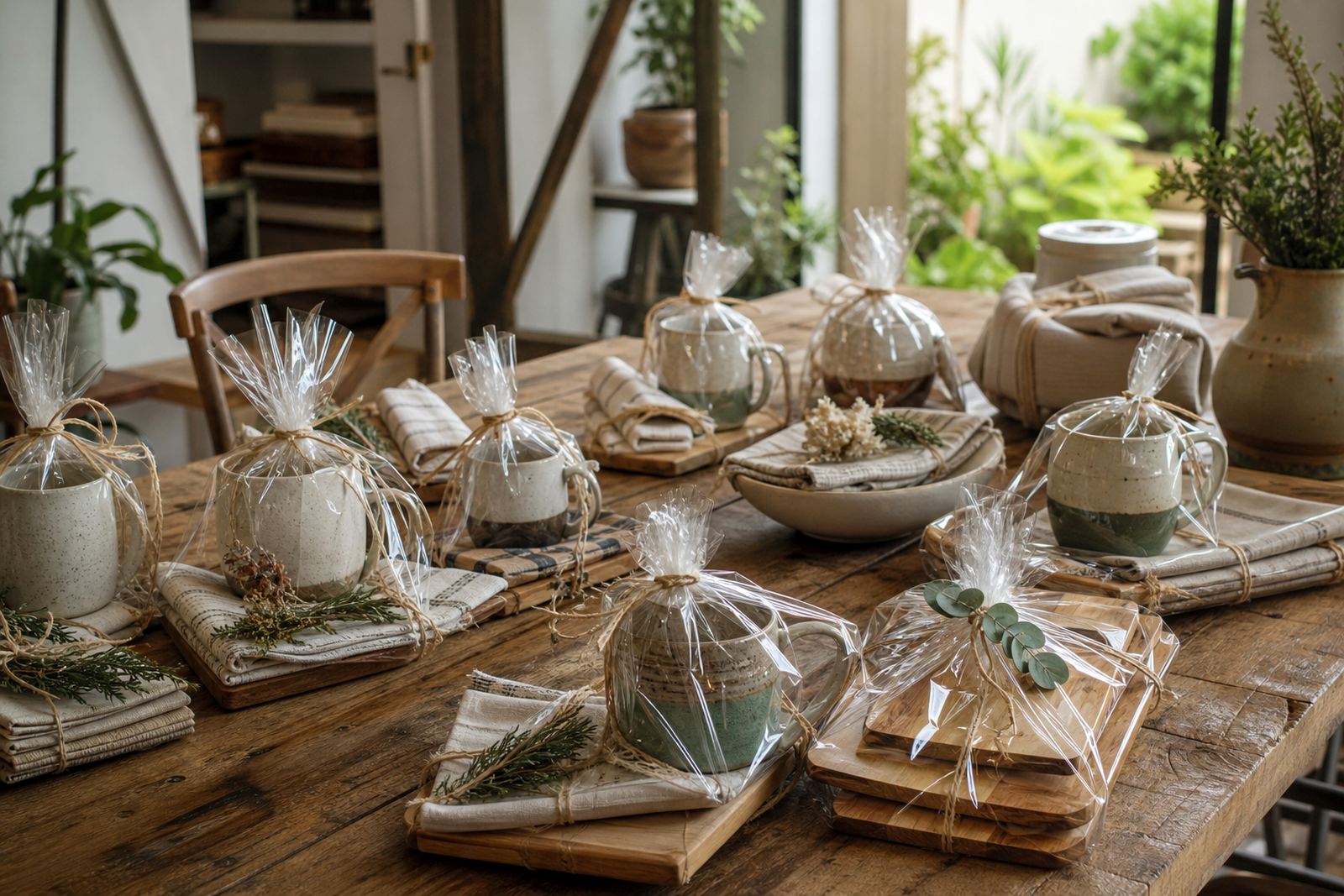
When choosing decor as a gift, think about the receiver’s home rather than only the item itself. A neutral vase suits most rooms, while a stronger colour or texture works when you know the setting well. Gift notes, wrapping and custom bundles make it easier to send something that feels considered without needing to build a full set from scratch.
- Good for entry tables, shelves, bedside areas and guest rooms
- Neutral tones are easier when the recipient’s style is unknown
- Mix a small decor item with a practical piece for better balance
Choosing by room, mood and maintenance
The easiest way to choose from Maker Stories is to start with the room and then work outward. A busy kitchen may need serviceable ceramics and easy-care textiles, while a quiet bedroom can handle more delicate finishes and softer colour. If you are shopping for delivery to Cape Town, Johannesburg, Durban, Pretoria or Stellenbosch, this approach helps you narrow the range without second guessing every detail.
Think about the amount of handling the item will get, the light in the room and whether it must travel safely as a gift. Some pieces are ideal for daily use, while others are better as display objects or occasional serving items. For businesses, guest spaces and gifting projects, a mixed bundle often gives the best result because it combines function with a more personal finish.
What these stories help you decide
Maker Stories is where the collection becomes easier to read. You can compare surface finish, colour, texture and practical care without treating every item the same way. The point is not to make the choice harder, but to show how a handmade piece behaves in a real room after it arrives.
Whether you are furnishing a flat in Woodstock, sending a gift to the Southern Suburbs or planning a larger order for an office team, these stories help you match the right material to the right use. That usually saves time later, and it leads to pieces that feel settled from the start.