

What belongs in a well chosen homeware piece
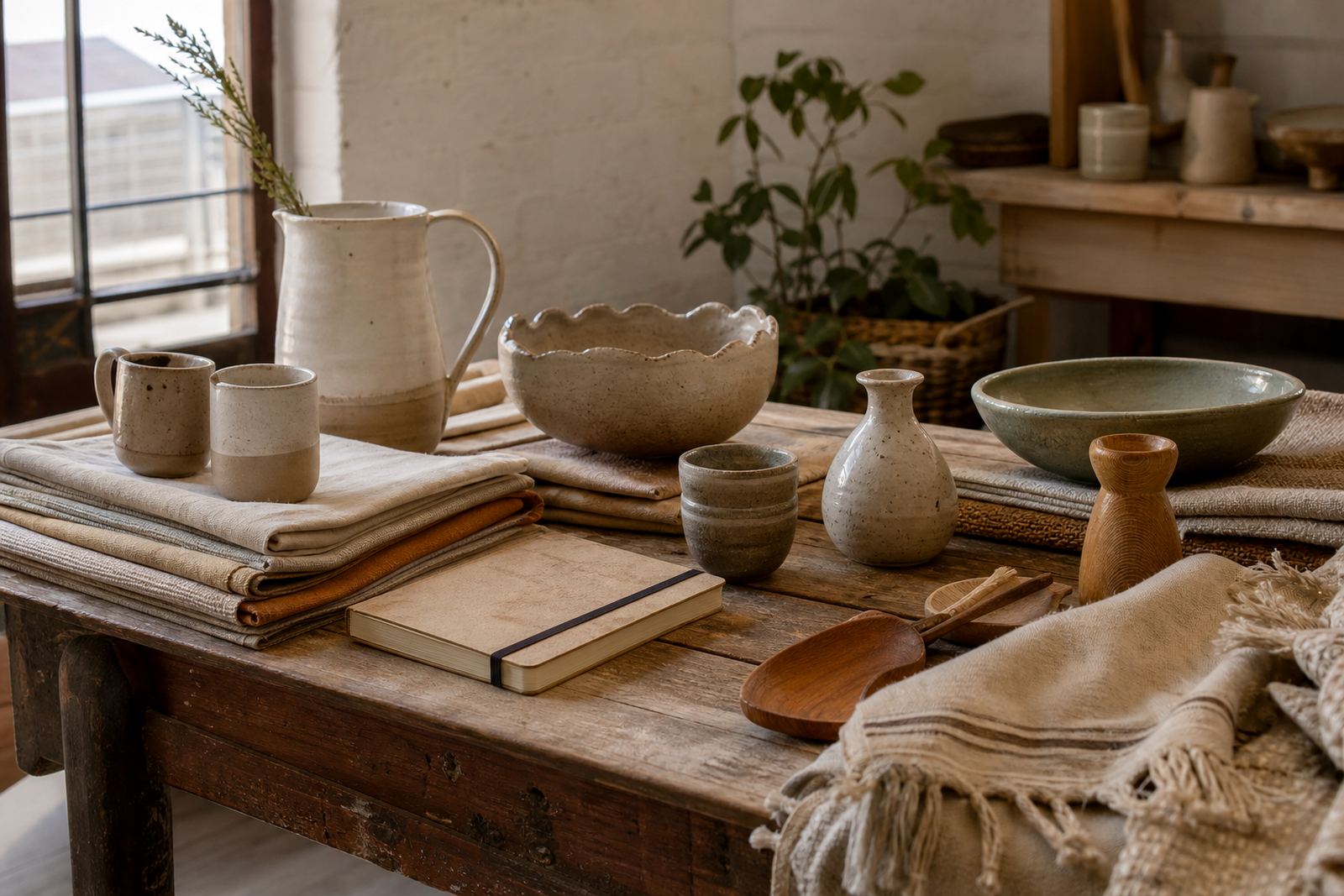
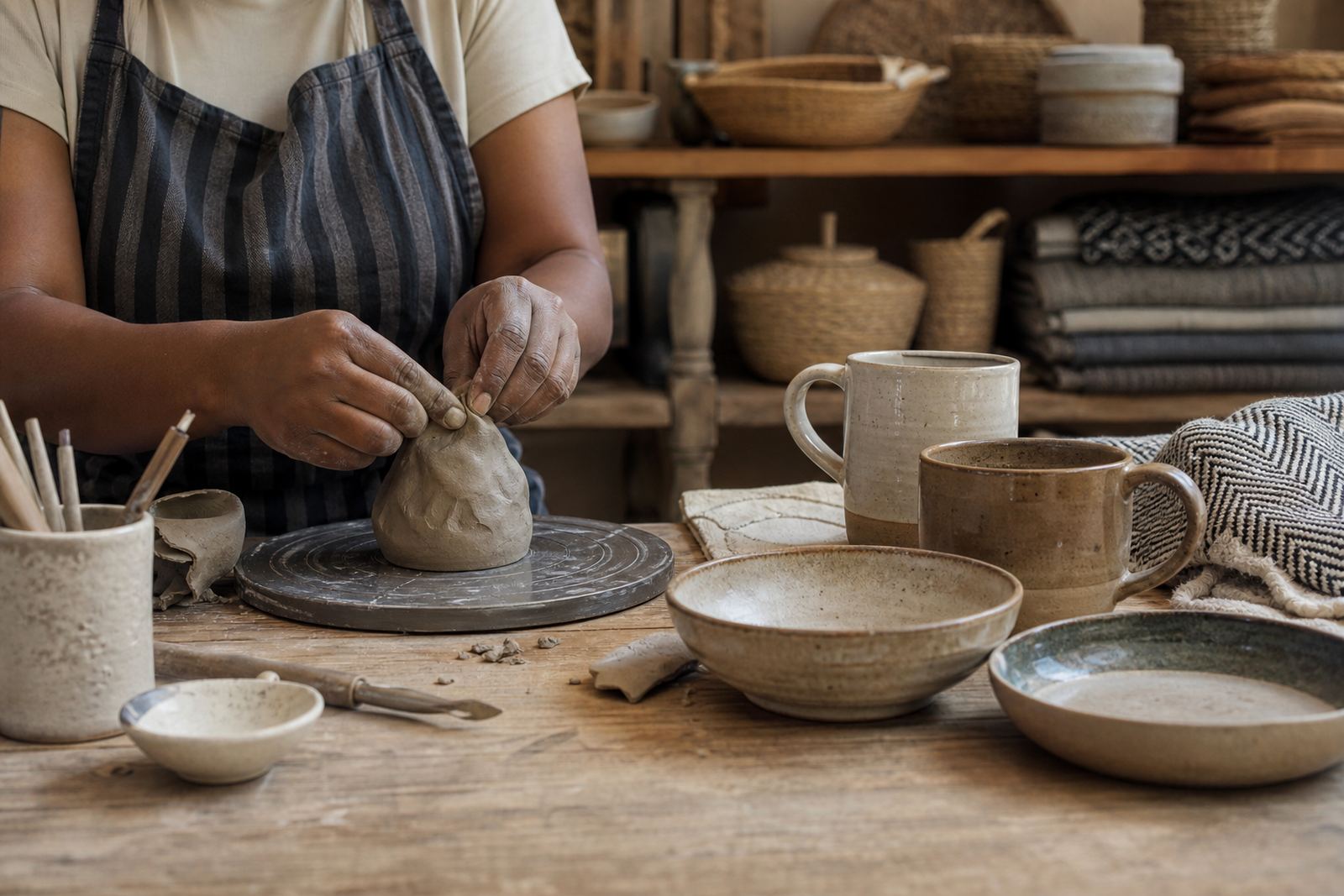
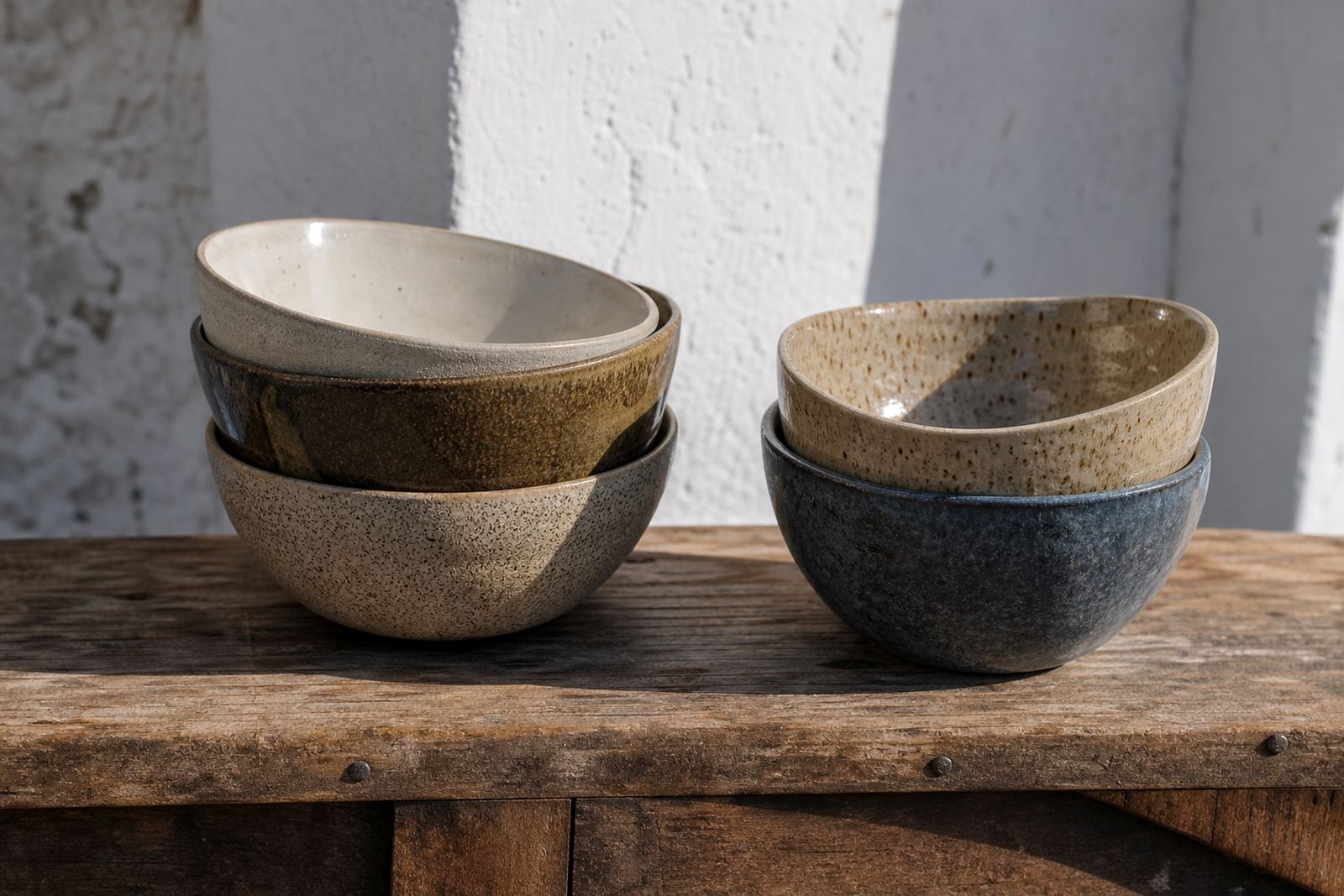
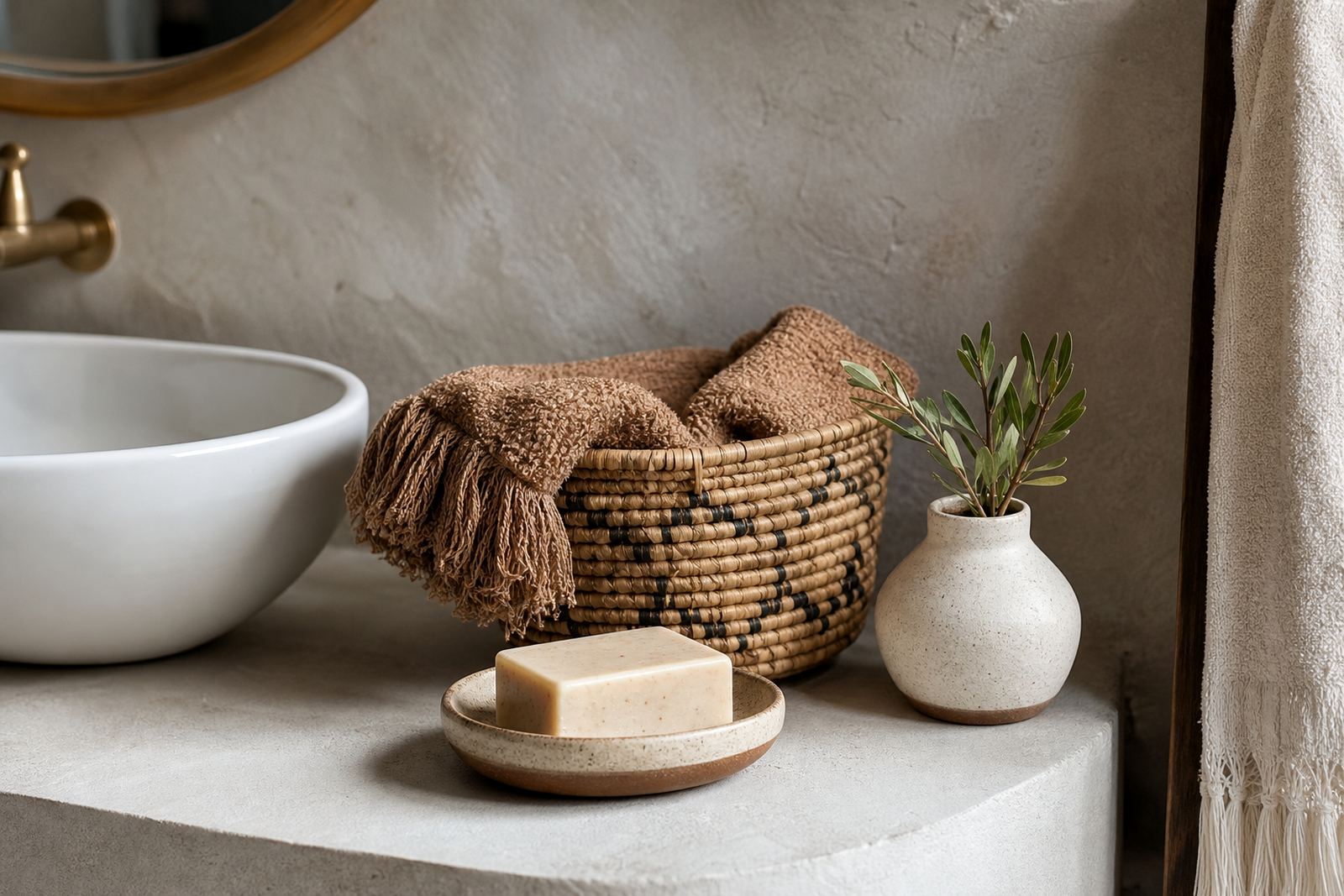
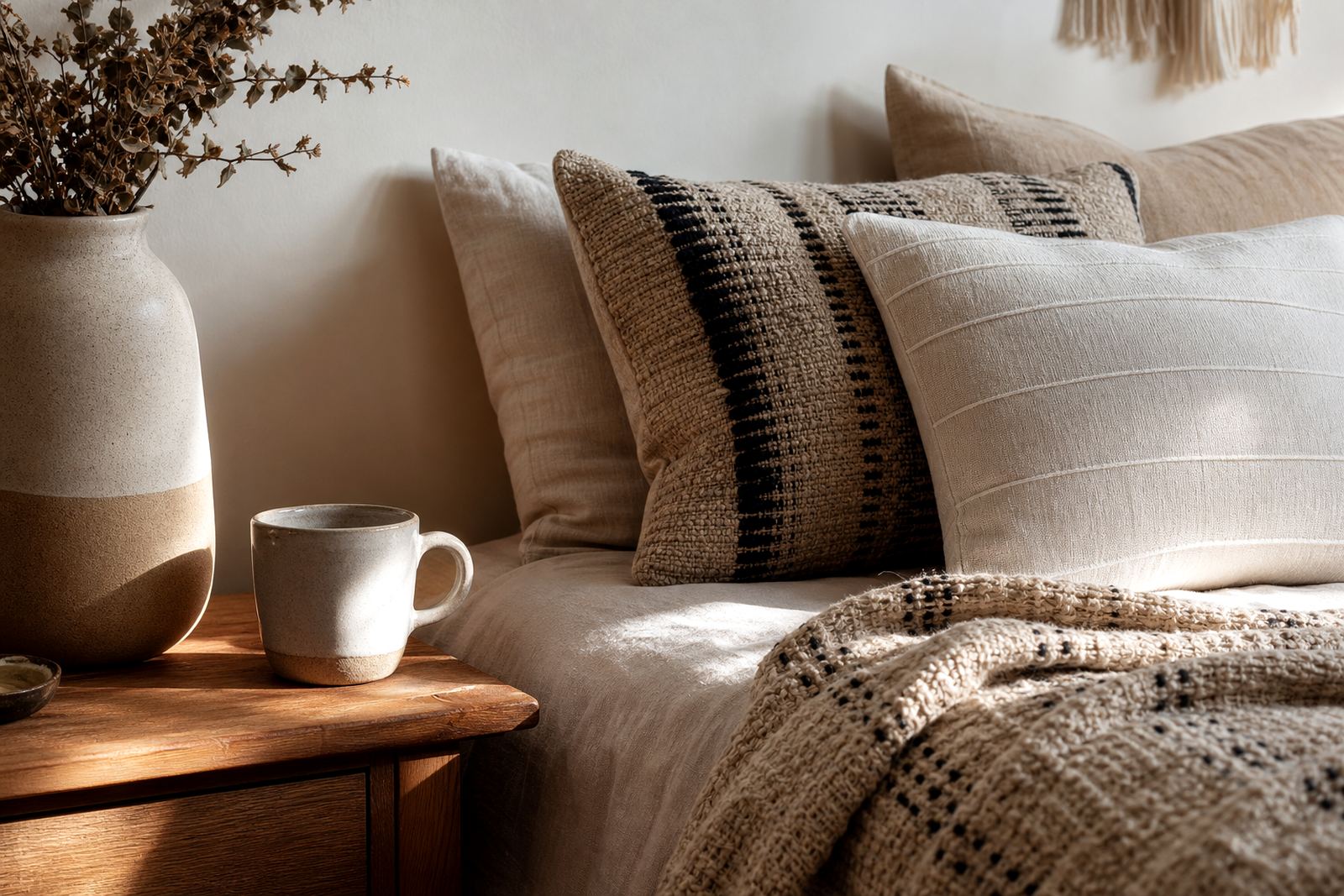
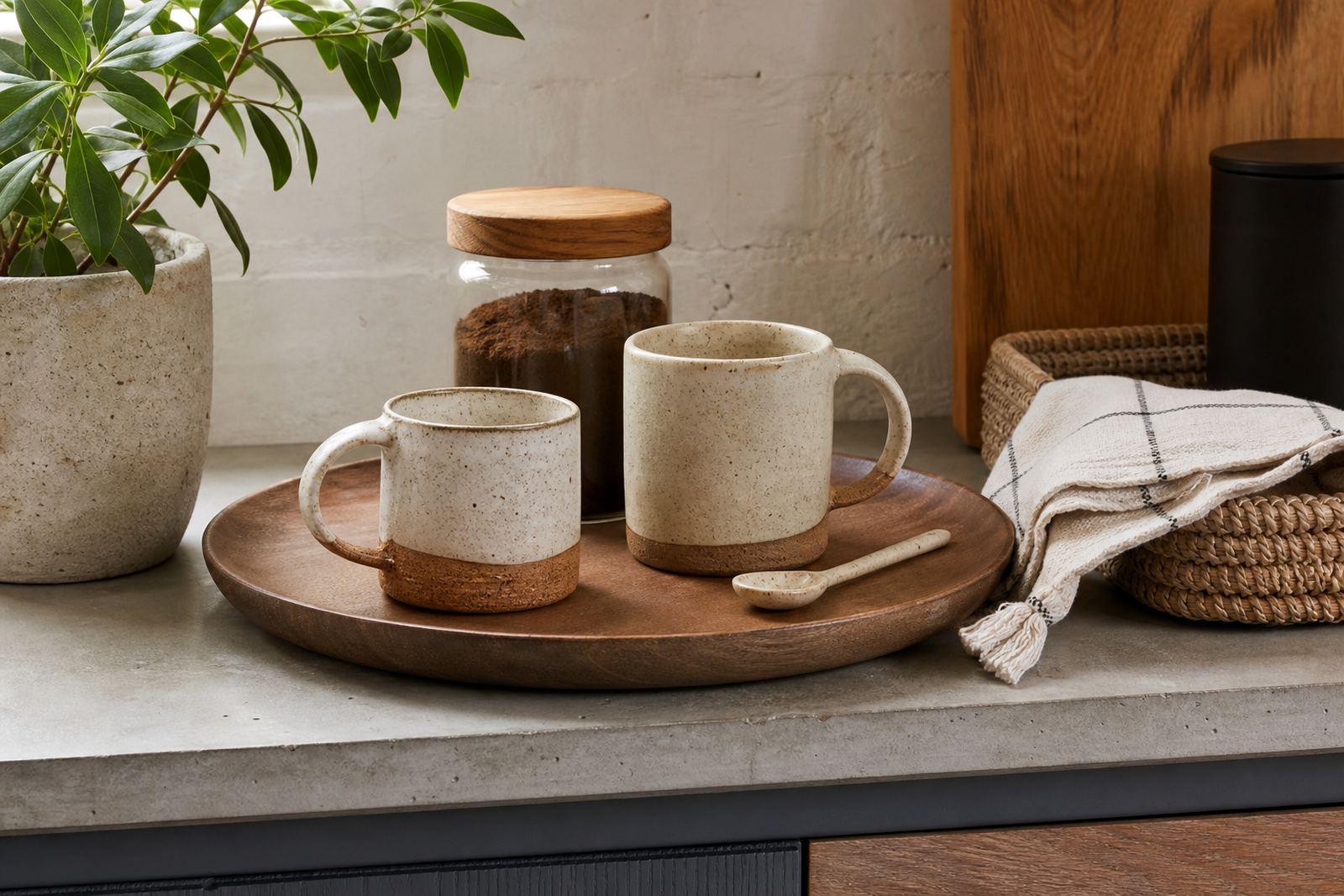
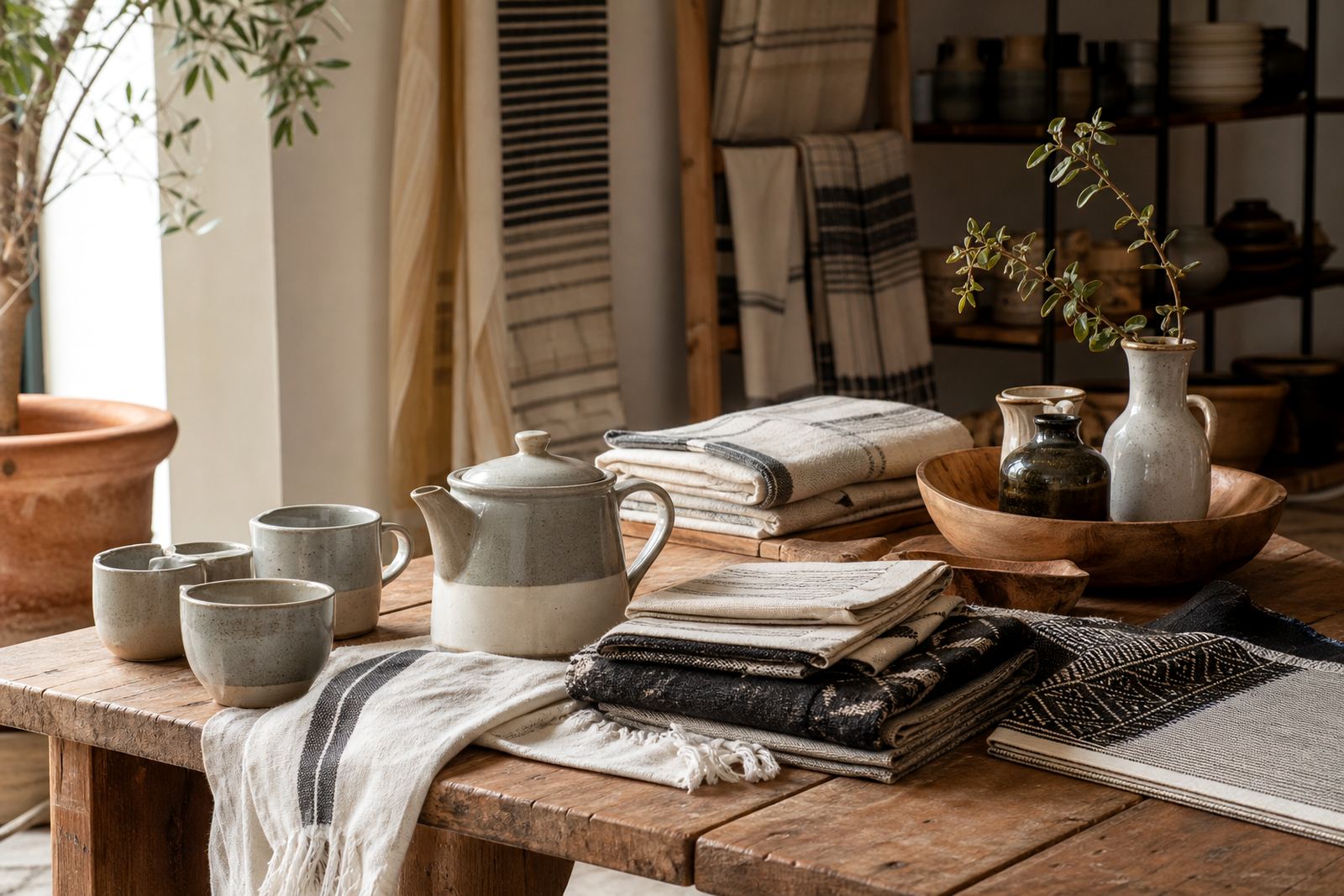
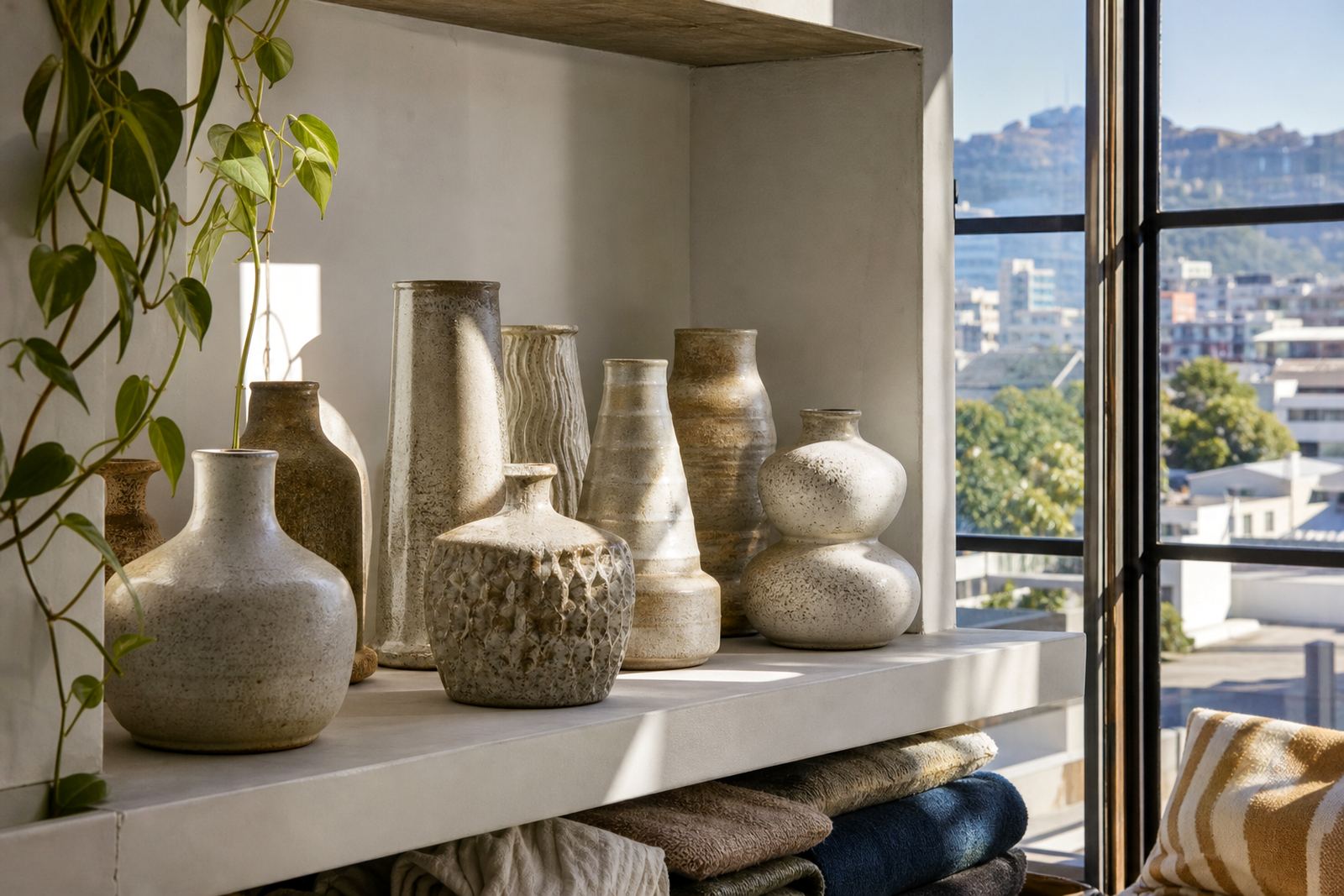
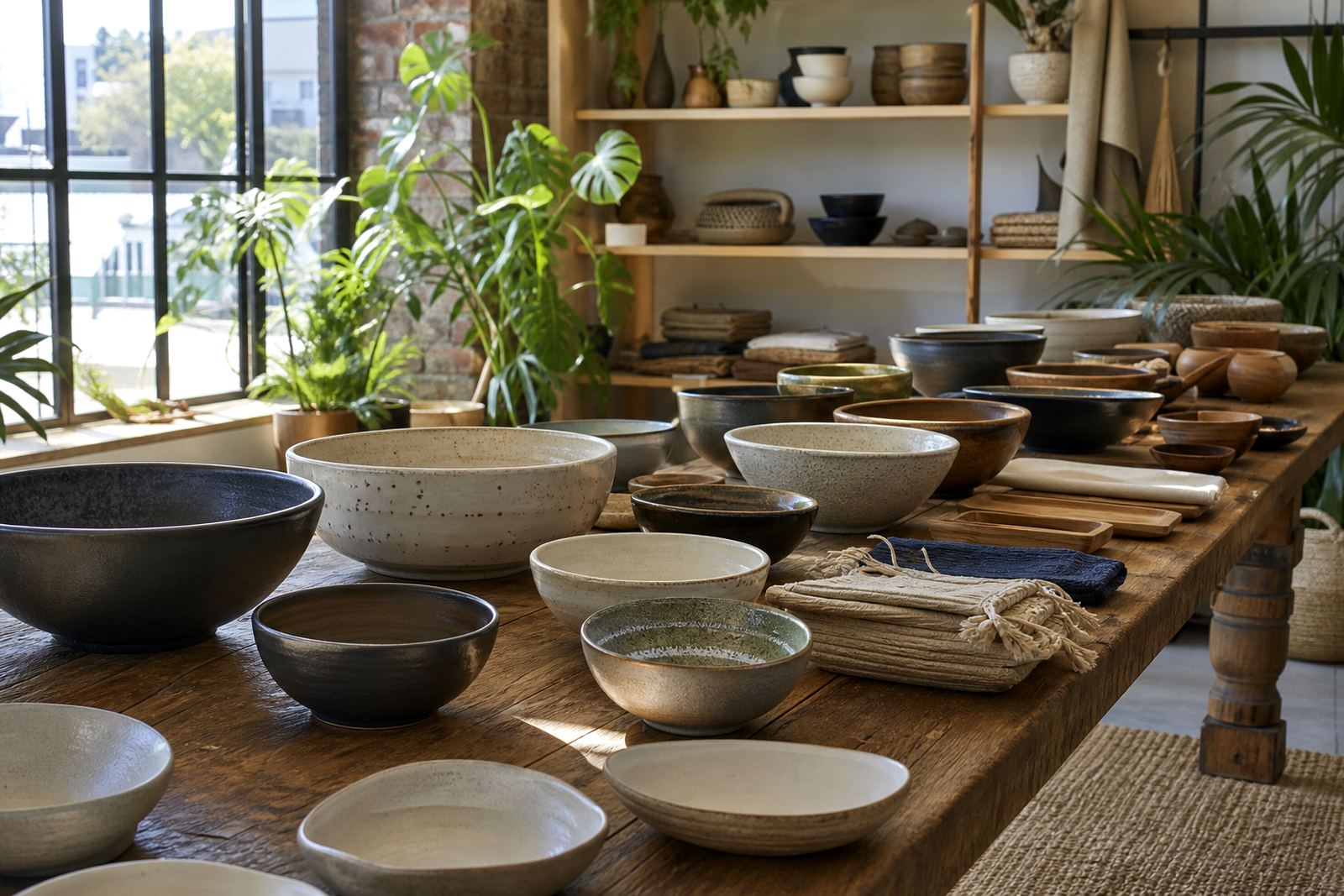
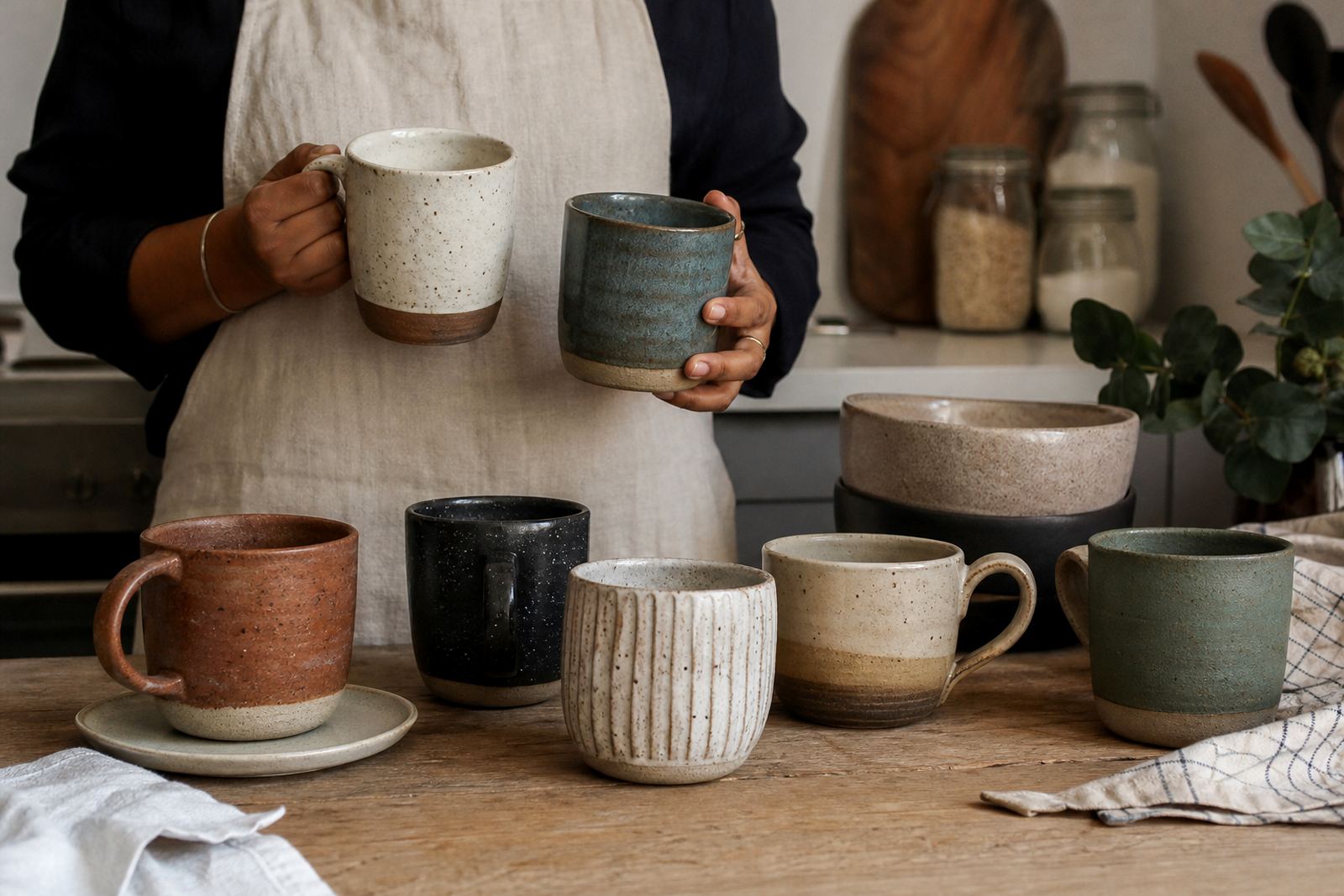
Handmade homeware has a different feel to factory made pieces because small changes in shape, glaze, weave or grain are part of the finish. In ceramics, look for weight, balance and a rim that feels comfortable in the hand. In textiles, check the weave, the drape and how the cloth holds its pattern after washing. With wood, the grain should read clearly and the joinery should sit neatly without rough edges.
When choosing pieces for a home in Cape Town, Johannesburg, Durban, Pretoria or Stellenbosch, think about where the item will live. Coastal humidity can affect some materials, while strong sun and everyday handling can change how colours and fibres age. The best choice is usually the one that matches the way you live, not just the look in a photograph.
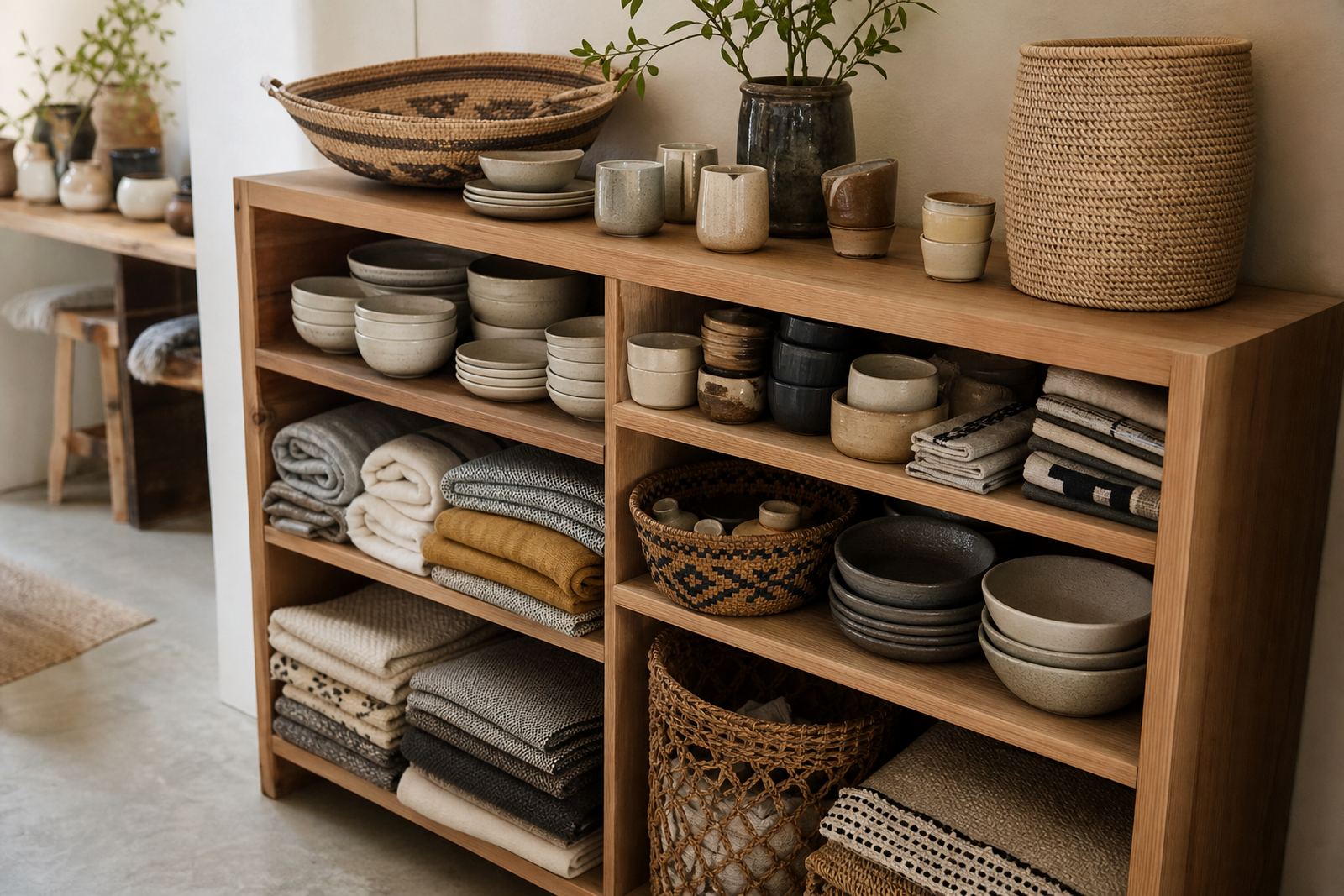
- Ceramics suit tables, shelves and daily serving when the glaze and base feel even.
- Textiles work well where you want warmth, colour and softer sound in a room.
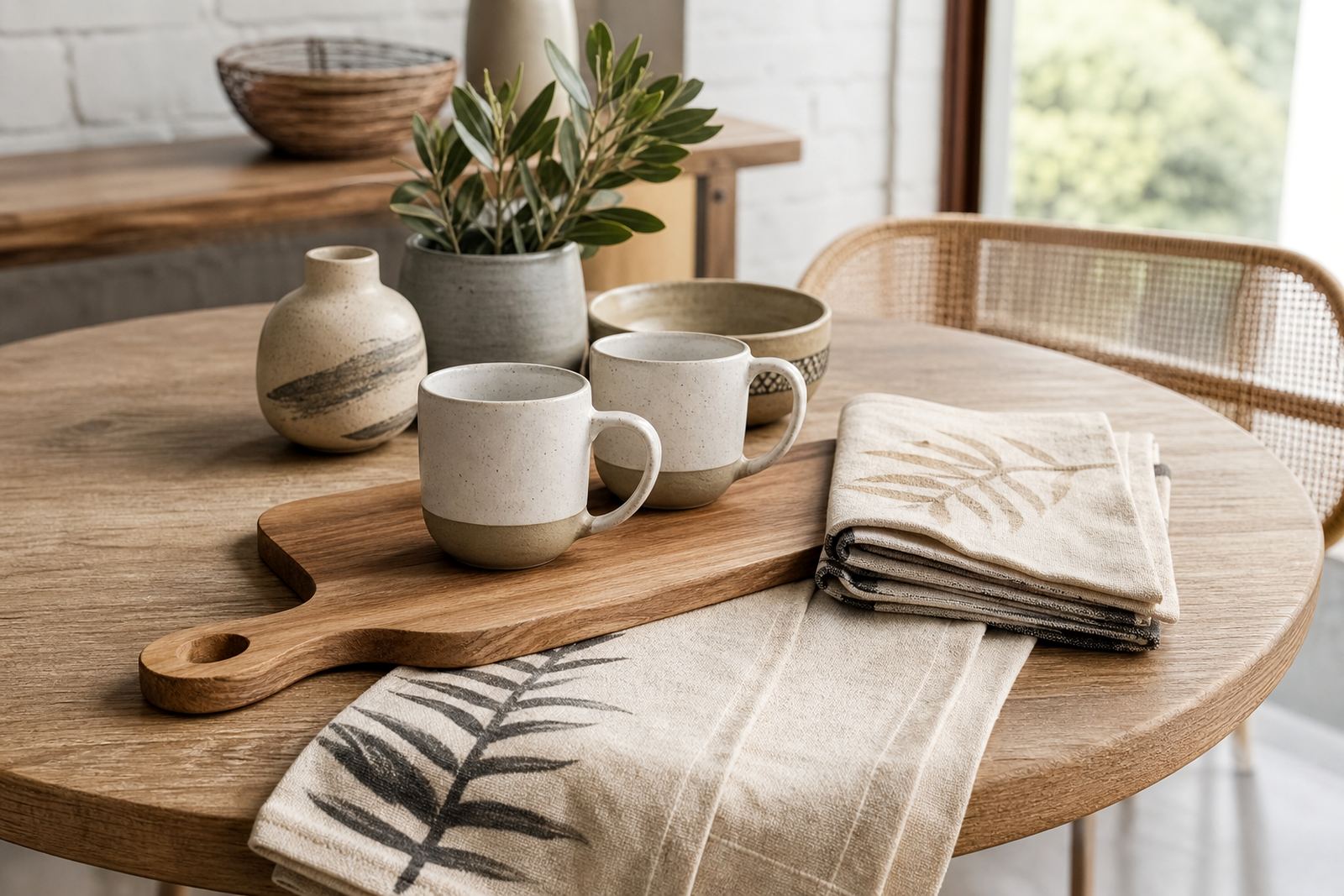
- Wood brings structure to trays, boards and decorative pieces, especially in neutral interiors.
Reading the material before you buy
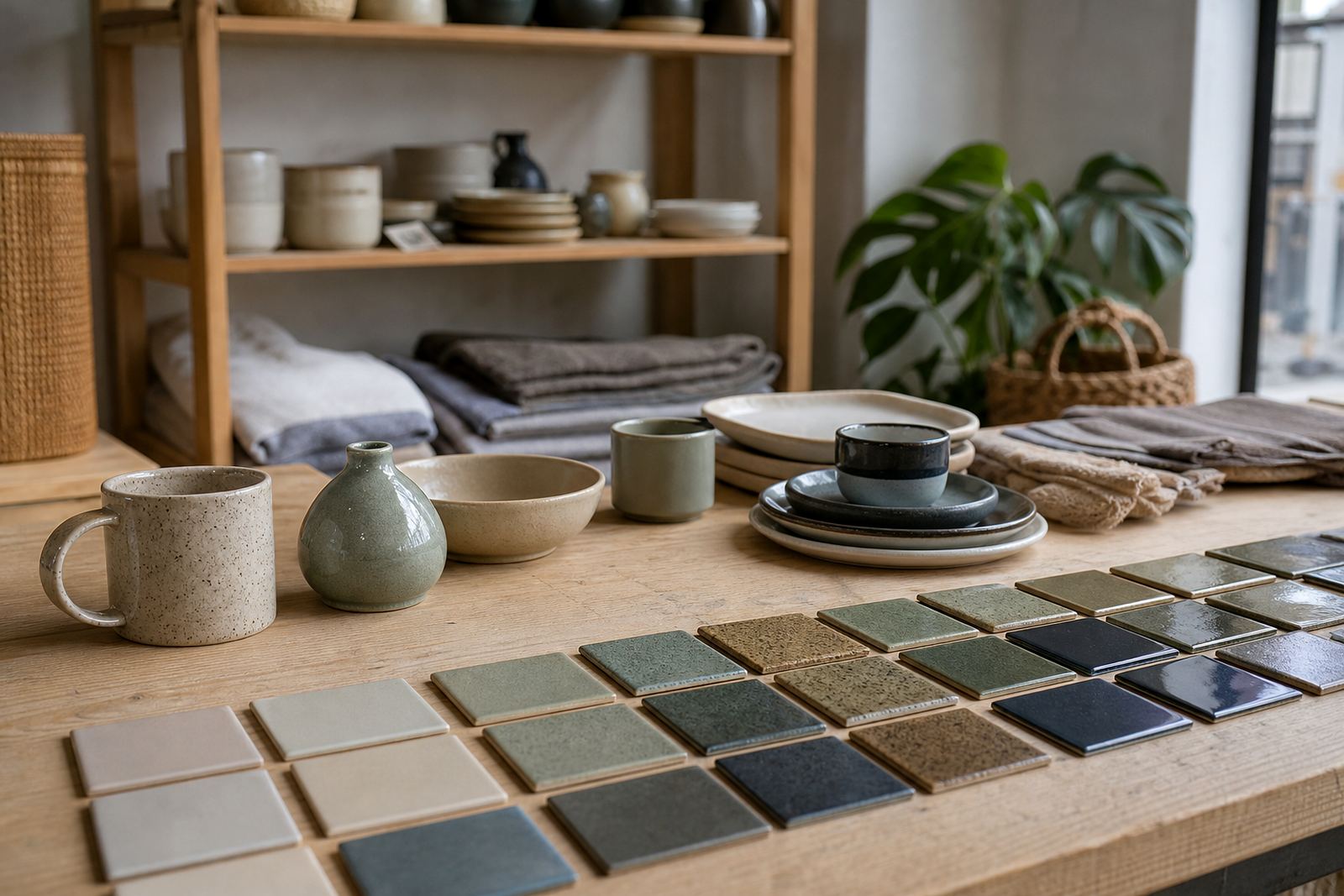
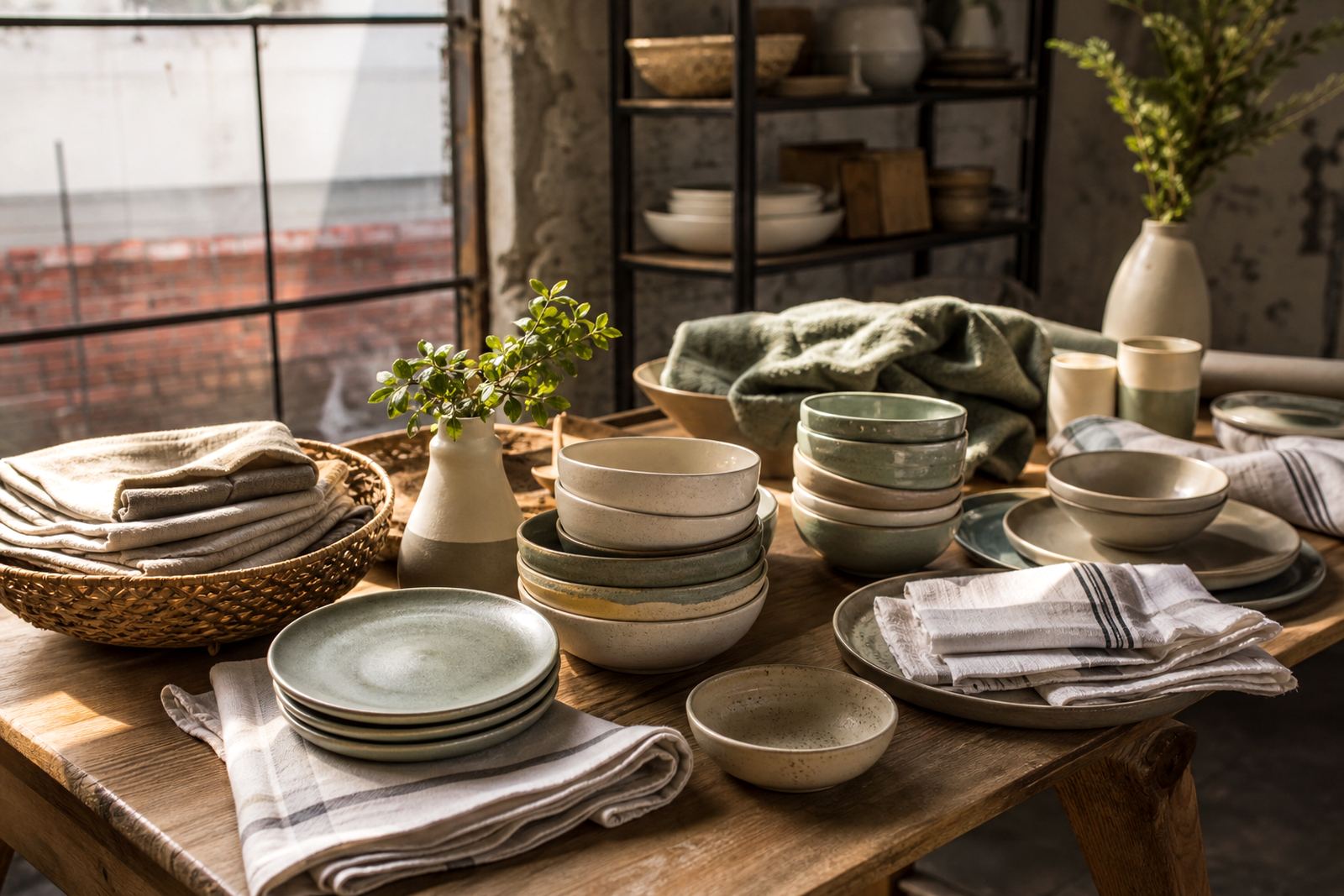
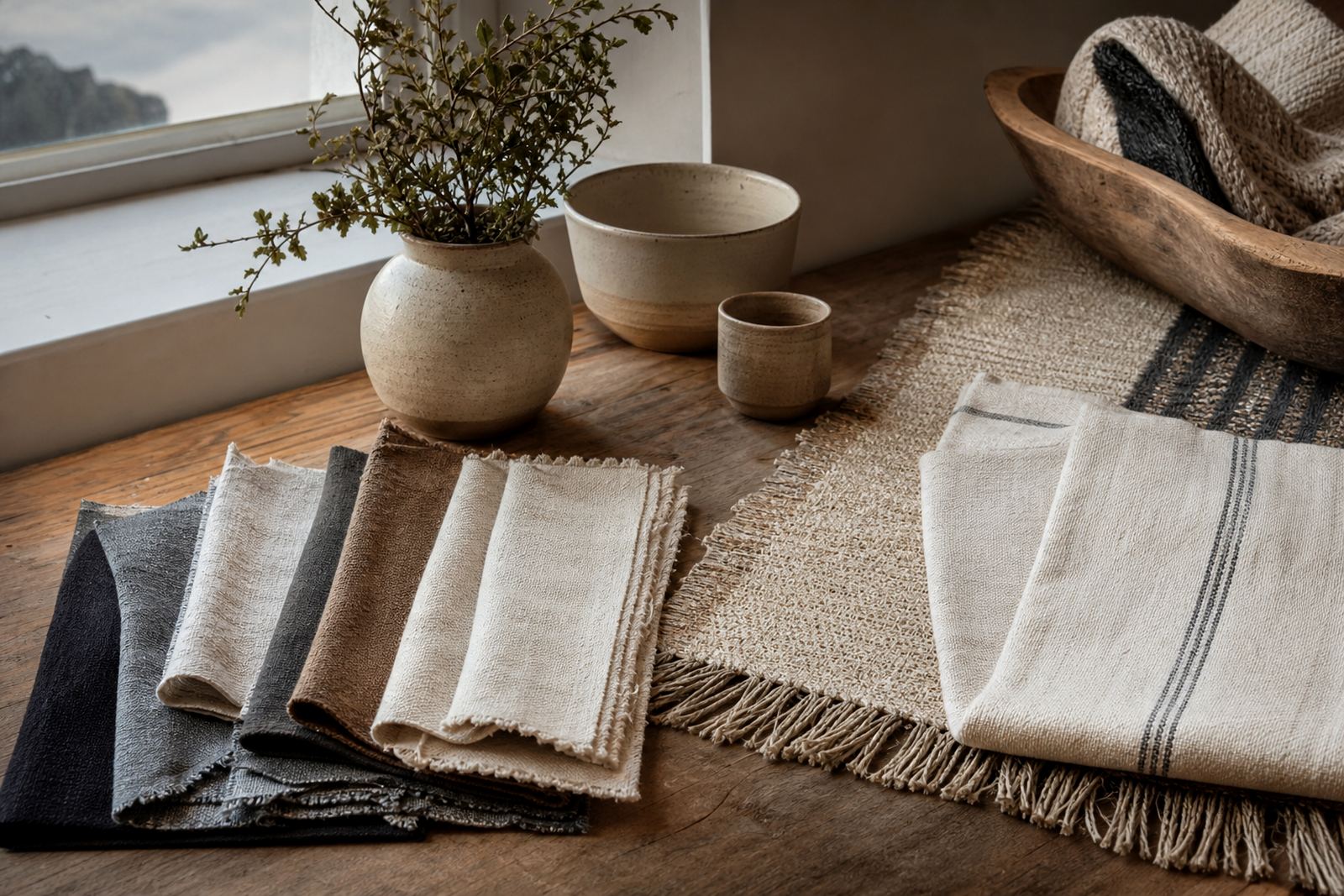
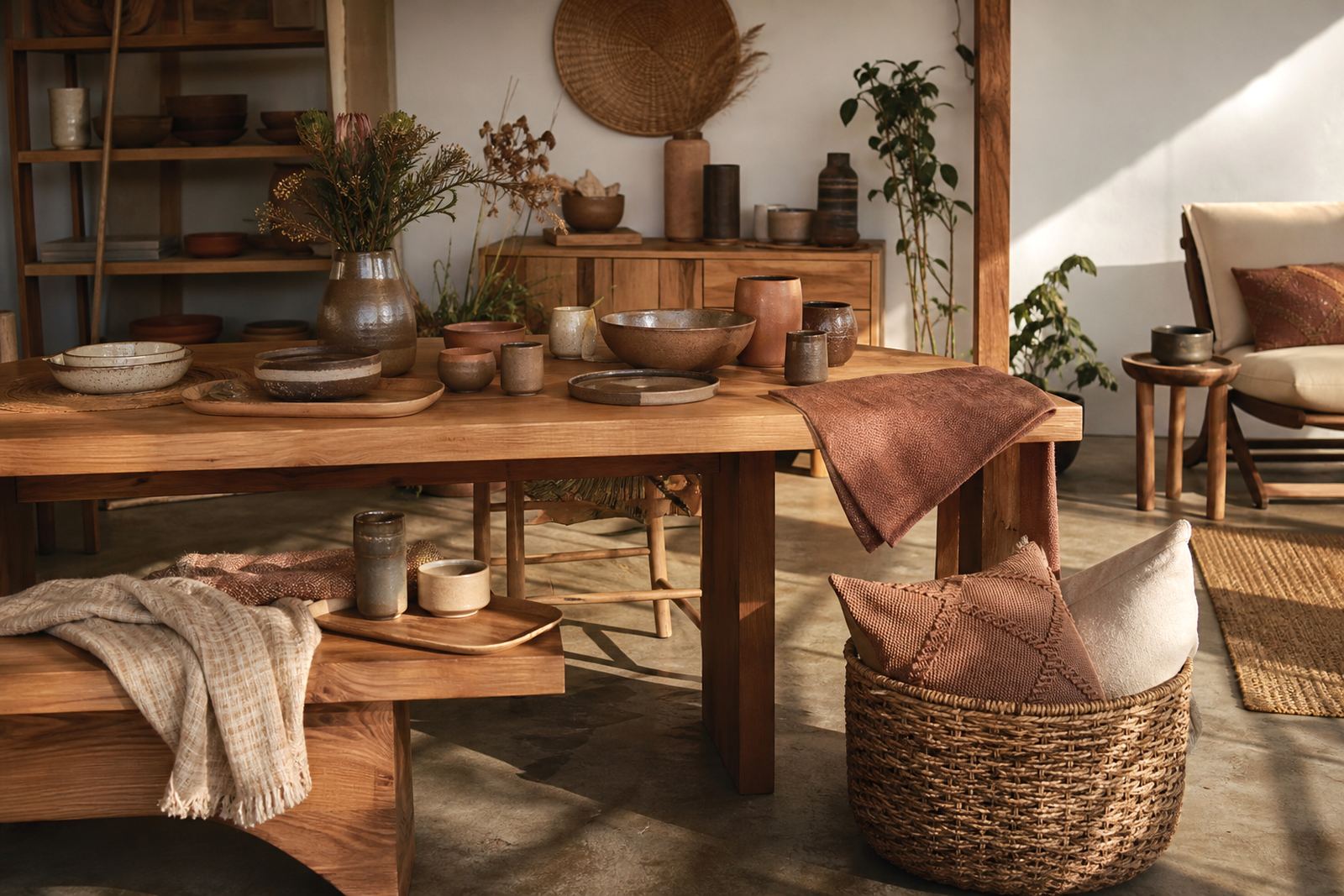
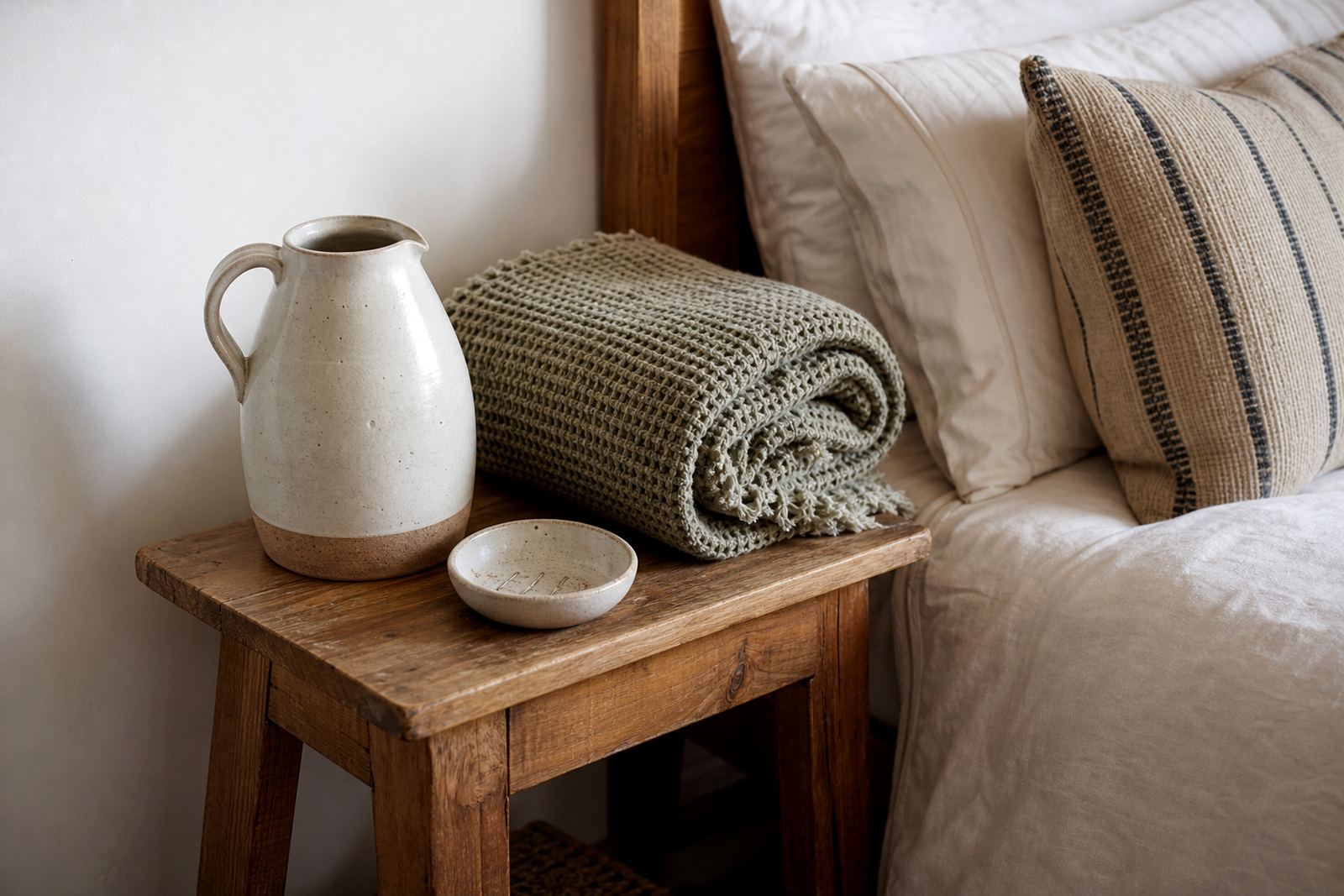
Our journal looks at the materials behind the object, because the material tells you a lot about care and everyday use. Fired clay can be smooth or slightly textured, and handmade glazing may give each cup, bowl or vase its own marks. Cotton, linen and mixed fibres each behave differently, with linen often becoming softer over time and cotton usually feeling more forgiving in regular use. Wood varies too, from lighter tones to darker grains, and the finish can change how much light or moisture the piece handles.
That is why it helps to slow down and read each detail. A serving bowl for a housewarming set may need a tougher finish than a decorative vessel for a console table. A throw for a sofa in the Southern Suburbs may need to wash easily, while a wall piece in Durban may need careful placement away from damp air. The right match saves money later and keeps the piece useful for longer.
Styling rooms with local craft, not clutter
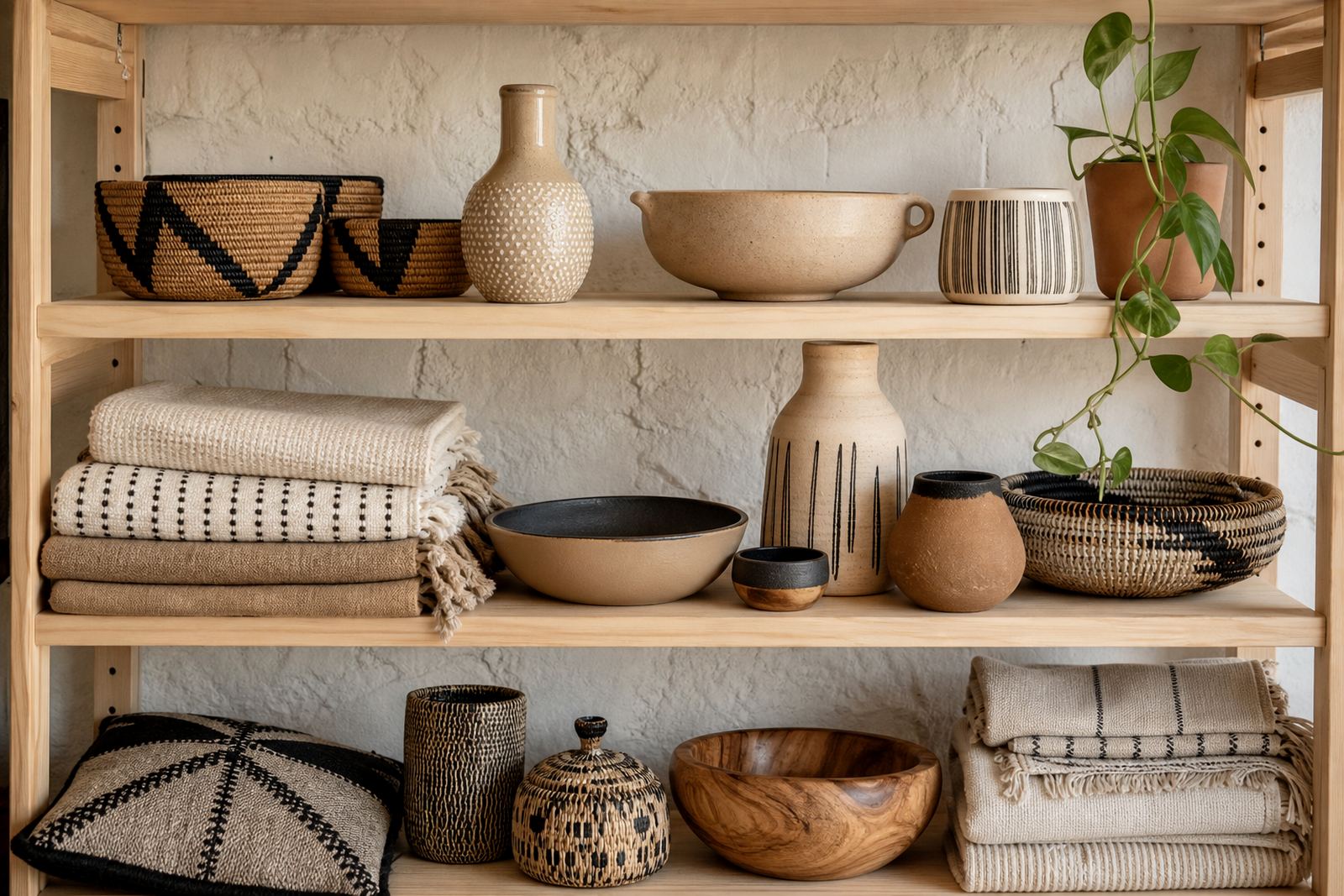
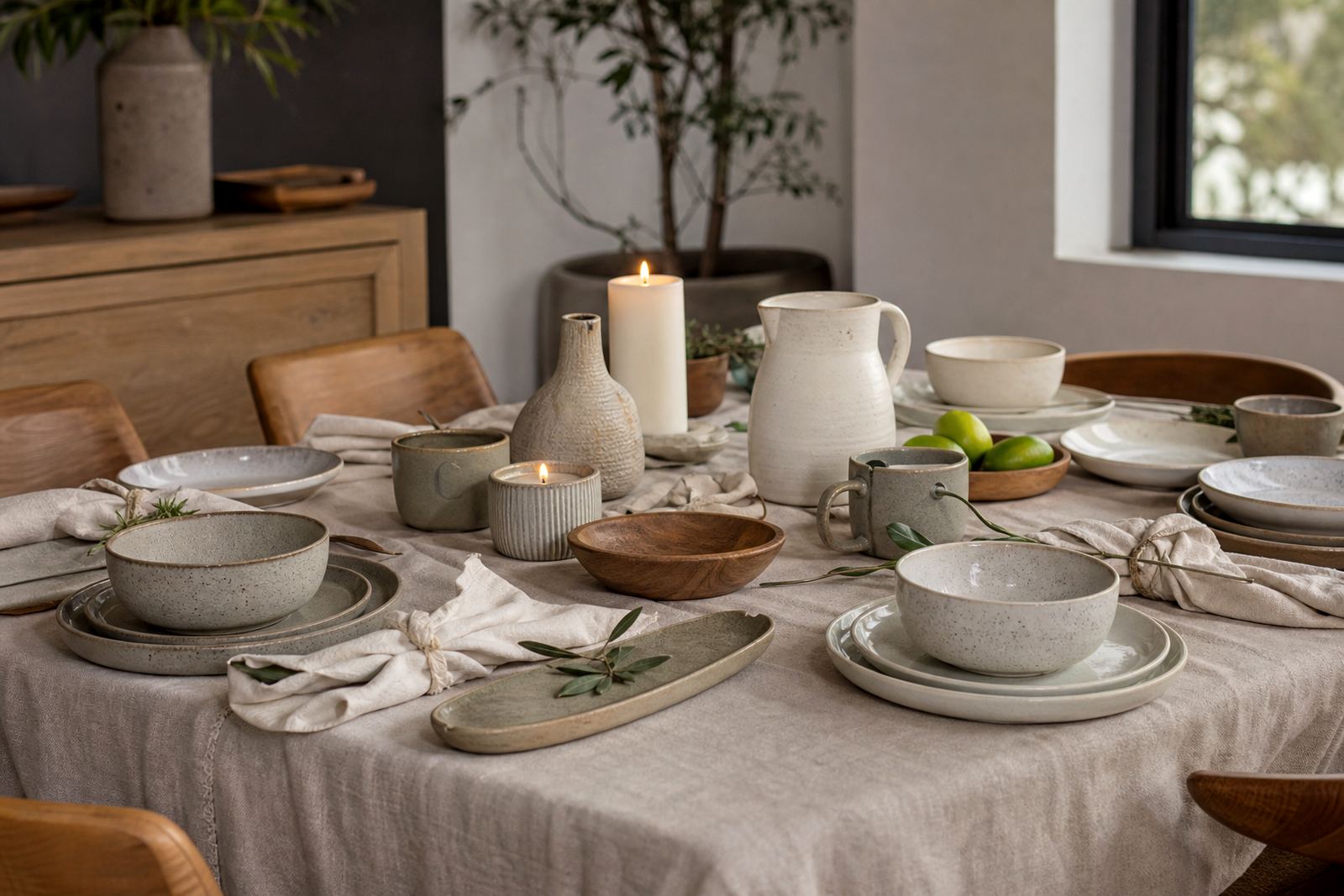
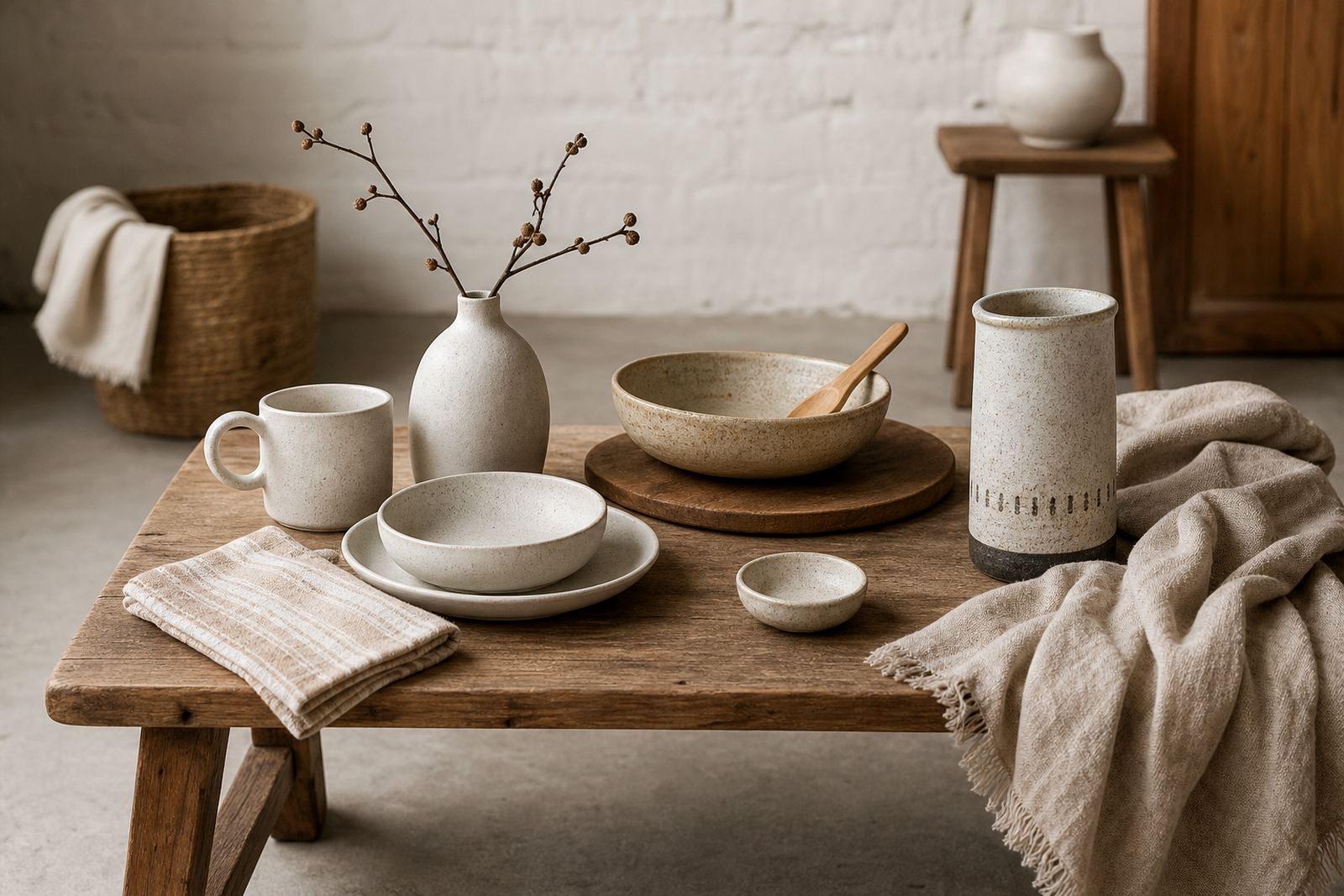
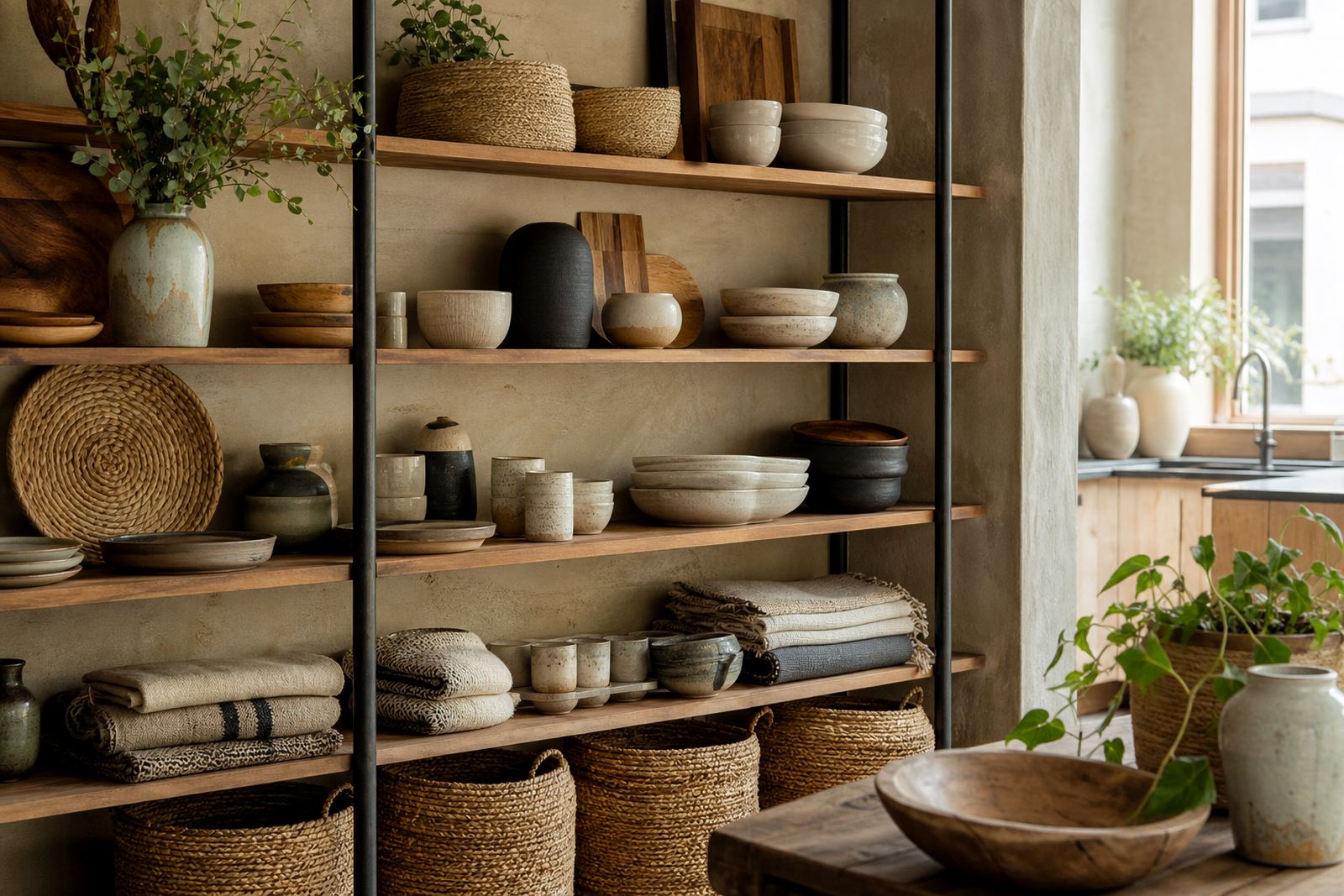
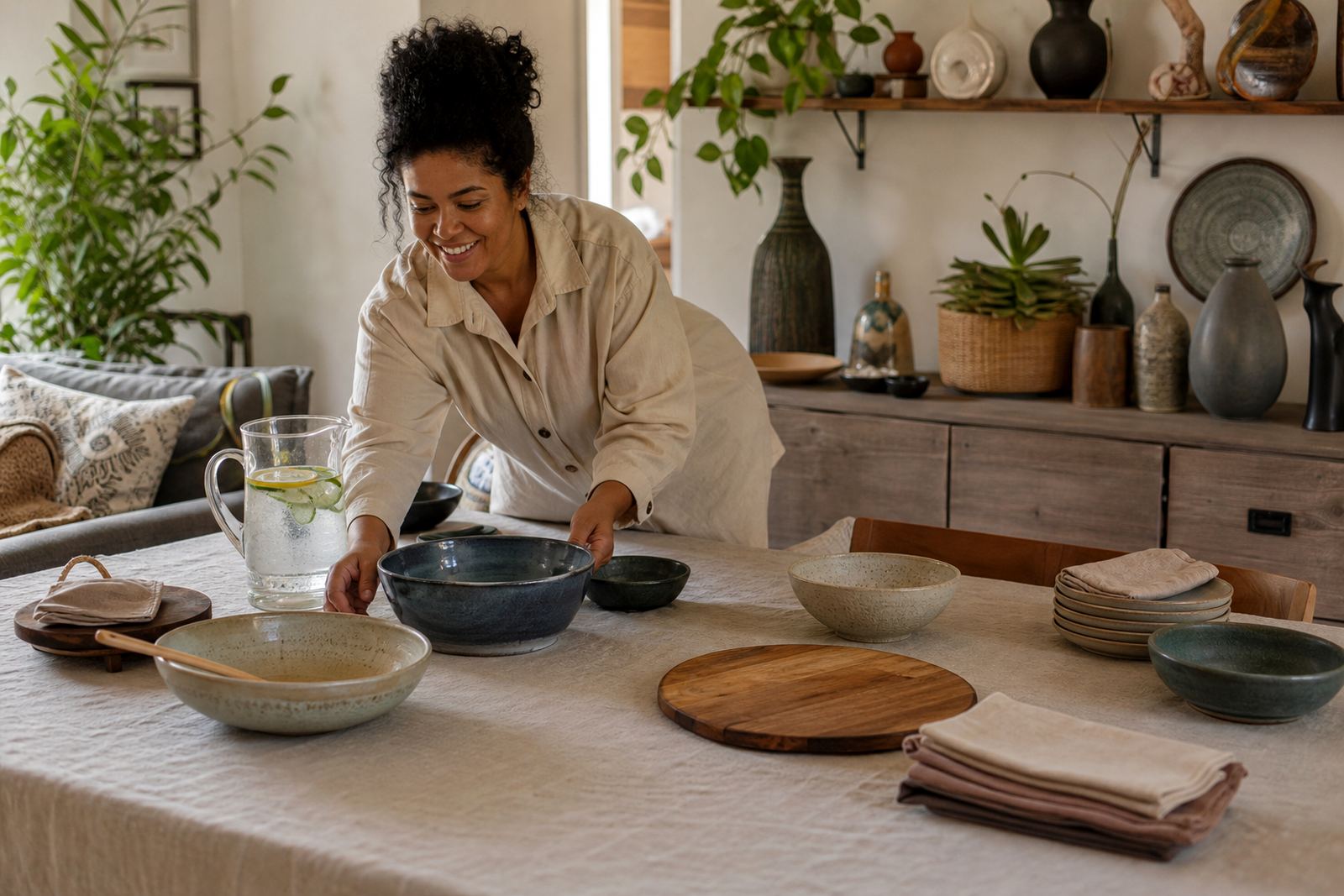
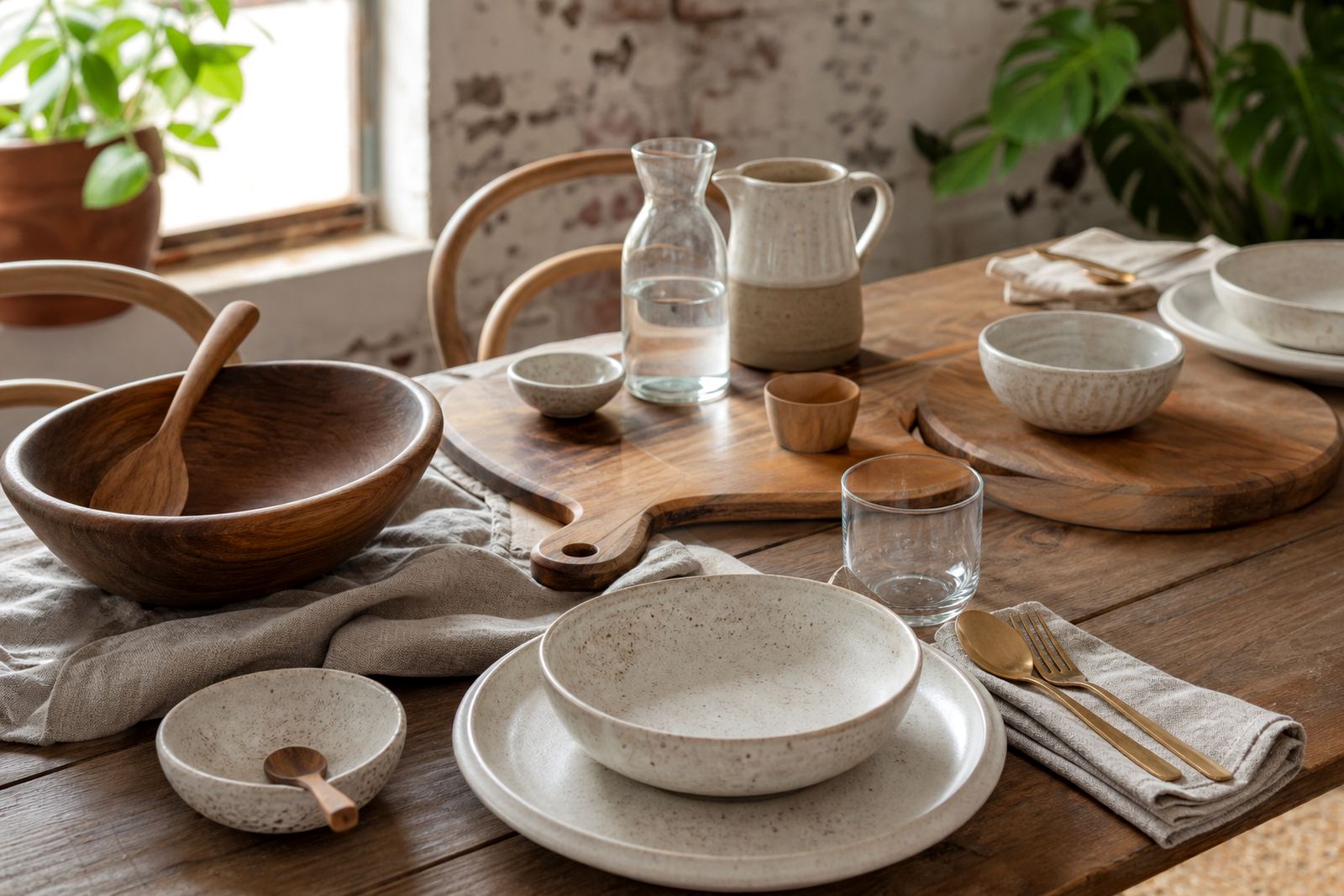
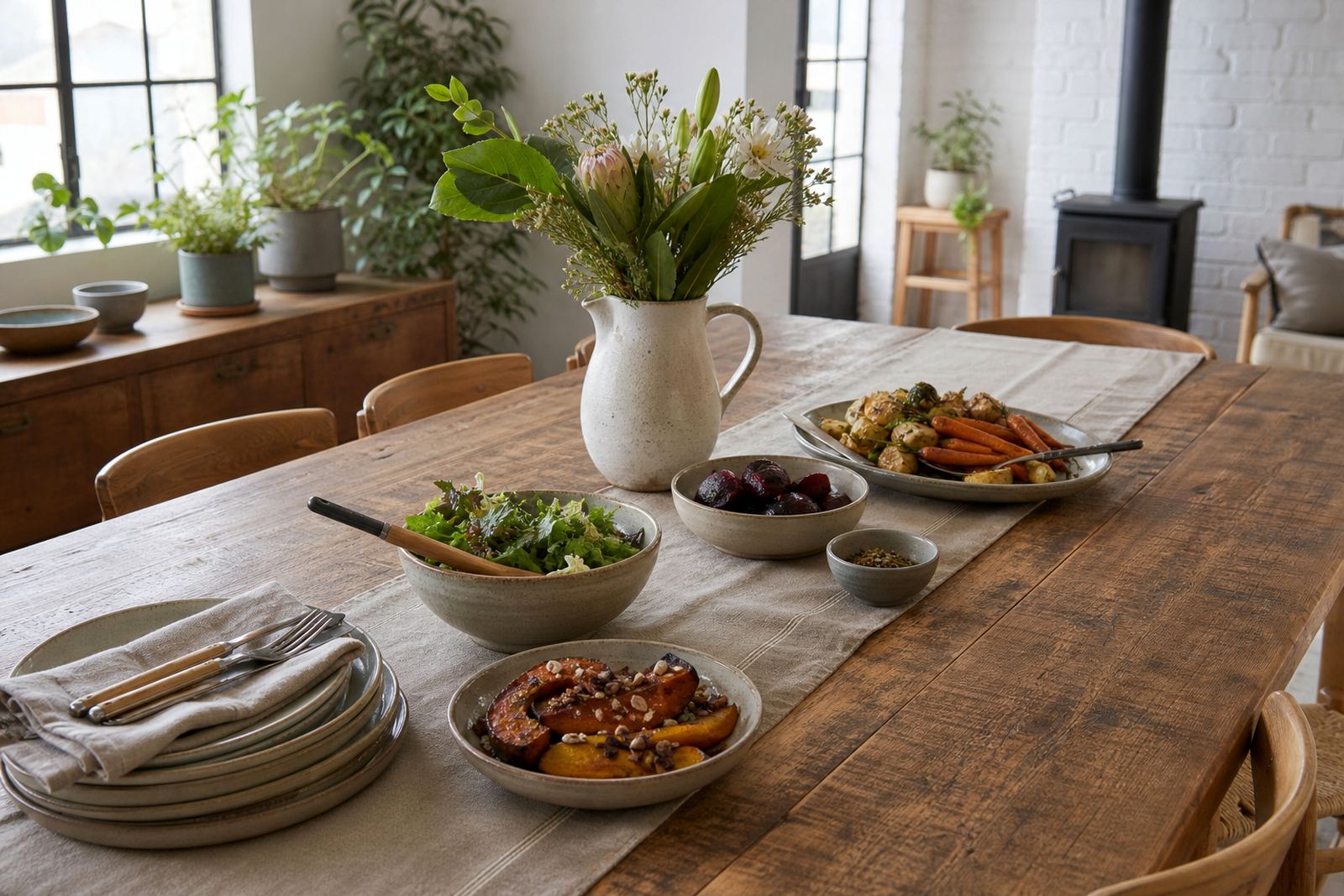
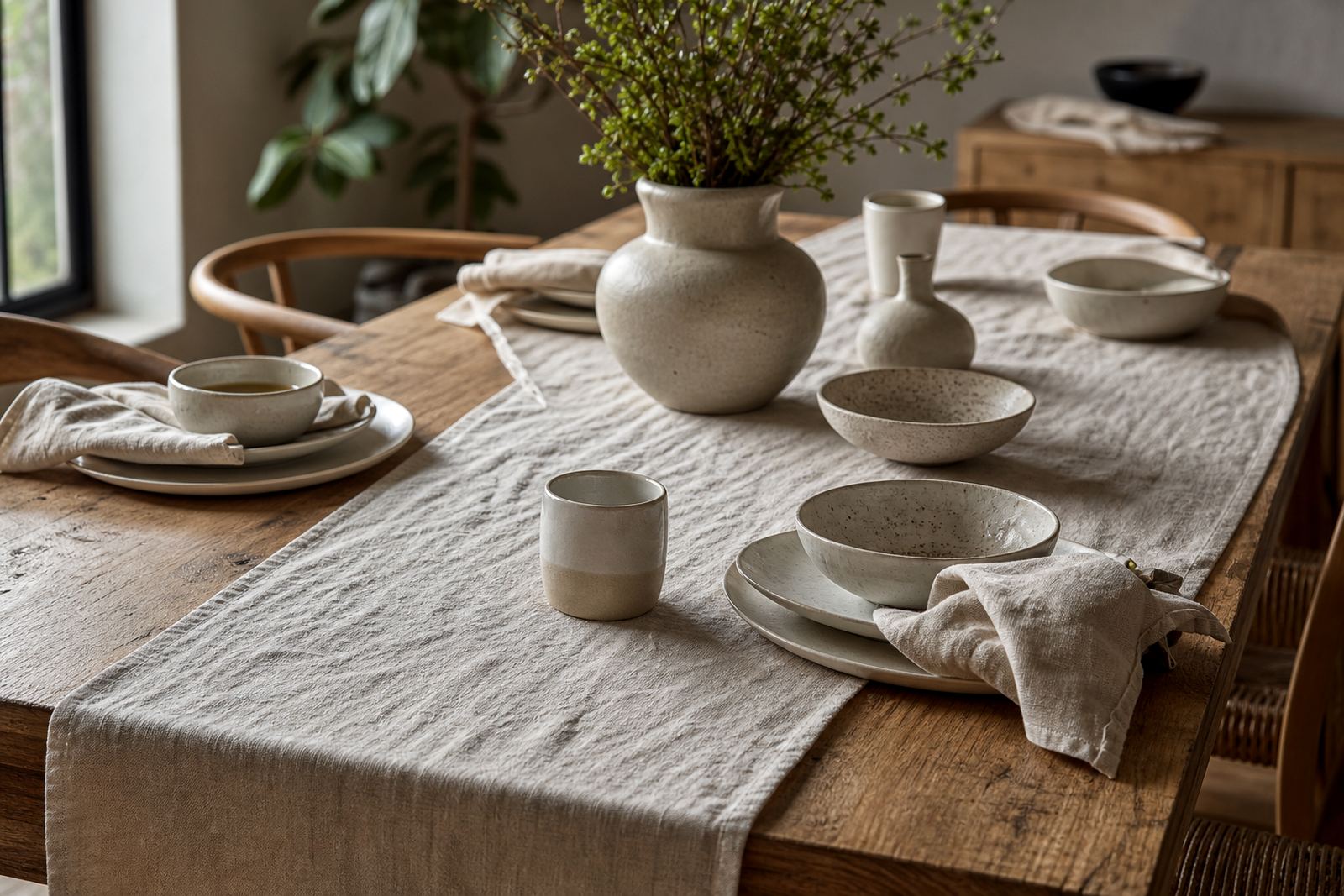
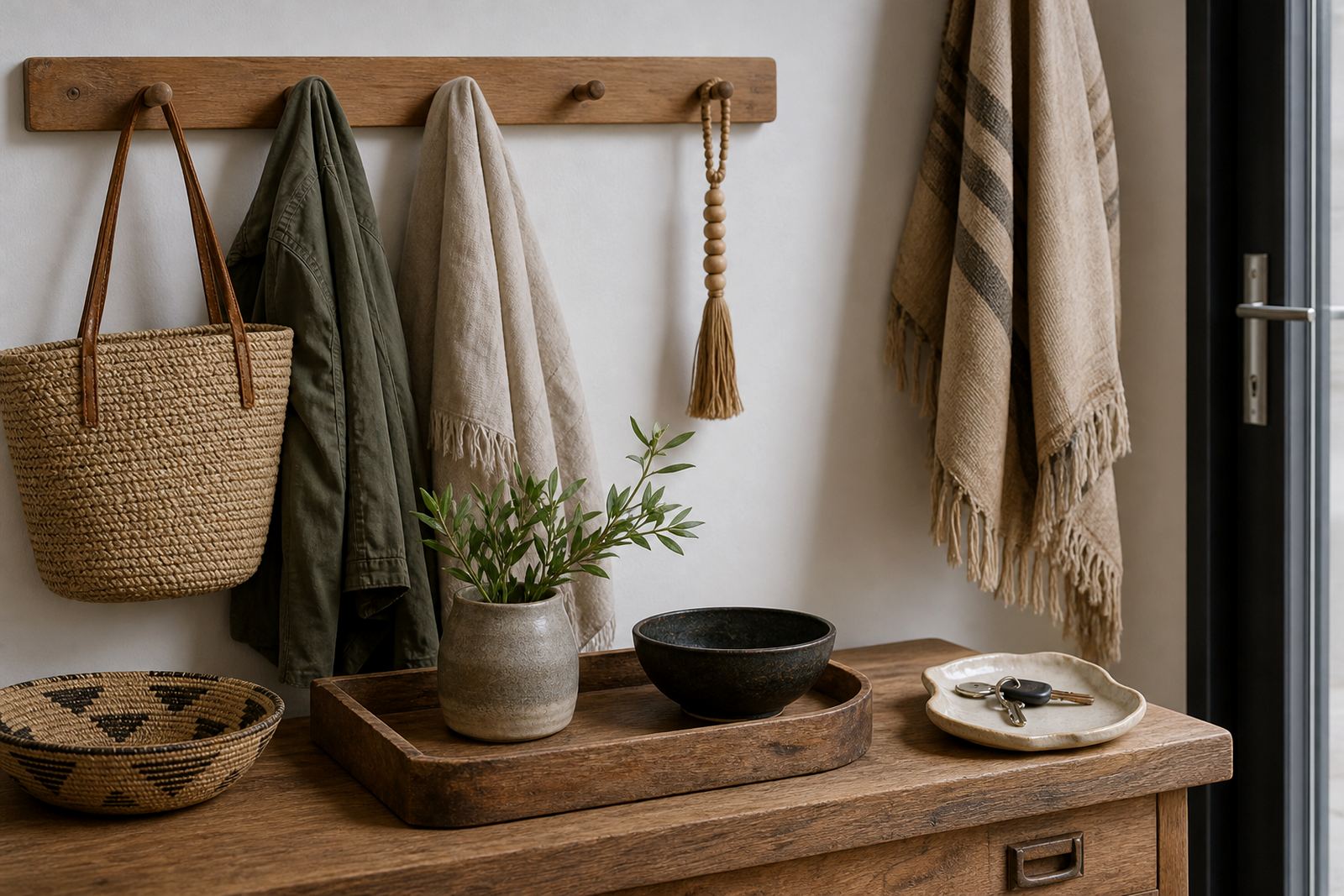
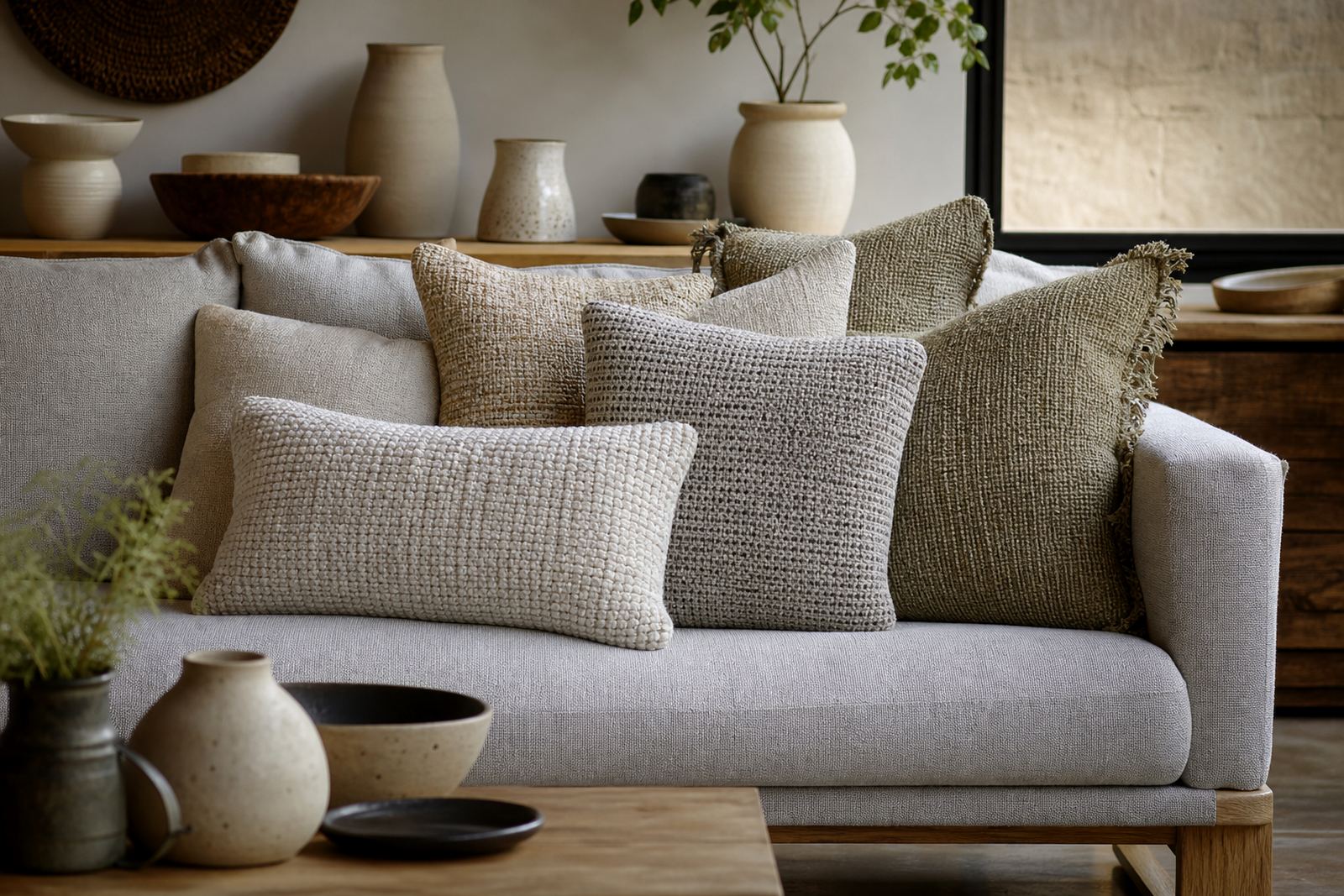
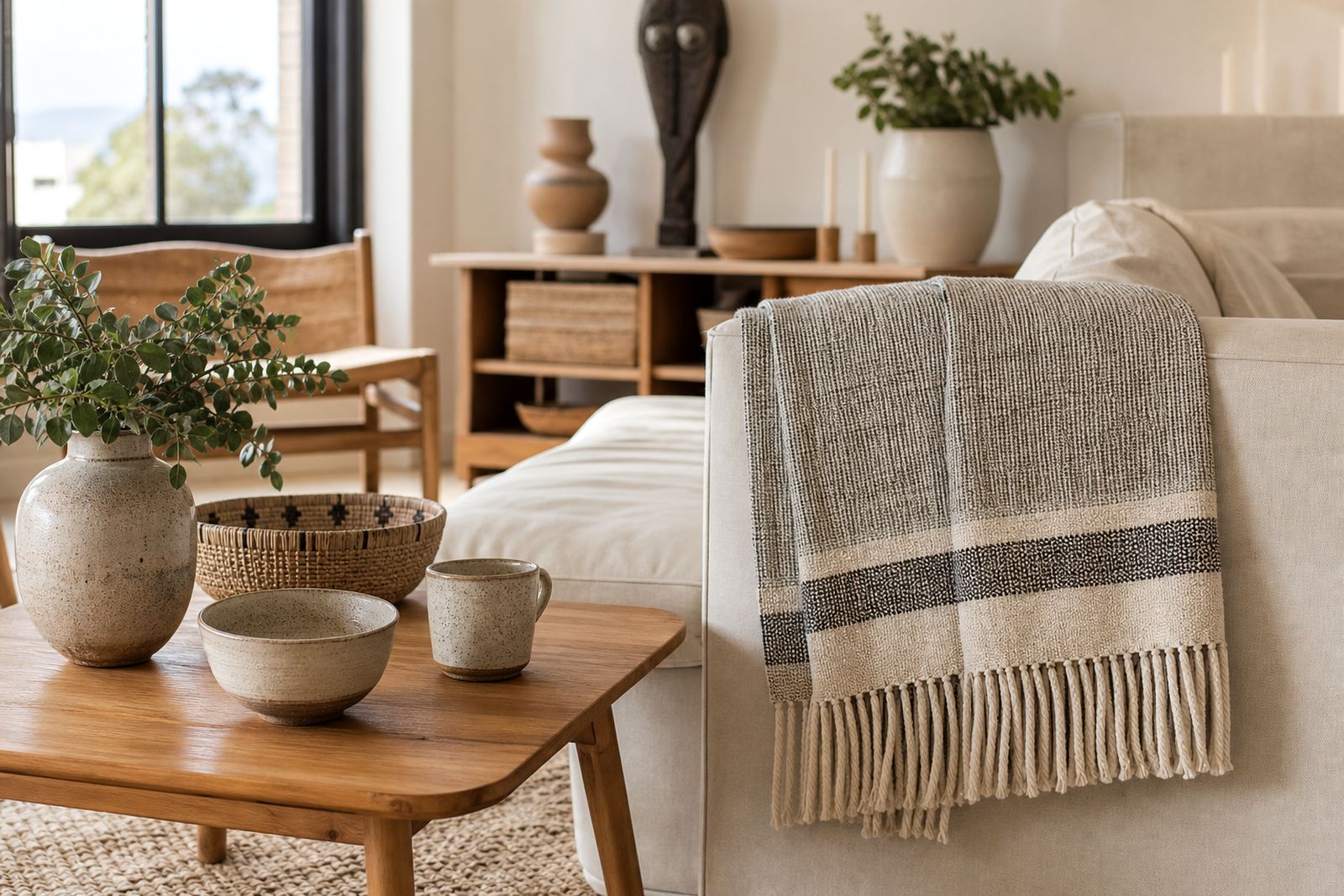
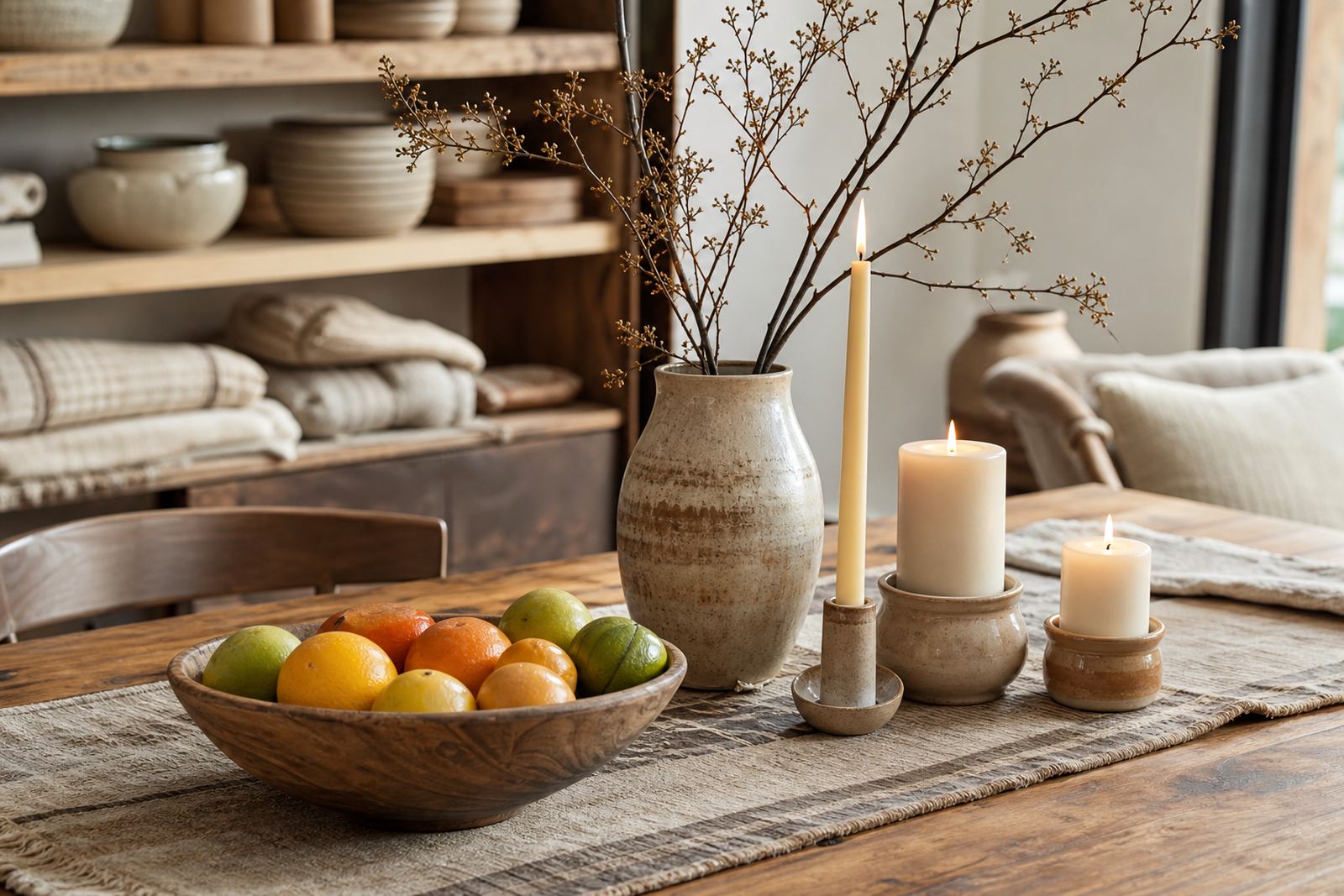
Handmade pieces do not need to fill every surface. One ceramic vase on a sideboard, a woven runner on a dining table or a carved tray on a coffee table can do the work without crowding the room. Mixing materials also helps the space feel considered. Clay beside wood, or textile beside glass, gives a room contrast without making it busy.
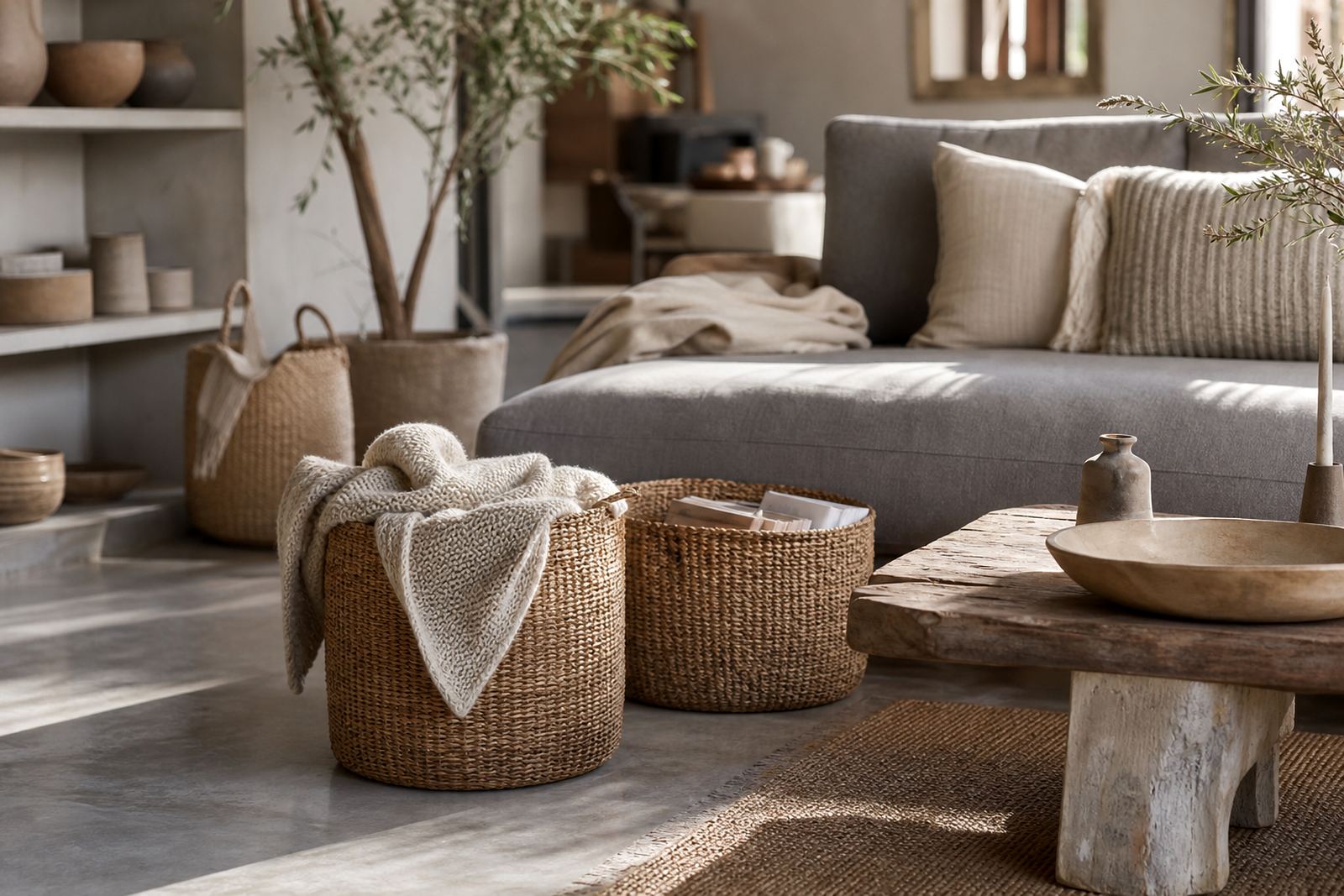
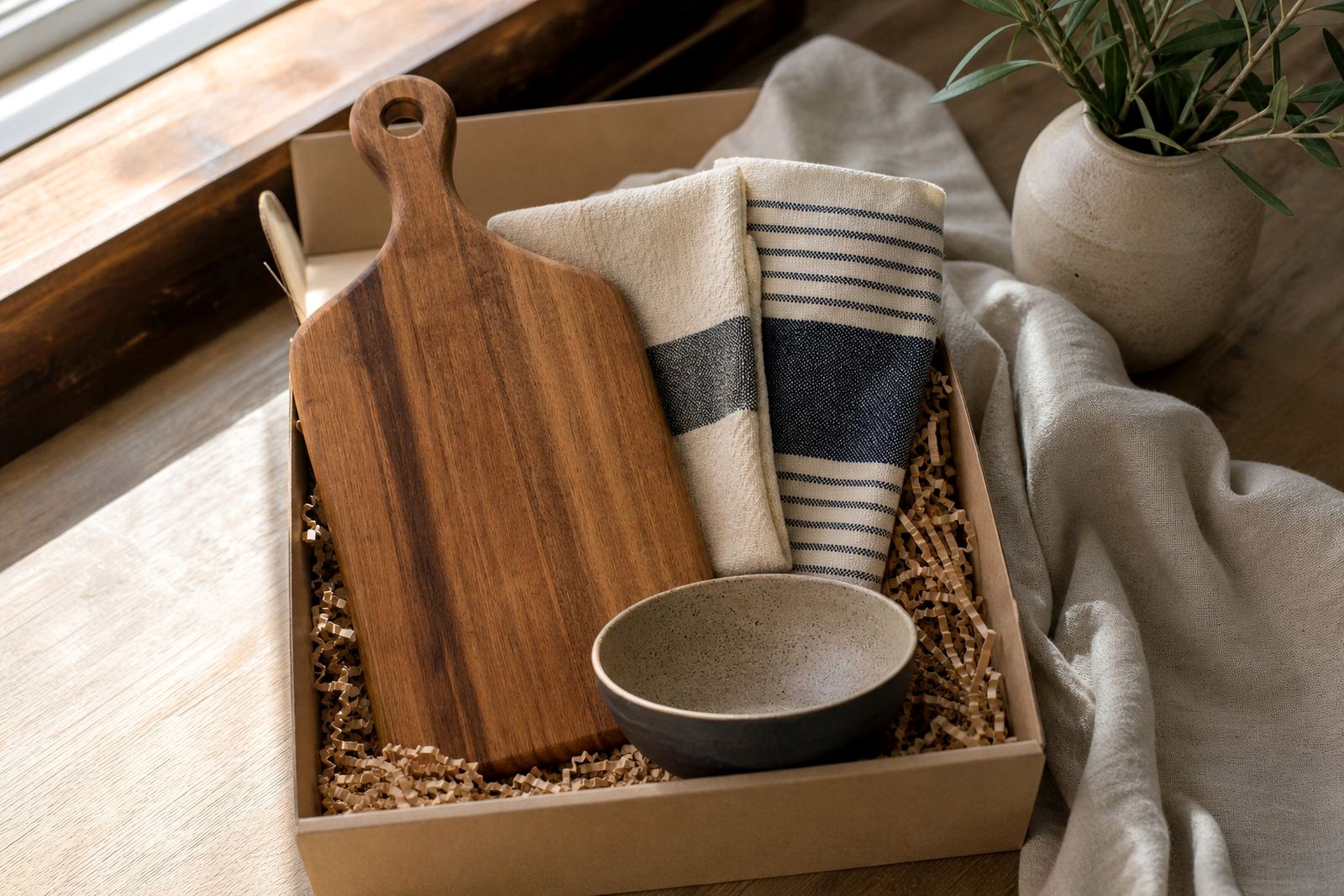
For a gift registry, housewarming set or wedding gifting order, choose pieces that can move from one room to another. A platter can become a fruit bowl, a small textile basket can hold letters or remotes, and a decorative vessel can later hold dried stems. If you want a set to feel collected rather than matching, keep one thing consistent such as colour family, texture or finish.
- Use one statement item and repeat its colour in smaller accents.
- Balance smooth surfaces with woven or carved textures.
- Leave space around handmade pieces so the detail can be seen.
Gifts that feel personal without being complicated
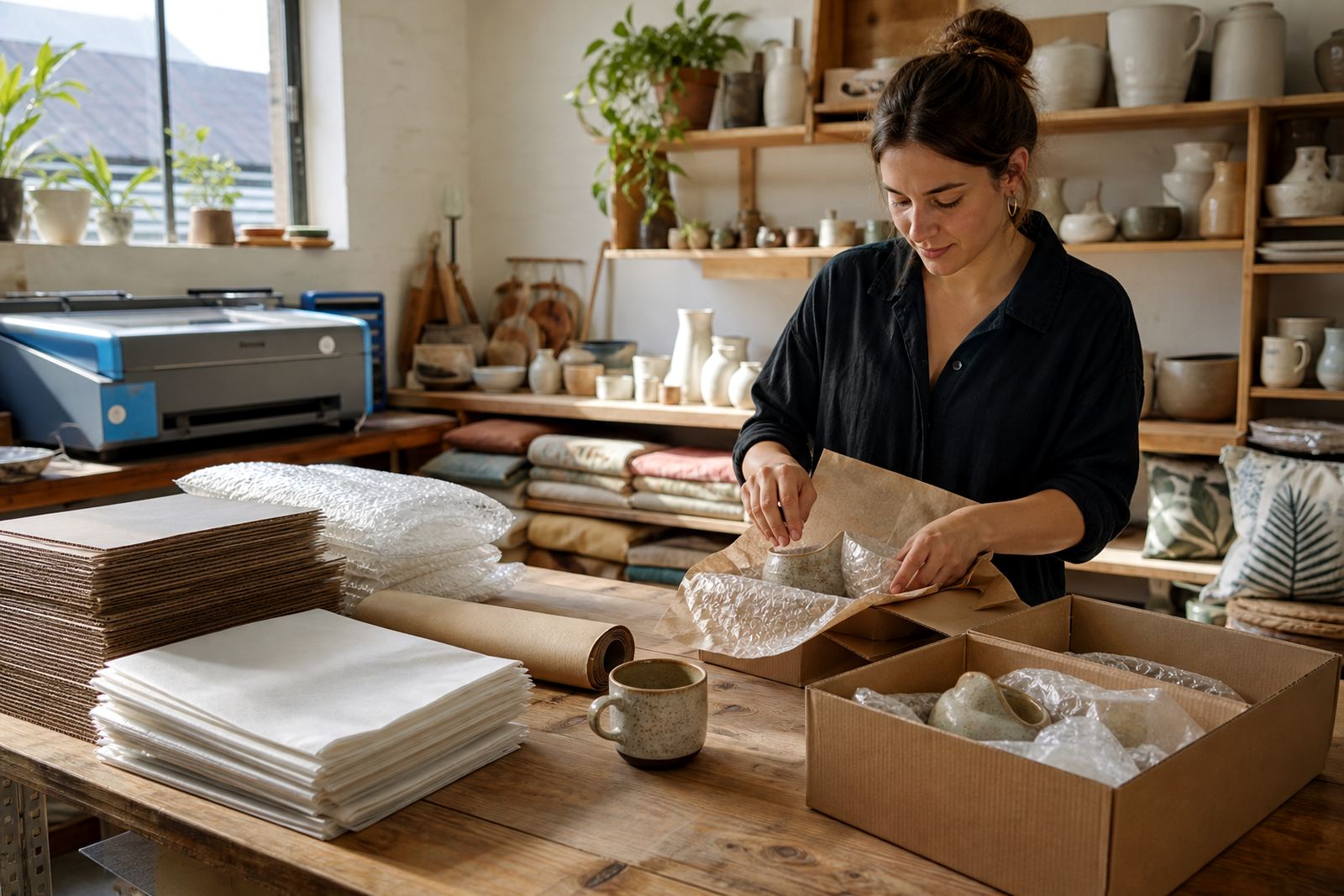
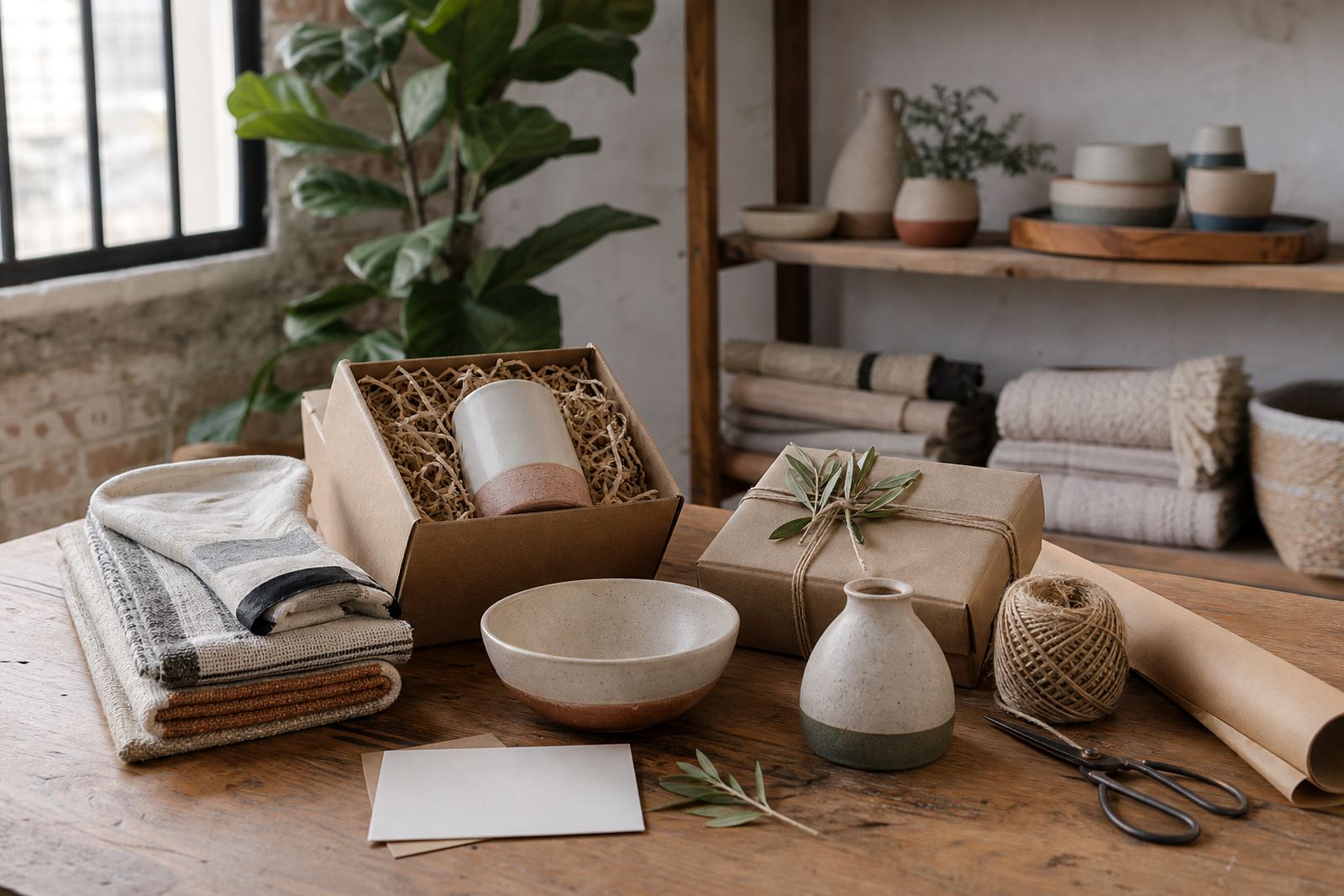
Gift wrapping, gift notes and curated gift boxes are often easier when the journal helps you narrow the brief. A practical gift for a first flat in Woodstock might be a set of serving pieces and a textile item. For a family home in Pretoria, a durable bowl or tray may make more sense. For corporate gifting, it helps to keep the selection useful, neutral and easy to place on a counter or shelf at home.
Our notes also cover custom bundles and bulk orders, because gifting often needs one plan that works across many recipients. Think about the season, the setting and the amount of handling the item will get. A mug, napkin set or small decorative object is usually easier to fit into mixed gifts than a large one-off piece. Small choices can still feel generous when the material, colour and wrapping are considered together.
Care notes for ceramics, textiles and wood
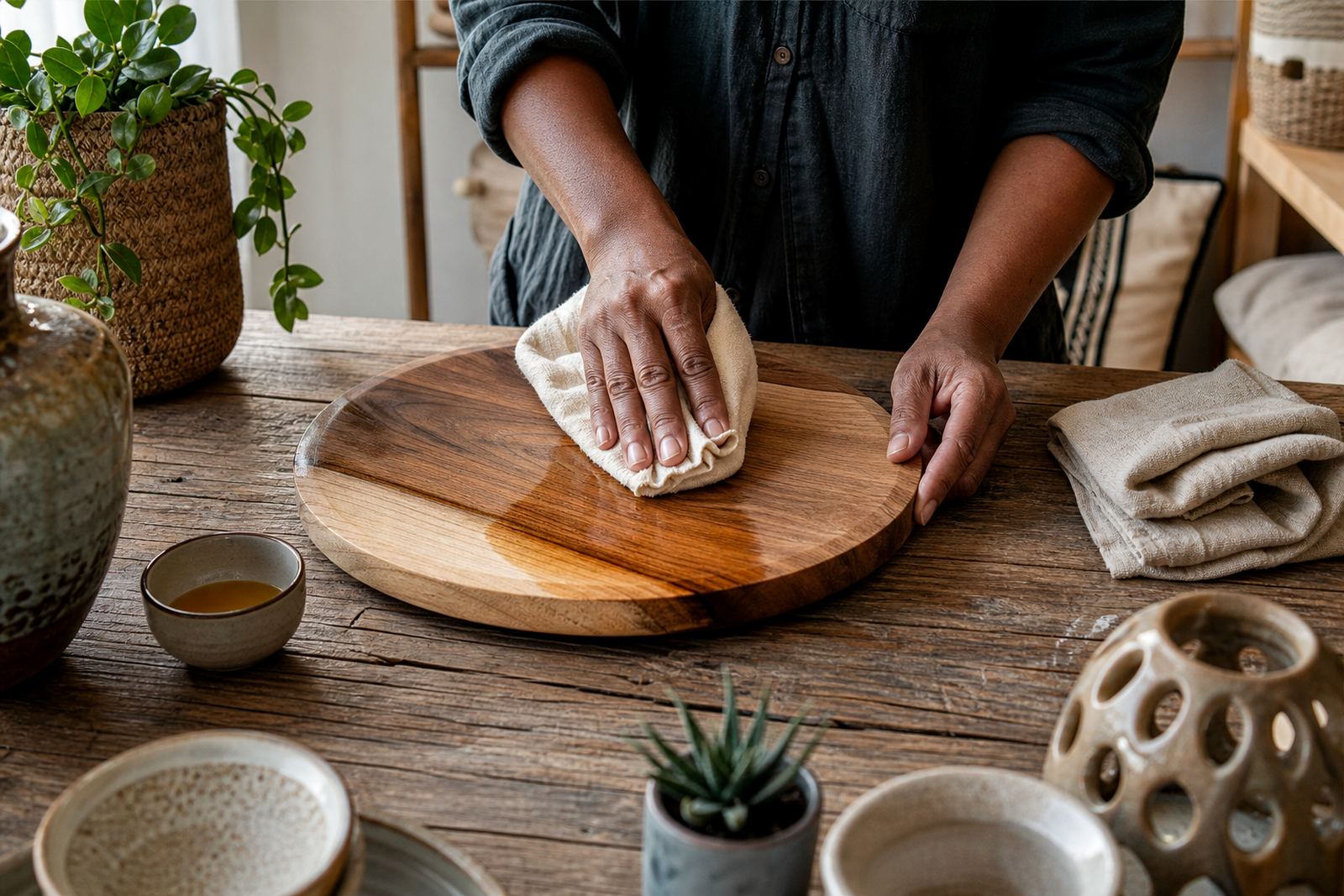
Care matters just as much as the first choice. Handmade ceramics are best handled gently when washed, especially if the finish has a matte surface or an unglazed base. Textiles usually last longer when washed with similar colours and dried away from harsh sun, which can fade dyed cloth over time. Wood benefits from a dry cloth and careful storage, especially in humid coastal homes where moisture can affect the finish.
Replacement help is sometimes needed when a piece is chipped in transit or worn through use, and care advice can often help prevent that. A cloth item folded rather than crammed, a ceramic piece stacked with care and a wooden object kept away from standing water will usually last longer. That is the kind of practical detail this journal returns to often, because good homeware should be used, not tucked away.
- Wash ceramics by hand where the maker recommends it.
- Store textiles fully dry before packing them away.
- Wipe wood with a soft cloth and keep it out of direct damp spots.
How to use the journal when ordering online
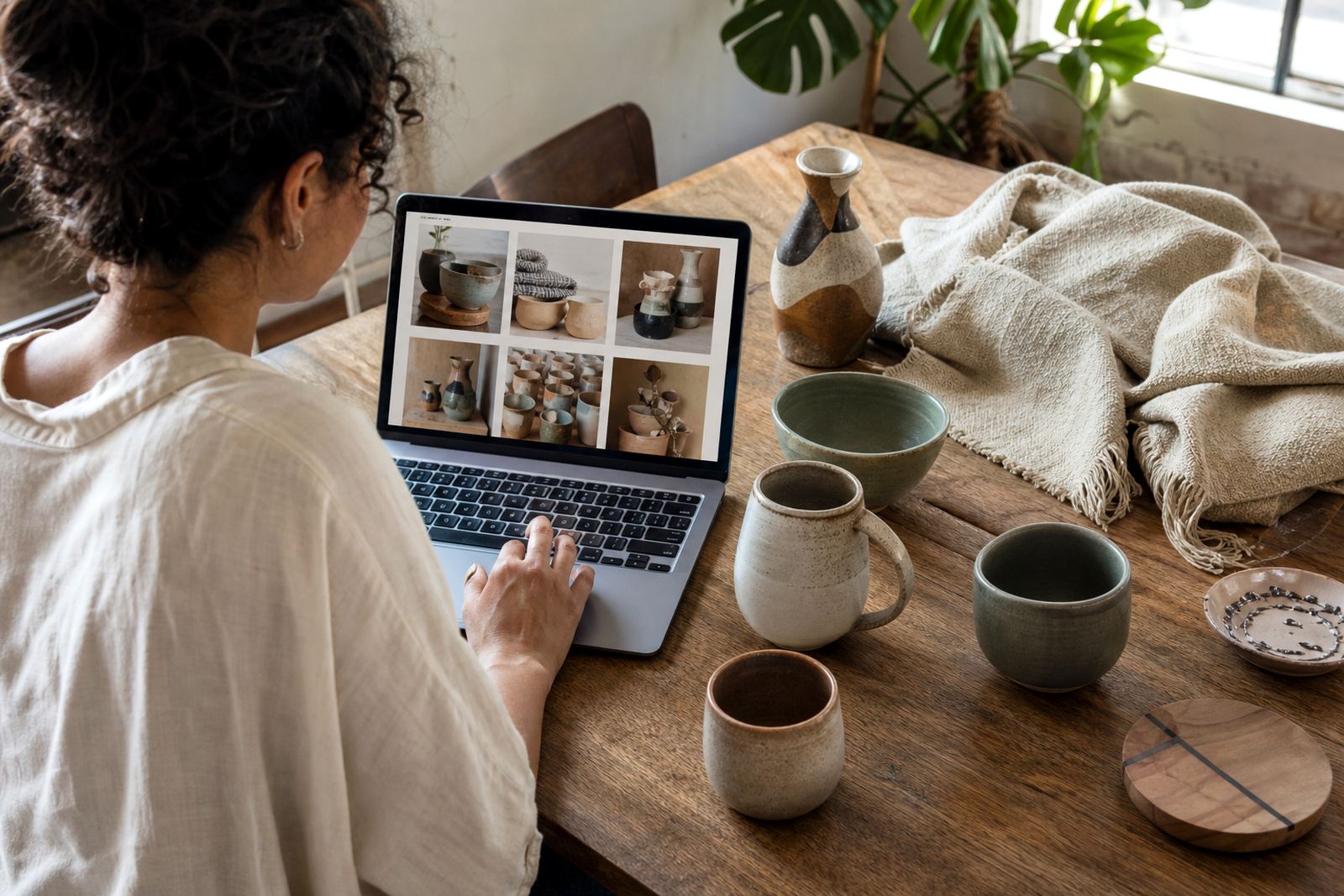
If you are browsing from Cape Town, Johannesburg, Durban, Pretoria or Stellenbosch, the journal can help you sort through the range before you choose. Read for style, material and care first, then match the piece to the room or the person receiving it. Delivery coordination is easier when you already know whether the order is for a single home, a gift registry or a larger corporate bundle.
Think of each article as a short guide rather than a trend report. It should help you compare forms, understand finishes and decide whether a piece belongs in everyday use or as a more decorative accent. The aim is not to fill a room fast. It is to choose fewer things that earn their place and still feel good to live with.