
Start with the base layer that does the quiet work
The first layer in a bedroom is the one most people notice without thinking about it: the sheet, the duvet cover and the pillowcases. If these pieces feel good in the hand and look clean in tone, the rest of the room has a better chance of settling into place. Natural fibres are usually the most comfortable choice for everyday use, especially in Cape Town homes where summer air can shift from dry to damp in a single day and winter mornings carry a chill.
For a practical mix, choose a base colour that is soft rather than stark. Off-white, sand, oat, stone and muted grey all work well with handmade pieces because they leave room for texture to show. A plain base also makes it easier to add one patterned throw or a textured cushion without the room looking busy.
- Pick breathable fabrics for the layer closest to the body.
- Keep one colour family running through the bed for a settled look.
- Use texture for interest instead of too many competing prints.
How to use blankets and throws without crowding the bed
A throw blanket does more than keep the feet warm. It breaks up the flat surface of the bed and adds a visual pause, which is helpful in smaller bedrooms where too much pattern can feel restless. In a Durban home, lighter woven layers often work better through the humid months, while wool blends or heavier weaves are useful when the weather turns cooler inland and in winter along the coast.
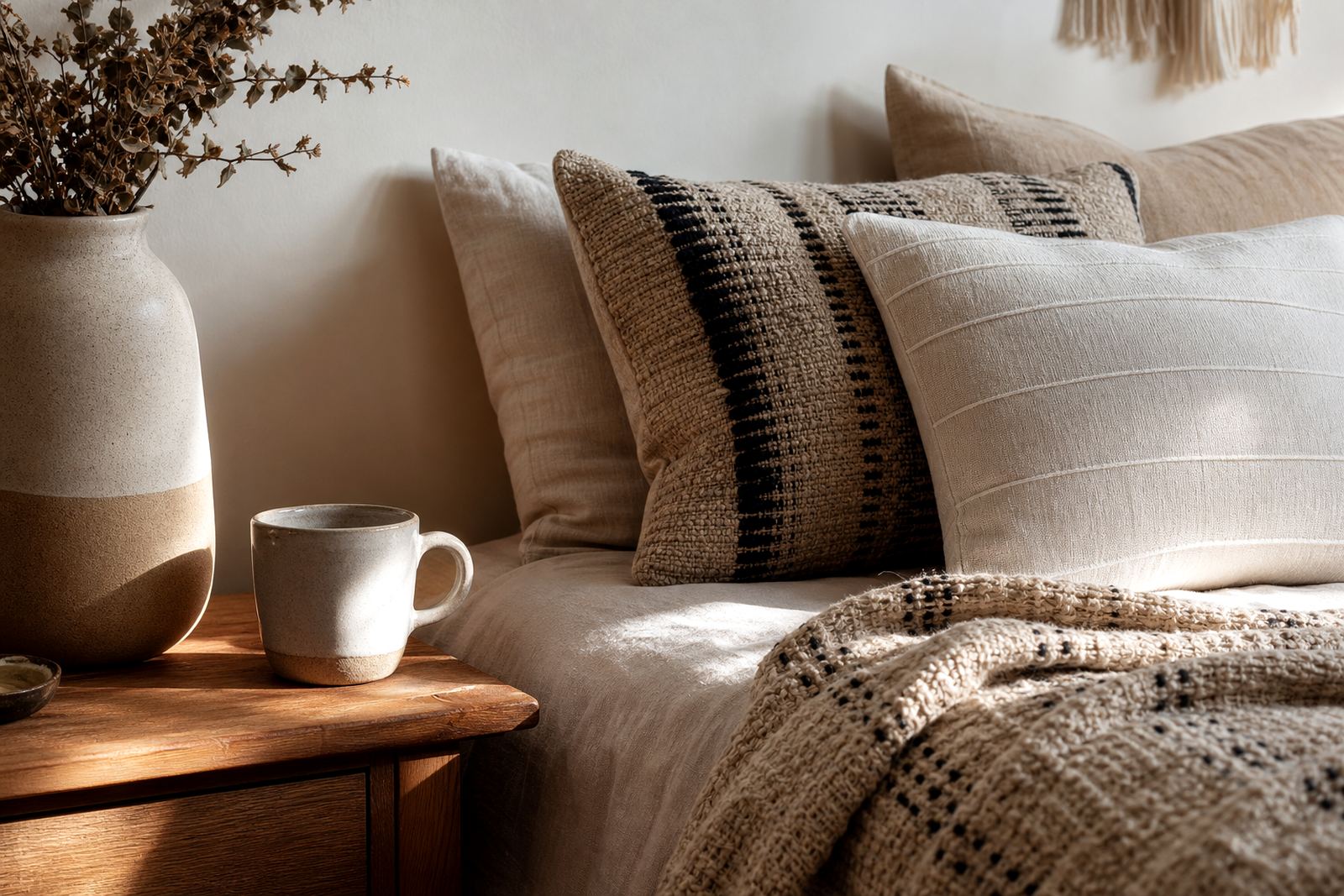
Layering works best when each item has a job. A folded throw at the end of the bed gives weight and structure. A loose drape can feel more relaxed, but it should still look deliberate. If the bedding already has a strong pattern, keep the throw plain or nearly plain. If the bedding is simple, a woven or textured throw can carry the room.
- Fold the throw into thirds for a neater finish.
- Choose a texture that contrasts with the duvet, not one that competes with it.
- Use one heavier blanket for colder months and a lighter weave for the rest of the year.
Cushions that add shape without making bedtime fiddly
Cushions can make a bed look finished, but too many of them become a nuisance the moment the room is actually used. A good arrangement usually relies on two or three shapes only. That keeps the bed easy to make and avoids a cluttered look. In many Johannesburg and Pretoria homes, where rooms often do double duty as sleeping and working space, a restrained cushion mix keeps the room calmer.
Mixing sizes helps. Larger cushions create the background, while one smaller cushion or bolster brings in a change of line. If your bedding is already soft and brushed, add a cushion with a woven surface or a nubby cotton cover. If the bedspread has texture, use smoother cushion covers so the eye has somewhere to rest.
- Use odd numbers if you want a more relaxed arrangement.
- Keep the colour story linked to the rest of the room.
- Choose covers that can be removed and washed with ease.
Wood, ceramic and woven accents that anchor the room
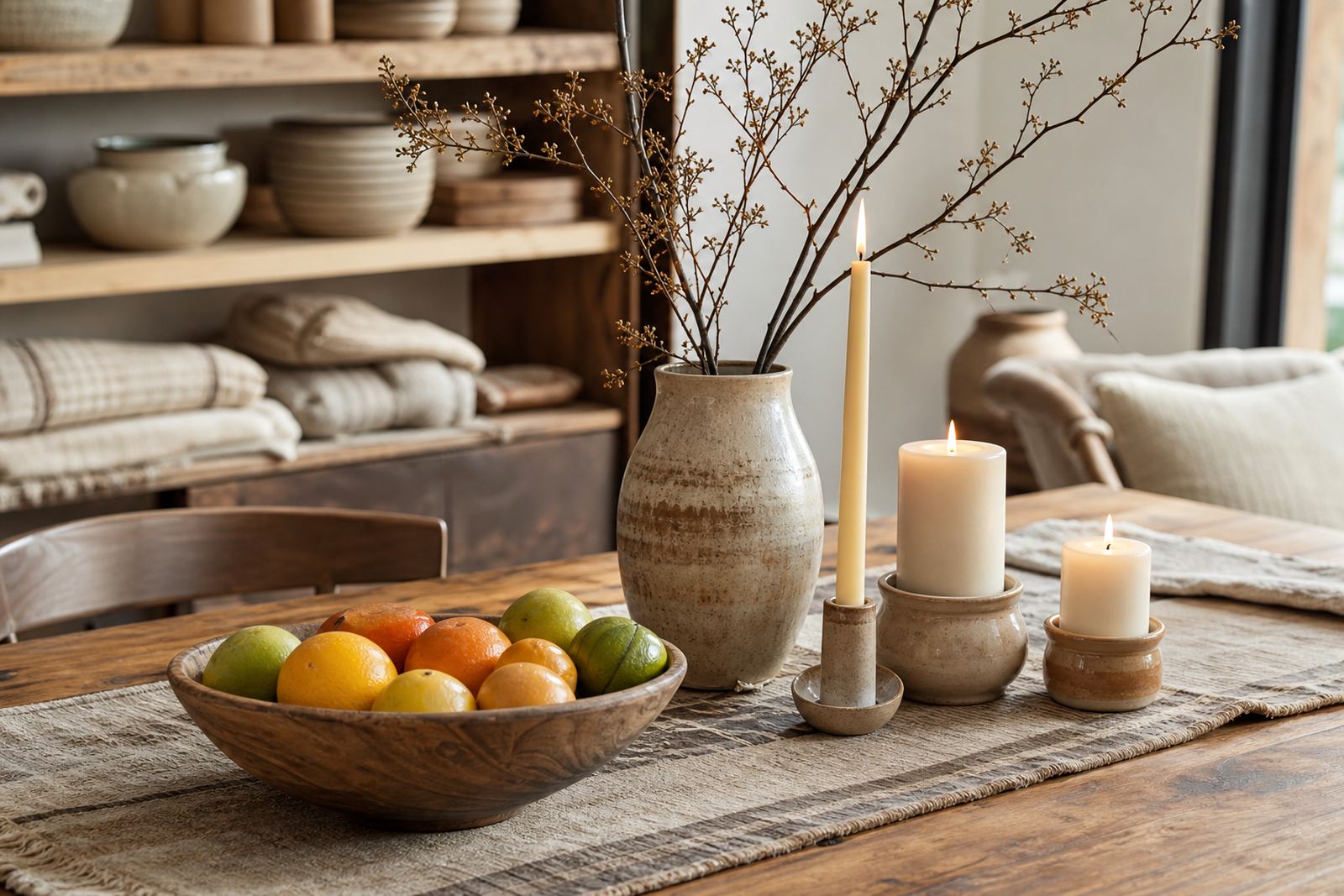
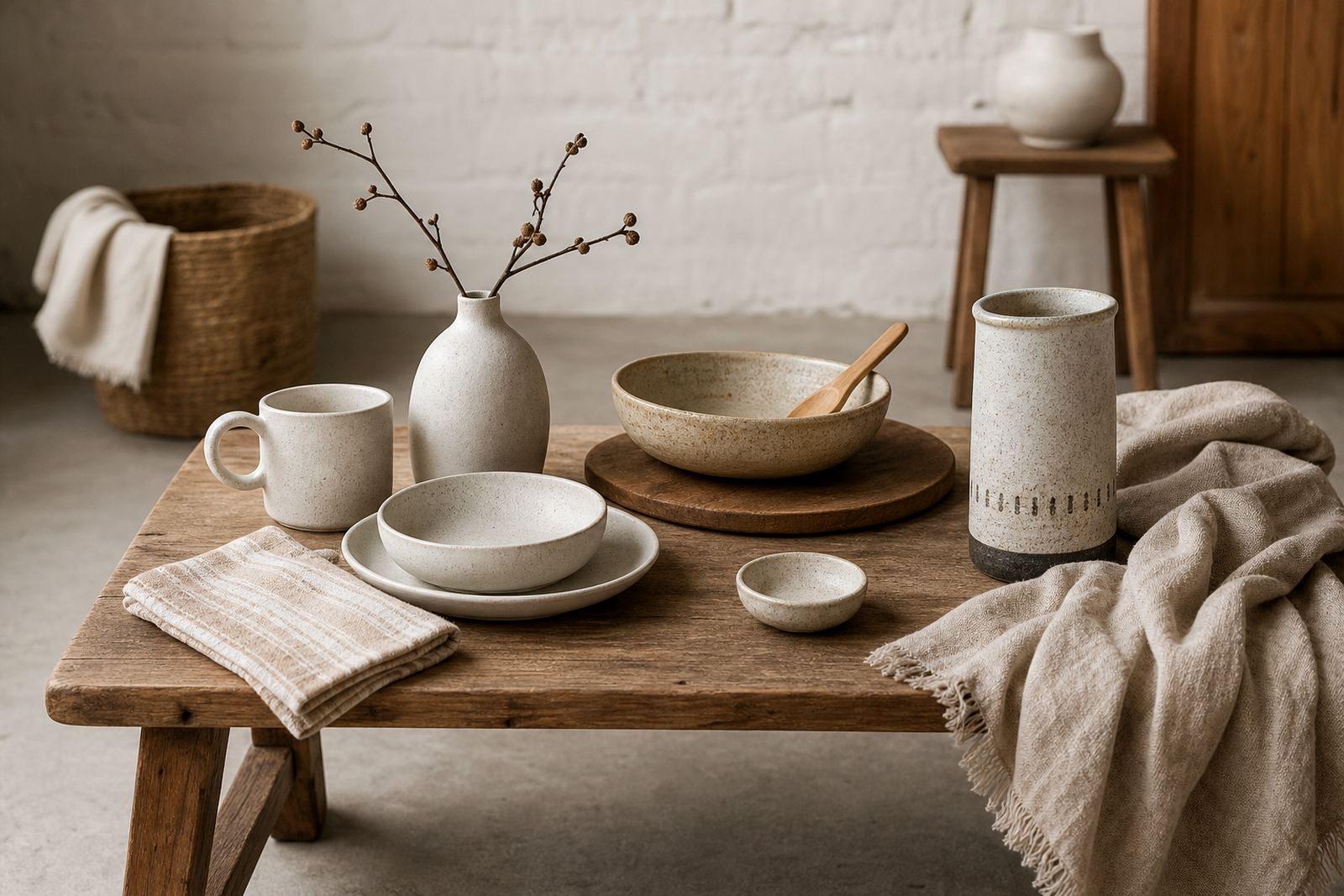
Textiles do the softening, but a bedroom also needs a few grounded pieces so it does not drift into looking unfinished. Handmade wood items, small ceramic pieces and woven baskets are useful here because they add weight and shape without making the room feel hard. A bedside tray, a small lidded bowl or a simple vase can hold the eye and break up a wall of fabric.
These pieces work especially well in coastal homes, where the air can be salty and surfaces need regular care. Glazed ceramics wipe clean easily, while sealed wood handles everyday use better than untreated pieces. Woven baskets are practical for keeping spare blankets, linen or a reading pile out of sight.
- Place one or two solid objects near the bed to balance the soft layers.
- Choose finishes that are easy to dust and wipe down.
- Keep decorative items useful where possible, not just ornamental.
Colour choices that help a room feel settled
Bedroom colour works best when it is gentle enough for rest but not flat or lifeless. Warm neutrals, clay tones, soft blue, faded green and charcoal accents all sit well with handmade textiles. A little colour goes a long way in a bedroom, particularly when the room is small or gets strong morning light. Too many bright shades can make the space feel active when it should be winding down.
If the room already has patterned curtains, a strong rug or a painted feature wall, the bed layers should lean simple. If the walls and floor are plain, the bedding can carry more of the colour story. A useful rule is to pick one main tone, one supporting tone and one dark anchor. That gives the room enough depth without making the mix feel scattered.
Natural materials also change how colour reads. Linen softens brighter shades, cotton keeps them crisp, and a woven texture can make the same tone look richer. This matters in a city like Cape Town, where bright daylight can flatten some colours and reveal every mismatch.
Care habits that keep handmade layers looking good
Handmade homeware lasts better when it is cared for with a bit of routine. Textiles need washing according to their fibre content and drying in a way that avoids harsh fading. Ceramics prefer gentle handling, especially if they are unglazed or partly glazed. Wood needs wiping with a dry or lightly damp cloth, then proper drying so moisture does not sit on the surface.
It is also worth changing layers with the season. A heavier blanket can be stored folded in a dry cupboard when the weather warms up. Spare cushion covers can be rotated so the room keeps its shape without feeling overworked. If a piece gets marked, deal with it early rather than waiting for the stain to set in.
- Wash textiles according to the fibre and weave, not just by appearance.
- Keep ceramics and glass away from knocks at the edge of the bed.
- Store off-season layers in a dry place with enough air flow.
A local bedroom example from Woodstock to Stellenbosch
Think of a spare room in Woodstock that needs to work as both guest room and quiet retreat. The bed might begin with crisp cotton sheets in a soft neutral, then add a lightly woven throw at the foot of the bed and two cushions in a muted earthy tone. A small ceramic dish on the side table can hold jewellery or reading glasses, while a wooden tray keeps the surface tidy. The room feels calm, but it still has enough texture to look considered.
That same approach works just as well in Stellenbosch, where many homes carry older timber furniture and cooler winter light. The mix does not need to be elaborate. It only needs balance: a base layer that feels good to sleep in, one or two extra textiles for warmth, and a few made-by-hand pieces that give the room a sense of place. When the layers are chosen with care, the bedroom looks settled before the lamp is even switched off.