
Start With One Piece That Can Hold Its Ground
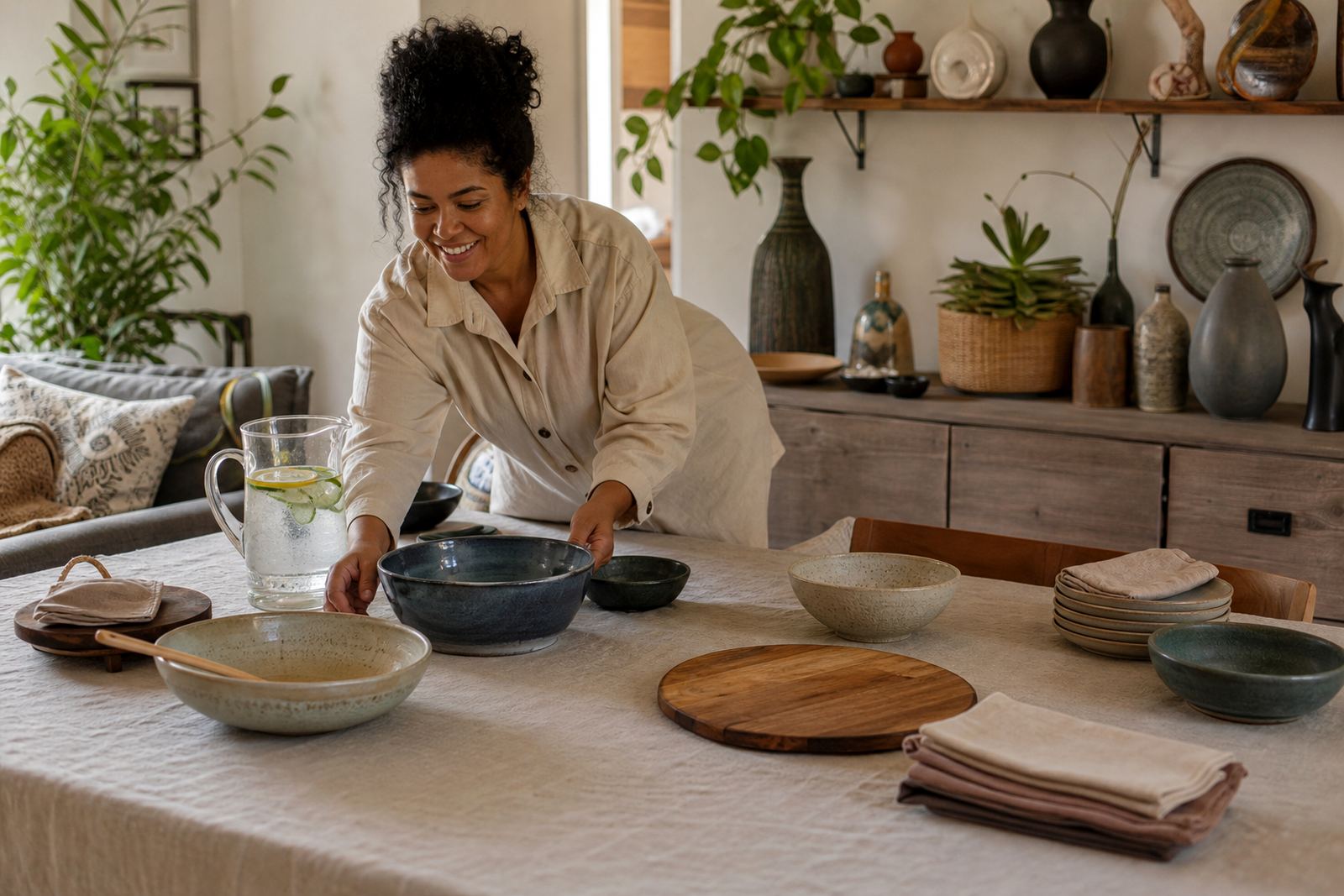
Begin with a vessel that has enough presence to anchor the table. A hand-thrown ceramic bowl, a wide wooden platter, or a woven tray with a firm base all work well, as long as the shape feels steady and honest. The centrepiece should look settled before anything else is added.
Size matters here. On a narrow dining table in a Woodstock flat, a low bowl around 30 to 35 cm wide can do the job without crowding plates and glasses. On a longer table in Stellenbosch, a wider base gives you more room to spread out fruit, foliage and candles. The vessel is not there to compete with the food, it holds the whole idea together.
If the piece has a glaze, check that it is smooth enough for fruit and flowers to sit in without scratching. If it is wood, choose a dry surface and keep it away from wet stems unless you line it first. A centrepiece works best when the materials suit each other, not when you force them to behave the same way.
Build The Colour Story Around What Is Fresh
Fruit gives a centrepiece weight and colour at the same time. Citrus, figs, pears and grapes are easy to style because they have different shapes and bring in natural variation. In Cape Town, a bowl of lemons with a few green leaves can feel fresh and coastal, while in Durban the same idea can lean more tropical with limes, bananas and glossy leaves.
Flowers should support the fruit, not drown it. Choose one or two varieties and keep the stems short so the arrangement stays low enough for conversation. A single bunch of small blooms can be enough if the vessel already has a strong form. If the flowers are soft in colour, let the fruit bring contrast. If the fruit is bold, keep the flowers quieter.
- Use one main colour family and one supporting tone.
- Repeat a shape twice, such as round fruit or upright stems.
- Leave some open space so the centrepiece breathes.
- Mix glossy surfaces with matte ones for balance.
For a South African home, seasonal shopping keeps the look grounded. Summer fruit from local markets in Johannesburg or Durban can add plenty of colour, while winter arrangements in Pretoria often look better with pears, naartjies and dried stems. The point is to work with what is available, not force a fixed look through every season.
Candles Need Space, Not Too Much Drama
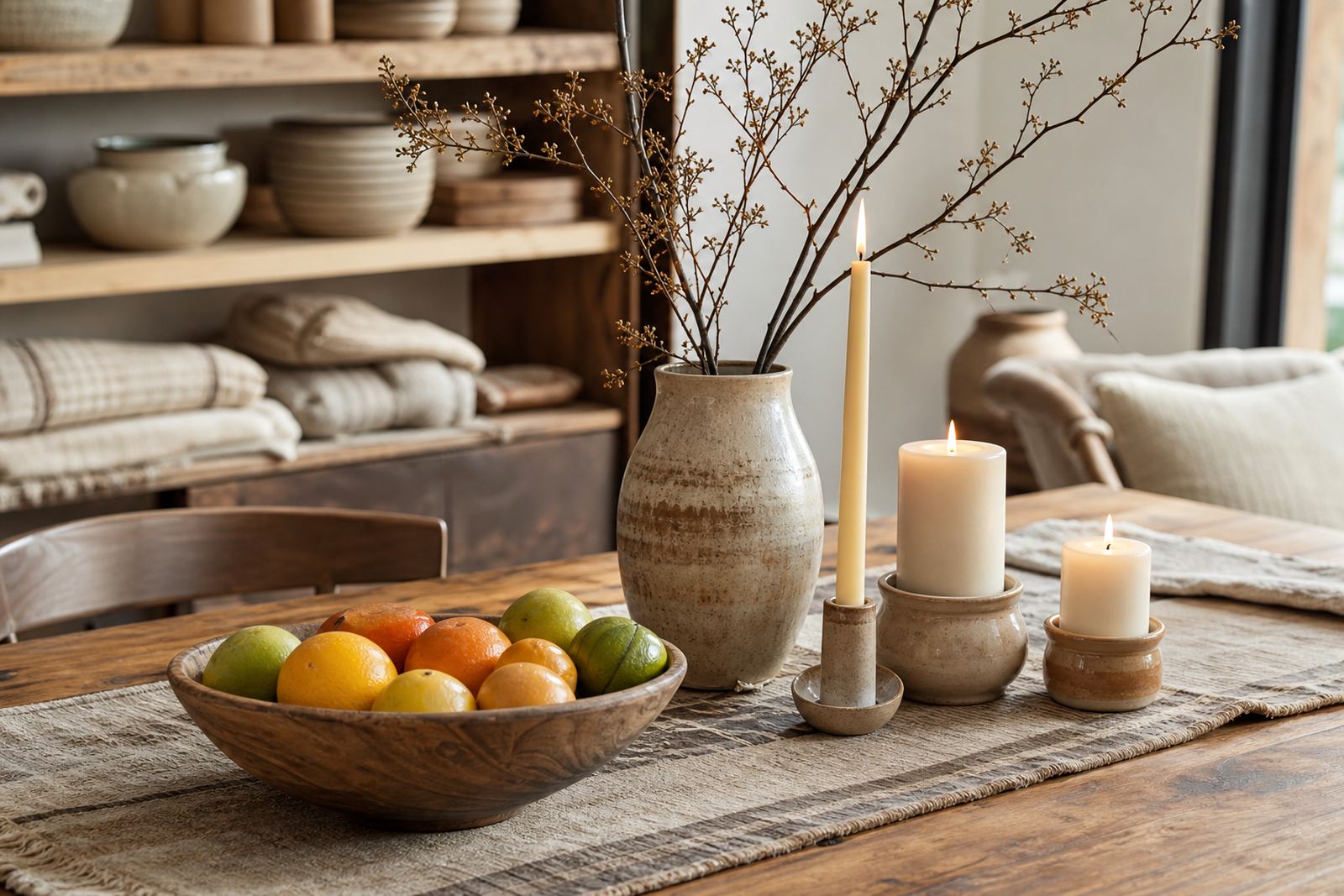
Candles bring warmth, but they should not take over the table. Use them as a frame around the vessel rather than a second centrepiece. A few slim candles in holders can work beside a low bowl, or one thicker candle can sit just off centre if the arrangement already has enough visual weight.
Keep the flame height in proportion to the rest of the setting. Tall candles can look elegant, but they should not block sightlines across the table. For an evening meal in an apartment with a low ceiling, shorter candles often look cleaner and safer. If children are around, or the gathering is casual, tealights in small holders can still give the table a calm glow.
It helps to think in layers: vessel first, fruit second, flowers third, candles last. That order stops the arrangement from becoming cluttered. If the table is already full of dishes, reduce the number of candles and let the fruit carry more of the colour.
A Simple Method For A Table That Feels Finished
There is no need to pack every surface. A centrepiece works best when it has a clear start and stop point. Place the main vessel first, then add fruit in groups rather than one by one. Keep larger pieces low and tuck smaller pieces in around them. After that, place the flowers so they soften any hard edges, then position the candles with enough breathing room between them.
For a long rectangular table, a single centred arrangement often feels stronger than a row of small bits. If the table is very long, you can stretch the composition slightly by repeating one or two elements at each end. On a round table, keep the design compact and low so everyone can reach across without leaning around it.
- Anchor the centre with one bowl, platter or tray.
- Add fruit in odd numbers for a more natural rhythm.
- Use flowers to soften gaps, not fill every gap.
- Place candles where they can glow without crowding the food.
A good test is to step back and look at the table from the doorway. If the arrangement still feels calm from a distance, it is probably balanced enough for the meal.
Materials And Care That Hold Up In Real Homes
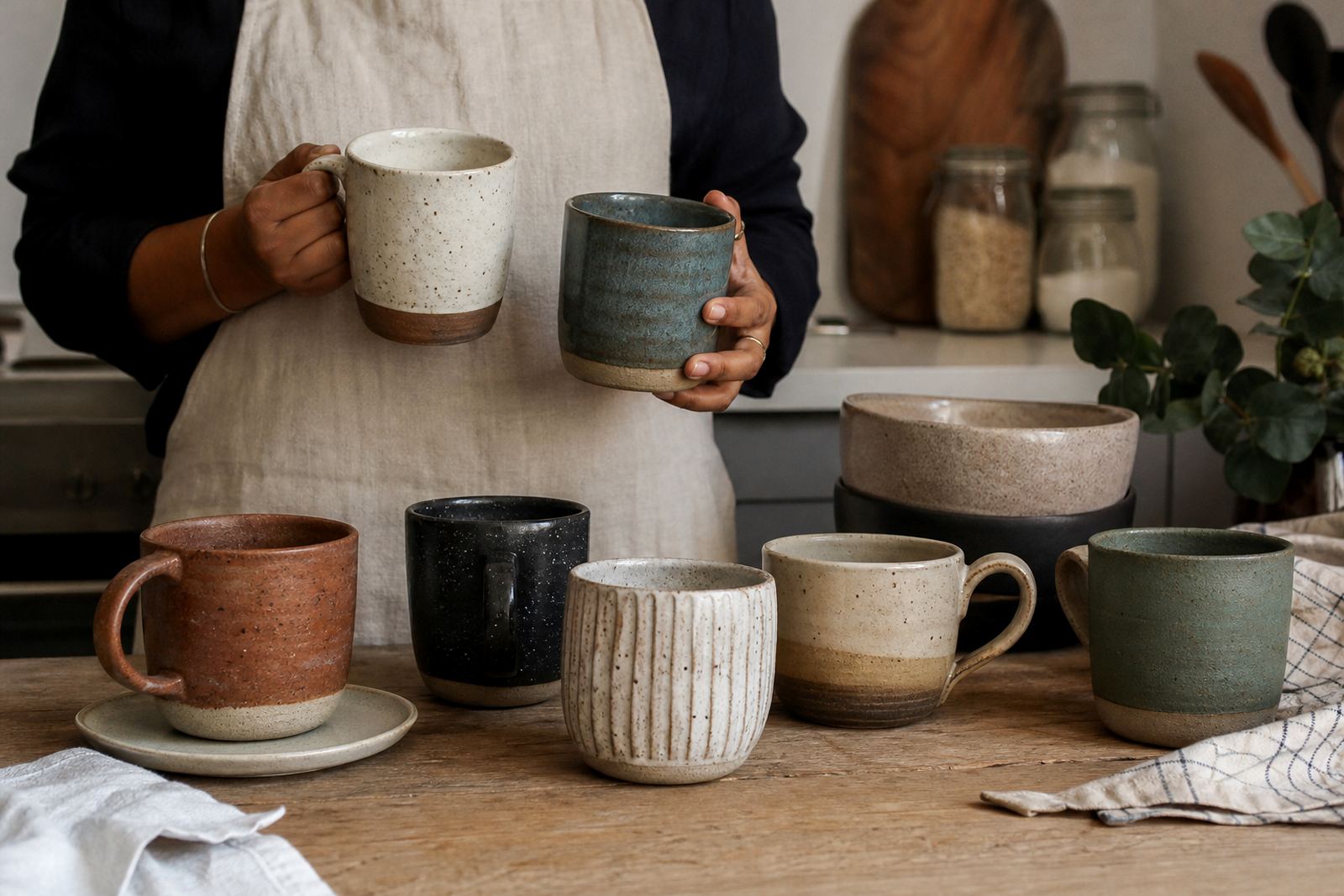
Handmade pieces need a little more care than factory-made décor, but not much if you handle them properly. Ceramics should be washed with mild soap and dried fully before storage. Avoid sudden temperature changes and do not leave water sitting in unglazed sections. Wood should be wiped dry after use and treated with food-safe oil when it starts to look thirsty. Textiles such as runners or napkins should be cleaned according to the fibre, then stored flat or folded neatly so they do not crease too badly.
In coastal areas like the Atlantic Seaboard, humidity can affect wood and natural fibres, so keep pieces dry and aired out. In inland homes around Pretoria and Johannesburg, dust is the bigger issue, so regular wiping matters more. A centrepiece that is used often should be easy to lift, clean and put away without fuss.
If you want the look to last beyond one lunch or dinner, choose materials that can handle repeated handling. A ceramic bowl with a stable base, a woven placemat with tight construction, or a well-finished wooden tray can all do plenty of work over time. A centrepiece should be useful first, decorative second.
A Woodstock Table Setting With Local Character
Picture a Sunday lunch in Woodstock, with a simple oak table, white plates and a centrepiece made from a wide ceramic bowl. Inside the bowl sit naartjies, a few figs, and green leaves picked from the garden. Beside it are two short candles in small holders, and a folded textile runner in a muted natural shade. Nothing is overworked, yet the table feels complete.
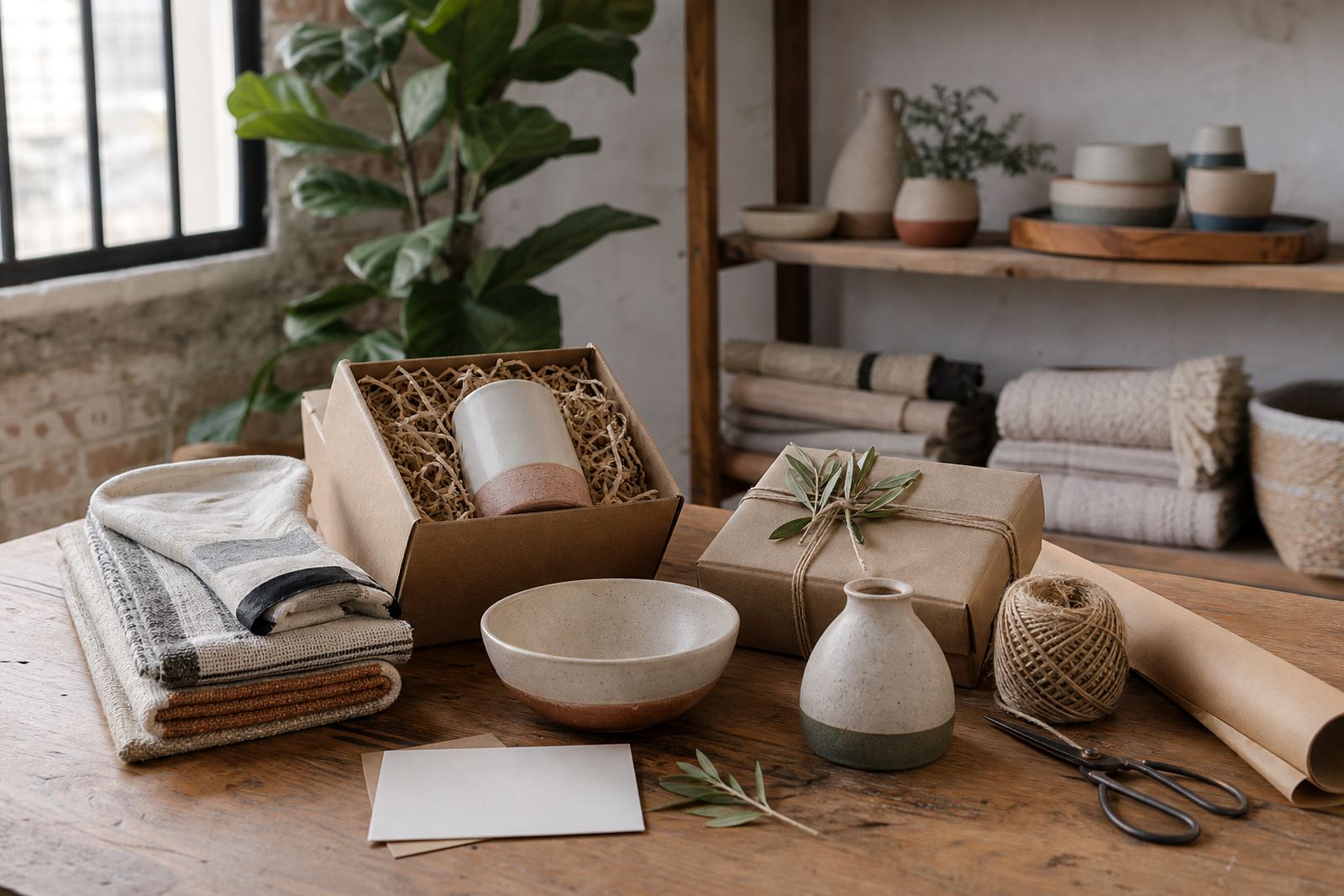
That kind of setup suits South African homes because it is practical and personal. It can move from a casual family meal to a birthday gathering without needing a complete reset. If you are preparing a housewarming gift, this mix also works well as a bundled idea: one vessel, a set of napkins, and a candle or two. For wedding gifting or corporate gifting, a curated selection like that feels thoughtful without being fussy.
LocalMaker works with handmade homeware by South African makers, so the materials and finishes already carry some character before you place a single stem or piece of fruit. The rest is just arrangement, care and a bit of restraint. A centrepiece does not need to shout. It only needs to hold the eye long enough for the table to feel ready.