Start with the food you serve most often
Before looking at glaze colour or pattern, think about the meals that actually leave your kitchen. A bowl for pap, salad or roast vegetables needs a different shape from one used for rice, fruit or a braai side. If you cook for a small family in Woodstock, a medium bowl can be enough for weekday use, while larger households in Johannesburg or Pretoria often need a fuller serving size that can move from counter to table without feeling cramped.
General serving volumes help more than guesswork. A shallow bowl suits tossed salads and roasted veg because it spreads the food out and keeps it easy to serve. A deeper bowl works better for stews, pasta and dishes with sauce. When a bowl is too small, food spills over the rim and looks untidy. When it is too large, the serving can seem lost and the dish cools down faster.
- Small bowls suit snacks, dips and side portions.
- Medium bowls work well for salads, fruit and shared vegetables.
- Larger bowls suit family-style meals, pasta and braised dishes.
Depth changes how the bowl behaves at the table
Depth is often overlooked, yet it affects both serving and presentation. A low bowl is easier for spoons and tongs to reach into, which matters when guests are helping themselves. A deeper bowl holds heat a bit longer and reduces splashes when the food is saucy. For a Durban lunch with curries, sambals or salads with dressing, that extra depth can make serving less messy.
Think about the rim too. A wide rim gives you more room to grip the bowl and makes it feel steady on the table. Narrow rims can look neat, but they can be harder to hold if the bowl is heavy or full. If you often carry dishes from kitchen to courtyard or balcony, the shape should feel balanced in your hands.
- Shallow profile: best for dry foods and shared sides.
- Medium depth: useful for most everyday serving needs.
- Deep profile: better for saucy meals, fruit salad and stew.
Weight matters when the bowl gets passed around
A serving bowl must feel solid enough to stay put, but not so heavy that it becomes awkward when full. Handcrafted ceramic bowls often have more weight than lightweight factory-made pieces, and that extra mass can be useful on a windy Atlantic Seaboard balcony or a busy Cape Town dining table. The bowl should sit firmly without sliding, yet still be easy to lift with one hand when needed.
Weight also affects comfort during washing and storage. A thick ceramic bowl can feel reassuring, but if it is too heavy for a shelf or cupboard the regular use becomes tiring. Wood bowls are lighter and warmer to handle, while textile-lined baskets are useful for breads and rolls. Each material has its place, but the best one is the one that fits the way you serve food most often.
- Heavier bowls are stable for shared table service.
- Lighter bowls suit frequent lifting and stacking.
- Wood is generally lighter than ceramic, but needs gentler care.
Material choices for South African homes
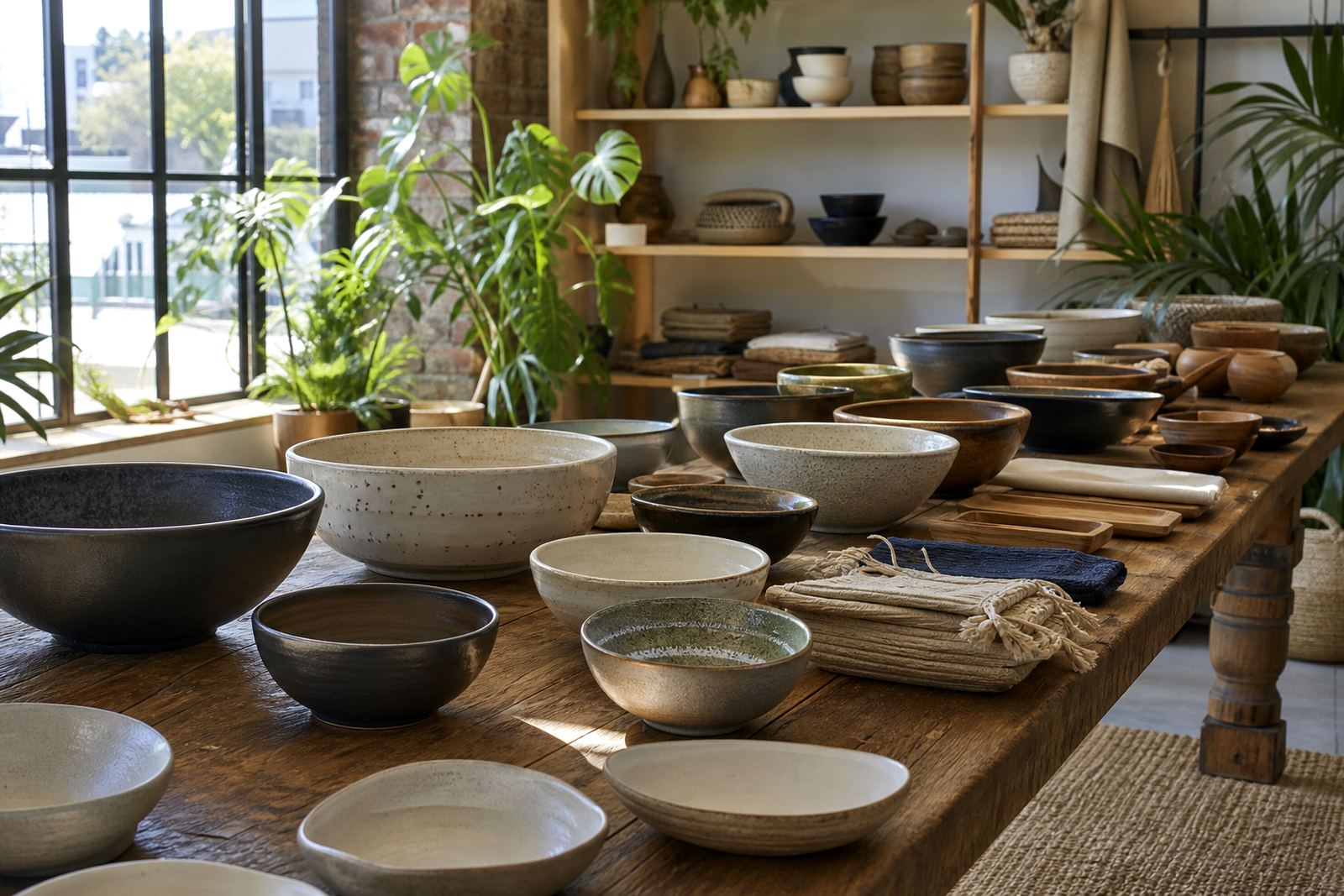
Handmade homeware brings character, but material should still match the job. Ceramic bowls are strong for everyday serving and suit both casual meals and more formal tables. Textiles are better for bread liners, table accents or wrapped gift sets. Wooden bowls and trays offer a natural look and are comfortable for dry foods, fruit and decorative use. In coastal areas like Cape Town and Stellenbosch, wood and textiles need a bit more care because humidity can affect shape and finish over time.
When choosing a ceramic serving bowl, check that the base is even and that the glaze covers the interior smoothly. A good glaze helps with washing and reduces staining from tomato, curry or beetroot. For wood, look for a well finished surface with no rough fibres. Textile pieces should have neat stitching and fabric that feels sturdy enough for regular handling.
- Ceramic: good for most hot and cold dishes.
- Wood: best for dry foods, fruit and lighter serving.
- Textiles: useful for bread, lining and gifting.
Care details that keep bowls useful
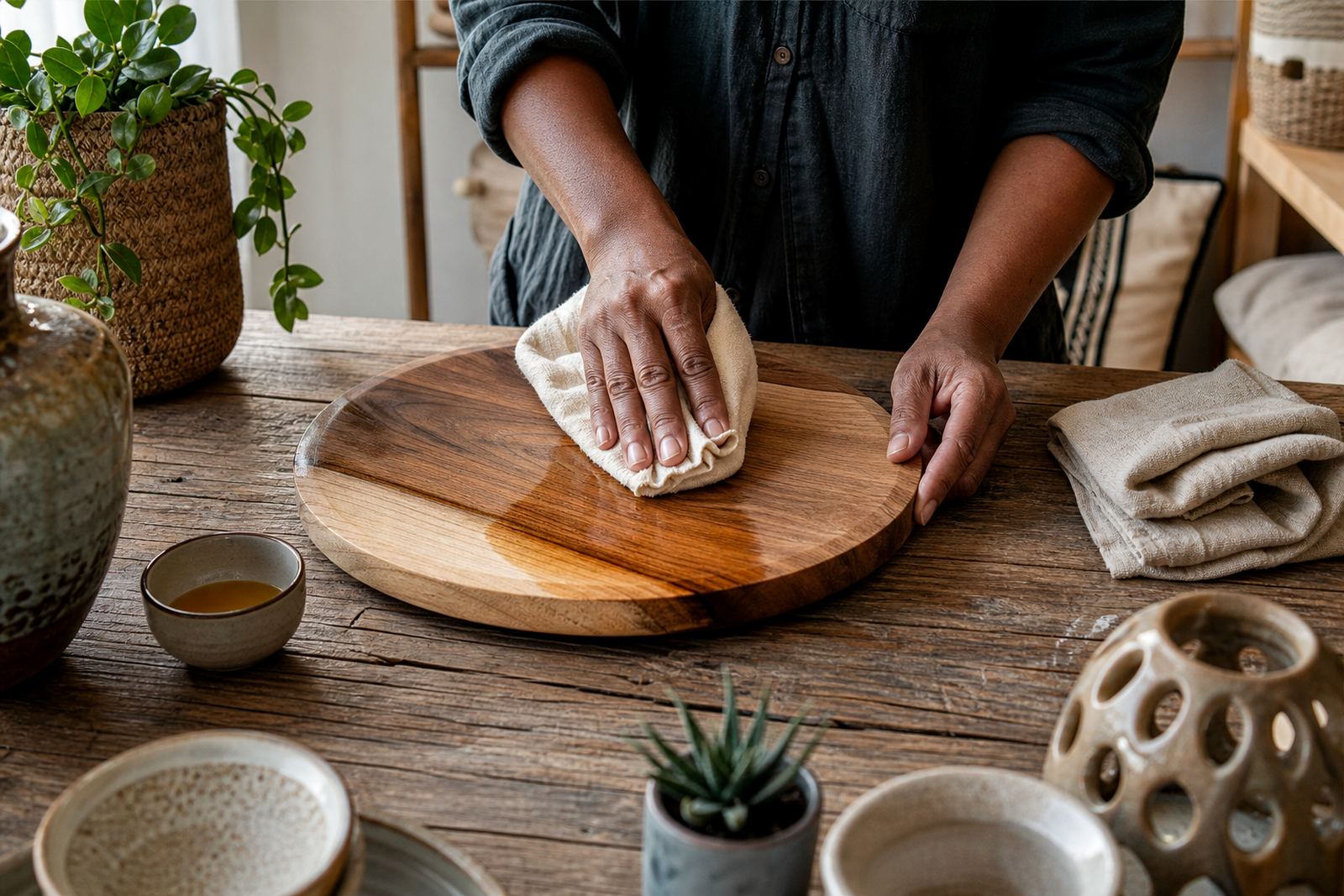
Good care starts with knowing what each bowl can take. Many handmade ceramic bowls handle regular washing well, but sudden temperature changes can cause stress, so avoid moving them from very hot to very cold water too quickly. Wooden bowls last longer if they are dried properly after washing and kept away from soaking. Textiles should be washed according to the fabric, then folded fully dry before storage.
If you are buying for a gift registry or a housewarming set, care matters as much as appearance. A beautiful bowl that chips easily or stains fast will not be used as often. For everyday homes, choose pieces with a shape you can clean without fuss. That practical decision saves time and keeps the bowl in use, whether it is serving fruit for a family in Southern Suburbs or snacks for a corporate lunch in Pretoria.
- Check how easy the surface is to wash by hand.
- Make sure the base sits flat and does not wobble.
- Look for finishes that suit the food you serve most.
Matching the bowl to the room and the meal
The best serving bowl fits the meal and the room where it is used. A small flat bowl can look neat on a coffee table with nuts or fresh fruit. A wide deep bowl works better on a dining table where guests serve themselves. If your home has limited cupboard space, one well chosen medium bowl may be more useful than several pieces that are beautiful but awkward to store.
Local homes often need bowls that move easily between everyday meals and special occasions. In a Cape Town flat, a medium ceramic bowl may serve salad at supper and hold bread on the weekend. In a family home in Johannesburg, the same bowl might move from rice to fruit salad to roasted vegetables. That flexibility is what makes a handmade piece worth choosing carefully.
LocalMaker curates handmade serving bowls with these practical details in mind, so the piece you pick feels right on the table and useful in the hand. If you are choosing for gifting, bulk orders or custom bundles, the same sizing logic applies: useful shape, balanced weight, and a finish that suits real meals.