
Start with the feel, not only the photo
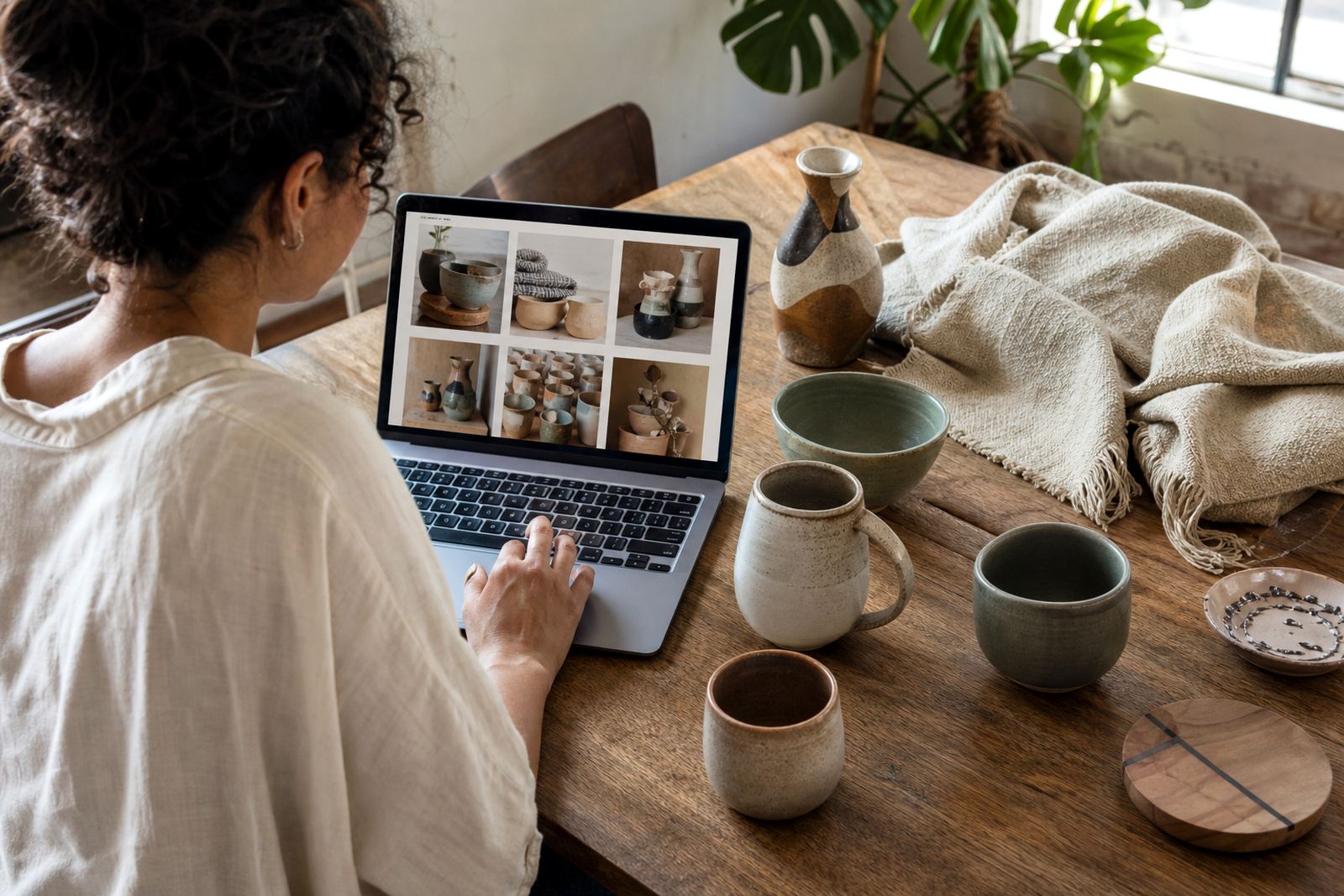
When a bowl, throw or serving board is made by hand, the appeal is often in the surface, weight and slight variation from piece to piece. Online, that means the product description needs to do more than repeat the name of the item. Look for notes on glaze, weave, fibre, grain, finish and size so you can picture how the piece will work in your kitchen, lounge or dining room.
For tactile items, close-up images matter. A mug might have a smooth interior and a softer hand-thrown edge. A cushion cover may show a slub in the weave that gives the fabric character. If the photo only shows the object from far away, you are left guessing about texture and proportion.
- Check whether the item is handmade, hand-finished or machine-made with handmade details.
- Look for dimensions in centimetres, not only a general size label.
- Read whether colour variations are part of the making process or a defect.
- Note if the photos show one item or a set, especially for serving ware and textiles.
Ceramics need clear details before they land in your cupboard
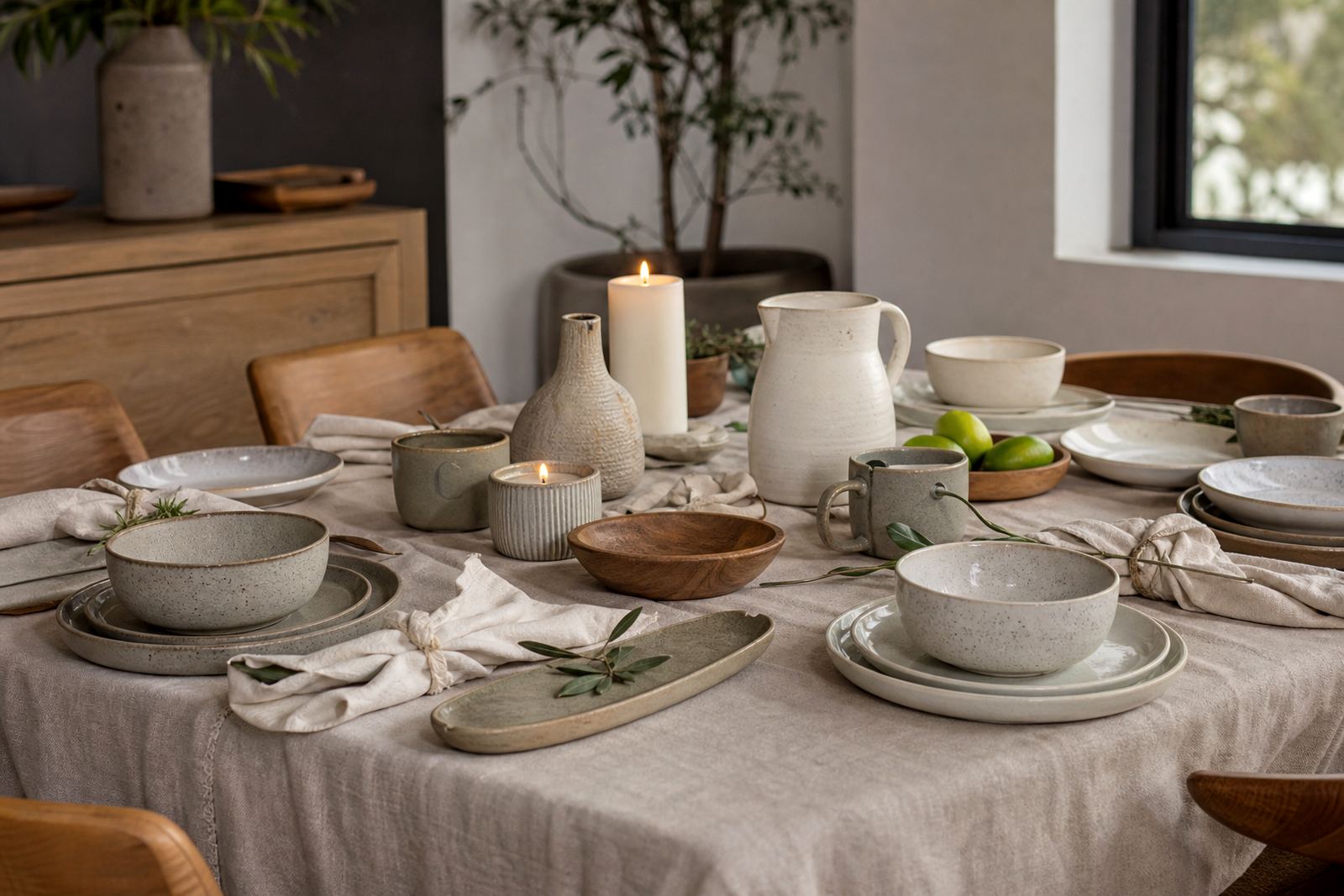
Good ceramic pieces should tell you how they are made and how they should be used. Stoneware, earthenware and porcelain behave differently in everyday life. A serving platter for roasted vegetables, for example, may be heavier than a breakfast plate, while a hand-glazed mug may have tiny variations in colour that make each one slightly different.
In a coastal home in Woodstock or along the Atlantic Seaboard, ceramics can also be exposed to humidity and frequent washing. That does not mean they are delicate beyond use, but it does mean the finish and care notes matter. If a glaze is matte, ask how it should be cleaned. If a piece is intended for hot food or drinks, confirm that the maker has listed that clearly.
- Look for the clay body and finish type if it is provided.
- Check whether the item is microwave, dishwasher or oven suitable where relevant.
- Make sure the size suits your shelf, table or cupboard space.
- Watch for natural marks like pinholes, speckles or slight colour shifts, which can be part of handmade work.
Textiles should tell you about weave, fibre and care
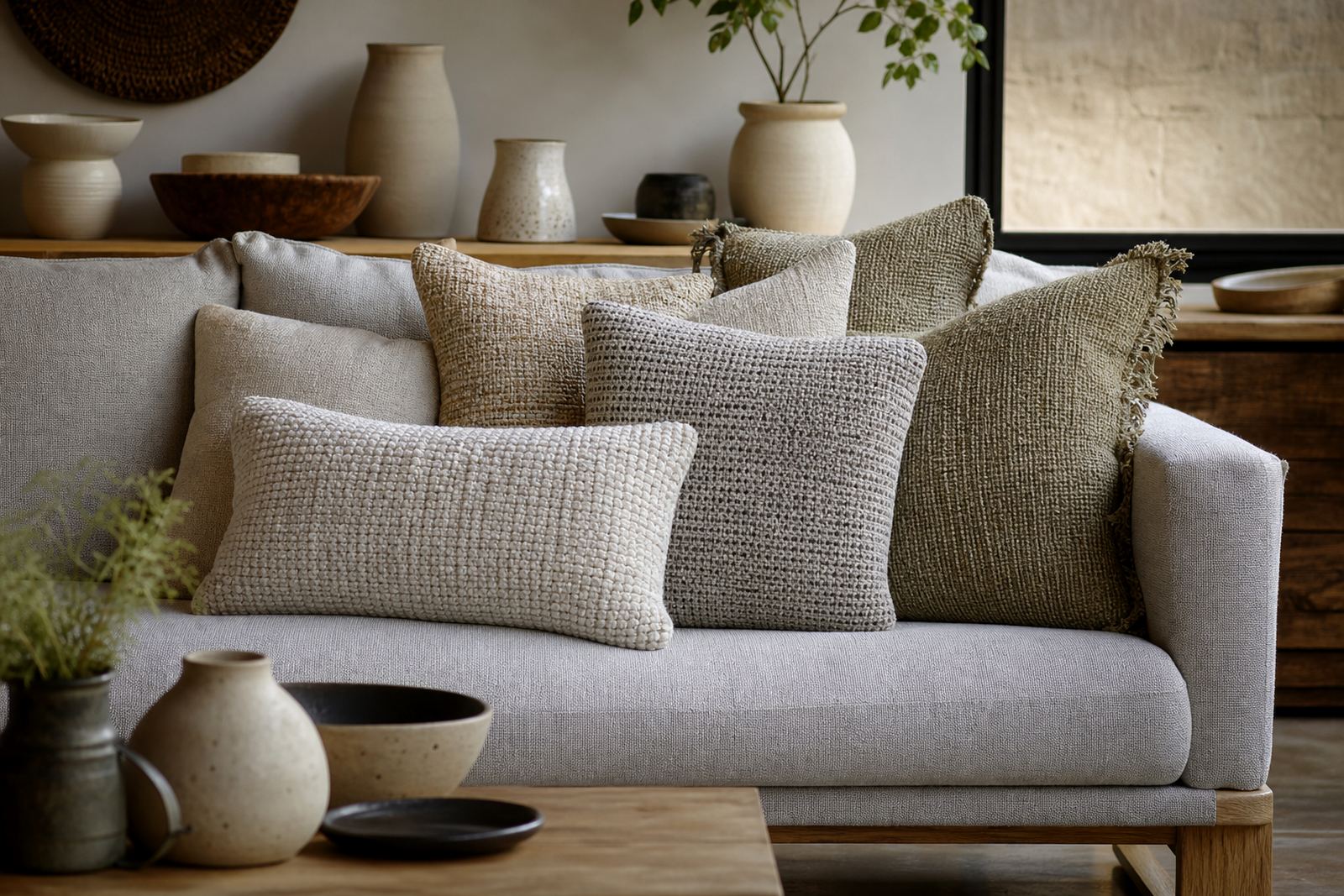
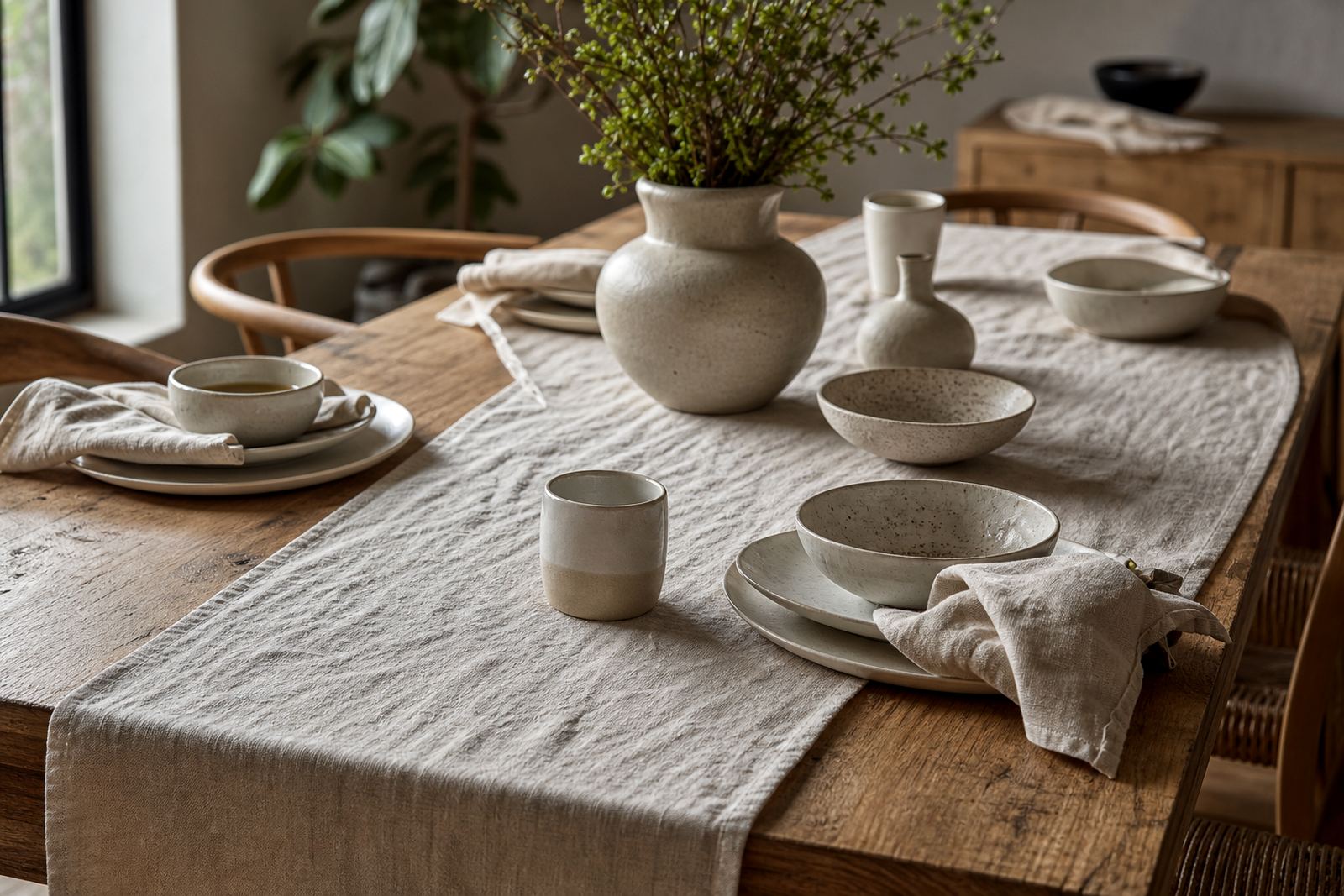
Textiles often look easy to buy online because they are soft goods, but the difference between a cushion cover that wears well and one that frays quickly is usually in the details. Cotton, linen, blends and woven fibres all behave differently. A linen throw may crease naturally, while a densely woven runner may hold its shape better on a dining table.
Care notes matter even more here because South African homes see plenty of sun, dust and regular use. If a cushion cover will sit in a bright Johannesburg lounge or a Durban room with stronger humidity, the fabric and cleaning instructions should be clear. For table linens, check shrinkage advice and whether the item has been pre-washed or pre-shrunk. That gives you a better idea of how it will settle after the first wash.
- Confirm fibre content instead of relying on a general label like fabric.
- Read care instructions for washing, drying and ironing.
- Check the size after sewing finishes, hems and seams are added.
- Look for colourfast guidance if the piece will be washed often.
Wood pieces need honest notes on finish and use
Wooden homeware can be one of the most useful things you buy online, from chopping boards to trays, stools, bowls and wall pieces. What matters is not only how the wood looks, but how it has been sealed and maintained. A light oil finish will age differently from a harder varnished surface, and that affects both appearance and care.
For kitchens and dining rooms, wood should be described clearly so you know whether it is intended for serving, chopping or display. Grain variations are part of the appeal, but the product listing should still tell you if the piece is made from a single timber, joined sections or reclaimed material. That helps you choose a finish that works with your routine and the mood of the room.
- Check whether the piece has been oiled, waxed, sealed or left natural.
- Look for care advice about wiping, drying and avoiding soaking.
- Confirm whether the item is meant for food use or decorative use only.
- Ask about visible joins, knots and grain shifts if the listing is not specific enough.
Delivery details matter more than people think
When you buy handmade homeware online, you are not only ordering an object, you are also trusting the packing and delivery process. Ceramics need padding. Textiles need to arrive clean and free of snagging. Wood needs to be packed so the corners and edges do not take knocks on the way to you.
If you are sending a gift to Stellenbosch, Pretoria or Durban, delivery information should be specific enough to help you plan around access, building rules or reception hours. For housewarming sets and wedding gifting, it is worth checking whether the order can be wrapped, labelled and separated into gift notes before it leaves the warehouse. In busy households across Cape Town and Johannesburg, that extra care makes a practical difference.
- Make sure the delivery area is covered, including suburbs and city centres.
- Ask how breakable items are protected inside the parcel.
- Check whether gift wrapping and notes can be added to one order.
- Confirm if replacement help is available when something arrives damaged.
A local purchase should still feel organised
Buying from a South African maker is often about more than style. It is also about supporting skilled hands and getting items that suit local homes, local weather and local routines. A curated online shop can help by grouping similar pieces, explaining care, and making it easier to match a mug with a placemat or a serving bowl with a runner.
At LocalMaker in Woodstock, Cape Town, the focus is on handmade homeware from South African makers and delivery across South Africa, including Cape Town, Johannesburg, Durban, Pretoria and Stellenbosch. That local reach matters because a buyer in the Southern Suburbs may need something different from a gift order heading to the Atlantic Seaboard or a corporate bundle for offices in Pretoria. The better the product notes and gifting options, the easier it is to choose with confidence.
For practical buying, it helps to treat each item as both a useful object and a craft piece. If you need a housewarming set, a wedding gift or a custom bundle, keep the same checklist in mind: materials, size, care, packing and delivery. That is usually where the difference lies between an item that simply looks good online and one that works in daily life.