Why linen works so well at the table
Linen has a natural structure that sits neatly on a table without looking stiff. It drapes well, absorbs a little moisture, and feels comfortable under plates, glassware and serving dishes. For homes in Cape Town, Johannesburg, Durban and Pretoria, that balance matters because table linen often has to handle daily use, not just special occasions.
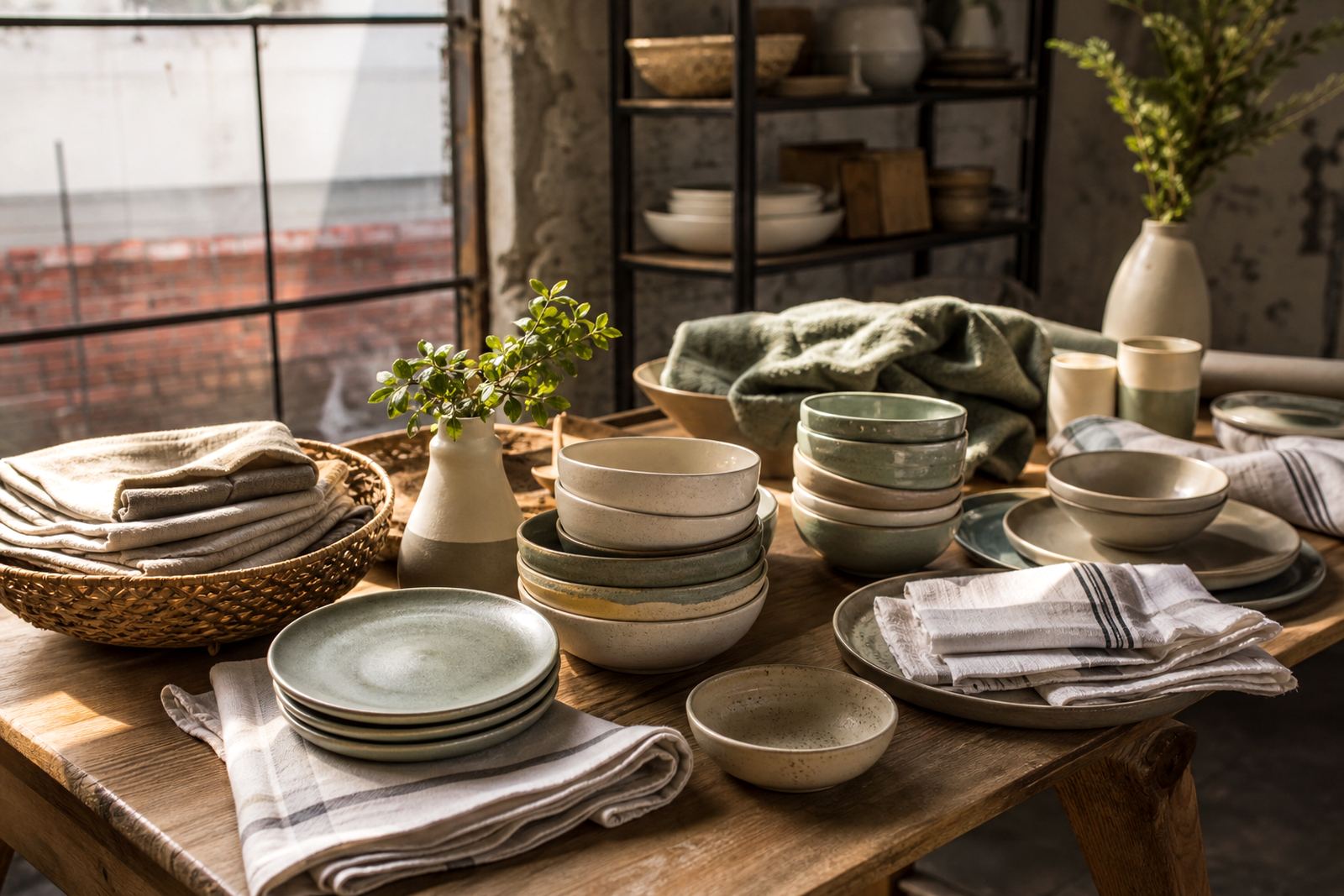
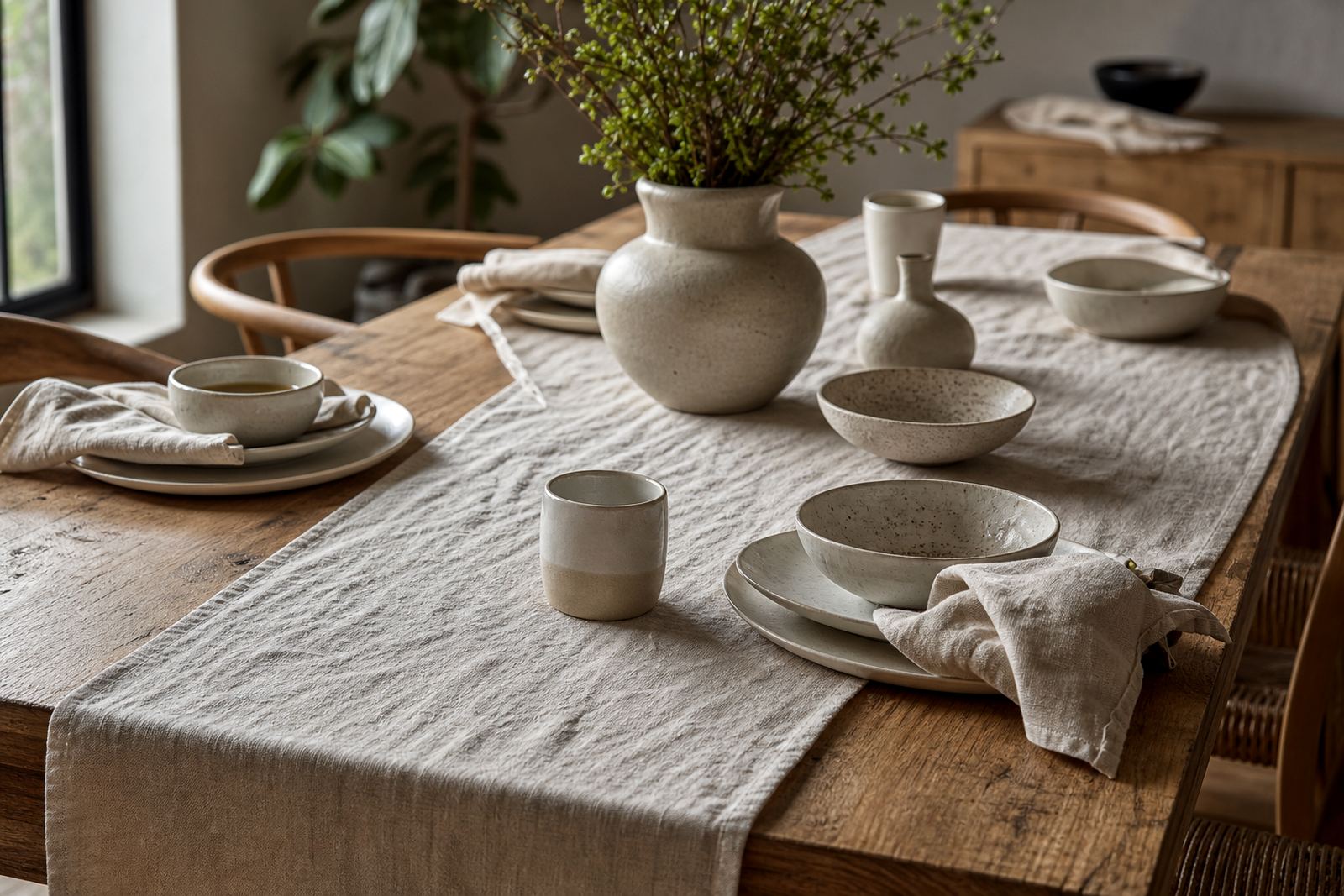
Unlike shiny synthetics, linen has a quiet texture that suits handmade ceramics, timber serving pieces and mixed tableware. It does not try too hard. That is part of the appeal. A plain runner or a set of napkins can shift the whole meal from functional to considered, without making the table feel overdone.
- Tablecloths help soften hard tops like wood, stone and glass.
- Runners are useful for smaller tables and mixed place settings.
- Cloth napkins bring a more complete look and are practical for repeated use.
- Natural fibres sit well with handmade homeware and simple seasonal food.
Choosing cloth that suits the way you eat
The best linen for tables depends on how you use the space. If meals are quick and frequent, look for pieces that can be washed often and folded without fuss. For a dining room used mainly on weekends, heavier cloth can suit a more formal setting. In coastal homes, especially around Woodstock, the Southern Suburbs or the Atlantic Seaboard, a fabric that dries well and does not hold damp for too long is useful.
Size matters too. A runner that is too short looks unfinished, while a tablecloth that is too long can get in the way of chairs. For a round table, a centred cloth with a gentle drop usually works better than a heavy overhang. For longer tables, a runner can leave enough wood visible to keep the setting grounded. It helps to measure first, not guess.
- Measure table length, width and height before choosing a cloth.
- Leave enough drop so napkins, hands and serving dishes can move easily.
- Pick neutral colours if the table also holds bright ceramics or patterned plates.
- Use stronger weave cloth for regular family meals.
Textures that sit well with South African homes
Handmade linen often has small irregularities in the weave or edge, and that is part of its character. It pairs well with materials already common in South African homes: clay, wood, woven fibre, glass and painted ceramics. A soft sand, stone, indigo or charcoal cloth can make a table feel balanced without competing with the food.
In a Stellenbosch home with a long lunch table, a natural runner can sit under terracotta serving bowls and carved wooden spoons without crowding the setting. In Durban, where humidity can be higher, lighter textiles and careful drying are useful so cloth stays fresh between uses. Linen holds a calm, lived-in look, which suits tables that are used for school lunches, Sunday lunch, birthdays and late tea.
- Use plain cloth under bold ceramic pieces to let the handmade forms stand out.
- Try textured napkins with smooth glassware for contrast.
- Choose colours that match the room light, not only the wall colour.
- Keep one set for daily meals and another for guests if the table gets heavy use.
Care that keeps table linen looking good
Good care makes a real difference with linen. Wash it in cool or warm water with a gentle detergent, then dry it fully before storing. If you line dry, shake the cloth out first so creases are less sharp. A little natural crease is normal and often looks better than a pressed, flat finish.
Avoid overloading the wash, especially with heavier napkins or runners. If a cloth has been used for a long meal, treat stains early. Food marks from sauces, oil or red wine are easier to manage before they set. For homes near the coast, storing linen in a dry cupboard helps prevent that closed, damp smell that can appear in humid weather.
- Wash light and dark cloth separately where possible.
- Treat stains gently before washing.
- Store only when fully dry.
- Press edges if you want a sharper look for guests.
Using linen for everyday meals and special tables
Table linen does not need to wait for a wedding or formal dinner. A few cloth napkins can lift a weekday supper, while a runner makes a simple table feel cared for. For housewarming gifts in Johannesburg or Pretoria, a linen set is practical because it gets used often and suits many styles of home. For a wedding registry or corporate gifting order, neutral cloth is usually safest because it works in different interiors.
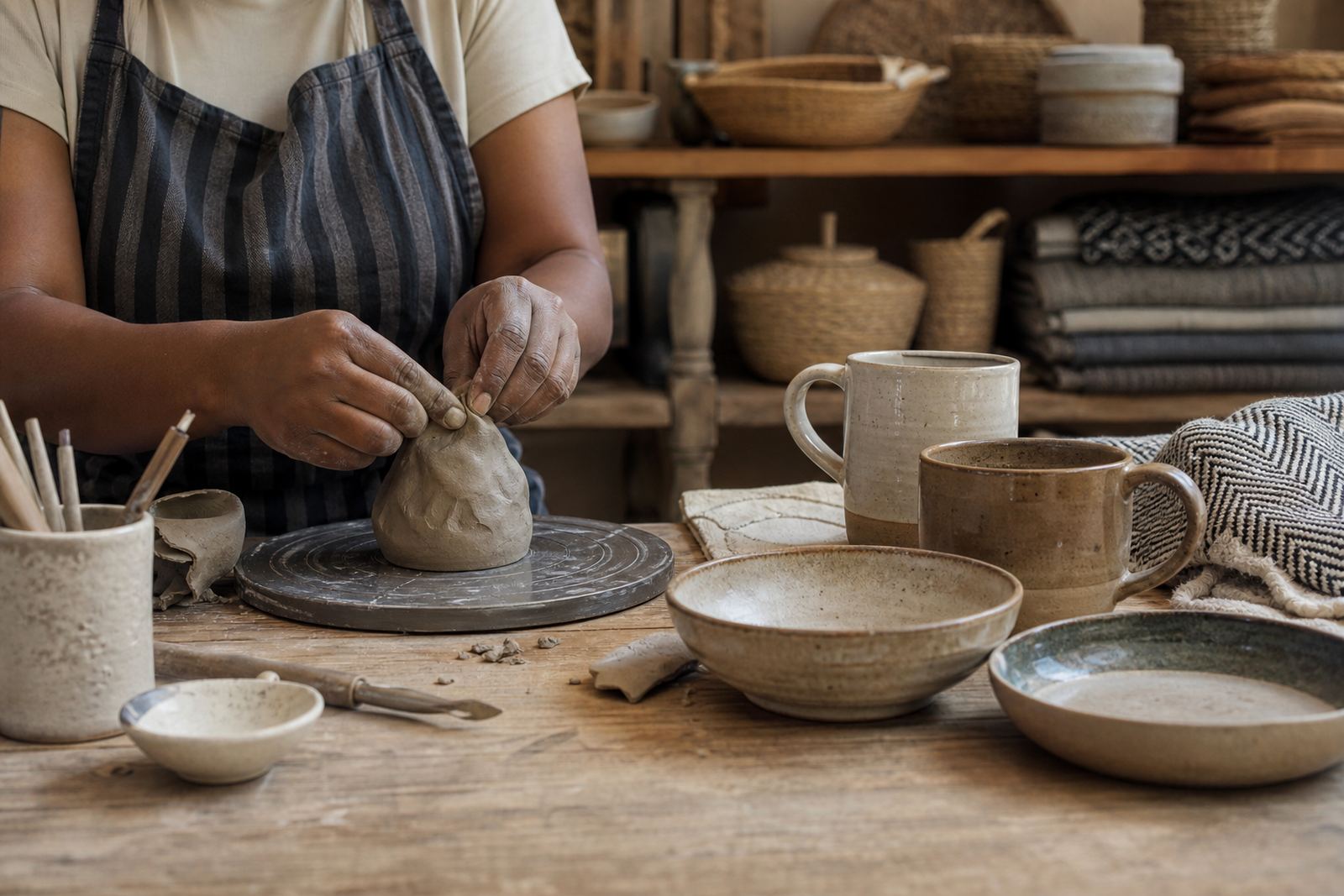
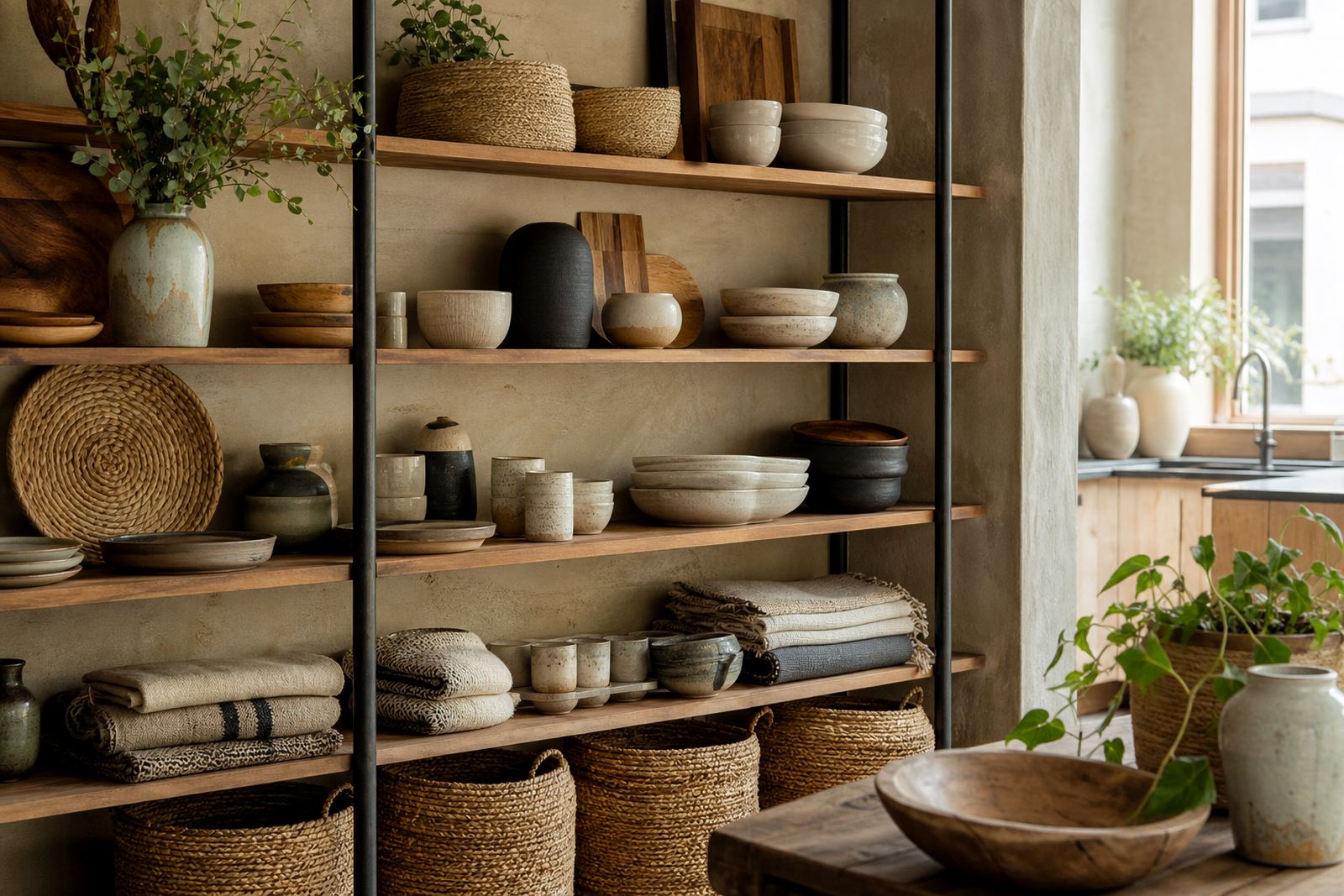
At LocalMaker, linen often sits alongside handmade ceramics and wood pieces because the combination feels natural. A woven runner under a platter of roast vegetables, or napkins folded beside hand-thrown cups, gives the table some warmth without forcing a theme. That matters when the meal is casual but still worth doing properly.
- Use linen napkins for weekday meals when paper feels wasteful.
- Choose runners for narrow tables or smaller flats.
- Mix plain cloth with patterned ceramics to keep the setting lively.
- Gift sets work well for weddings, housewarmings and family celebrations.
A local table in Woodstock, then across the country
In Woodstock, a small apartment table might hold a narrow runner, two handmade mugs and a bowl of fruit, while the same cloth can travel to a larger home in Cape Town or Stellenbosch for a longer lunch. That flexibility is part of what makes linen useful. It is not tied to one room, one season or one occasion. It moves easily from breakfast to braai side dishes, from a quiet supper to a birthday spread.
When linen is chosen well, it supports the meal rather than taking over. It brings softness to hard surfaces, gives structure to the setting and stands up to real use. That is why it has a place on tables across South Africa, from Durban humidity to dry inland afternoons, and why a simple cloth can still feel special when the food is ready.