
Start With One Quiet Base
Begin with the cushions that do the steady work, usually the largest ones at the back. A 55 x 55 cm or 50 x 50 cm cover gives you a generous base for a three-seater, while smaller seating in flats or cottage style rooms may suit 45 x 45 cm better. Keep the first layer calm in colour, especially if your sofa already has a strong fabric or a deep tone.
Neutral linen looks good in Cape Town light, while a cotton weave in clay, oat or charcoal keeps things grounded. If the sofa is in a room with lots of pattern already, a plain base stops the setting from feeling restless.
Use Texture To Carry Interest
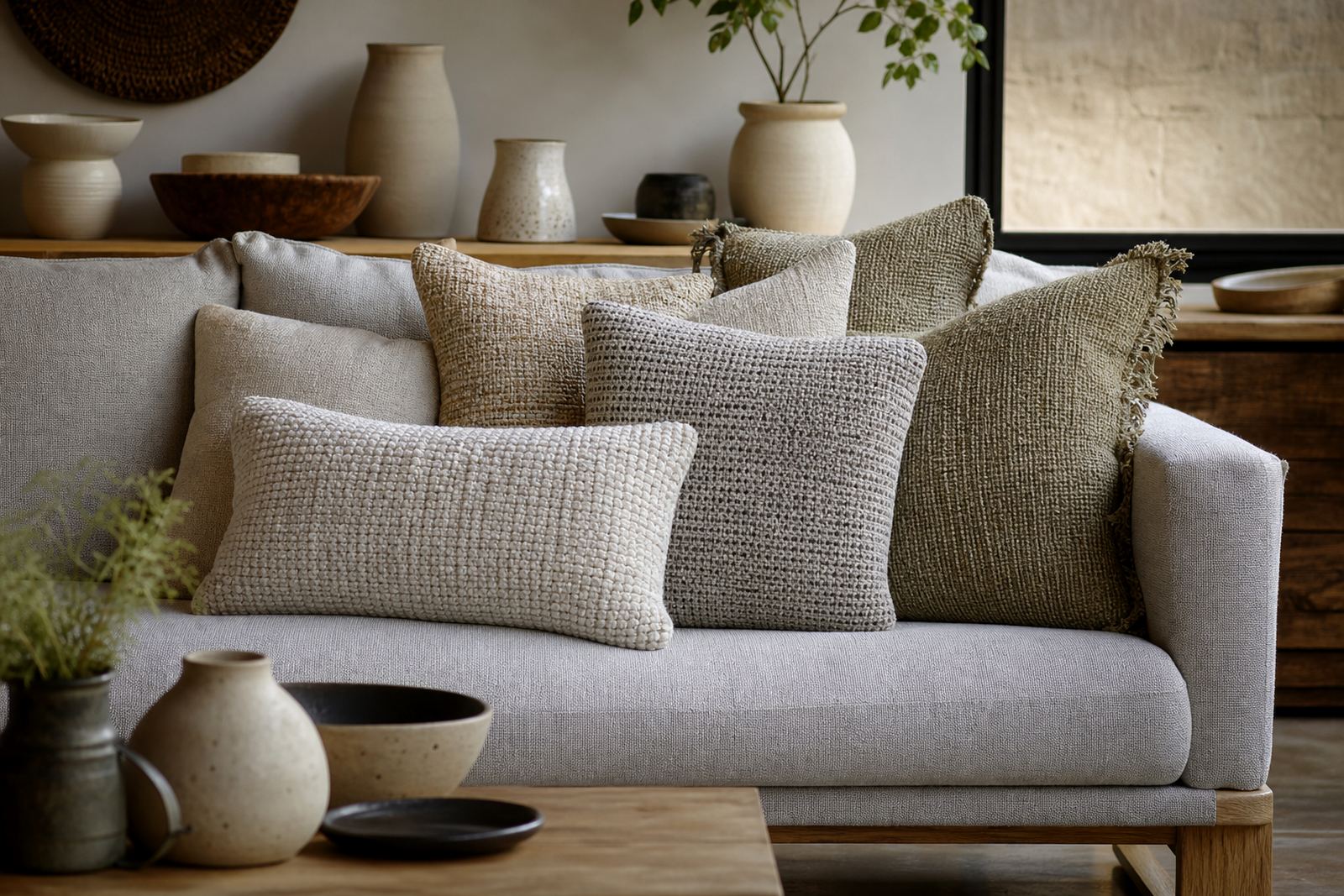
Once the base is set, add texture rather than more colour. Textured weaves, slub cotton, basket-like knits and handwoven finishes create depth without shouting for attention. A mix of smooth and nubbly surfaces gives the eye something to move across, which is important in a room with a large sofa and open shelves or hard floors.
- Pair one smooth cover with one textured cover in the same colour family.
- Mix a fine weave with a more tactile fabric to avoid a flat look.
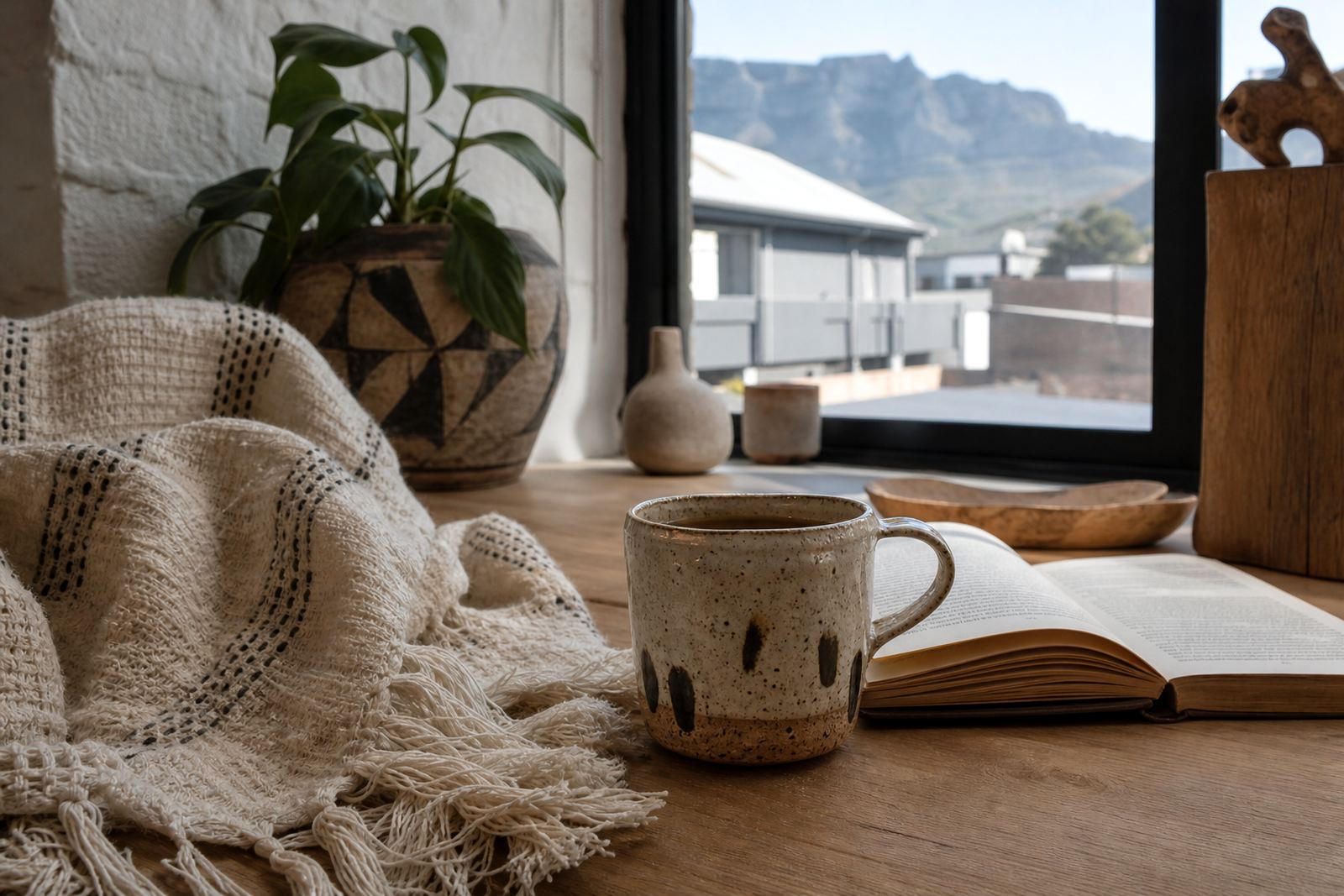
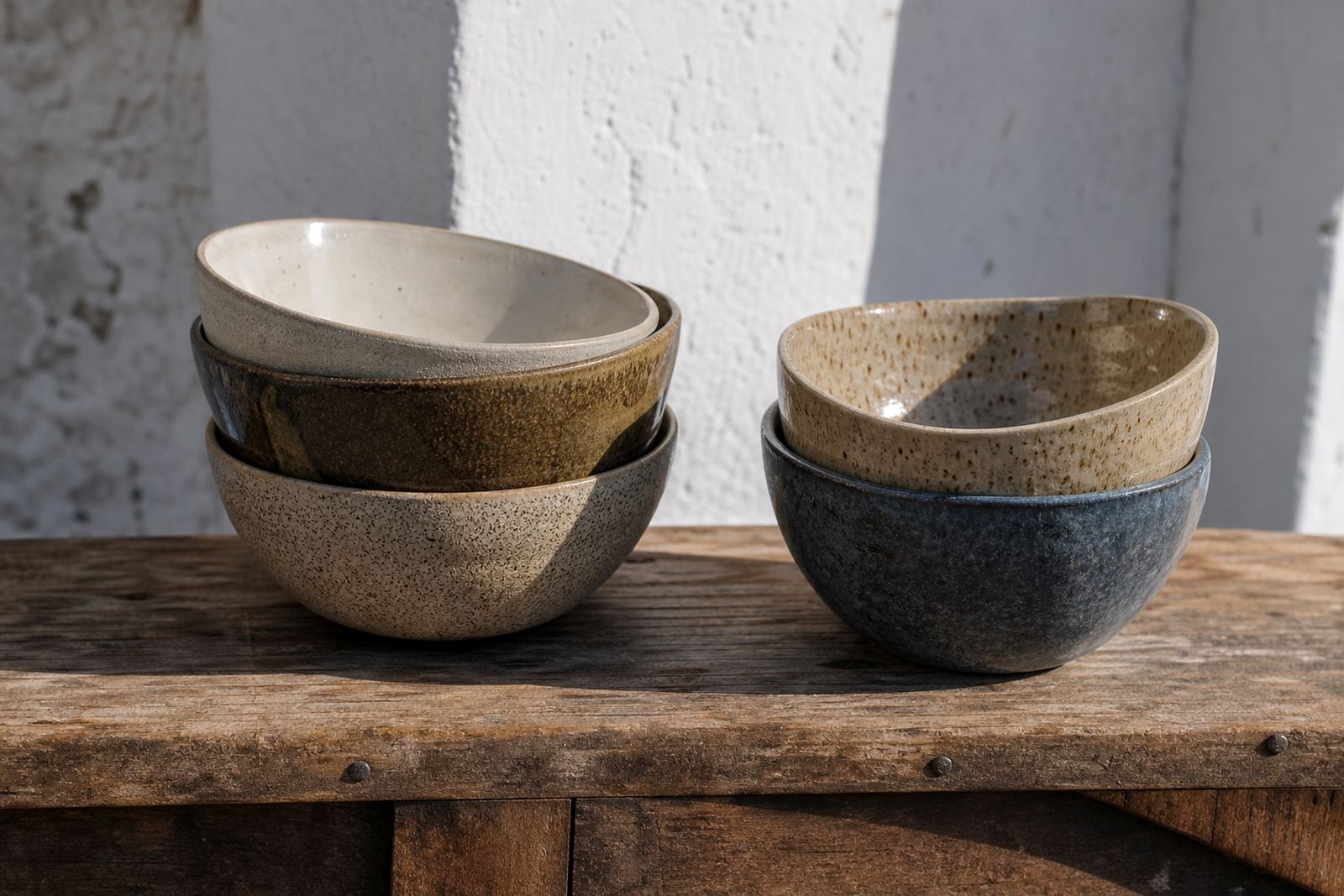
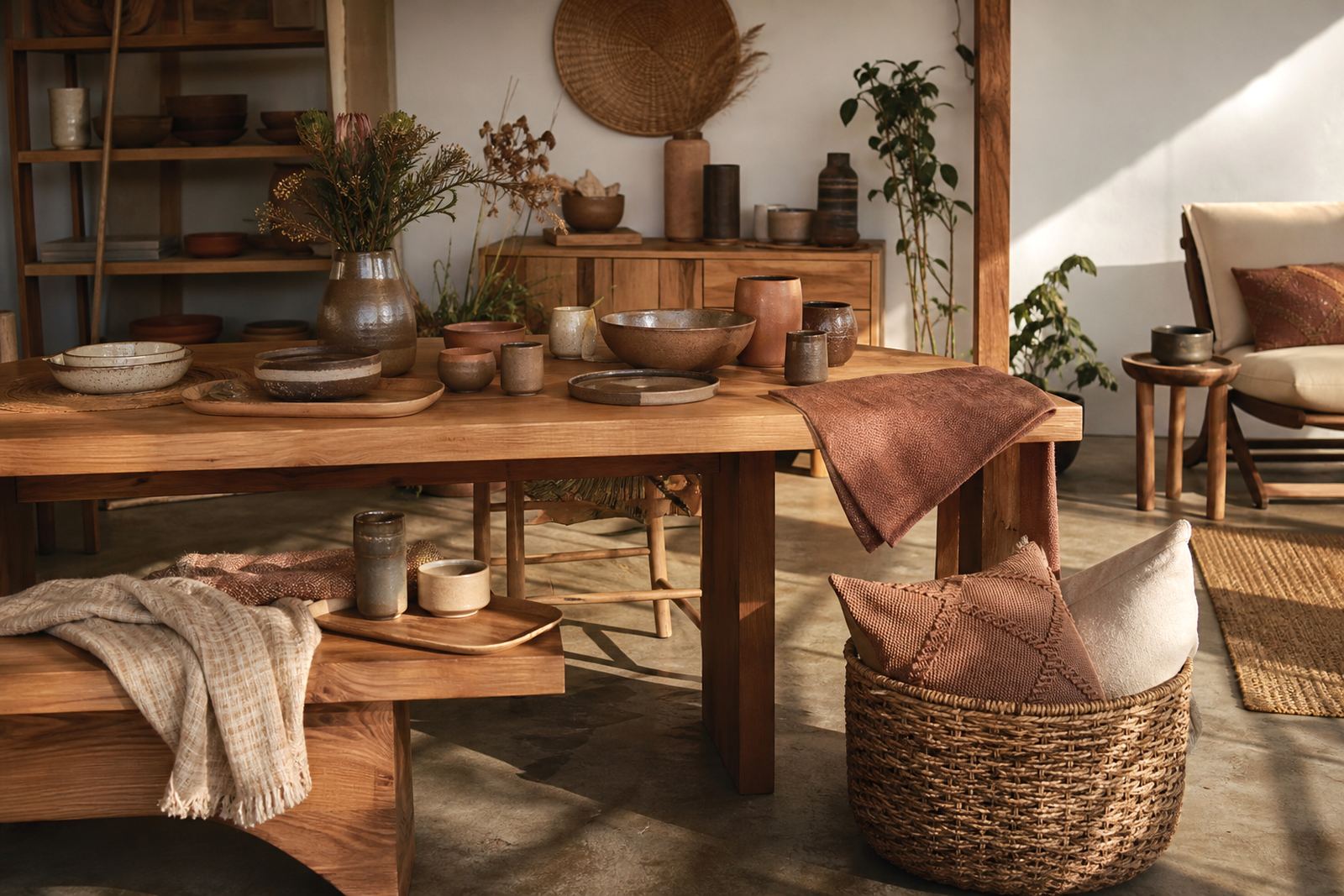
- Use handmade ceramics or wooden decor nearby to echo the same material warmth.
In coastal homes around Woodstock or the Atlantic Seaboard, natural fibres can pick up the salt air and daily dust, so it helps to choose covers that are easy to remove and air out. A little lived-in character is fine, but care matters too.
Work In A Colour Path, Not A Rainbow
Good cushion layering follows a colour path. Pick one main tone, one supporting tone and one accent. That can be sand, rust and deep green, or indigo, stone and warm white. The colours do not need to match exactly, but they should share a temperature, either all warm or all cool.
If you want stronger colour, keep it to one or two covers only. Too many bright notes can make the sofa feel overdone. In Durban homes where sunlight can be strong and humidity high, slightly muted shades often hold their shape visually better through the day, especially when the room changes from bright morning light to softer evening light.
- Use depth through tone, not just contrast.
- Keep one cushion in a darker shade to anchor the grouping.
- Repeat a colour once more in a throw or artwork for balance.
Build A Shape Mix That Feels Easy
Shape matters as much as colour. A standard square cushion at the back, a slightly smaller square in front and one lumbar cushion across the middle often feels settled and practical. On a larger sofa, two squares and one lumbar on each side can frame the seating without blocking it.
Round or bolstered cushions can work too, but they should be used sparingly. One rounded shape can soften a straight-lined sofa, while too many different shapes start to look fussy. If the room has a low coffee table, leave enough open space for movement and for the eye to rest.
Let The Room Set The Tone
The best cushion arrangement matches the room it sits in. A formal lounge in Pretoria may call for tighter symmetry and a neater colour range. A relaxed family room in Stellenbosch can carry more variation, with one patterned cover beside one plain one and a looser finish overall. In a Cape Town apartment, where space is often limited, cushions should add comfort without crowding the seat depth.
Think about the rest of the room before placing the first cover. If curtains are patterned, keep the cushions simpler. If the sofa is plain and the rug is neutral, you can afford a bolder weave or a stronger print. The goal is to connect the pieces, not compete with them.
A Local Setup That Works In Real Homes
A useful example is a Woodstock living room with a charcoal sofa, a jute rug and a low timber side table. Two 50 x 50 cm cushions in natural linen sit at the back, a rust-toned woven cushion comes forward on one side, and a narrow lumbar in a soft stripe finishes the group. The effect is calm and layered, with enough texture to feel collected but not crowded.
That same approach can be adjusted for delivery to Johannesburg, Durban or Pretoria by swapping the accent tone only. The structure stays the same, which makes it easier to refresh a room seasonally without replacing everything.
- Keep the back row larger than the front row.
- Repeat one texture at least twice so the group feels linked.
- Stop once the sofa looks full, not stuffed.
Care Keeps Handmade Covers Looking Considered
Handmade cushion covers need a little more attention than mass-produced ones, especially when they are woven by hand or finished with natural fibres. Check the care note for each cover before washing, and treat embroidery, dye variation and textured yarns with care. Most cotton covers can be washed gently, while wool blends and delicate weaves may need spot cleaning or cooler handling.
Rotate cushions now and then so one side does not fade faster than the other. If a cover arrives with natural lint or slight weave variation, that is part of the material character rather than a flaw. Proper care keeps the room looking finished and the covers useful for a long time, which matters when you are choosing pieces by South African makers.