Choose pieces that earn their place
Slow living is not about filling a home with more things. It is about choosing fewer pieces that are useful, comfortable to handle and pleasant to live with. Handmade homeware suits that approach because the marks of making are part of the appeal, not a flaw to hide.
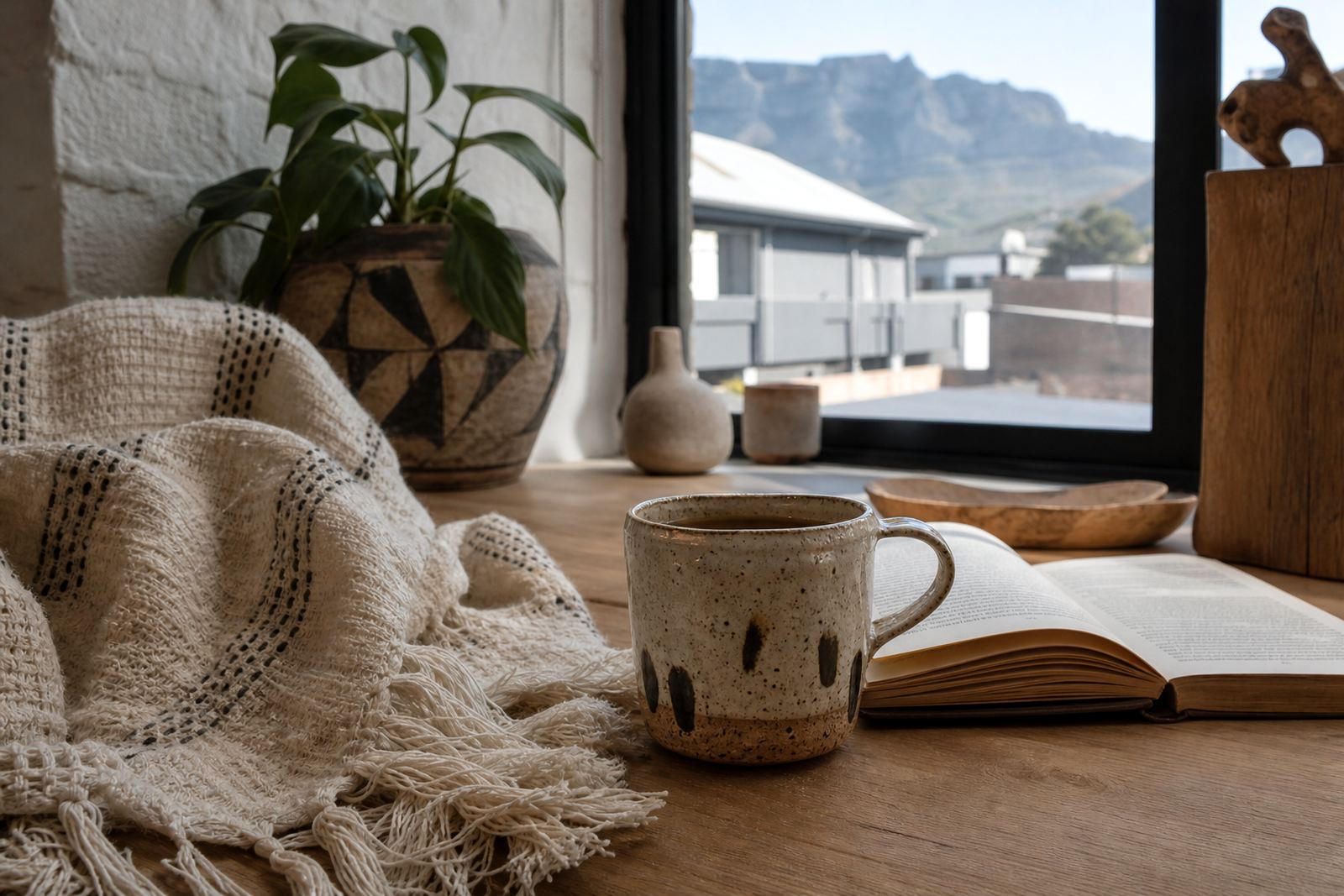
In a Cape Town flat, a ceramic mug with a comfortable handle might be used every morning for rooibos tea, then left on open shelving because it still looks good at the end of the day. A wooden serving board can move from breakfast to cheese at supper without needing to be special occasion ware. When items are made well and feel good in the hand, they get used more often and stored less often.
- Look for balanced weight, a steady base and edges that feel comfortable to hold.
- Choose neutral or earthy tones if you want pieces to move easily between rooms.
- Pick one or two statement items rather than many small decorative objects.
Ceramics that soften the daily routine
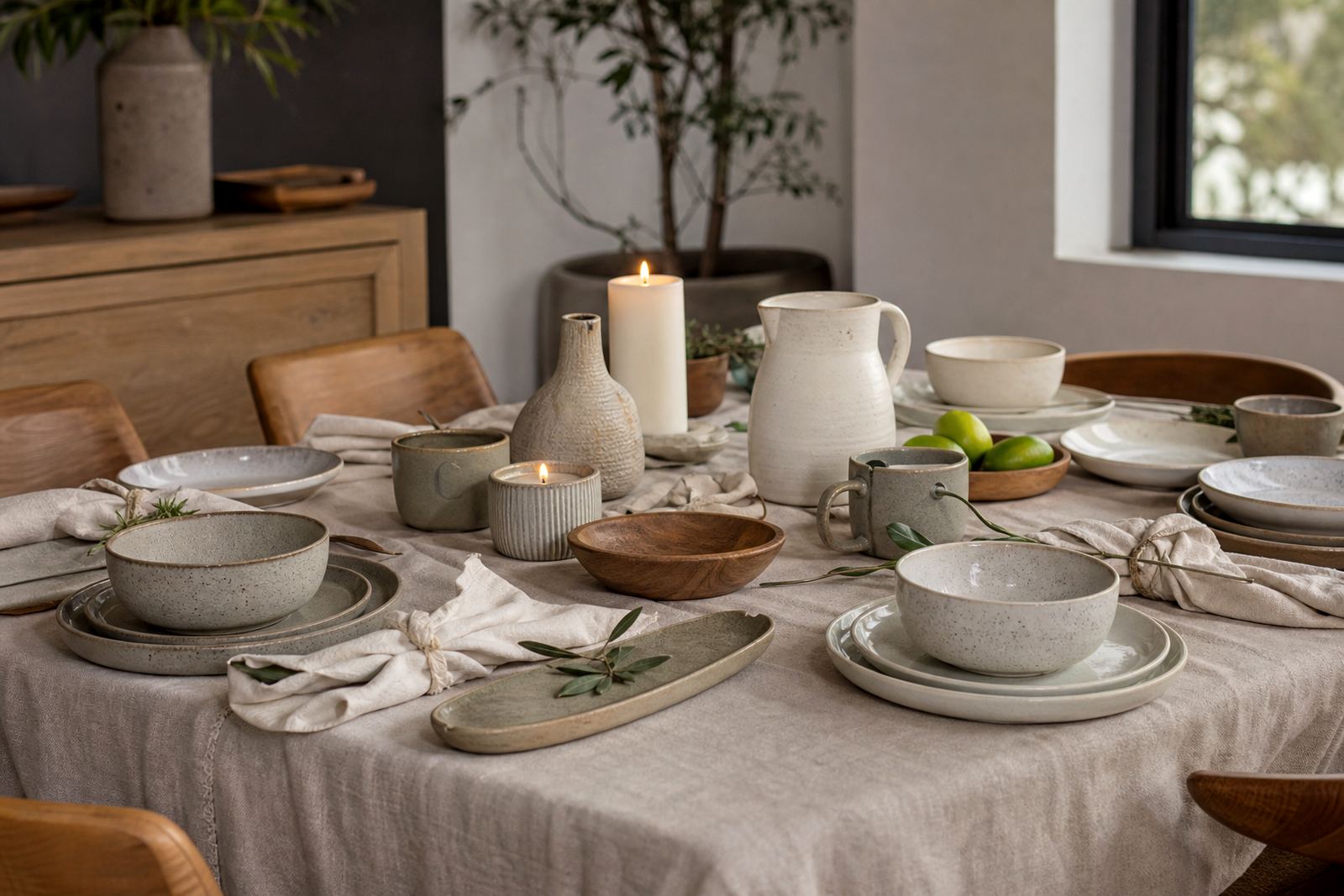
Handmade ceramics bring a sense of calm because they are direct, practical and tactile. Small differences in glaze, shape and finish give each bowl or cup a bit of character. That variation works well in homes where the day begins fast and ends with a quiet meal at the table.
For everyday use, stoneware is often chosen for its solid feel and durability. Porcelain has a finer finish and suits lighter cups, side plates and decorative vessels. Earthenware can offer a warm, handcrafted look, though it benefits from careful handling. If a glaze is food safe and the piece is made for regular use, it can handle porridge, soup, tea and the small jobs that make a kitchen feel lived in.
- Wash by hand with warm water and mild soap when the finish is delicate.
- Avoid sudden temperature changes for handmade ceramic dishes.
- Dry pieces fully before stacking so rims and bases stay in better condition.
Textiles that change the mood without fuss
Cloth is one of the easiest ways to make a home feel slower. A table runner in cotton or linen, a woven throw over a sofa, or cloth napkins at supper changes the feel of a room without adding clutter. Textiles also age gently, which suits homes that value lived-in comfort.
Natural fibres such as cotton, linen and wool are often preferred for their touch and breathability. In Durban, where humidity can make heavy furnishings feel sticky, lighter cotton and linen layers are useful because they dry more easily and can be washed regularly. In colder Pretoria months, a wool throw on the couch can make a reading corner feel far more inviting.
- Keep a few interchangeable cloths ready for meals, guests and everyday use.
- Choose washable fabrics if the item will be handled often.
- Store textiles dry and folded neatly so they keep their shape.
Wood and woven materials that settle the room
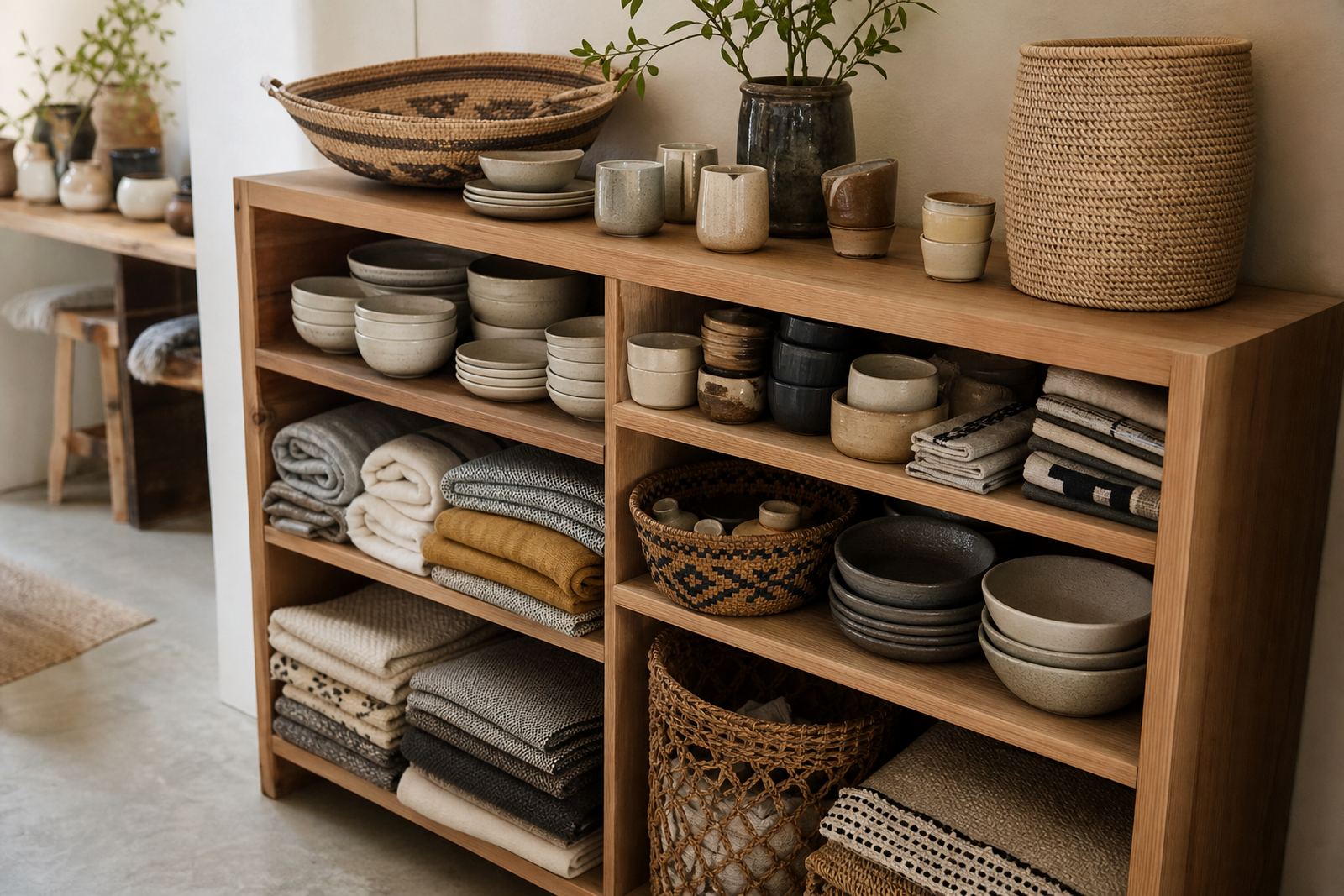
Wood and woven fibre work well in slower homes because they bring warmth without asking for attention. A wooden tray, a reed basket or a carved bowl can hold fruit, mail or keys and still look good on a shelf. These pieces suit the practical side of home life, where storage has to be useful and attractive at once.
Look for pieces made from responsibly sourced timber where possible, or from natural fibres such as reed, seagrass or cane. These materials can age beautifully if kept dry and cleaned with a soft cloth. In coastal areas such as Woodstock and the Atlantic Seaboard, salt air and damp evenings can affect untreated items, so it helps to keep wooden pieces out of direct moisture and to wipe them down often.
- Use a dry cloth for dust and a lightly damp cloth for spills, then dry straight away.
- Oil untreated wood lightly when the surface starts to look dry.
- Keep woven baskets away from standing water and harsh sun.
A local example from a weekday home in Woodstock
A slow home does not need a large house or a special routine. Picture a small Woodstock kitchen on a weekday morning. A ceramic mug sits beside the kettle, a woven bread basket holds rusks and sliced fruit, and a linen cloth covers a table set for two. Nothing is formal, but each item earns its place.
Later in the day, that same table might hold a serving platter for dinner, a little dish for salt and a bowl for keys by the door. Because the pieces are useful in more than one setting, the room stays clear. That is where handmade homeware supports slower living best: it reduces visual noise while still making the home feel personal and cared for.
Gift pieces that encourage unhurried habits
Handmade homeware also works well as gifting when the aim is to give something useful rather than flashy. A housewarming set can include ceramics for daily meals, a textile for the table and a small decor piece that suits a shelf or sideboard. For weddings, corporate gifting and registry requests, practical bundles are often appreciated because they can be used straight away.
Useful gifts for slower homes tend to be pieces that support routine, not just display. Think of a serving bowl, cloth napkins, a tray for tea, or a small vase that brightens a windowsill. Gift wrapping and notes can make the gesture feel more personal, while custom bundles help match the colours and materials to the recipient’s home.
- Choose pieces that suit the recipient’s cooking and hosting habits.
- Mix one standout item with smaller everyday pieces.
- Keep colours calm if you are unsure of the room style.