
Why a handmade piece needs more than a single layer of paper
Handmade ceramics are often lighter or more delicate than factory-made ware, and they can have thinner rims, uneven bases, small handles or textured surfaces. Those details are part of the charm, but they also create weak points during transit. A mug handle can catch on another item, a shallow bowl can flex under pressure, and a glazed surface can chip if it knocks against a hard corner in the box.
Protective wrapping matters because parcels move through several hands and surfaces. A package can be stacked, tilted, lifted by one corner or shifted in a vehicle over rough roads. In coastal areas like Cape Town, humidity can also soften some paper-based wrapping if it is not sealed properly, while inland deliveries may face longer travel times and more handling. The goal is not just to stop breakage, it is to keep every piece stable so it does not slide around inside the carton.
For a homeware parcel, the best packing starts before the box is sealed. Each item should be wrapped on its own, with enough cushioning to absorb movement and enough separation to stop pieces touching one another. That extra care is what keeps a stoneware plate from chipping its neighbour, or a ceramic jug from tapping against a waxed finish and leaving a mark.
The packing sequence that works for fragile tableware
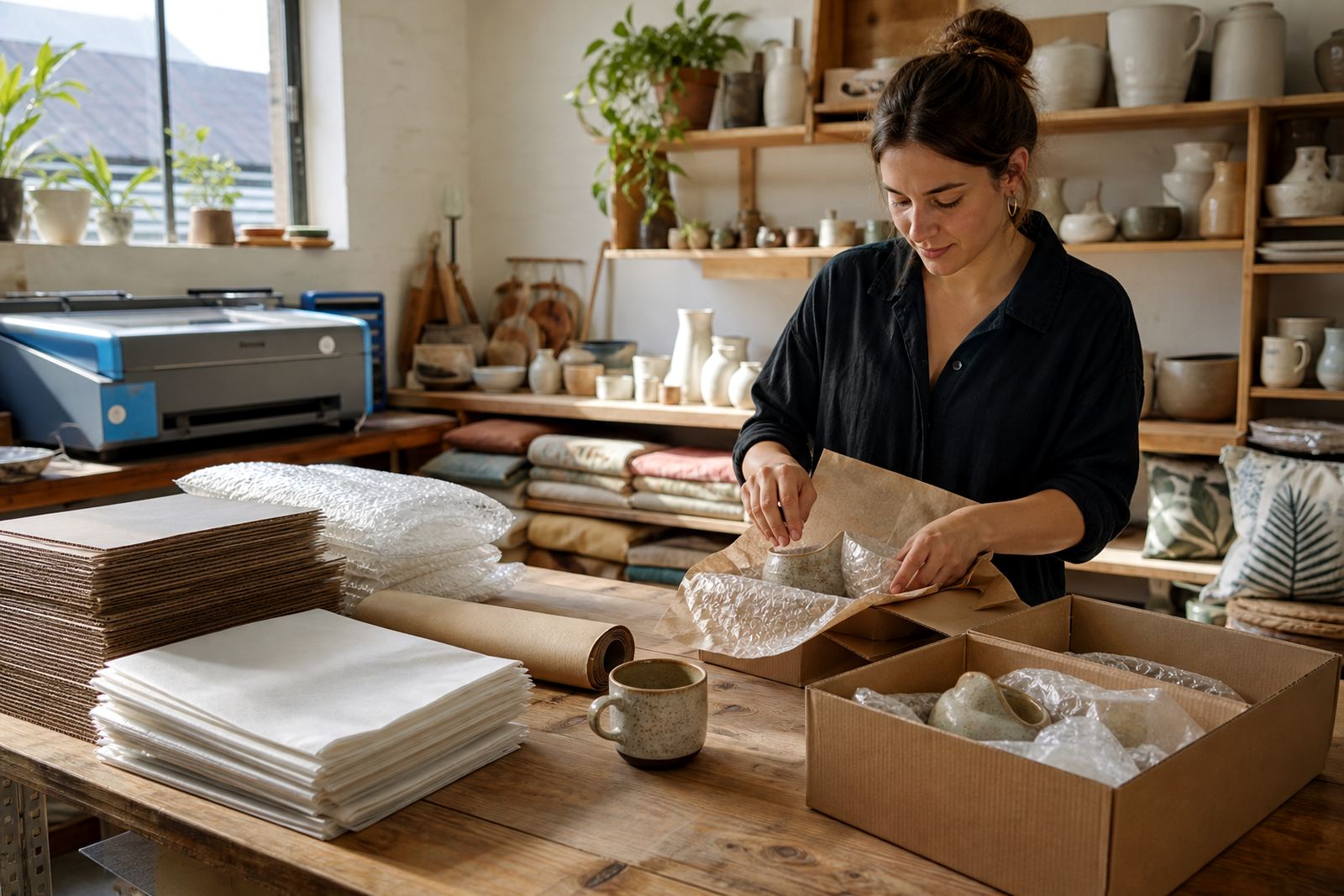
Good packing follows a steady order. Start with the most fragile item, then build around it. Small pieces need a close wrap, while larger items need support at the base and around the shoulders. If you are packing a set, treat each item on its own before grouping them together in the outer carton.
- Wrap each item in soft tissue or plain paper first, then add cushioning material around it.
- Use extra padding around handles, spouts, lids and painted details.
- Fill empty spaces in the box so nothing can move when it is lifted or turned.
- Keep heavier items at the bottom and lighter or thinner pieces on top.
- Seal the carton with strong tape along every opening and seam.
It also helps to use a double box for especially fragile orders. The inner box holds the item securely, while the outer box creates a buffer if the parcel is dropped or pressed from above. For ceramics with irregular shapes, this can make a meaningful difference, especially on longer routes from Cape Town to Durban or Johannesburg.
Materials that protect without leaving marks
The best packing materials support the item without scratching glaze, rubbing away printed detail or leaving residue on raw clay. Soft wrapping, corrugated cardboard inserts and clean cushioning material all have a place. Avoid loose fillers that shift too much, and avoid anything that can stain porous surfaces.
Textiles are often used alongside ceramics in gift boxes, and they can help soften the space between items. A folded tea towel or cloth napkin can be used as an extra buffer around a small bowl or candle holder, provided it is clean and free of rough trims. For items with matte or unglazed finishes, keep the wrap gentle so the surface does not scuff during the trip.
When the parcel is being sent to a warmer area or left in a vehicle for a time, materials should stay stable and not compress too quickly. A good cushion holds its shape, and a well-closed carton keeps dust and moisture out. That is particularly useful for deliveries moving through busy collection points in Cape Town or along the coastal route to Stellenbosch and the Southern Suburbs.
How to pack mixed gift orders with ceramics, wood and textiles
Many LocalMaker orders are not only ceramic. A gift box might include a mug, a handwoven cloth, a wooden spoon and a decor item all in one parcel. Mixed orders need balance. Hard pieces should not rest directly against other hard pieces, and wood should not press against a sharp ceramic edge where it could dent or mark.
For gift sets, divide the box into zones. Put ceramics in the centre with padding around them, place textiles as soft separators, and use wooden items to brace empty spaces only if they are already wrapped. If a parcel includes a vase or bottle-shaped piece, that item should be secured upright with cushioning at the base and around the neck. Lids, corks or smaller accessories should be packed separately so they do not rattle loose.
- Keep ceramics away from corners where impact is strongest.
- Use folded cloth to stop movement between items.
- Separate lids, saucers and small add-ons into their own wrapped bundles.
- Choose a box size that fits the contents, not one that leaves wide gaps.
For corporate gifting or wedding orders, neat packing also helps the unboxing experience. A well-arranged parcel arrives looking considered, not shaken about, and the contents are easier to check before they are handed over to the recipient.
A Cape Town dispatch example that shows the difference
Take a small order leaving Woodstock for a home in the Atlantic Seaboard. It may include two ceramic mugs, a serving bowl and a linen tea towel. If the mugs are wrapped loosely and placed side by side, the handles can knock together in transit. If the bowl has no padding underneath, it can rub against the base of the carton and chip at the rim. By the time the parcel reaches the door, a tiny fault can have become a visible crack.
Now compare that with a parcel packed with separate wraps, a snug inner box and soft material between each piece. The mugs stay still, the bowl remains centred, and the tea towel acts as a buffer rather than a filler that shifts around. The difference is not complicated, but it is felt in the result. Handmade pieces arrive as they left the studio, which matters a lot when the item has been chosen for a housewarming, wedding table or corporate gift.
That care is just as important for inland deliveries. Long-distance routes can be rough on fragile goods, so the right packing gives each piece a better chance of arriving clean, intact and ready to use.
Care after arrival and what to do if something is damaged
Once a ceramic item has been unpacked, it should be checked for chips, cracks or hairline marks before use. A small defect on the rim or base can affect how the piece performs over time, especially if it is used for hot drinks or frequent washing. If a parcel contains more than one item, take out the contents one by one and keep the wrapping nearby until everything has been inspected.
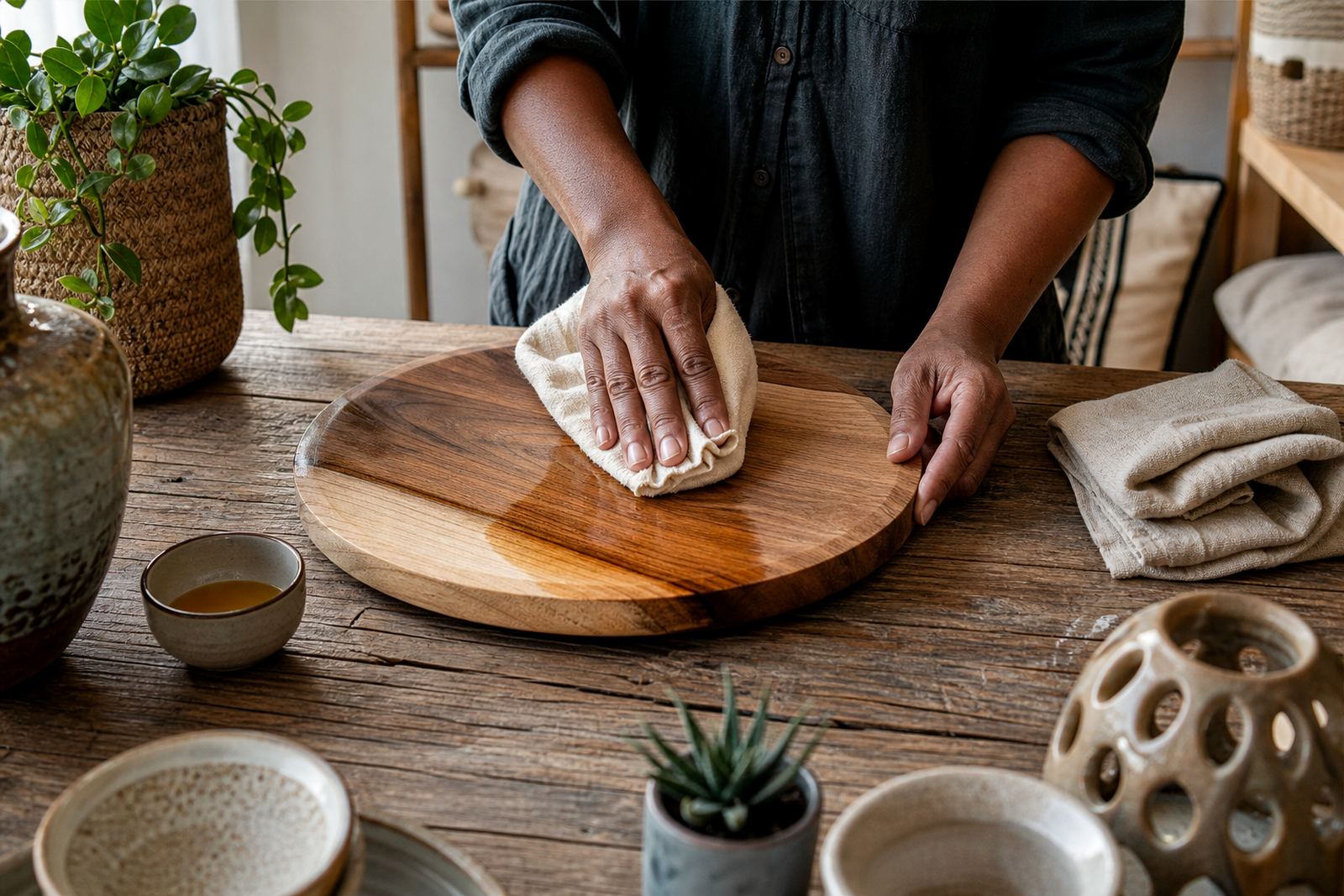
For ongoing care, handmade ceramics generally last well when they are washed gently, dried properly and stored where shelves are not overcrowded. Sudden temperature changes can be hard on some pieces, so it helps to avoid pouring boiling liquid into a very cold vessel. Wood items should be kept dry and textiles should be folded away cleanly once they are no longer in use.
If damage is noticed, photograph the item and the parcel as received, including the outer carton and internal wrapping. That record helps with replacement help and makes it easier to trace where the pressure point may have been. Good packing does not only protect the object, it also protects the trust that sits around a handmade purchase, and that matters just as much.