Two clays, two very different finishes
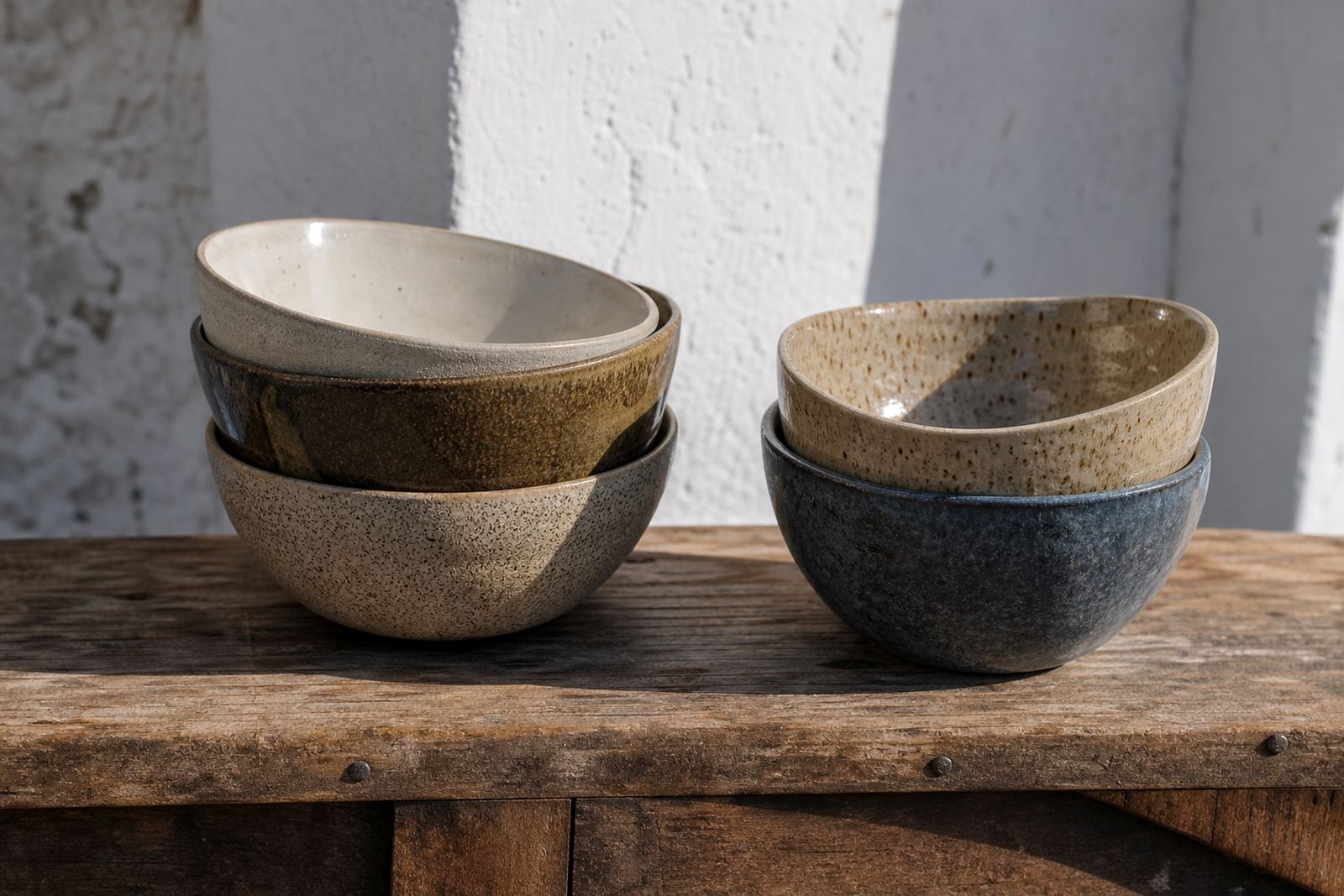
Stoneware is fired at a higher temperature, so it usually feels denser, heavier and less porous. Earthenware is fired at a lower temperature and often has a warmer, lighter feel with a more open clay body. In a homeware collection, that difference shows up in the way each piece looks, sounds and wears over time.
Stoneware often has a solid ring when tapped lightly and can handle daily use well. Earthenware can be just as beautiful, but it is generally more delicate and may be better suited to decorative bowls, planters, trays or items used more gently. The finish on either type can vary a lot depending on the maker, glaze and shaping method.
How the two types behave in a South African home
In Cape Town, Durban or anywhere with coastal humidity, both stoneware and earthenware need proper drying after washing. Stoneware is usually more forgiving if a mug sits in a damp sink for a while, while earthenware can be more prone to moisture absorption if the glaze has chips or fine crazing. That does not mean earthenware is a poor choice, only that it asks for a little more care.
- Stoneware suits everyday mugs, cereal bowls, platters and baking dishes used often.
- Earthenware works well for display pieces, accent bowls, jugs and lighter tableware.
- If a piece will be handled by children or moved around a lot, weight and chip resistance matter.
- For outdoor dining in summer, a heavier body can feel steadier on a windy stoep.
What to look for when choosing pieces
When you are comparing handmade ceramics, feel the base, check the rim and look at the glaze where hands will touch most. A stoneware mug may have a thicker wall and a more grounded feel, while an earthenware cup may be slimmer and lighter in the hand. Neither is automatically better. The right choice depends on how the piece will be used in your kitchen or dining room.
If you are buying online, product notes should describe whether the item is intended for serving, display or regular table use. It helps to know if the surface is matte, glossy or textured because that changes how fingerprints, tea marks and dust show up. Small differences matter, especially when you are choosing a set for a gift box or a wedding registry.
Care that keeps handmade ceramics looking good
Handmade ceramics last longer when they are treated with a bit of care. Stoneware often copes well with daily washing, but a sudden shift from very hot to very cold water can still be hard on any fired clay. Earthenware benefits from gentler handling, careful drying and avoiding knocks against other crockery in the sink.
- Wash with warm water and mild dish soap, then dry fully before stacking.
- Use a soft sponge rather than anything abrasive that can dull the glaze.
- Separate heavy mugs and bowls with a cloth if you stack them in a cupboard.
- Check for chips at the rim or base, especially on earthenware pieces used often.
- If a piece is decorative only, keep it out of high traffic areas where it can be bumped.
Where textiles, wood and ceramics meet
At LocalMaker, ceramics are often chosen alongside textiles and wood to build a homeware set that feels balanced. A stoneware serving bowl on a wooden tray, or an earthenware vase on a woven runner, creates contrast without needing much else. That mix works well in open-plan flats in Woodstock, family homes in Pretoria and compact city apartments in Johannesburg alike.
Textiles soften the look of harder materials, while wood warms up the table and helps the whole setting feel more lived in. If you are putting together a housewarming set, the clay type is only one part of the choice. Colour, texture and weight all shape how the final grouping feels in the room.
A local example from a Cape Town homeware shelf
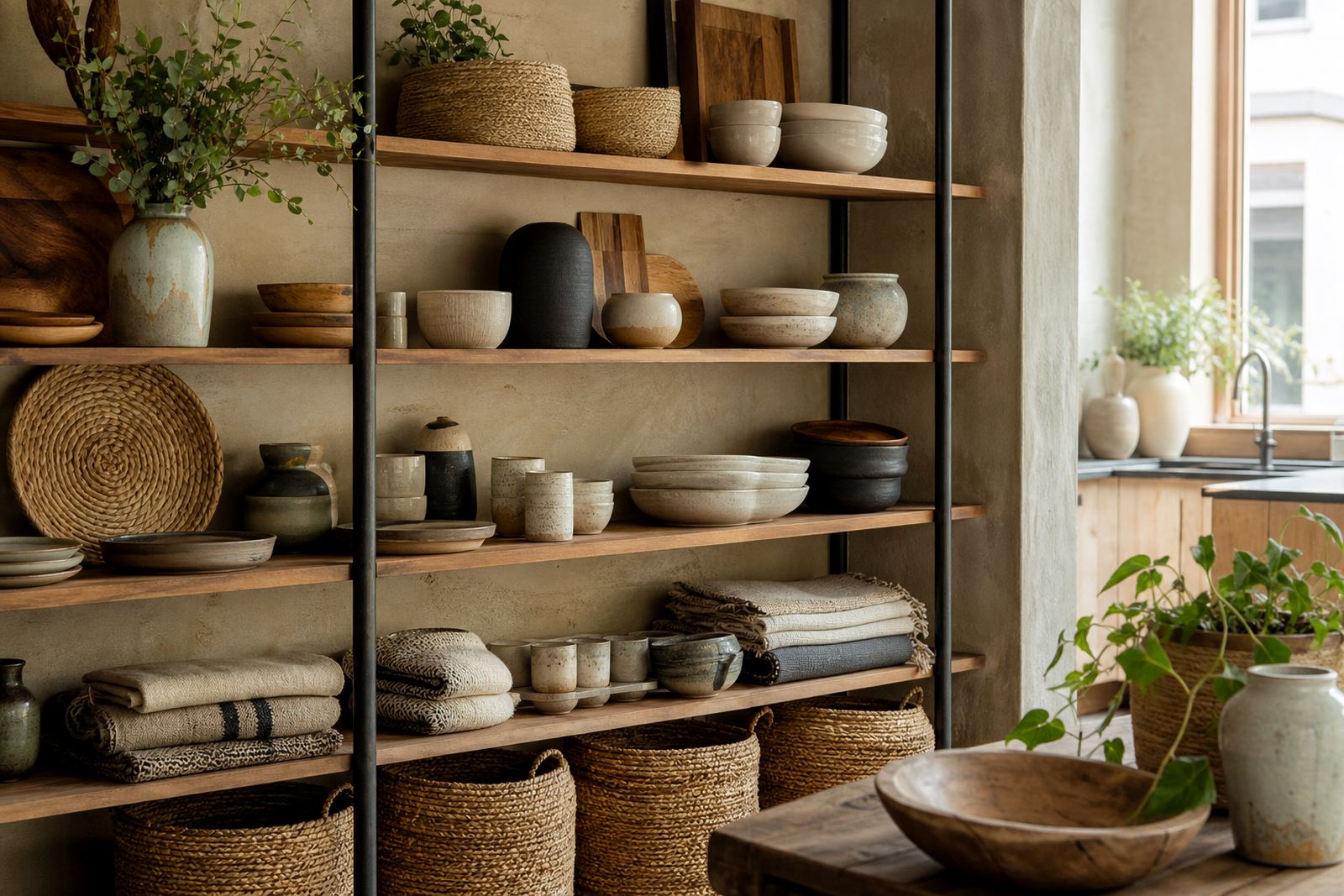
Picture a shelf in a Woodstock apartment with a few everyday items on it: stoneware mugs for coffee, an earthenware bowl for fruit, a small ceramic vase and a folded cotton cloth beside them. The stoneware takes the daily knocks and washing, while the earthenware adds softness and shape to the display. Together they give the shelf more character without making it crowded.
That same idea works in homes across South Africa. In Durban, a lighter earthenware piece may be used more for display because of the humid climate, while in Stellenbosch a thicker stoneware platter might see more regular serving use. The best collection is the one that suits how you actually live, not just how it looks on a screen.