
A throw does its best work before winter arrives
Most people think of throws as a cold-weather layer, but a handmade throw earns its place long before the temperature drops. It can break up a plain couch, bring texture to a reading chair and make a bedroom feel calmer without adding bulk. In a Cape Town flat with strong afternoon light, a lighter cotton or woven throw can stop a room from feeling bare while still looking neat on hot days.
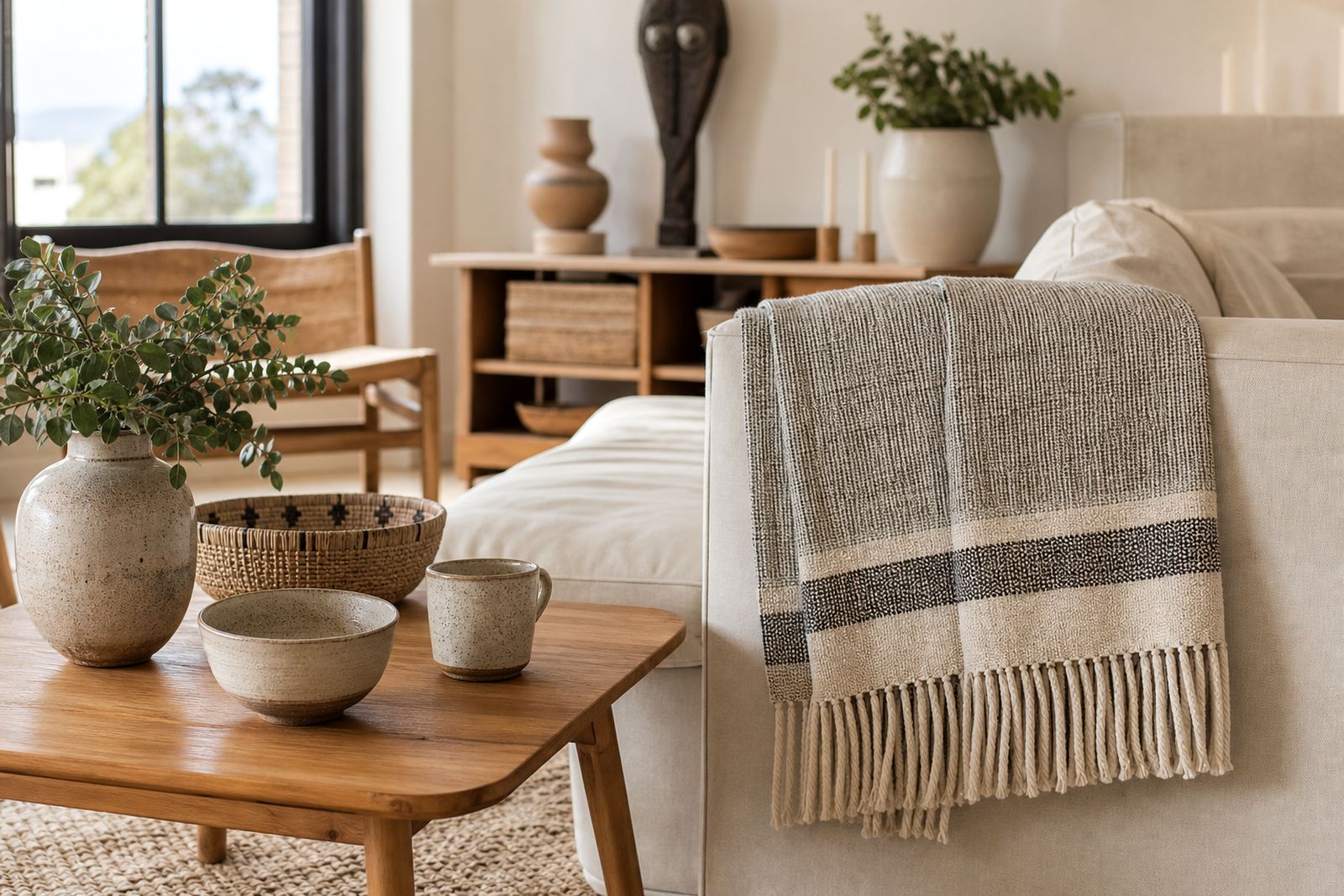
The best throws are the ones you reach for without thinking. Draped over the arm of a sofa, folded at the end of a bed or rolled into a basket near the lounge, they give a room a lived-in feel. That is what makes them useful all year, not only when the cold fronts roll in.
Choosing the right fibre for South African weather
Fabric choice matters more than size alone. Natural fibres usually feel better in our climate because they breathe and soften with use. Cotton works well for everyday layering, especially in coastal homes where humidity can make heavier fabrics feel stuffy. Linen blends can look relaxed and crisp, while wool gives more warmth for inland homes in Pretoria or Johannesburg where evenings turn cool quickly.
Woven textures also bring interest without needing bright colour. A throw with visible weave, tassels or a slightly slubbed finish can sit easily next to timber, ceramic and painted walls. If you prefer bolder colour, keep the rest of the room quieter so the throw can carry the visual weight on its own.
- Cotton: good for daily use and warmer rooms
- Wool: better for chilly evenings and winter layering
- Linen blends: light, textured and easy to style
- Mixed natural fibres: often practical for everyday living
How to layer throws without making a room feel cluttered
Layering works best when it looks intentional. One throw on a sofa is usually enough, especially if the fabric already has colour or pattern. On a bed, a throw can sit across the foot in a straight line or be folded loosely for a softer finish. If you have several throws in one room, vary the texture and keep the colours related so the eye reads them as part of the same story.
In a Woodstock home with a small open-plan lounge, for example, a cream cotton throw on the couch and a muted rust or indigo one in a basket can link the seating area to the rest of the room without crowding it. That kind of detail is especially useful in smaller spaces, where every item has to work hard.
- Choose one statement colour and one quieter companion
- Mix smooth fabric with a more textured weave
- Fold a throw when you want a neater line
- Drape it loosely when you want a softer, lived-in look
Handmade finishes give a room more character
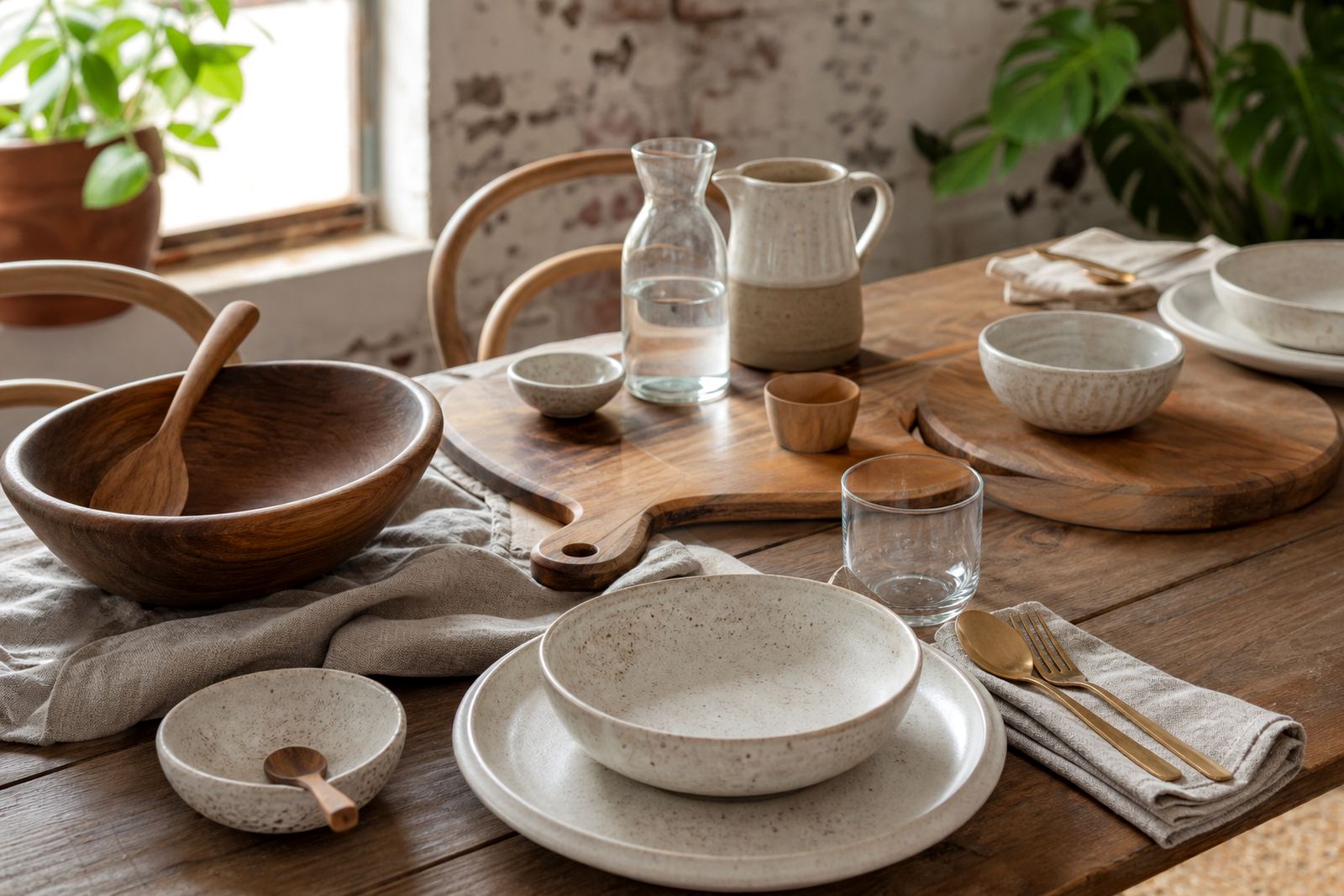
Handmade throws often carry small differences in weave, stitch or dye tone. Those variations are part of the appeal. They stop a room from feeling too controlled and they sit well beside handmade ceramics, carved timber bowls and other locally made decor. A throw with a slightly irregular edge or hand-finished trim can make a couch feel less like furniture and more like part of the home.
That matters in houses where surfaces are hard and clean lines dominate. A textile brings softness into a room in a way that wood or ceramic alone cannot. If the home already has a lot of pattern in scatter cushions or rugs, a plain throw in a natural tone can bring balance. If the room is quiet, a patterned throw can do the talking.
Keeping throws looking good in real homes
Good care starts with how the throw is used. Shake it out now and then, fold it away from direct sun if the room gets strong light, and avoid leaving it bunched up where it can stretch out of shape. For most handmade throws, gentle washing is safer than harsh treatment. Follow the fibre instructions, wash with mild detergent and dry flat when needed so the weave keeps its form.
In coastal towns such as Stellenbosch and the Atlantic Seaboard, salty air and humidity can affect natural fibres over time. In dry inland conditions, dust is often the bigger issue. Either way, a little attention keeps the fabric looking better for longer.
- Wash gently and avoid overloading the machine
- Dry away from strong direct sun when possible
- Store folded rather than jammed into a tight shelf
- Brush off crumbs and dust before putting it away
A practical layer for gifting and everyday living
Throws make useful gifts because they suit many homes and seasons. They work well in housewarming sets, wedding gifting and curated gift boxes, especially when paired with handmade ceramics or a small decorative item. A well-chosen throw also helps in homes where the lounge gets used for everything, from family time to reading to visitors dropping in after supper.
For local example, think of a Durban apartment where sea air is part of daily life. A lighter woven throw can live on the couch through most of the year, then move onto a bed when the temperature dips. It is not only about warmth. It is about comfort, texture and giving a room one more useful layer.