
The tea corner starts with the vessel
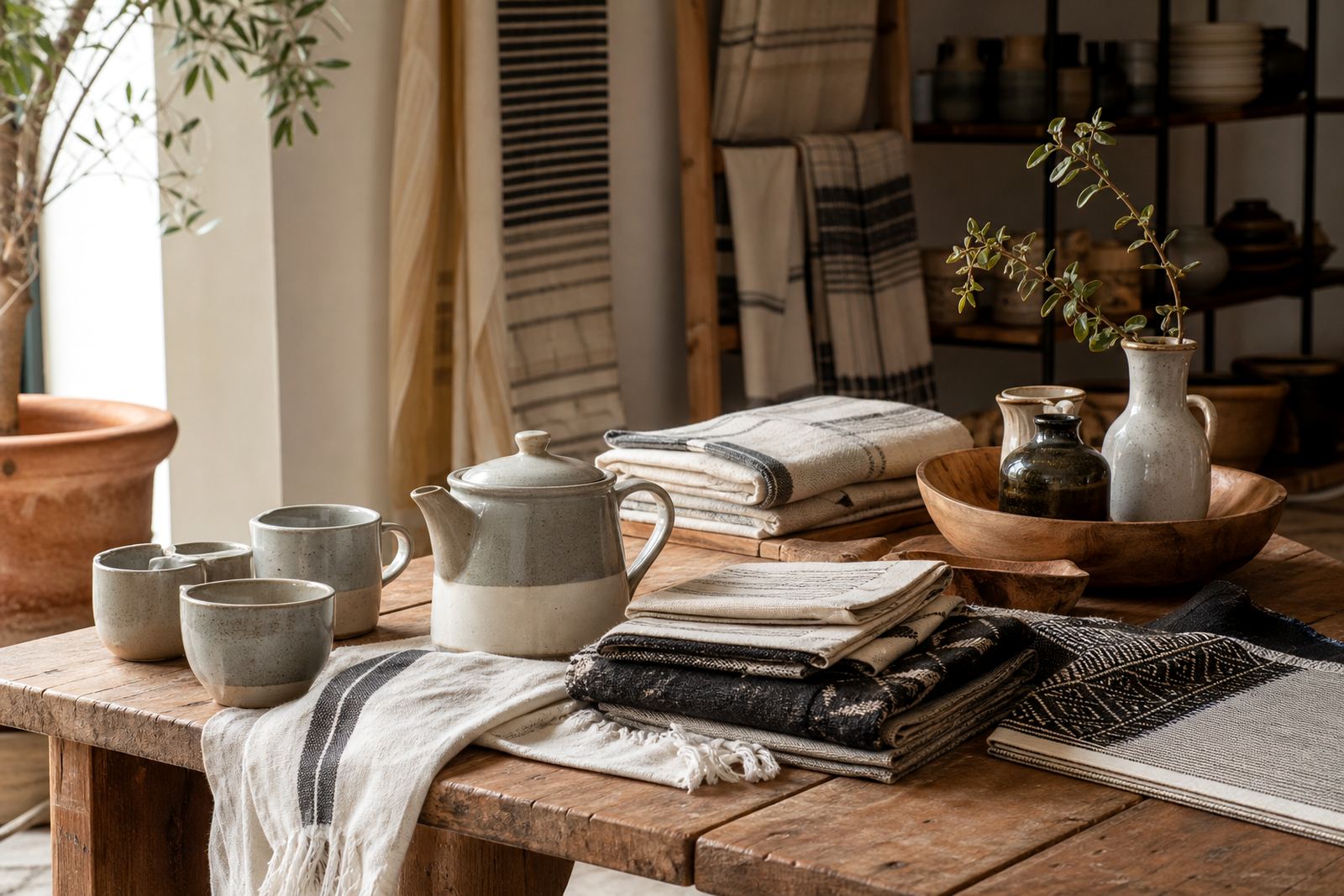
Teapots do more than hold hot water and leaves. Their shape changes how tea pours, how heat holds, and how often you find yourself pausing before the first cup. Handmade ceramic teapots often have a little more weight than factory-made pieces, which gives them a steady feel on the table and helps them sit properly when you pour.
For everyday use, look for a lid that fits snugly, a spout that pours cleanly, and a handle that feels comfortable when the pot is full. Clay body, glaze finish and firing style all matter. A darker stoneware teapot can suit strong black tea, while a lighter glazed piece can work well for herbal blends or rooibos. If you live near the coast, a dense ceramic body is useful because it handles humidity and regular washing without much fuss.
- Choose a size that suits your routine, not just your cupboard shelf.
- Check that the lid lifts out easily for washing and drying.
- Handmade marks, slight glaze variation and a unique shape are part of the charm.
Cups that change the pace of the day
The right cup changes how tea feels. A small cup encourages a slower sip, while a wider mug gives you room for milk, honey, or just a bit more heat. Many South African makers use stoneware, earthenware, porcelain or a mix of clays, each with its own look and handling qualities. Some cups feel best in the palm, others are made with a more upright profile that keeps tea warm longer.
For a daily ritual, consistency matters less than comfort. A cup should suit the size of your hand and the heat you like to hold. In a busy household, it also helps when each cup is easy to stack and wash. If you are setting up tea for family breakfasts in Johannesburg or a quiet late afternoon in Woodstock, a pair or small set can make the routine feel considered without being precious.
- Pick one cup for strong tea and one lighter cup for green or herbal blends.
- Mixing shapes can work well if the glaze colour holds the set together.
- For gifts, two matching cups often feel more personal than a large generic set.
Small textiles do a lot of quiet work
Tea cloths, napkins and runners are often the pieces that make a tea table feel complete. Cotton, linen and blended textiles are common choices because they are absorbent, durable and easy to wash. A folded cloth under a teapot protects the surface from drips, while a runner helps separate the tea tray from the rest of the room.
In practical terms, textiles matter when a table is set more than once a day. In Cape Town homes with open windows and sea air, a light cloth can be dried quickly and stored neatly. In winter, a thicker woven piece can add weight and texture without taking over the table. Keep colours simple if your ceramics already carry strong glaze patterns, or use a printed cloth to bring life to plain cups and teapots.
- Choose natural fibres if you want easy washing and everyday use.
- Keep a spare cloth near the kettle or tea tray for quick changes.
- Match the size of the runner to the table so the tea set sits properly.
How materials affect care over time
Handmade tea pieces last better when the care matches the material. Ceramic teaware is usually washed by hand with mild soap and warm water, then dried fully before storage. Some glazes can handle regular use better than others, so it helps to keep an eye on fine crazing or chips around the rim. Wooden trays, spoons and boards need a bit more attention. Wipe them dry after use and treat them now and then with a food-safe oil so the grain does not dry out.
Textiles should be washed with colours in mind, especially if they are dyed or printed by hand. Avoid harsh bleach on natural fibres, and let them dry fully before folding away. If your tea set lives in a kitchen that also handles cooking and school lunch boxes, a simple care routine keeps everything looking good. It is not about being precious, just consistent.
- Separate fragile ceramic pieces so they do not knock against one another.
- Dry wood fully before putting it back on a shelf.
- Wash tea cloths soon after use if they have picked up tannin stains.
A local tea table in Woodstock
In Woodstock, a tea ritual might happen between work calls, school pick-up and a quick look out to Table Mountain. A small tray on the kitchen counter, two handmade cups, a ceramic teapot and a folded cotton napkin can turn that gap into a proper pause. There is no need for a formal room or a complicated set up, just a few pieces that feel good to use.
We often see people choose one statement teapot and then build around it with simpler cups and textiles. A buyer in Cape Town may want muted clay tones and a wood tray, while someone sending a housewarming gift to Pretoria might prefer a brighter glaze and a woven tea towel tucked into a gift box. The point is to make the set personal enough to be used, not stored away.
That same thinking works for gifts too. A tea set can carry a housewarming note, a wedding message or a quiet thank-you. Gift wrapping, gift notes and curated bundles help keep the pieces together, which matters when ceramic and textile items are being delivered across South Africa.
Choosing pieces that fit the way tea is really used
It is easy to buy tea items for the look of them and then find they do not suit daily life. A practical choice starts with the way tea is made in your home. If you steep loose leaf tea, a teapot with room for leaves to expand is useful. If you prefer quick cups during a workday, a mug or individual cup may be better than a large service. If the table is shared, a cloth that wipes clean and washes well saves time.
Think about the room too. Smaller flats in the Southern Suburbs may call for compact pieces that stack neatly. Larger kitchens in Durban or Stellenbosch might suit a wider serving tray and more cups for guests. Delivery across South Africa makes it possible to choose pieces that reflect your space, not just what is on a shelf nearby.
- Start with one teapot, two or four cups, and one cloth or runner.
- Add wooden serving pieces if you prefer a warmer, quieter table.
- Choose gift sets when you want the pieces to work together straight away.