
What gives a fibre its character
When people talk about natural fibres, they are usually referring to materials that come from plants or animals and are spun into yarn before being woven or knitted. The fibre choice affects softness, drape, texture, warmth and how a textile holds up after repeated washing. A throw that feels crisp in the shop may soften after a few washes, while a heavier weave can feel firm at first but settle beautifully over time.
In a home like a Woodstock flat with summer humidity and a cool winter breeze off the harbour, fibre choice makes a practical difference. Cotton and linen tend to breathe well, while wool and alpaca hold warmth. Some textiles are blended, which can improve strength or reduce creasing, so it is worth reading the care label and feeling the fabric in hand if you can.
- Softness is not the same as durability.
- Heavier fabric is not always warmer, but it often hangs better on a sofa or bed.
- Natural fibres can still vary a lot depending on weave, spin and finish.
Cotton: the everyday workhorse
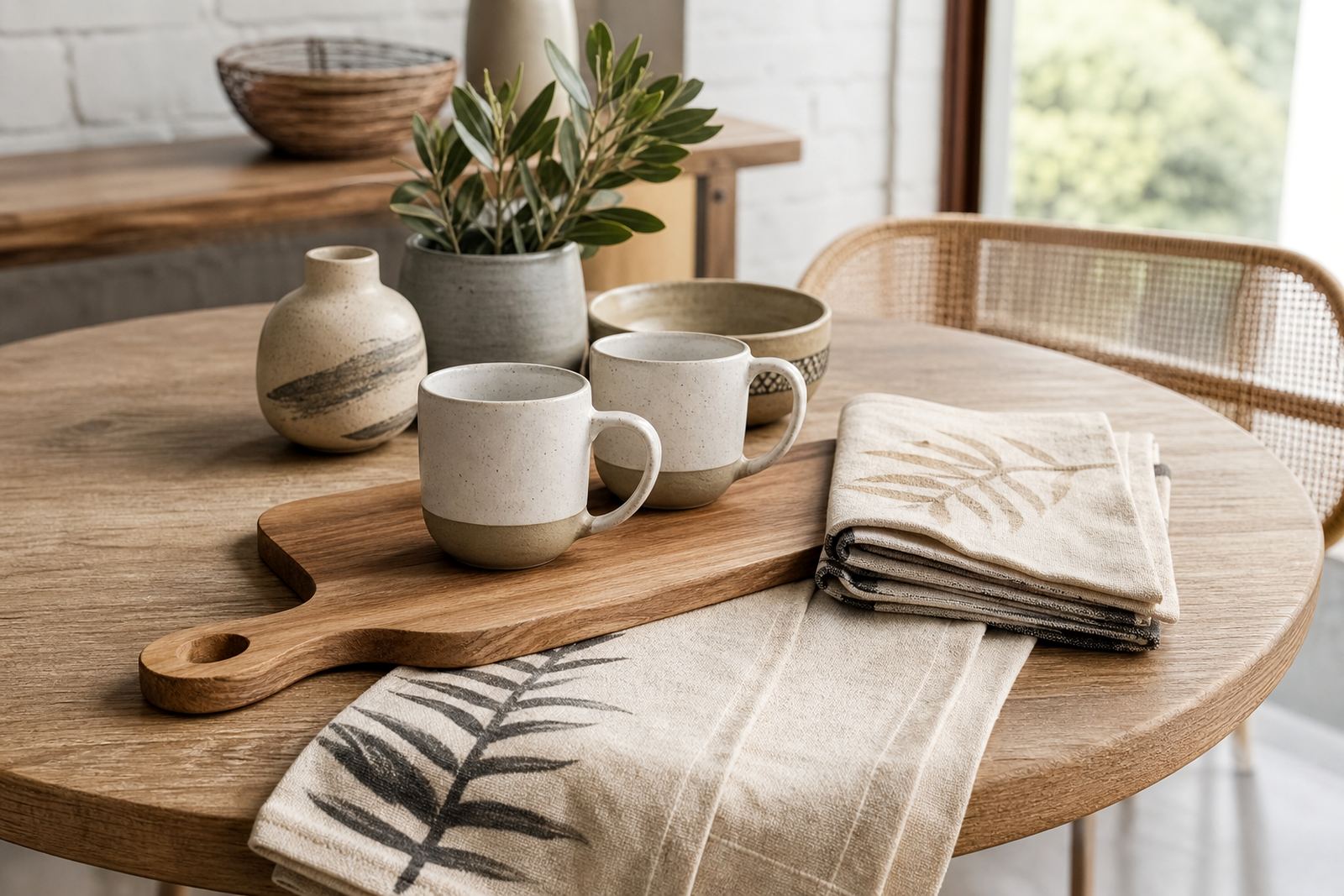
Cotton is one of the most familiar fibres for napkins, tea towels, cushion covers and table linen. It is breathable, absorbent and easy to live with, which is why it suits busy kitchens and family homes. A plain cotton weave is usually simple to wash and can handle frequent use, though it may crease and some dyed pieces can fade if left in direct sun for too long.
For South African homes, cotton works well where there is plenty of natural light and regular washing. It is a practical choice for guest-room bedding, dining chairs and casual throws. If you want a neater finish, look for a tighter weave or a cotton blend with a little structure. If you prefer a more relaxed look, a looser cotton can give a softer, more lived-in feel.
- Wash cotton in cool or lukewarm water unless the care label says otherwise.
- Let it dry in shade where you can to help hold its colour
- Press while slightly damp if you want a cleaner finish for table linen.
Linen and the beauty of a lived-in crease
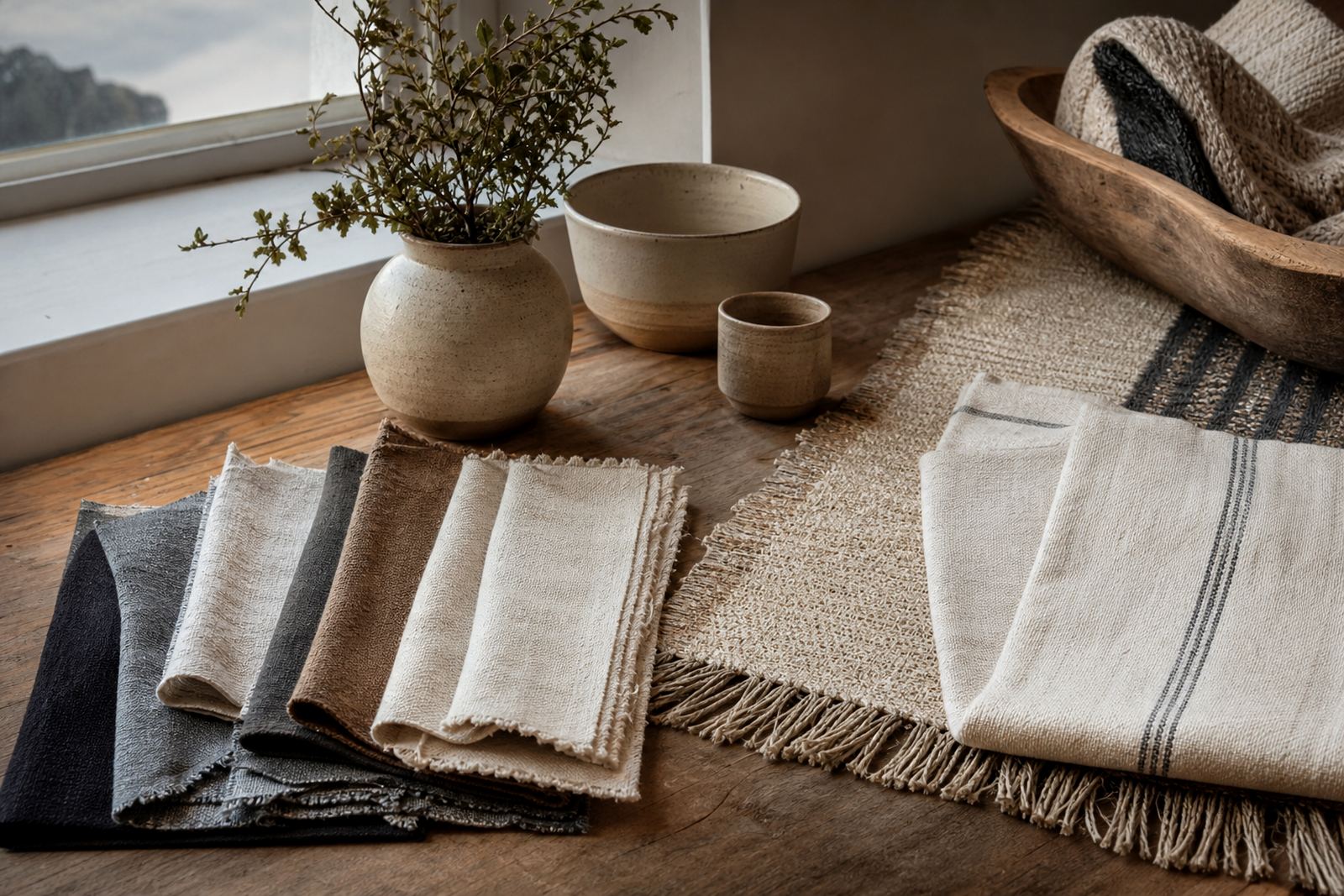
Linen comes from the flax plant and is known for its cool, airy handle. It is especially useful for cushion covers, curtains, napkins and summer bedding. Linen often feels a bit crisp at first, then softens with wear and washing. Its natural slub and gentle crease are part of its charm, so it should not be treated like a polished hotel fabric that must stay perfectly smooth.
In places like Stellenbosch and the Southern Suburbs, where homes may get strong sun and warm afternoons, linen can be a good choice for light layers. It dries well and does not cling heavily to the body or the furniture. The main point to remember is that linen creases easily, so if you want a tidier look you may need to iron or steam it after washing. That said, a few soft folds can look at home in a relaxed interior.
- Linen becomes softer with age and use.
- It is strong, but repeated rough washing can weaken the fibres over time.
- Use mild detergent and avoid overloading the machine so the cloth can move freely.
Wool, mohair and alpaca for cooler corners
Animal fibres such as wool, mohair and alpaca are often used for throws, cushions and thicker blankets. They are valued for warmth, resilience and a more textured finish. Wool is springy and naturally insulating, while mohair can have a light sheen and a fluffy surface. Alpaca tends to feel soft and smooth, with less prickle for many people.
These fibres suit bedrooms, reading corners and sofas that need a bit of extra comfort in winter. In Cape Town, a wool throw can be useful on damp evenings when the air feels colder than the thermometer suggests. The care is different from cotton or linen, though. Most animal-fibre items prefer gentle washing, airing between uses and storage away from moths. If a label says hand wash, take that seriously, because heat and rough agitation can shrink or felt the fabric.
- Air wool and similar fibres between uses rather than washing too often.
- Fold them neatly for storage instead of hanging heavy pieces.
- Keep them dry and out of direct sun for long periods.
How to read blends without getting caught out
Many home textiles use blends, such as cotton with linen, or natural fibres mixed with a small amount of synthetic yarn for added strength. That is not a bad thing. A blend can reduce creasing, improve shape retention or make a fabric last longer in everyday use. The trick is to understand what you are giving up and what you are gaining.
If a cushion cover is mostly cotton with a small synthetic content, it may hold its form better and dry a little faster. If a table cloth has linen in it, you may get that natural texture without the full price or the full creasing of pure linen. For many households, blends are a practical middle ground, especially where textiles are washed often and used hard.
Do not assume that more natural content always means better performance. Think about where the item will live: a dining chair in a busy flat, a guest bed in Durban, or a decorative runner in a quiet study all ask different things of the fabric.
Care that respects the fibre
The best way to make natural textiles last is to match the care to the material. A quick rinse and a hot tumble dry may suit some cottons, but it can be too harsh for linen, wool or hand-finished pieces. If a textile has embroidery, handwoven sections or decorative trims, treat it as a more delicate item even if the base fabric seems sturdy.
A good routine is simple: shake out dust, wash only when needed, use mild detergent and dry with care. Sunlight can help freshen pieces, but too much direct exposure can dull colour over time. This matters in bright rooms with big windows, especially in coastal homes where the light is strong and the air can carry a little salt.
- Test a small hidden area first if you are unsure about colourfastness.
- Use a laundry bag for smaller items like napkins or cushion inserts covers with zips.
- Store clean textiles fully dry to avoid mustiness.
Choosing fibres for real rooms, not showroom ones
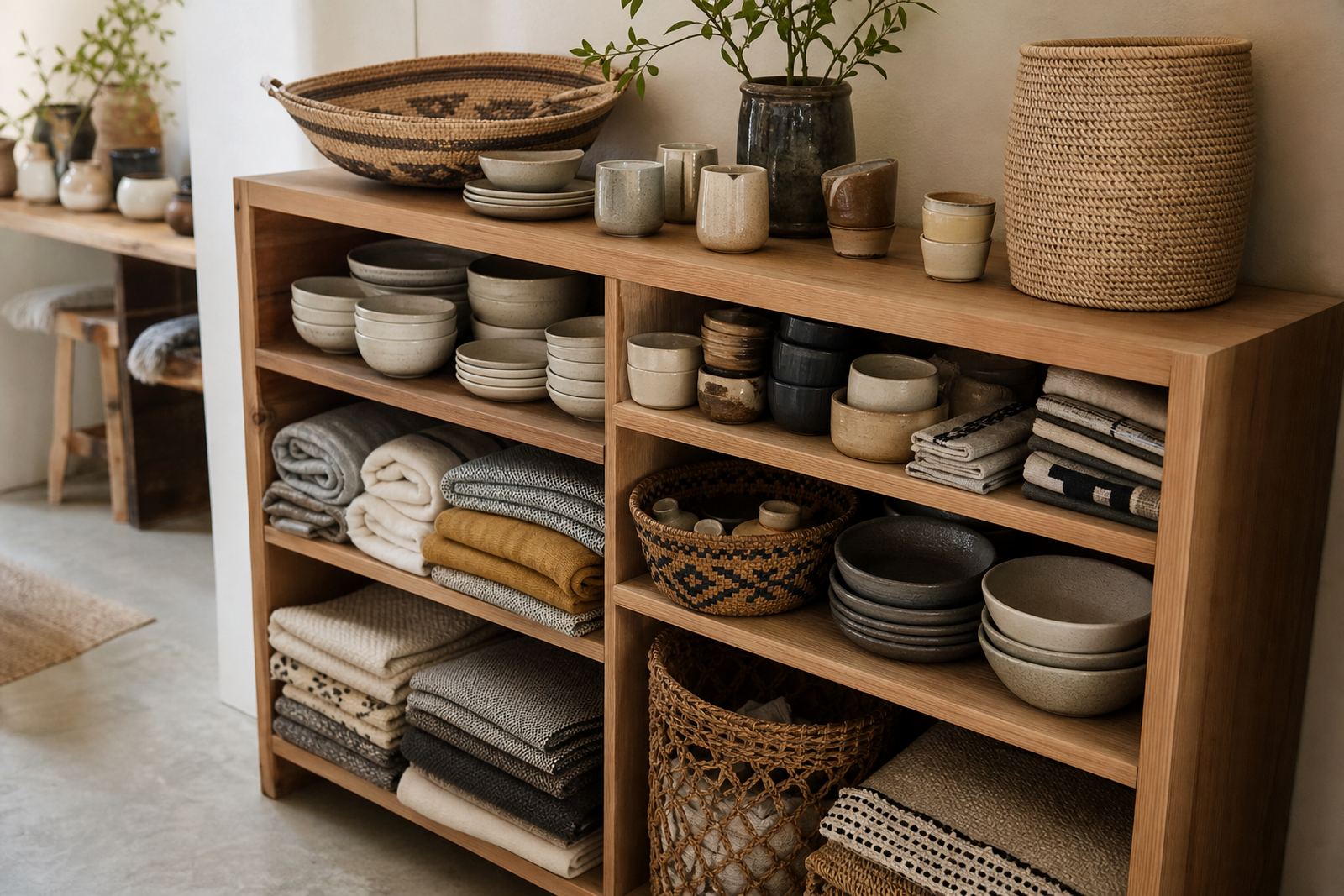
A practical home does not need every textile to be precious. A dining area may need cotton or a cotton-linen blend that can be washed after family meals. A bedroom may benefit from linen sheets in summer and a wool layer in winter. A sofa in a busy living room might do well with hard-wearing cotton cushion covers and a heavier throw for cool evenings.
The best choice is the one that fits your routine, your climate and how much care you are willing to give it. Handmade textiles often carry small differences from piece to piece, which is part of their appeal. Those slight variations in weave, dye and finish are what make a home feel personal rather than factory-perfect.
For customers in Cape Town, Johannesburg, Durban, Pretoria and Stellenbosch, the same fibre can behave differently depending on the local climate and how the room is used. That is why it helps to think beyond label names and look at touch, weave and care as a whole.