
The quiet difference handmade pieces make
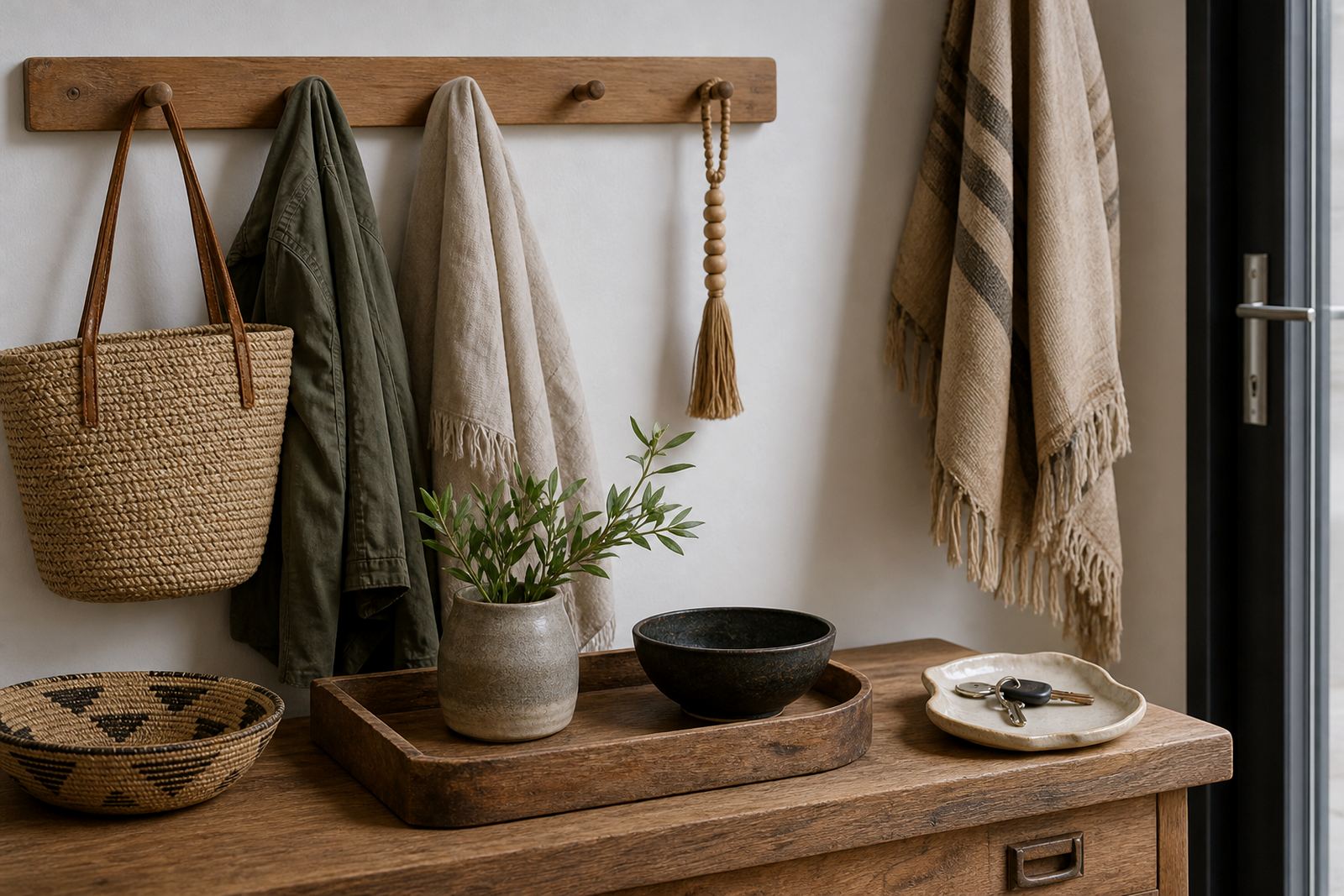
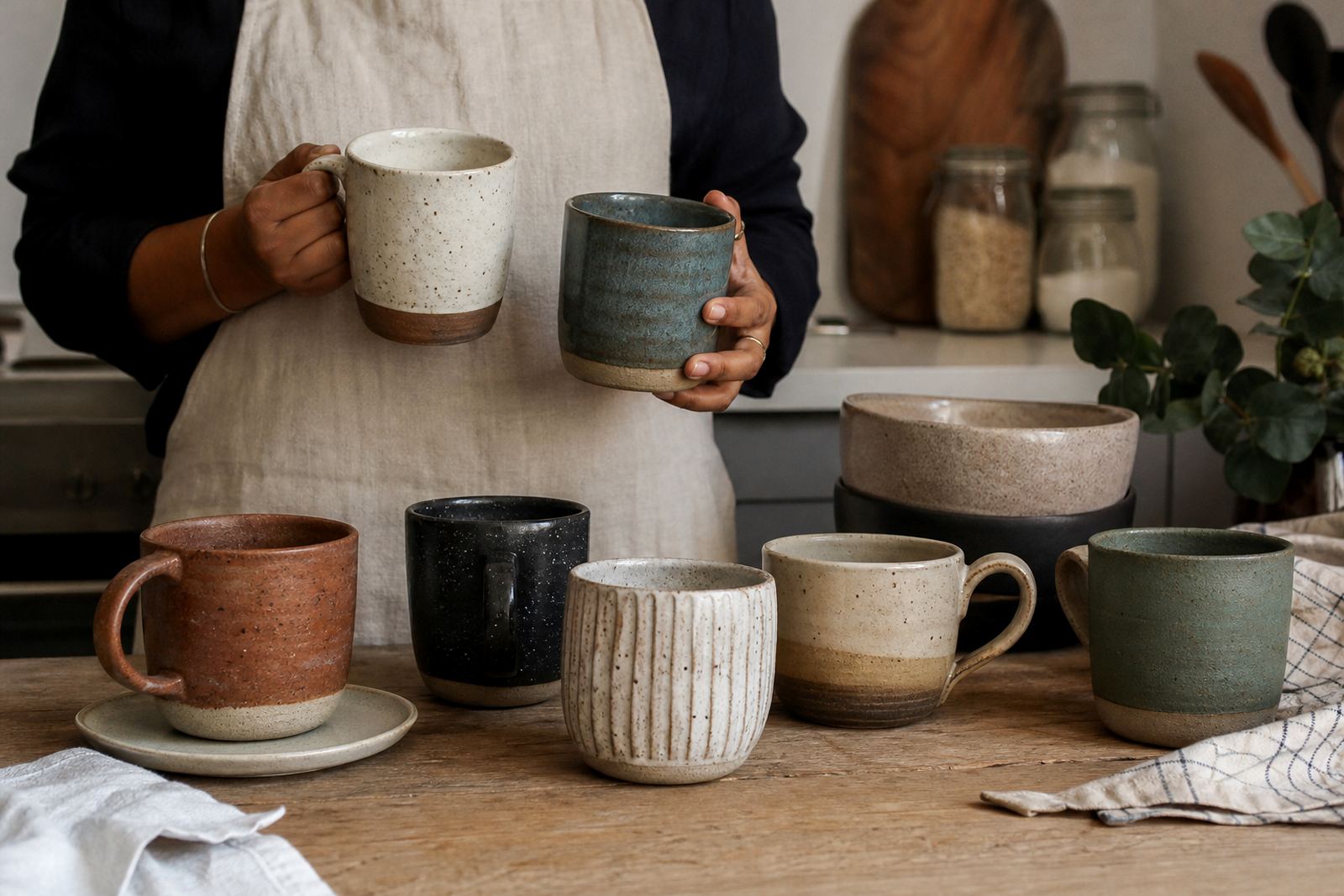
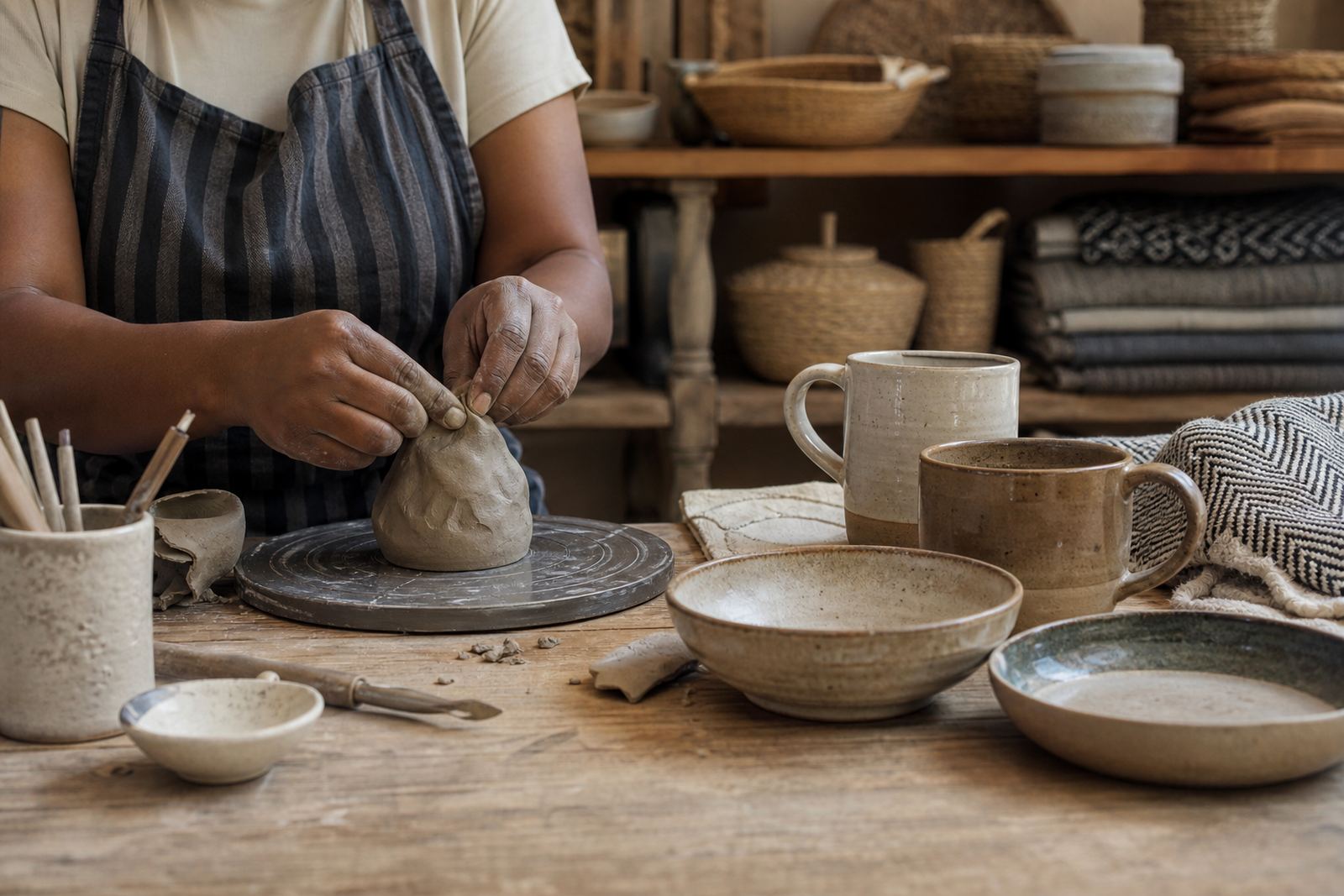
A mass-made mug can be useful, but a handthrown cup with a slightly different rim tells a different story. The same goes for woven runners, carved bowls and stitched cushion covers. These pieces carry small variations that make a room feel lived in, not staged.
In South African homes, that matters. Many spaces need to work hard, from a compact flat in Woodstock to a family house in Durban with open doors and salty air. Handmade homeware adds softness, texture and character without asking for a full room refresh. It can also work across styles, whether the rest of the room is clean-lined, collected over time or a mix of old and new.
Materials that suit local living
Material choice matters as much as the shape. Clay, cotton, wood and natural fibres each age in their own way, and each suits a different part of the home. In coastal areas like Cape Town and Stellenbosch, unglazed or lightly finished ceramics are best used with care, while sealed timber and tightly woven textiles hold up well in rooms that get plenty of use.
- Ceramics work well for serving, storage and display. Look for food-safe glazes on mugs, bowls and platters.
- Cotton and linen textiles are practical for cushions, runners, tea towels and table linen, with a soft feel that suits daily use.
- Wood brings warmth to trays, chopping boards, stools and decorative objects, especially when oiled properly.
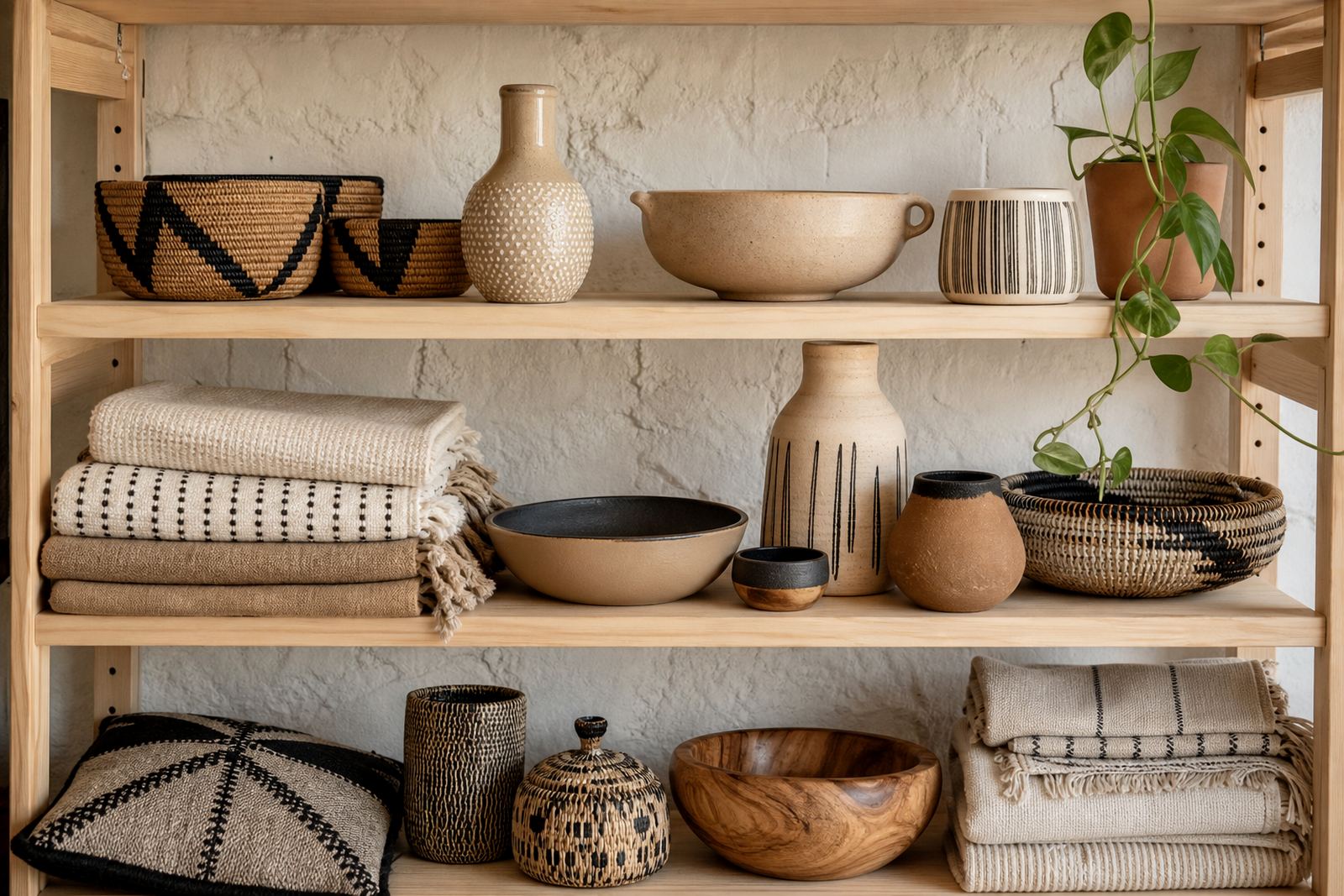
- Handmade decor in clay, fibre or mixed material adds shape to shelves and side tables without crowding the room.
If a home is close to the sea, a little extra care helps. Salt in the air can dull finishes over time, so wiping surfaces dry and avoiding long exposure to moisture goes a long way.
How craft traditions show up in modern rooms
Traditional making is not only for museums or rustic interiors. It appears in the woven pattern on a cushion, the coil marks on a bowl, the block print on a table runner or the carved edge of a wooden stand. These details give a room identity without needing loud colour or heavy decoration.
In Johannesburg, where many homes mix new apartments with older houses, people often use one strong handmade object to anchor a room. A ceramic fruit bowl on the kitchen counter, for example, can soften stainless steel and glass. In Pretoria, a set of matching placemats or handwoven napkins can make weekday meals feel more considered. The point is not perfection, but texture and rhythm.
- Use one standout item on a sideboard rather than many small pieces.
- Repeat a material twice in the same room so the eye can settle.
- Mix matte and glossy finishes to avoid a flat look.
- Keep colour palettes close to your existing furniture if the room already feels busy.
Picking pieces that fit real homes
The best handmade homeware is not only beautiful, it is useful. Before choosing, think about where it will live and how it will be handled. A serving bowl for family lunches needs to be sturdy. A textile for a dining chair needs enough body to sit neatly. A decorative object for a narrow shelf should have enough weight to stay put.
A practical approach also helps when buying gifts. Housewarming sets, wedding gifts and corporate gifts work better when they feel personal but not too specific. A mug and a small bowl can suit many kitchens. A woven basket can be used for keys, fruit or bathroom storage. Gift notes help when the present is being sent straight to someone else, and curated gift boxes are useful when a present needs a more polished finish.
- Check size first, especially for shelves, tables and cupboard spaces.
- Match the item to the room: kitchen, lounge, bathroom or bedroom.
- Choose neutral tones if you want the piece to move between rooms later.
- Ask for care advice when the item uses a finish that needs gentle handling.
Care that keeps the handmade look
Handmade pieces last well when they are treated properly. Ceramics usually prefer hand washing, especially if the glaze is delicate or the surface has a raw edge. Textiles do best when washed gently and dried out of direct sun for too long, which helps keep colour and shape. Wood needs a little maintenance too, usually a light oil now and then so it does not dry out or split.
For everyday homes, the easiest rule is to store and clean pieces with the material in mind. Do not let water sit in wooden trays or on ceramic bases for long periods. Shake out woven items and air them between uses. If a decorative item chips or a joint loosens, replacement help can sometimes save the piece from being discarded too soon. That keeps the object in service, and it respects the work that went into it.
A local example from Woodstock to the rest of the country
A small flat in Woodstock can show how handmade homeware changes a room without a major update. A ceramic jug on a kitchen shelf, a cotton throw over the sofa and a carved wood bowl on the coffee table can turn an ordinary space into something more grounded. None of those pieces needs to match exactly. In fact, the slight differences are what make the room feel real.
That same approach works for deliveries across South Africa, from Cape Town and the Southern Suburbs to Johannesburg, Durban, Pretoria and Stellenbosch. A buyer in a city apartment may choose compact pieces, while someone in a larger home may go for a set of bowls, a runner and a gift box for a new homeowner. Delivery coordination helps the order arrive where it needs to be, and bulk orders can be handled when a business needs gifts for staff or clients.
What ties it all together is the same thing: handmade objects bring a local voice into modern rooms. They make a home feel cared for, and they do it without shouting.