
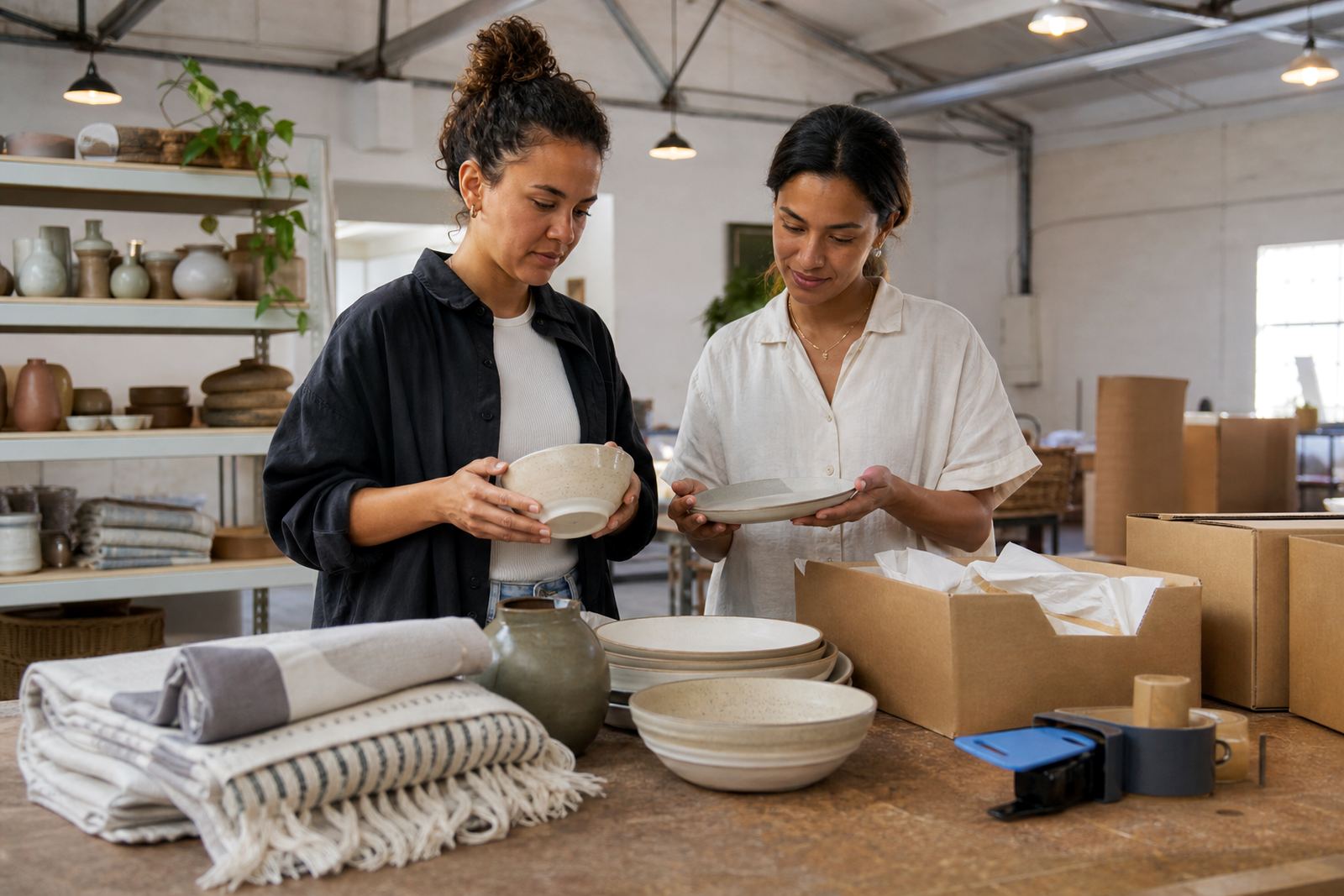
How replacement matching works for handmade ranges
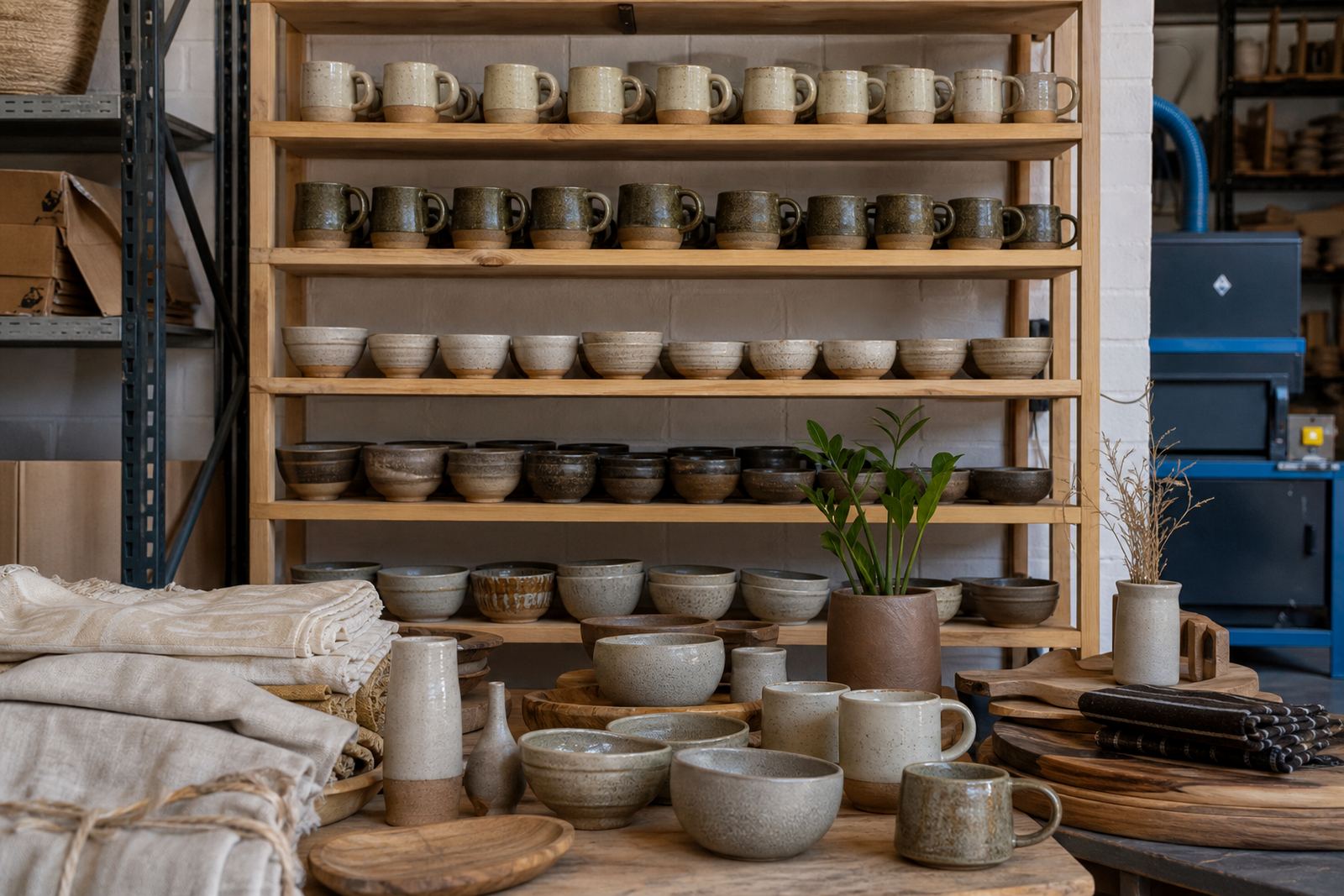
Handmade homeware is rarely identical piece to piece, so replacement support starts with the details that matter most: shape, dimensions, colour family, finish and batch traits. For ceramics, that may mean matching rim diameter, height, volume and glaze tone. For textiles, we look at fibre content, weave weight, hem finish and pattern repeat. For wood items, grain direction, timber species, oil finish and the size of the turned or carved form help narrow the search.
Where a range still has closely related pieces available, we help identify the nearest match for a complete set or a near-match that sits well beside the items you already own. If the exact piece is no longer made, we can often suggest a companion item that keeps the set practical for daily use and does not look out of place on the table or shelf.
- Ceramics: mugs, bowls, side plates, platters and serving dishes
- Textiles: napkins, runners, cushion covers and woven accessories
- Wood: trays, bowls, spoons, stands and small decor pieces
- Decor items: vases, candle holders, planters and display pieces
What we check before suggesting a substitute
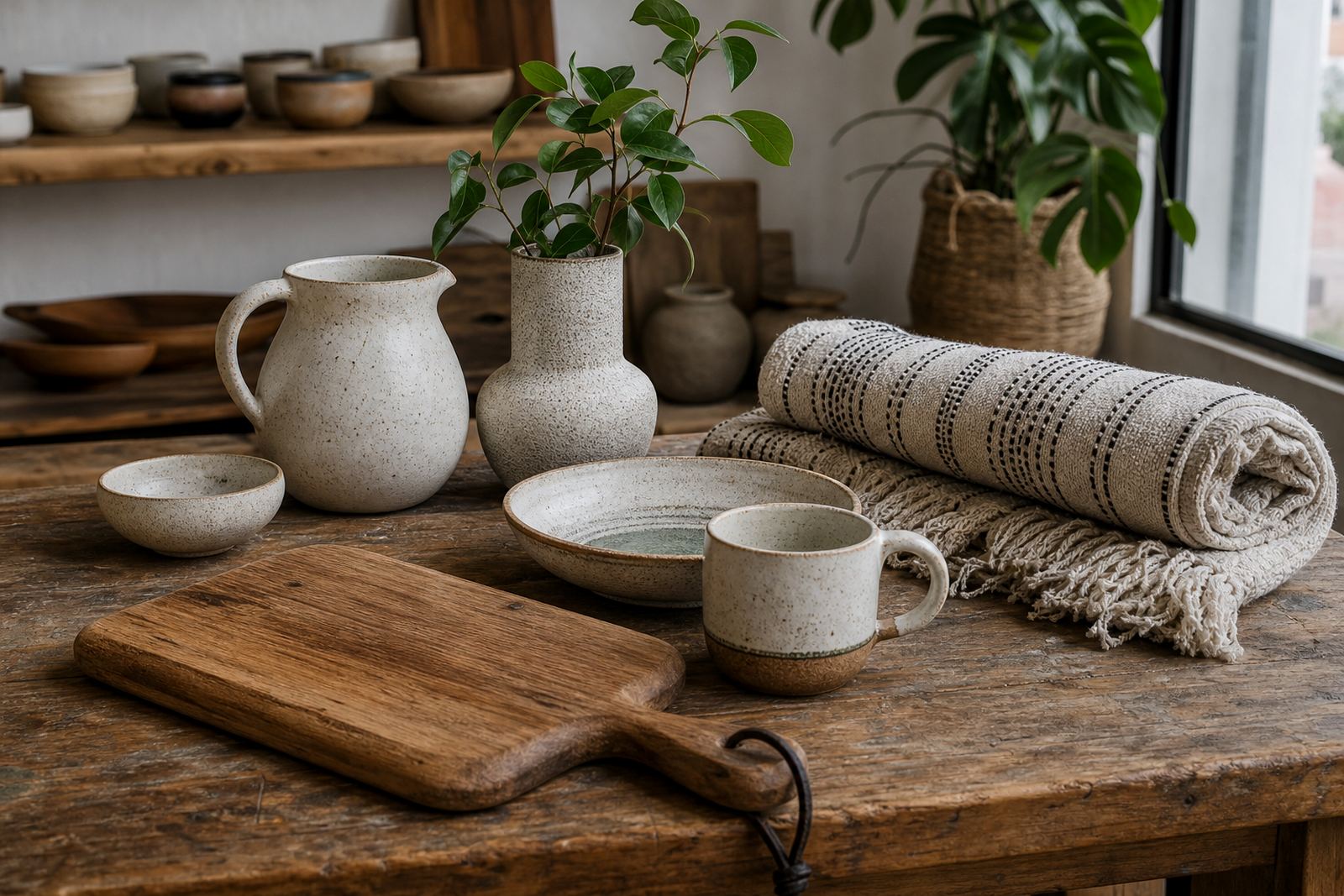
Replacement work is more accurate when we have a few photos and basic measurements. A flat picture on a table, a top view and a side view usually tells us enough about proportion, handle shape, lip thickness and surface texture. For textiles, a photo in natural light helps with colour, weave and scale, especially where the pattern has a hand-printed or hand-dyed look.
We also check whether the item forms part of a set that needs to stay balanced across all pieces. A dinner plate, for example, should sit properly beside the matching side plate and bowl. A wooden serving piece should not be too light or too dark if it is going into an existing set. If the original item had minor irregularities from handwork, we factor that in too so the replacement feels natural rather than forced.
- Measurements in millimetres or centimetres
- Clear photos from different angles
- Any notes about colour, surface and shape
- How the item is used in the set
Step by step from request to match
Replacement requests are handled in a practical order. First we look at the item you need replaced and confirm whether the range still carries a direct match. If it does, we check the closest available option and note any small differences in size or finish. If there is no direct match, we move to related pieces from the same maker or a similar handmade line that keeps the set visually consistent.
Once a suitable option is identified, we confirm the details before it is packed. That includes dimensions, material, care needs and whether the item is better suited to a single-piece replacement or a broader set refresh. For customers in Cape Town, Johannesburg, Durban, Pretoria and Stellenbosch, delivery is arranged through the usual local and national routes, with attention to the fragile nature of handmade stock.
- Share the item details and any photos
- We check direct matches first
- We suggest the closest suitable replacement if needed
- We confirm the final choice before packing and dispatch
Turnaround, stock timing and delivery notes
Turnaround depends on whether the replacement is already in stock, needs to be pulled from a limited range, or must be matched against a similar item. For small handmade pieces the process is usually quicker, while made-by-hand ceramics and woven goods may take longer if only a few units are available. Because artisan stock is often produced in small batches, the exact match is sometimes limited by current availability rather than by the request itself.
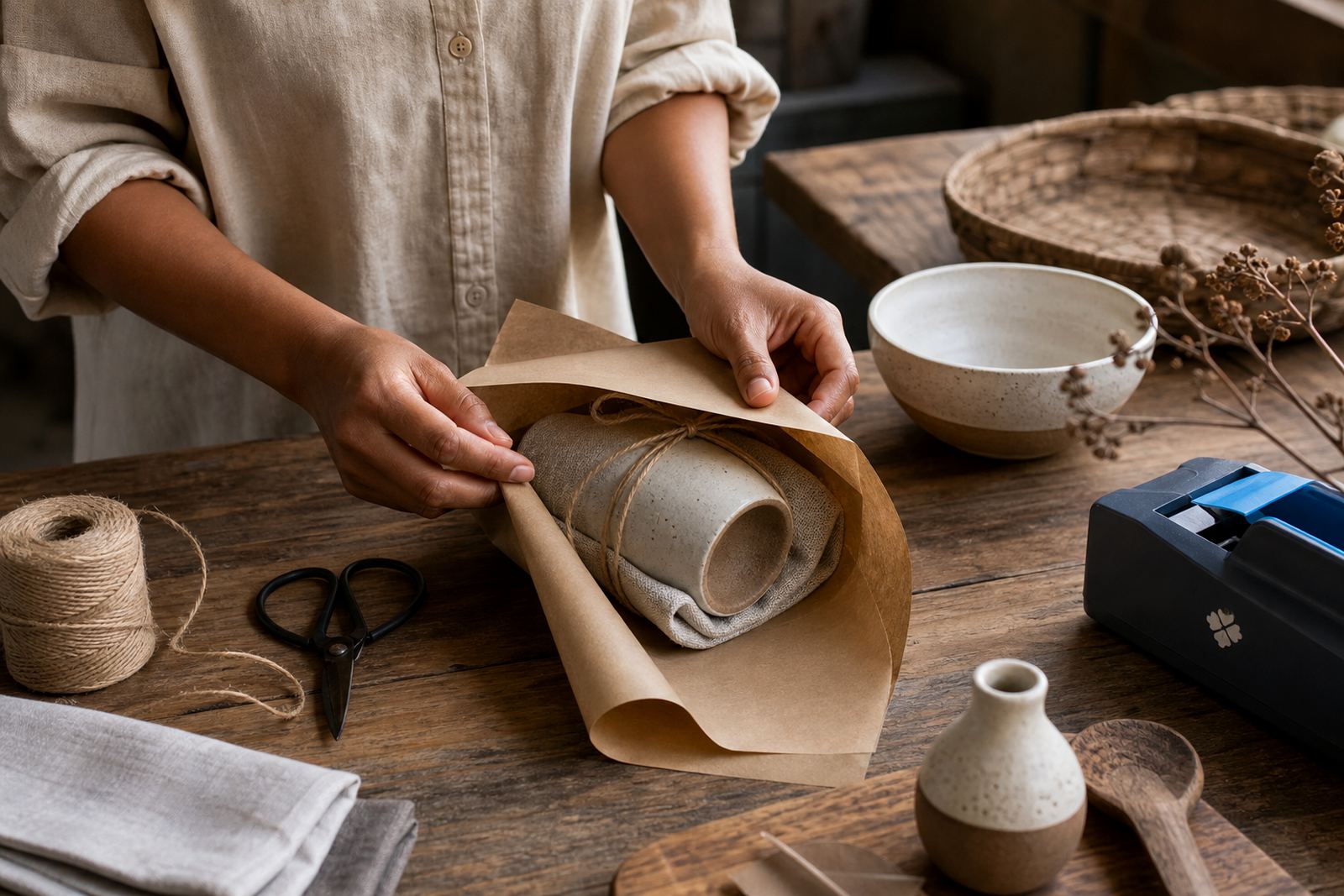
Fragile ceramics are packed with extra cushioning and separated where needed to reduce rubbing. Textiles are folded to avoid harsh creasing, and wood items are wrapped to protect oil finishes and corners. Delivery coordination takes account of the destination, whether that is a flat in the Southern Suburbs, a home on the Atlantic Seaboard, or a business address in Johannesburg, Durban, Pretoria or Stellenbosch.
- Direct matches depend on current stock in the range
- Small-batch items may have slight variation in glaze or grain
- Fragile pieces are packed for breakage control
- Delivery is arranged across major South African centres
Pricing approach for replacement help
Replacement help is priced around the item itself and the amount of matching work needed. A straightforward direct replacement is priced as the product alone, while a harder match may involve sourcing a similar piece from a related range. Where a fuller set needs rebuilding, we can group items into a custom bundle so the set is easier to order and easier to receive in one delivery.
We keep the pricing conversation plain. If the closest match costs more because it is larger, more detailed or made in a different material, that is made clear before anything is confirmed. For corporate gifting, housewarming sets or wedding sets, replacement support can also be folded into a broader order so the final selection stays tidy and consistent.
- Direct replacement: product pricing only
- Closest-match sourcing: based on the item and search effort
- Set rebuilding: grouped pricing where several pieces are needed
- Custom bundles: useful for missing or partial sets
Aftercare once the replacement arrives
Aftercare is about helping the new piece settle into the rest of the set without causing avoidable wear. Glazed ceramics should be washed with mild detergent and dried fully before stacking, especially where the finish is matte or lightly textured. Wooden pieces stay in better shape when they are wiped dry after use and kept away from long soaking. Textiles do best with care that respects the fibres and any printed surface, so washing and storage should match the item label and the weight of the fabric.
If the replacement arrives and it is slightly different from the original, we can advise on how to place it within the set so the difference is less noticeable. That might mean moving one bowl to a serving role, pairing a new cup with an existing group, or using a runner and napkins together so the pattern sits naturally. The focus is practical: keep the set useful, keep it looking balanced, and avoid wasting a good handmade piece because one item went missing.
- Gentle washing for glazed ceramics
- Dry wooden items promptly after use
- Store textiles clean and fully dry
- Use the new piece where it fits best in the set
Key facts
| Service scope | Matching and sourcing similar handmade replacement pieces for ceramics, textiles, wood and decor items |
|---|---|
| Item types | Mugs, bowls, plates, platters, runners, napkins, trays, bowls, candle holders and display pieces |
| Measurement details | Height, width, diameter, volume, weave weight, timber finish and pattern repeat where relevant |
| Availability factor | Depends on current small-batch stock and whether the original range is still active |
| Delivery areas | Cape Town, Johannesburg, Durban, Pretoria, Stellenbosch, Southern Suburbs and Atlantic Seaboard |
| Support outcome | A direct replacement where possible, or the closest practical match for the set |