Woven for real kitchen work
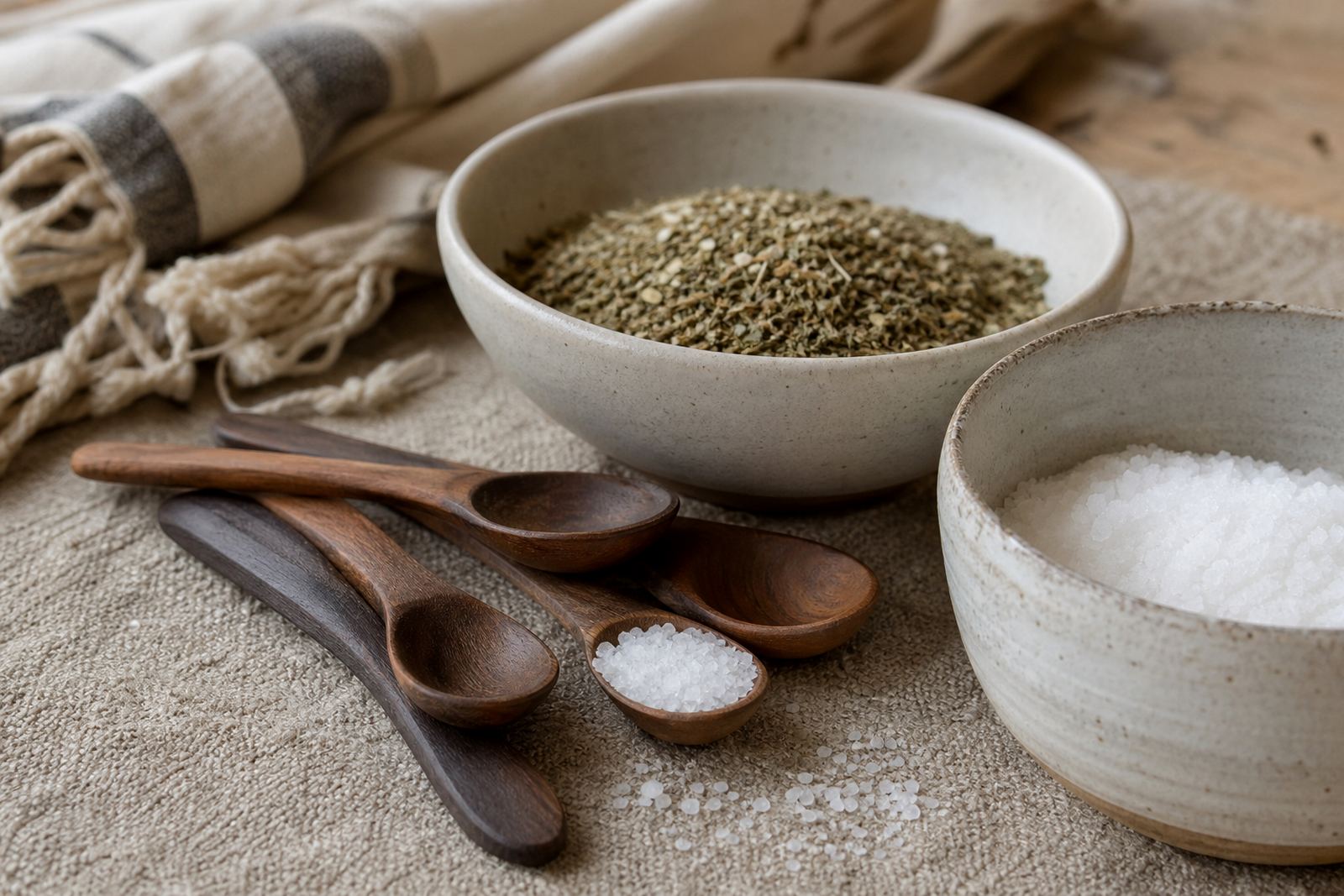
Tea towels are one of the hardest working pieces of kitchen linen, and the best ones are made from fibres that can handle frequent washing without feeling thin or stiff. Our selection focuses on cotton and linen blends, with some 100 percent cotton pieces and some pure linen styles for a crisper hand feel. The weave matters too: a flat weave gives a tidy finish and dries quickly, while a looser weave can feel softer and more absorbent after a few washes.
These towels are suited to drying glassware, covering rising dough, lining serving baskets, wrapping baked goods and managing the day to day spill of a busy kitchen. In coastal homes such as Woodstock, Sea Point or Durban the fabric choice matters because humidity can affect drying time, so an absorbent weave with a lighter weight is often easier to keep in rotation.
Sizes, weave and finish options
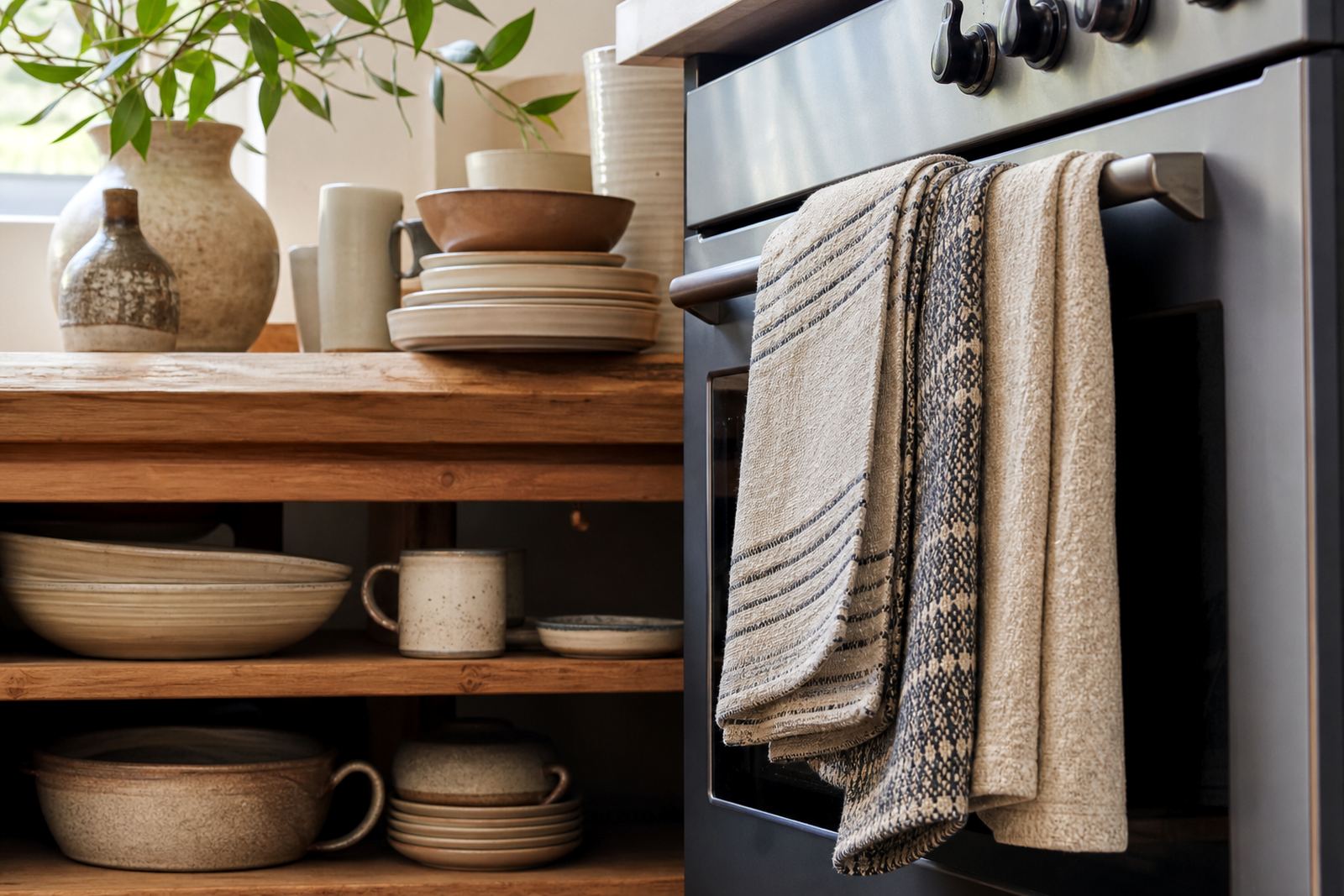
Tea towels are usually cut to a practical rectangular size that folds well and sits neatly over an oven handle or rail. Exact dimensions can vary by maker, but most pieces fall within a standard kitchen cloth format that gives enough surface area for drying without being bulky.
- Common sizes: around 45 x 65 cm, 50 x 70 cm or similar maker-specific cuts
- Fibre options: cotton, linen, cotton-linen blend, and other natural fibres where stated
- Weave styles: plain weave, herringbone, waffle and textured handwoven finishes
- Finishing details: stitched hems, loop tabs, frayed edges or hemmed borders
- Colour and pattern: natural, printed, block-printed, striped, checked or dyed by the maker
Some tea towels are designed as everyday work cloths, while others are more decorative and suit gifting or table styling. If you are matching a set, it helps to check whether the maker has used a repeating print, a hand-dyed batch or a woven stripe, because slight variation is part of the appeal and also means no two pieces sit exactly alike.
Where these tea towels fit best
These tea towels work well in home kitchens, guest cottages, small cafes, farm kitchens and hospitality settings that prefer a more natural look. They are practical for drying hands and dishes, polishing stemware, wrapping warm bread and handling light serving tasks. In Stellenbosch and the Southern Suburbs they are often chosen as part of a gift set, while in Pretoria and Johannesburg they suit both family kitchens and apartment living where storage is tighter.
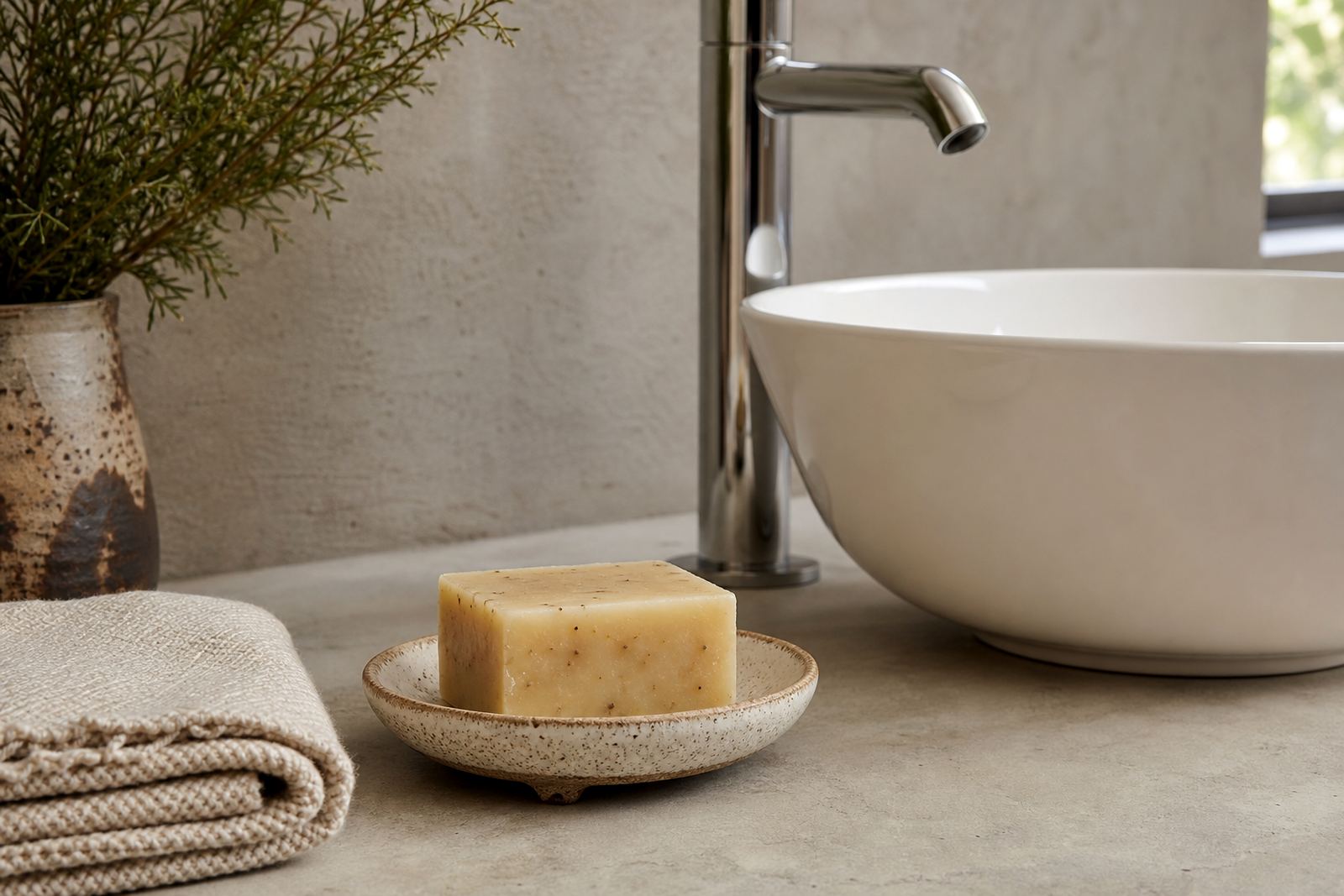
Their look also matters. A well-made tea towel can sit on a hook or draped over a rail and still look neat, which is useful in open-plan kitchens where towels stay visible. For corporate gifting or housewarming sets, neutral tones with a subtle weave usually pair well with boards, ceramics and serving pieces. They are also easy to bundle with mugs, bread boards or handmade soap for a useful gift without fuss.
Hanging, folding and everyday use
There is no installation as such, but it helps to think about how the towel will be used and stored. A loop tab, if included, allows easy hanging on a hook or rail. Without a loop, the towel can still be folded over an oven handle, basket edge or wall hook. In small kitchens that see heavy use, having two or three towels in rotation makes a difference because one can dry while the others stay in use.
- Hang by loop tabs where provided
- Fold lengthways for oven handles and narrow rails
- Keep separate towels for hands, dishes and bread covering
- Use darker shades for high-contact kitchen tasks if you prefer fewer visible marks
Natural-fibre towels usually soften with washing, although some linen pieces can feel a little firmer at first. That is normal and often improves after the first few washes, especially if the cloth is not over-dried. A slightly textured weave may also grip better when drying glassware or holding onto hot serving dishes for a short moment.
Care that keeps the fibres useful
Most tea towels can be machine washed in cool to warm water with similar colours. Avoid harsh bleach unless the maker specifically allows it, as it can weaken the fibres and fade hand-dyed or printed cloth. A mild detergent helps preserve absorbency, and it is best to wash new towels before first use to remove any finishing residue from weaving or printing.
Air drying is usually the gentlest option. If you use a tumble dryer, a low setting helps reduce shrinkage and wear. Linen and cotton blend tea towels often get better with regular washing and drying, though they should not be left sitting damp for long periods. If a towel is used for bread or baked goods, wash it promptly to avoid flour and starch building up in the weave. Ironing is optional, but a light press can give a neater finish if the towel is used on a serving table or for gifting.
What to confirm before ordering
Because these are handmade or small-batch items, the useful details to check are the ones that affect fit, use and appearance. Measurements can vary slightly from piece to piece, which is normal for handcrafted textile work, so it is worth confirming the size if you need them to match existing kitchen linen or a gift bundle.
- Exact size in centimetres
- Fibre content and weave type
- Colour, print or pattern placement
- Whether a hanging loop is included
- Care instructions from the maker
- Whether the piece is sold individually or as a set
If you are ordering for delivery in Cape Town, Johannesburg, Durban, Pretoria, Stellenbosch or the Southern Suburbs, it also helps to check whether the item is meant for a single kitchen or for a larger bundle. For gift wrapping, include any note text and state whether you want a housewarming, wedding or corporate presentation. If you need matching quantities for a bulk order, confirm the count, the preferred colours and whether slight variations are acceptable across the batch.
Key facts
| Product type | Handmade tea towels |
|---|---|
| Typical materials | Cotton, linen, cotton-linen blend, other natural fibres |
| Common sizes | About 45 x 65 cm, 50 x 70 cm, or maker-specific cuts |
| Finish | Hemmed edges, loop tab, woven texture or printed surface |
| Care | Machine wash cold to warm, mild detergent, air dry or low tumble |
| Use cases | Drying dishes, lining baskets, covering dough, gifting and table styling |