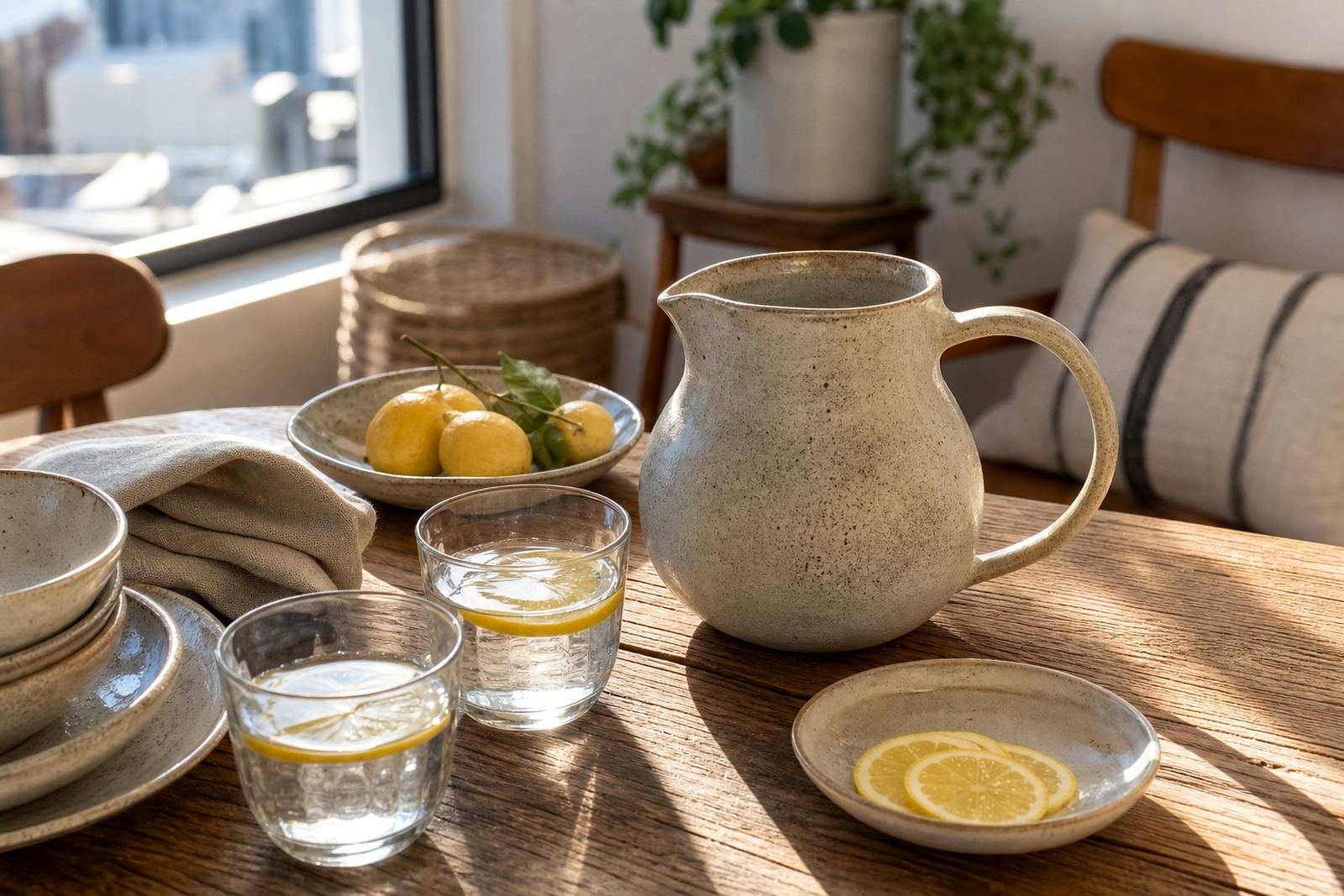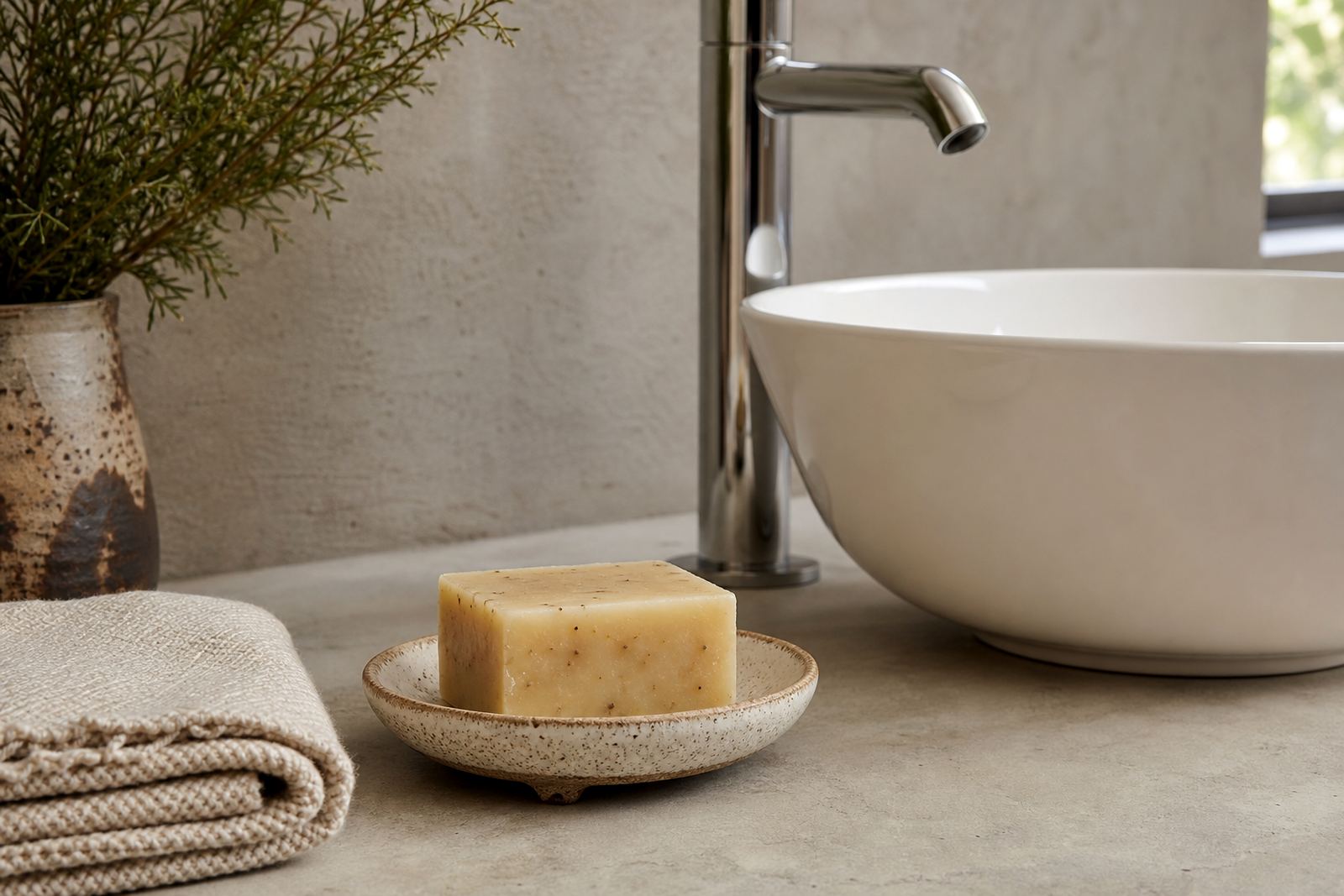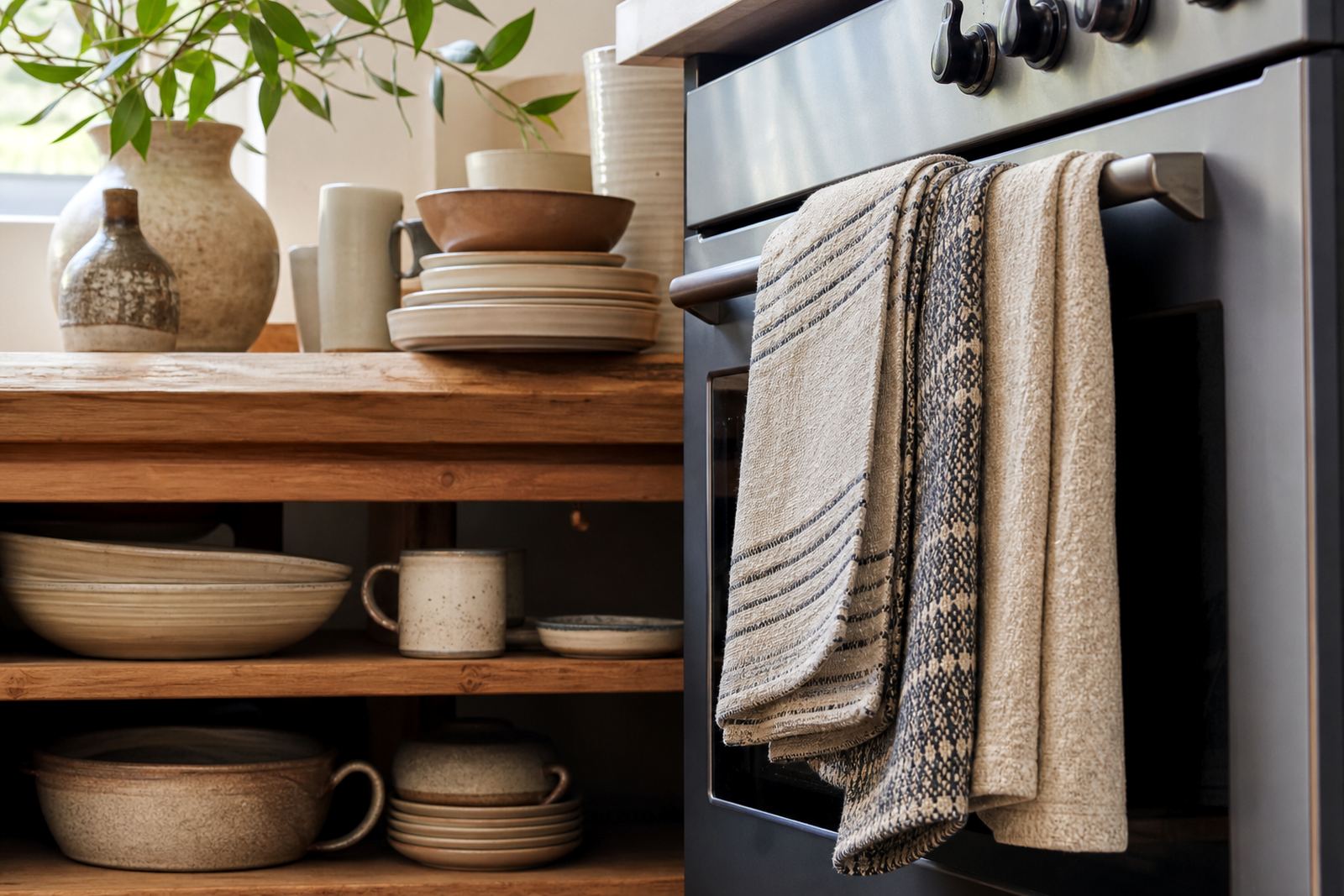

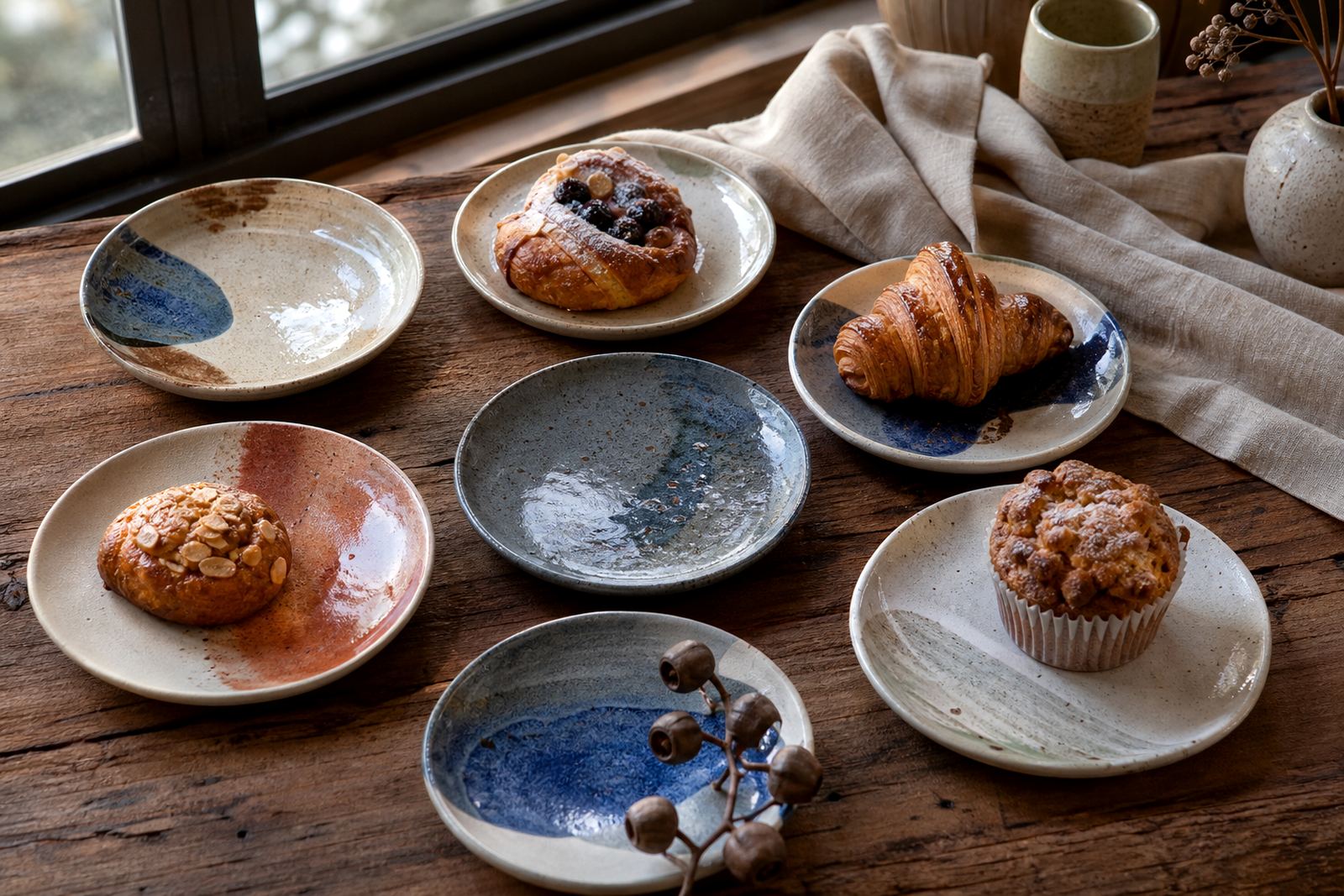
Small plates with proper table presence
Ceramic side plates are the smaller companions to everyday dining pieces, usually used for bread, starters, dessert or a neat breakfast setting. At LocalMaker, the selection leans toward handmade pieces from South African makers, so you get natural variation in colour, rim shape and glaze movement rather than identical sets straight off a production line.
Most side plates in this range sit around 16 cm to 20 cm in diameter, with some flatter styles closer to 15 cm and deeper, hand-thrown pieces reaching about 2 cm to 3 cm in height. The exact size can vary slightly from piece to piece, which is part of the appeal of handmade ceramics and worth keeping in mind when matching them to existing dinnerware.
These plates suit smaller portions where a full dinner plate feels too large. They work well for hotel-style breakfasts at home, plated desserts, cheese and biscuits, or a single sandwich with fruit on the side. In Cape Town homes, especially near the coast, the heavier feel of fired clay also helps them sit neatly on breezy patio tables without looking flimsy.
Finish, glaze and clay body details
The ceramic side plates in this category are typically made from stoneware or similar fired clay bodies, then finished with food-safe glazes. You may find smooth glossy surfaces, satin finishes, speckled clay showing through the glaze, or matte tones that suit a more earthy table setting. Colour usually ranges from white and cream through to sand, charcoal, olive, blue-grey and soft brown.
- Hand thrown or hand-pressed form with natural variation
- Food-safe glazed surface on the eating area
- Common diameters: 16 cm, 18 cm and 20 cm
- Typical height: 1.5 cm to 3 cm depending on profile
- Weight varies by maker, often giving a steady feel in the hand
Because these are handmade, the underside may show slight tool marks, a ring foot, or a more organic base edge. That is normal for this kind of work and it helps with the character of the plate. If you are building a matched table setting, it is worth checking whether you want a uniform glaze across all plates or a mixed, tonal set with a more collected look.
Where these side plates fit in the day
Side plates are useful in homes, guesthouses, small cafés and event tables where portion size and presentation matter. They pair easily with mugs, bowls and larger plates, and they can shift from relaxed weekday use to more formal settings without feeling out of place. A good ceramic side plate gives enough surface area for food while keeping the table arrangement neat.
They are especially handy for:
- Breakfast toast, croissants and buttered rolls
- Cake, tart slices and plated dessert portions
- Starter plates for salad leaves, bruschetta or savoury bites
- Bread service at a dinner table
- Cheese, preserves and small tasting portions
For wedding gifting, housewarming sets and corporate parcels, side plates often form part of a practical homeware bundle. In Durban, where humidity can be high, ceramic remains a steady choice for indoor and covered patio dining, provided the pieces are stored dry between uses.
Fit with existing tableware and serving pieces
There is no installation or fitting work involved, but it does help to think through how the plates will sit with what you already use. Check the diameter against your current dinner plates, serving boards and placemats. A side plate that is too broad can crowd a small table, while one that is too narrow may feel under-sized beside larger bowls or platters.
If you are ordering for a guesthouse, café or gifting range, confirm the following before placing an order:
- Exact diameter and approximate height
- Whether the finish is glossy, satin or matte
- Colour tone and how much variation to expect
- Dishwasher and microwave suitability, if relevant to your use
- Quantity needed for sets, replacements or mixed bundles
- Any preference for matching pairs or intentionally varied handmade pieces
For homes in Johannesburg, Pretoria and Stellenbosch, where entertaining often runs across indoor and outdoor tables, a side plate with a slightly raised rim can be useful for sauces, crumbs or soft desserts. Flat styles are cleaner for stacked storage, while rimmed styles tend to carry food better.
Care for handmade ceramic pieces
Handmade ceramic side plates are straightforward to care for, but they do best with ordinary kitchen sense. Wash with warm water and mild dish soap, then dry fully before stacking. If the glaze is matte or lightly textured, use a soft sponge rather than an abrasive pad to keep the surface looking even. Small marks from cutlery can happen over time, especially on lighter glazes, and they are usually part of normal use rather than a fault.
If the maker recommends dishwasher or microwave use, follow that guidance for the specific piece. If the underside is unglazed or partially glazed, avoid leaving it to sit in standing water for long periods. In coastal homes around Cape Town and the Atlantic Seaboard, dry storage matters more because lingering damp can affect the base over time. When stacking several plates, place a soft cloth or paper between them if the glaze is delicate or the pieces are highly textured.
Key facts
| Product type | Handmade ceramic side plates |
|---|---|
| Common sizes | 16 cm, 18 cm and 20 cm diameter |
| Height | About 1.5 cm to 3 cm, depending on profile |
| Materials | Stoneware or similar fired clay with food-safe glaze |
| Finish options | Glossy, satin, matte and speckled glaze styles |
| Use cases | Breakfast, starters, dessert, bread service and gifting |