Hand-thrown forms for the tea table
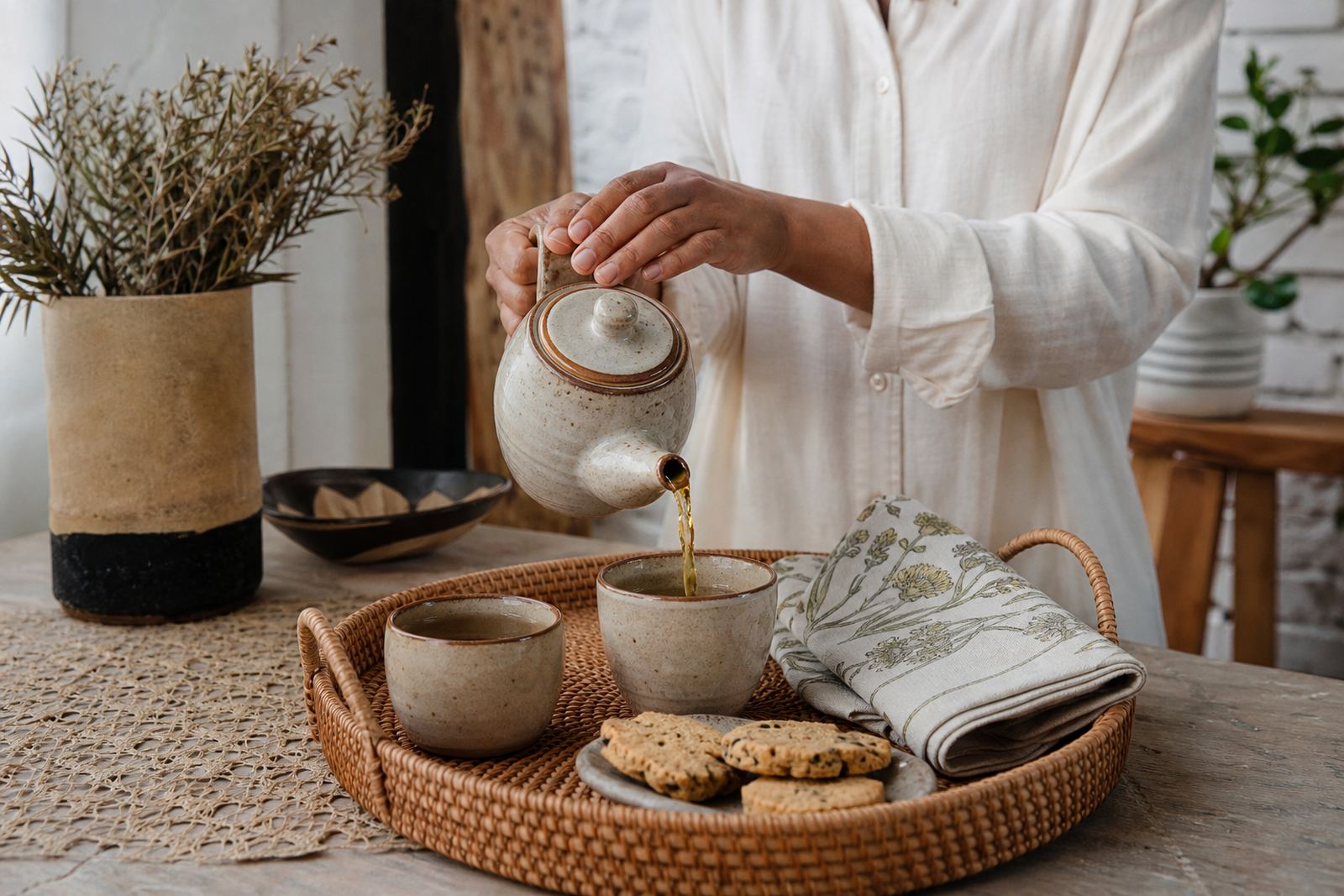
A ceramic teapot is a lidded vessel designed for brewing and pouring tea in one piece. The range includes hand-thrown and hand-finished pieces in stoneware or earthenware, with glazed surfaces, fitted lids and spouts shaped for steady pouring. Some have rounded bodies for heat retention, while others use a flatter profile that sits neatly on a crowded table or shelf.
Because these are made by hand, no two are exactly alike. You may see slight variations in glaze tone, foot shape, handle placement and surface speckling. That is part of the appeal for buyers who want something practical with a little character, not a factory-made look.
- Typical capacity: 500 ml, 750 ml, 1 litre or larger serving sizes
- Common styles: round body, bulb shape, low profile or tall pourer
- Finish options: glossy glaze, satin glaze, speckled clay or mixed natural tones
Which sizes work best for daily brewing
The right size depends on how the teapot will be used. A 500 ml pot suits one or two cups and works well for loose-leaf tea at a quiet breakfast table. A 750 ml to 1 litre pot is better for family use, casual hosting or a small office kitchen. Larger serving pots can suit shared tea service at a long lunch, especially when the rest of the tableware is already set for a few people.
When ordering, confirm the stated capacity and check whether it is measured to the brim or to the recommended fill line. Some makers allow a little room below the lid to reduce spills and to keep the tea leaves moving freely. If the teapot will be used with an infuser basket, ask for the internal opening width and the height under the lid so the basket sits properly.
- For one to two cups: 400 ml to 600 ml
- For two to four cups: 700 ml to 1 litre
- For table service: 1 litre plus, depending on pour volume
Materials that shape the brew
Most handmade ceramic teapots are made from stoneware or earthenware clay bodies. Stoneware is dense and well suited to regular use, with a weight that feels steady in the hand. Earthenware often has a warmer, more decorative feel and can take on richer glaze colours. In both cases, the maker’s firing temperature, clay blend and glaze choice affect the final look and the way the pot handles heat.
Glazed interiors help with easier cleaning and are standard on most serving teapots. A well-made lid should sit securely without jamming, and the handle should allow a controlled grip when the pot is full. For buyers in Cape Town, Stellenbosch and coastal areas, a dense fired clay and properly matured glaze are useful in homes where the air carries more humidity and salt.
- Stoneware: dense, practical, often heavier in the hand
- Earthenware: more decorative, usually lighter, often brighter in finish
- Glazed interior: easier rinsing and less tea staining
Where ceramic teapots sit best at home or work
These pieces work well in kitchens, on open shelving, breakfast nooks and sideboards where they can be both used and seen. They suit homes that favour warm materials, natural textures and serving pieces with a handmade look. A ceramic teapot is also a practical gift for housewarmings, wedding tables and corporate hampers where something useful is preferred over a generic filler item.
In hospitality settings or meeting spaces, a teapot can be paired with matching cups, a milk jug and a tray for a clean serving set. For gifting, a medium teapot usually gives the best balance between display value and everyday use. If the order is going into a gift box or custom bundle, it helps to choose shapes that stack or nest neatly with the rest of the items.
- Households that serve tea often and want a proper pourer
- Wedding, housewarming and birthday gift sets
- Small hospitality settings, boardrooms and guest spaces
Care that keeps the surface and pour in good shape
Handmade ceramic teapots should be handled with care, especially around the lid, spout and handle. Warm water and mild dish soap are usually enough for cleaning. If tea stains build up inside, a soft sponge and a short soak normally do the job. Avoid harsh abrasives that can dull glaze or scratch the surface.
If the pot has a fine unglazed base ring, wipe it dry after washing to avoid water marks on shelves or trays. Let the teapot cool before rinsing if it has been used with boiling water. Sudden temperature changes can stress ceramicware, so it is better to keep the heating and cooling gradual. On homes near the coast, drying it properly after washing helps reduce mineral spots and keeps the finish neat.
- Wash by hand with mild soap and lukewarm water
- Dry the lid and rim before storage
- Use a soft cloth if the glaze picks up tea marks
Details worth confirming before you order
Because these are handmade, the practical details matter. Confirm the capacity, the number of cups the maker recommends, and whether the teapot is intended for loose-leaf tea, tea bags or both. Ask for the lid fit, spout angle, handle size and overall height if it needs to sit under a shelf or inside a gift box. If you want a particular colour family, be clear about whether you prefer warm neutrals, earth tones or brighter glaze work.
If the teapot is being added to a curated gift set, it helps to confirm matching items early so the full order feels considered. LocalMaker also assists with delivery coordination across South Africa, including Cape Town, Johannesburg, Durban, Pretoria and Stellenbosch, plus the surrounding areas listed on our delivery routes. For replacements or breakage queries, the exact item details make handling easier.
- Capacity in millilitres and preferred cup count
- Glaze colour, clay tone and finish preference
- Lid fit, handle size and overall measurements
- Gift wrapping, gift notes or bundle pairing if needed
Key facts
| Product type | Handmade ceramic teapot |
|---|---|
| Material | Stoneware or earthenware clay with glazed finish |
| Typical sizes | 500 ml, 750 ml, 1 litre and larger serving sizes |
| Use | Loose-leaf tea, tea bags, serving at home or for gifting |
| Care | Hand wash with mild soap, dry well after washing |
| Delivery coverage | Woodstock, Cape Town and across South Africa including major metro areas |