
Where small spaces usually get cluttered
In a flat, studio or compact family home, clutter usually builds in the same spots: beside the kettle, under the TV, on an open shelf near the door, or in that one corner where keys, mail and sunglasses collect. Handmade homeware works well here when the pieces are modest in size, easy to lift and useful every day.
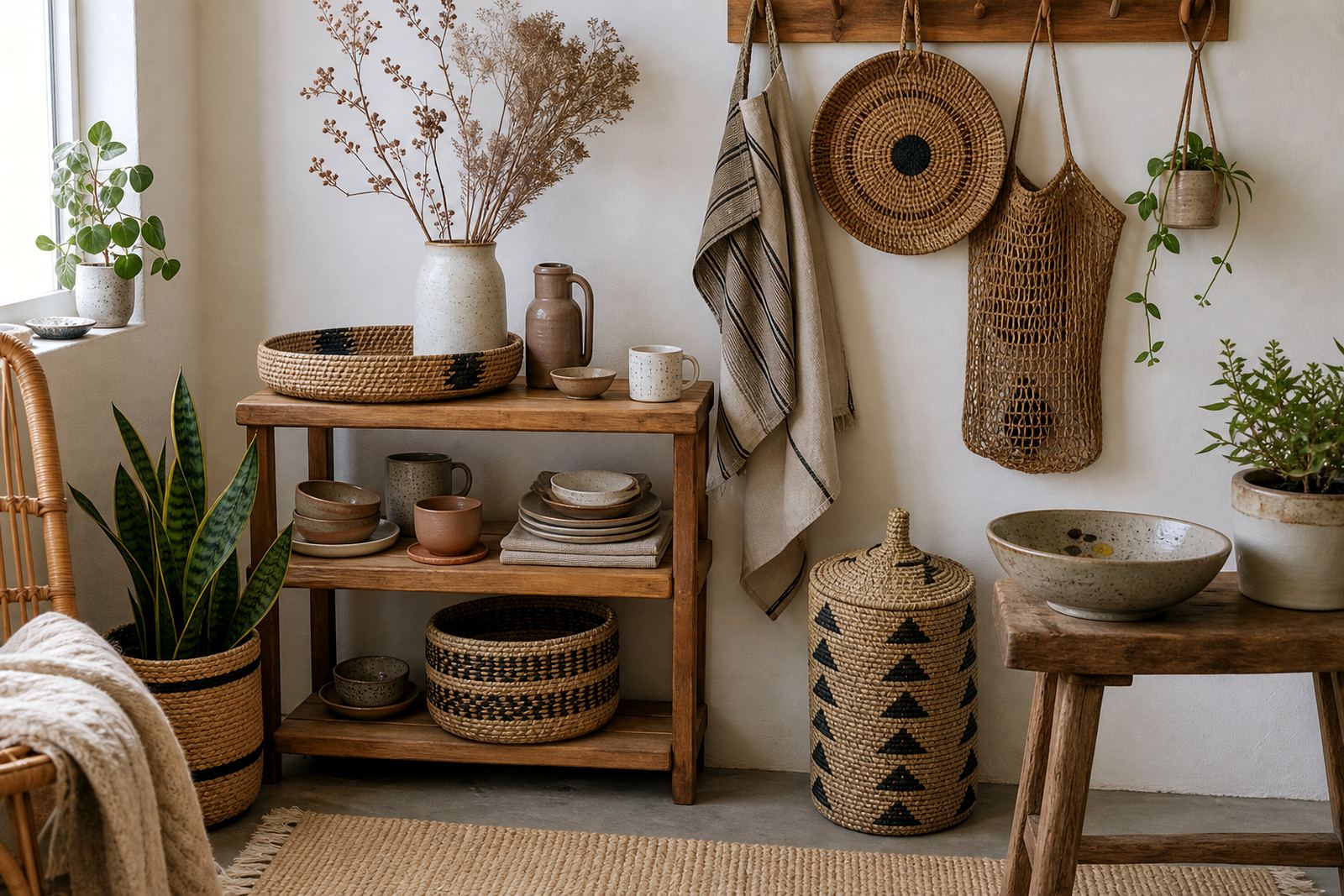
For smaller rooms, the best set is not a large collection. It is a few well chosen items that do more than one job and fit the way the home is used. A ceramic bowl by the entrance, a lidded jar for tea bags, a textile basket for throws, and a wooden tray for daily bits can calm a room without taking up much floor area.
- Choose one storage piece per trouble spot, not several.
- Keep larger decor off narrow counters so surfaces stay usable.
- Use matching materials in one room so the eye reads the space as tidier.
Pieces that work in tighter rooms
Handmade ceramics are useful where a room needs weight and order. A small footed bowl can hold keys, loose coins or change, while a tray can group a candle, matches and a small vase. Glazed pieces suit kitchens and bathrooms because they wipe clean easily, while matte finishes need a bit more care around water marks.
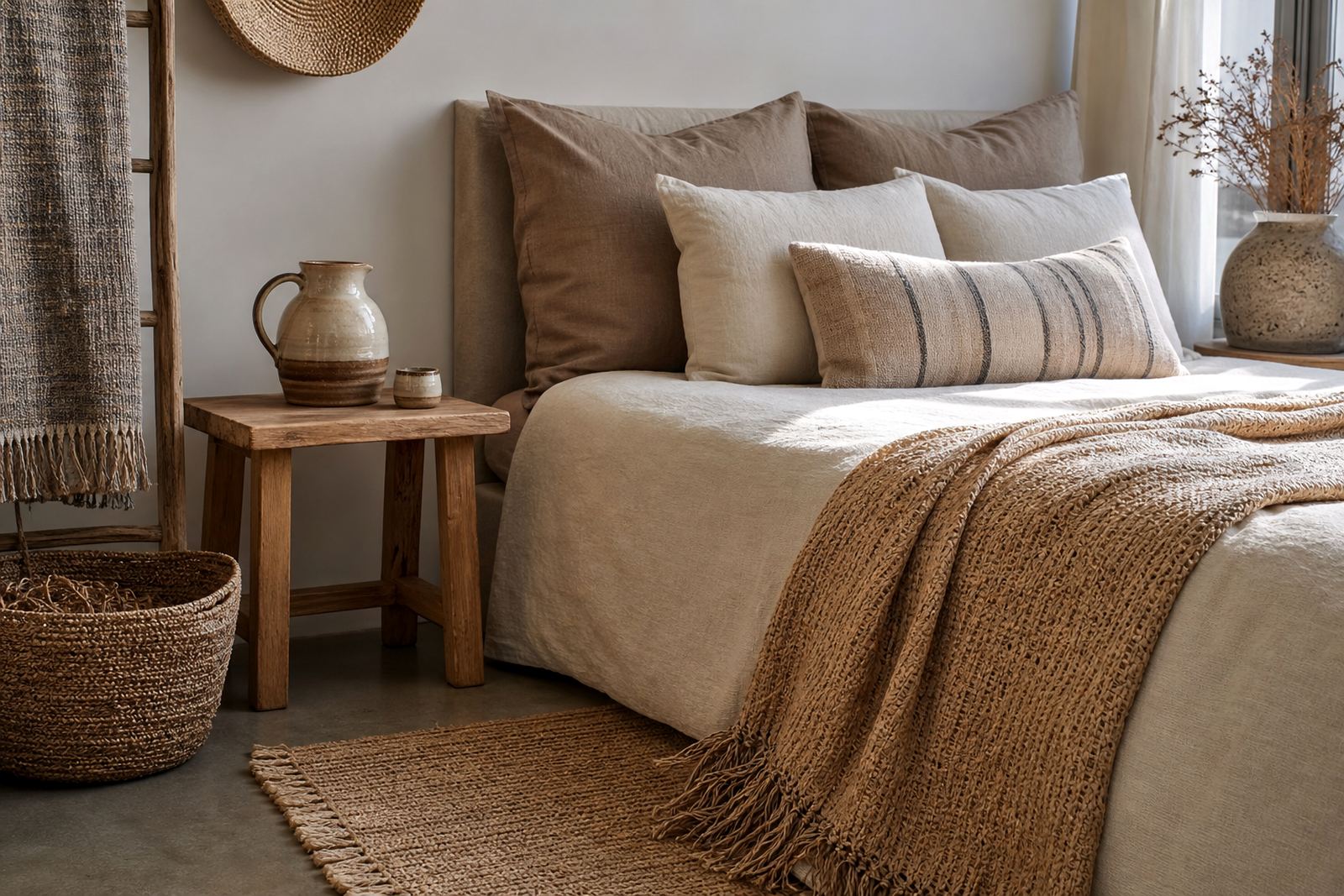
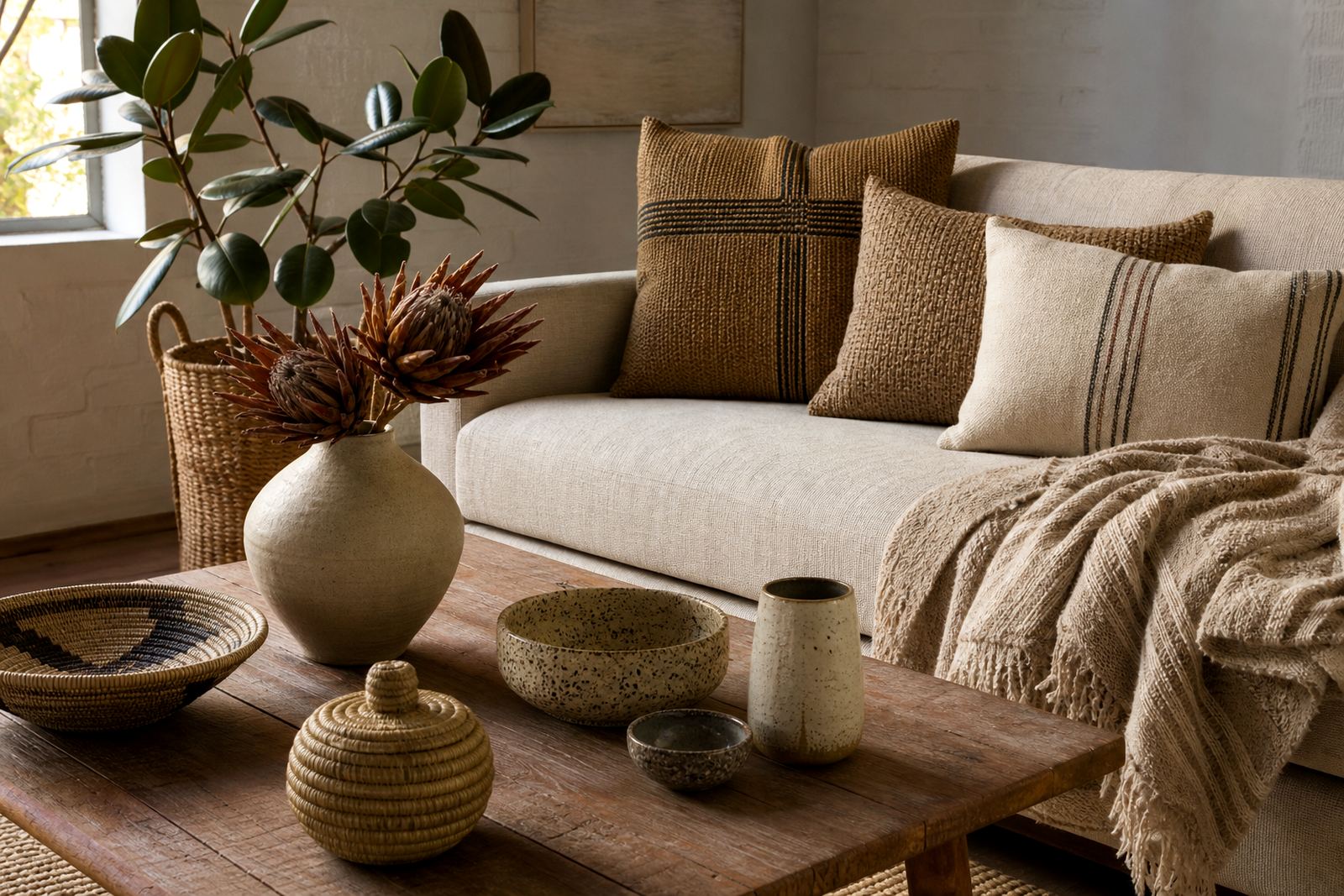
Textiles are a practical way to soften a compact room. Woven baskets, tea towels, table runners and cushion covers add colour and texture without crowding a space. In coastal places like Cape Town or Durban, cotton and linen blends are often a sensible pick because they breathe well and dry out faster in humid conditions.
Wooden items bring warmth to a room, especially in light-toned interiors. Small stools, serving boards, boxes and trays can shift between kitchen, lounge and bedroom, which helps if storage is tight. Decor pieces should be chosen for scale, a tall object can look lovely on a shelf but if it blocks sightlines the room starts to feel packed.
Planning a layout that stays practical
Good small-space layout starts with the routes people use most. If a shelf is above eye level, it suits light decor rather than daily-use items. If a counter gets used for prep or packing lunch, keep the surface partly open and place only the essentials there. That bit of empty space matters more than many people think.
It helps to group pieces by purpose. Keep serving items near the dining area, storage baskets near the lounge, and bathroom pieces in one colour family if the room is open-plan. In a one-bedroom apartment, a few coordinated items can make the home feel organised without adding more cupboards.
- Measure shelf depth before ordering so trays and jars do not overhang.
- Use lighter colours in narrow passages and darker tones where you want contrast.
- Leave some vertical breathing room between shelves and tall decor.
- Mix one statement piece with smaller companions, not several strong pieces together.
Care that keeps handmade pieces looking right
Small homes often mean regular use, so care matters. Ceramics should be washed with warm water and a mild soap, then dried before stacking. If a piece has an unglazed base, treat it gently on stone tops and wooden shelves to avoid scratches. Textiles do best when shaken out often and washed according to the fibre, with air drying where possible.
Wooden items should be kept away from standing water and wiped down after use. A little food-safe oil now and then can help some unfinished or lightly finished pieces, though the exact care depends on the surface. In humid coastal homes, storing textiles and wood with airflow around them helps prevent musty smells and swelling.
For mixed material pieces, like wood with ceramic or woven details, the safest habit is to clean the gentlest part first and avoid soaking the whole item. That keeps joins, finishes and stitched edges in better shape.
Budget ranges for compact homeware orders
For small-space living, many people start with a focused order rather than a full room refresh. A basic basket-and-tray combination, a few kitchen pieces and one or two decor items can work well without pushing the budget too far. Handmade work varies by size, finish and material, so it helps to price by use rather than by room count.
As a working guide in Rand, a modest starter order can sit around R350 to R900 for a couple of useful pieces. A more rounded small-space set with ceramics, textiles and one wooden item may fall between R900 and R2 500. For housewarming gifts, wedding gifting or a curated bundle, the total can move higher depending on how many items are included and whether gift wrapping or notes are added.
- Start with the items you touch every day.
- Spend more on pieces that will stay visible, like a tray or serving bowl.
- Use softer budget pieces for storage inside cupboards and less exposed spots.
Common mistakes in compact homes
The biggest mistake is buying too many small objects because they are smaller. Even a tiny vase collection can make a shelf feel busy if every inch is filled. Another issue is choosing decorative items that cannot be used or stored easily, so they end up moving from one corner to another.
People also often forget scale. A large runner on a narrow table can crowd plates, while a wide basket in a passage may block movement. It is better to think about clearances, access and how often the piece gets handled. If a room needs one more item, it should solve a real problem, not just fill a gap.
For open-plan homes in Woodstock, the Southern Suburbs or the Atlantic Seaboard, there is another common slip: mixing too many finishes at once. A room with polished ceramic, raw wood, bright weave and several strong colours can quickly feel restless. A steadier mix usually looks better and lives easier.