
Start With the Maker's Material, Not Just the Item
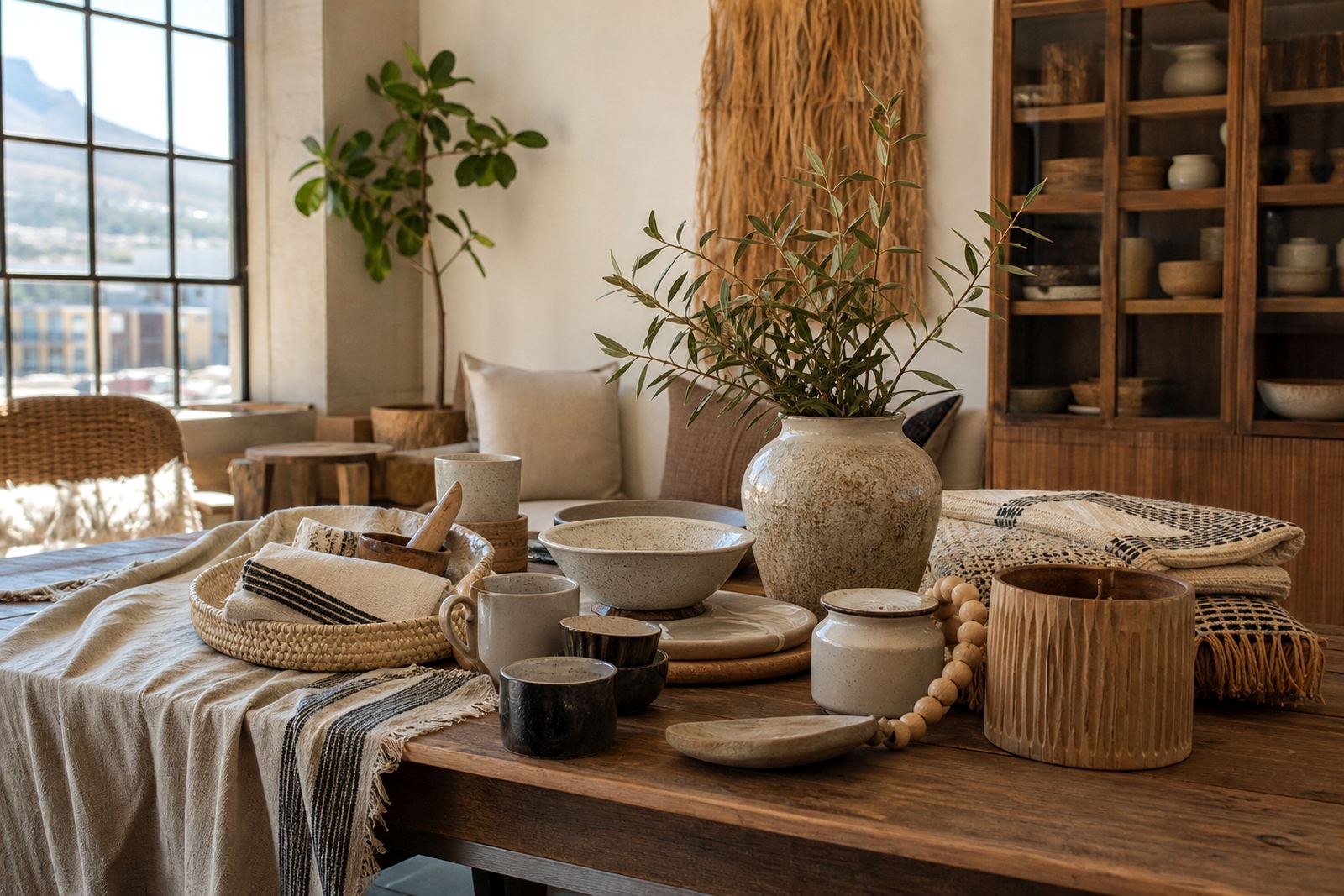
Handmade pieces are shaped and finished by hand, so the care depends on the material, glaze, weave or seal used. A ceramic bowl needs different handling from a woven runner or a carved wooden tray, and the safest routine is to treat each item gently from the first use. If a piece feels especially light, uneven, or finely finished, handle it with both hands and avoid sudden changes in temperature.
- Keep a soft cloth nearby for quick dusting and drying.
- Use lukewarm water for most routine cleaning.
- Avoid rough scourers on painted, glazed or polished surfaces.
- Let pieces dry fully before storing them away.
Ceramics That Stay Lovely on the Shelf
Handmade ceramics often carry small marks from the making process, which is part of their character. For cups, plates, jugs and serving bowls, wash by hand with mild soap and warm water unless you have clear care notes saying otherwise. Sudden heat can cause stress in pottery, so do not move a very cold piece straight into very hot water. In humid coastal homes, dry ceramics fully before stacking to prevent damp spots and musty smells.
- Place a tea towel between stacked plates if rims are rough or unglazed.
- Do not use metal scourers on glazed surfaces.
- Wipe the base after washing, especially on shelves or polished tables.
- Check for hairline cracks before using a piece for hot drinks or oven heat.
Textiles Need Gentle Washing and Good Airflow
Textiles such as throws, runners, cushion covers and cloth napkins do best with mild washing and careful drying. Use a gentle cycle or hand wash where possible, then reshape while damp. Strong sun can fade dyed fibres over time, so dry in shade when you can, particularly on bright fabrics. In Johannesburg’s dry weather or Cape Town’s sea air, good airflow helps fabric stay fresh without stiffness or odour.
- Wash similar colours together the first few times.
- Use a mild detergent and skip bleach unless the care note allows it.
- Flatten or shake out woven items before drying to keep their shape.
- Store textiles in a dry cupboard with enough space to breathe.
Wood Pieces Like Dry Hands and Light Cleaning
Wooden boards, trays, bowls and decor items should be wiped, not soaked. Too much water can cause swelling, splitting or rough grain. Use a damp cloth with a little mild soap, then dry at once with a clean towel. If a wooden piece has a food-safe finish, keep it away from standing water and leave it out to air after cleaning. In homes near the coast, a dry indoor shelf is better than a damp bathroom or enclosed laundry area.
If the surface starts to look tired, a small amount of suitable oil can help, but only on untreated or properly finished wood and only when the maker's care note allows it.
Decor Items and Finishes That Need a Soft Touch
Decor pieces such as vases, candle holders, wall accents and sculptural items often have delicate painted areas, textured surfaces or applied details. Dust them regularly with a soft dry cloth or a clean paintbrush for crevices. If a finish is matte, unsealed or hand-painted, water can mark it, so test a hidden spot before using anything damp. Keep fragile items away from busy edges, direct stove heat and windows that get strong afternoon sun.
- Lift decorative objects from the base, not from a handle or rim.
- Keep candles on stable, heat-safe surfaces.
- Move fragile pieces separately when cleaning a room.
- Store extra decor in tissue or cloth, never in loose plastic with trapped moisture.
Gift Boxes, Storage and Everyday Rotation
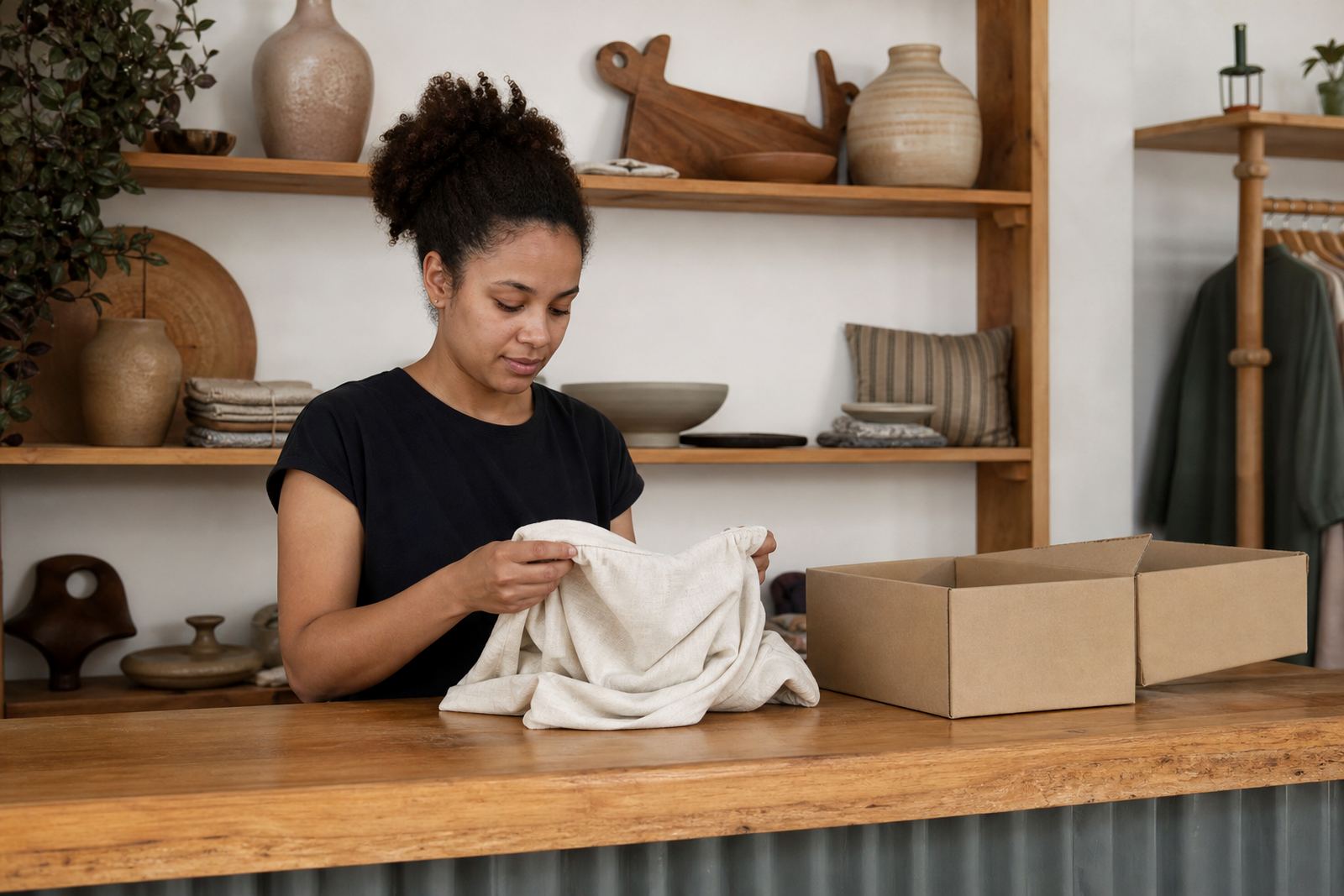
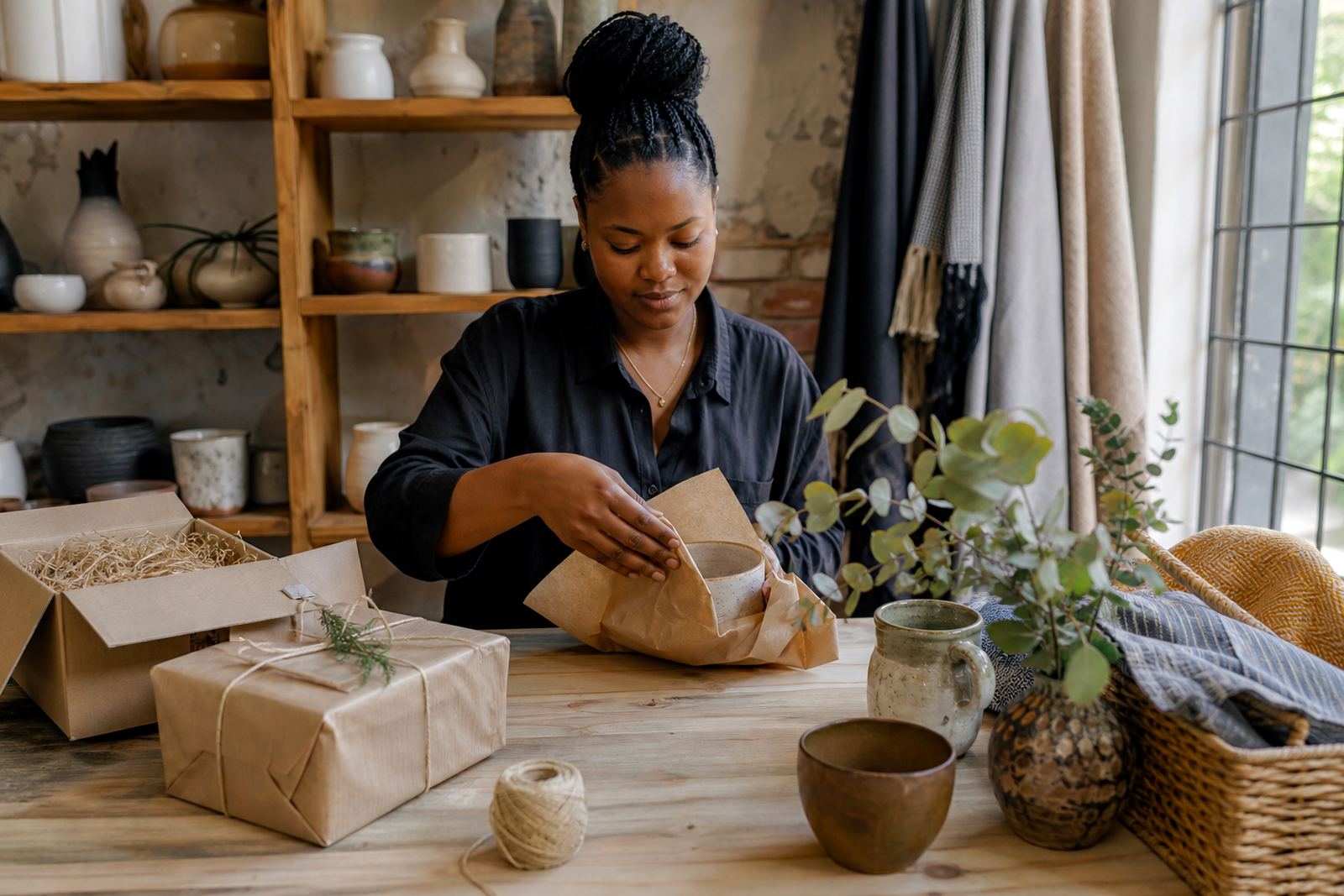
When pieces are packed as gifts or stored between seasons, wrap them so they do not knock against each other. Tissue, soft cloth or plain paper works well for most homeware. Keep heavier ceramics lower down, with lighter decor above them. If you are using pieces daily, rotate them now and then so the same plate, bowl or tray is not always carrying the wear. Small habits like this help handmade items stay useful for longer in busy family homes, guest houses and office kitchens.
For gift wrapping, housewarming sets, wedding gifting and custom bundles, it helps to think about how the recipient will unpack and use the item. Practical packing reduces chips, dents and dust before the first use.
When a Piece Needs Replacement Help
Even careful handling cannot prevent every chip, crack or loose finish. If a ceramic item arrives damaged, or a set is missing a part, keep the packaging and take clear photos so the issue can be checked properly. For care questions on mixed materials, it is useful to describe the item, where it is used and what finish it has. That helps with guidance on cleaning, storage and whether a piece can still be used safely.
For replacement help and care advice, use the enquiry form on our contact page. Include the item type, the finish if known, and the city or area for delivery such as Woodstock, Cape Town, Johannesburg, Durban, Pretoria or Stellenbosch.