Objects with a maker behind them
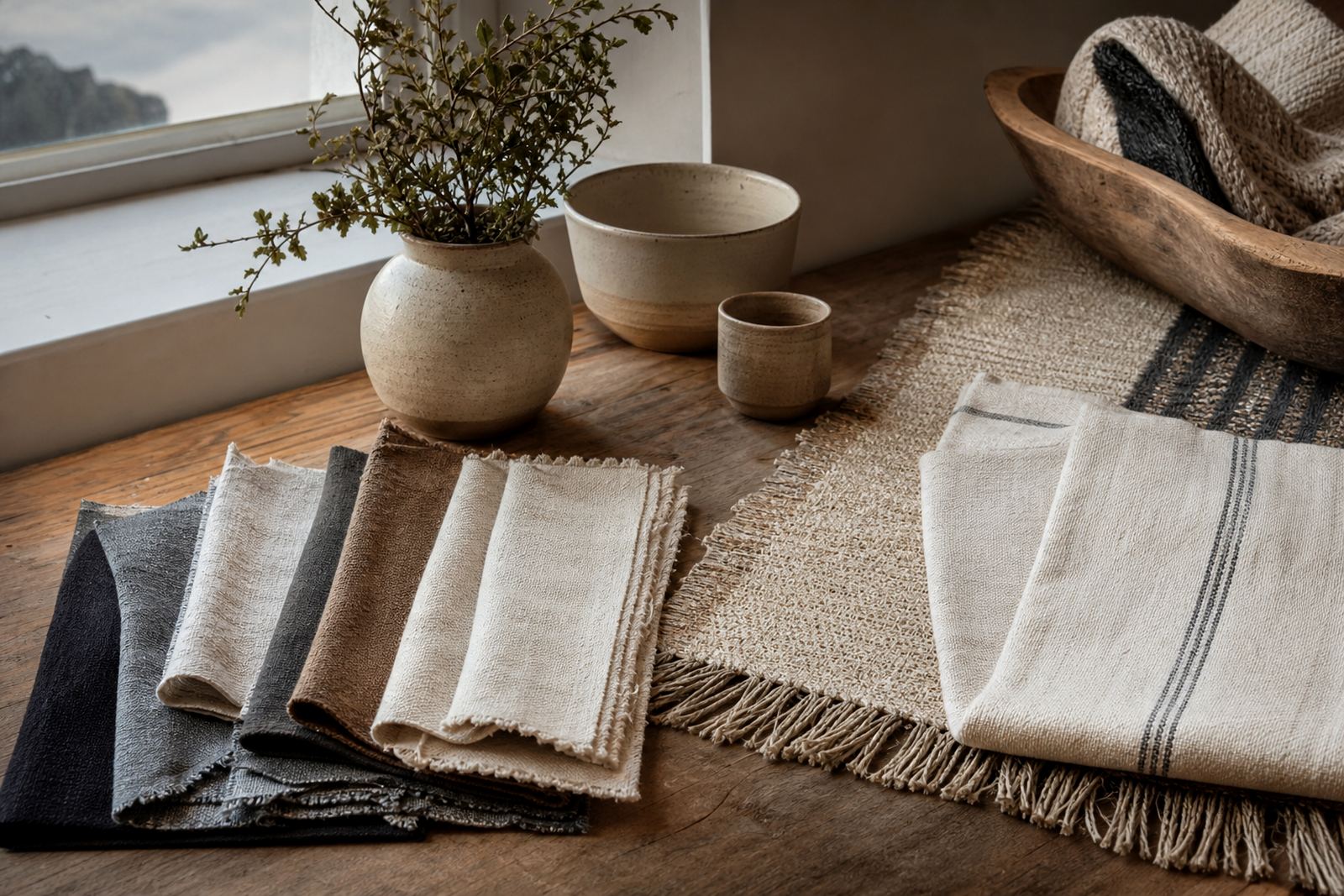
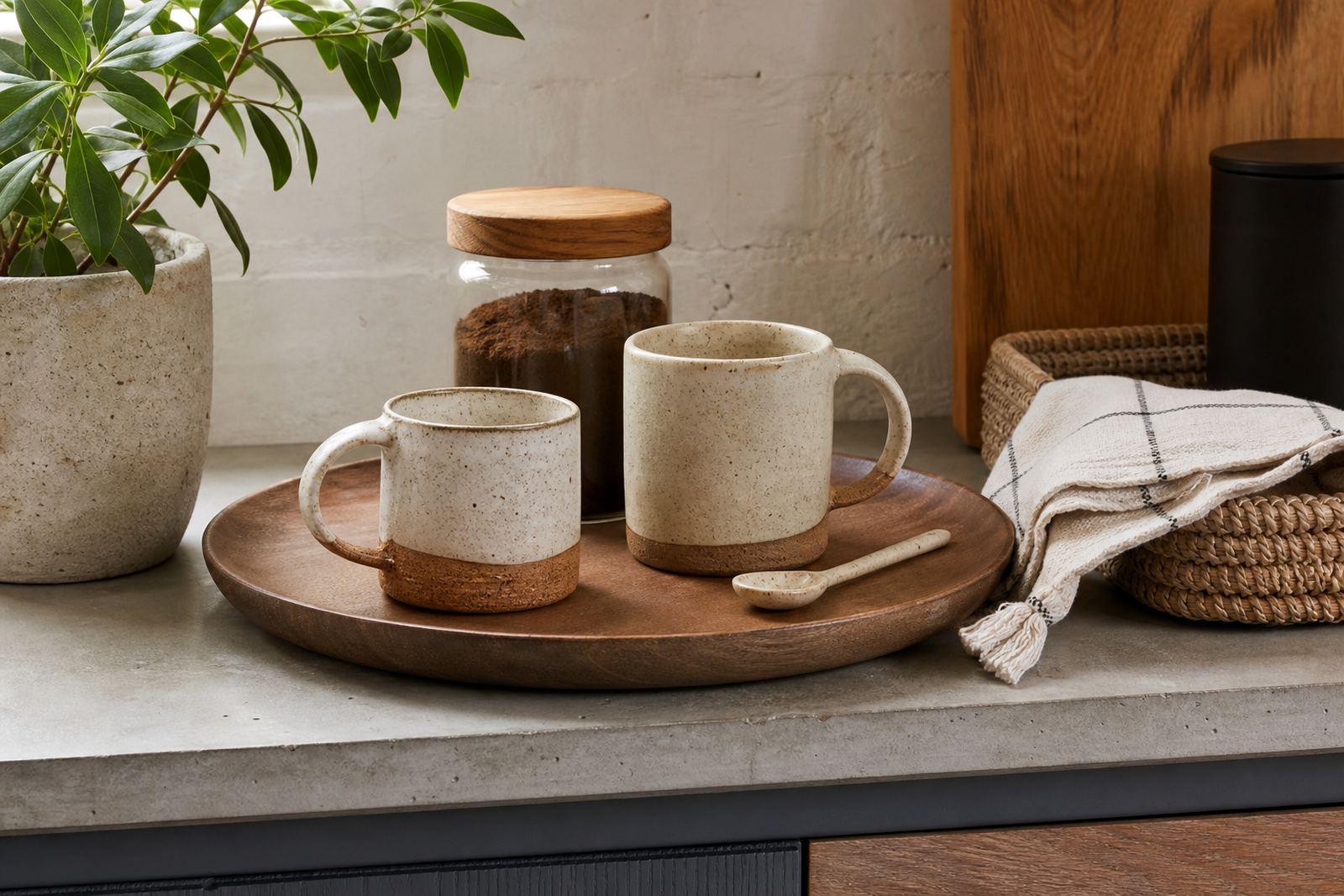
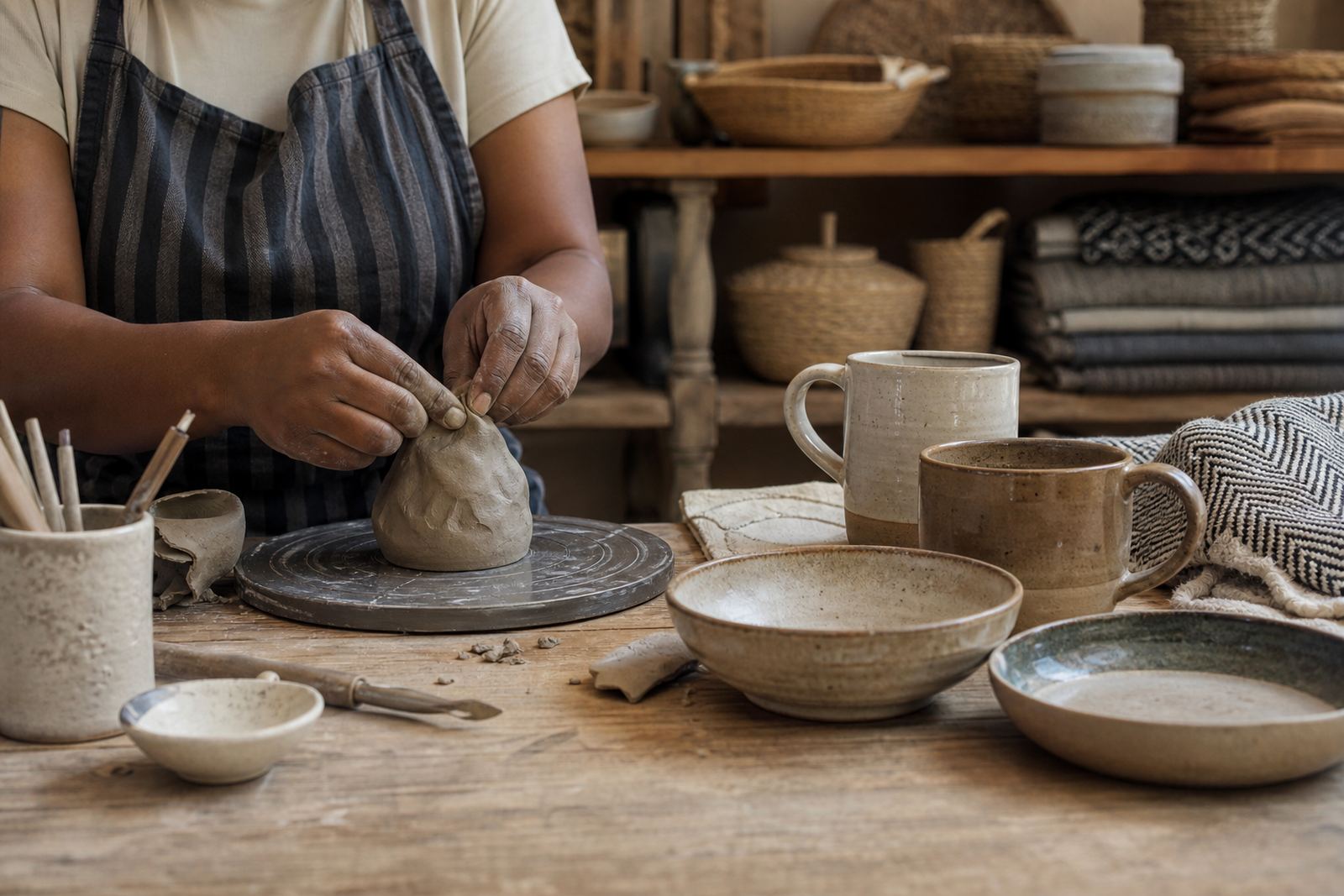
When a bowl, mug, tablecloth or wooden board is made by hand, the marks of the maker stay visible. That is part of the appeal. You are not only buying an object, you are bringing in the time, judgement and hand skill that shaped it. In a home, that often shows up as a cup that sits better in the hand, a platter with a softer profile, or a cushion cover that feels more considered than a mass-produced alternative.
Handmade homeware also carries more variation, and that is not a flaw. Slight differences in glaze, weave, grain or stitch are what make each piece distinct. In practical terms, this often means small batches, more attention to finish and materials chosen with daily use in mind. For many people in Cape Town, Johannesburg or Durban, that balance of use and character matters more than matching sets.
Why materials matter in daily use
Good handmade pieces usually begin with sensible material choices. Ceramics may be made from stoneware or earthenware clays, then glazed for food use and easier cleaning. Textiles may use cotton, linen or blended fibres that drape well and wear comfortably. Wood pieces are often finished with oils or food-safe waxes so the grain stays visible while the surface is protected.
- Ceramics: look for even glazing on food-contact areas, a comfortable weight and a base that sits flat.
- Textiles: check the weave, stitch line and seam finish, especially on napkins, runners and cushion covers.
- Wood: choose pieces with sealed surfaces, smooth edges and careful joinery, especially for boards and serving items.
- Decor items: inspect hanging points, feet, felt pads or other small details that help the piece work well in the home.
In coastal areas such as Woodstock, the Atlantic Seaboard and Durban, humidity can affect storage and finish, so breathable fabrics and well-sealed wood are sensible choices. In drier inland homes, ceramics and textile layers help soften a room without needing much maintenance.
The gift that feels chosen, not rushed
Handmade homeware works well for gifting because it feels personal without needing to be overly formal. A small ceramic vase, a linen tea towel set or a wooden serving board can suit birthdays, thank-you gifts, weddings and housewarmings. It also gives the giver room to choose something useful, rather than decorative for decoration’s sake.
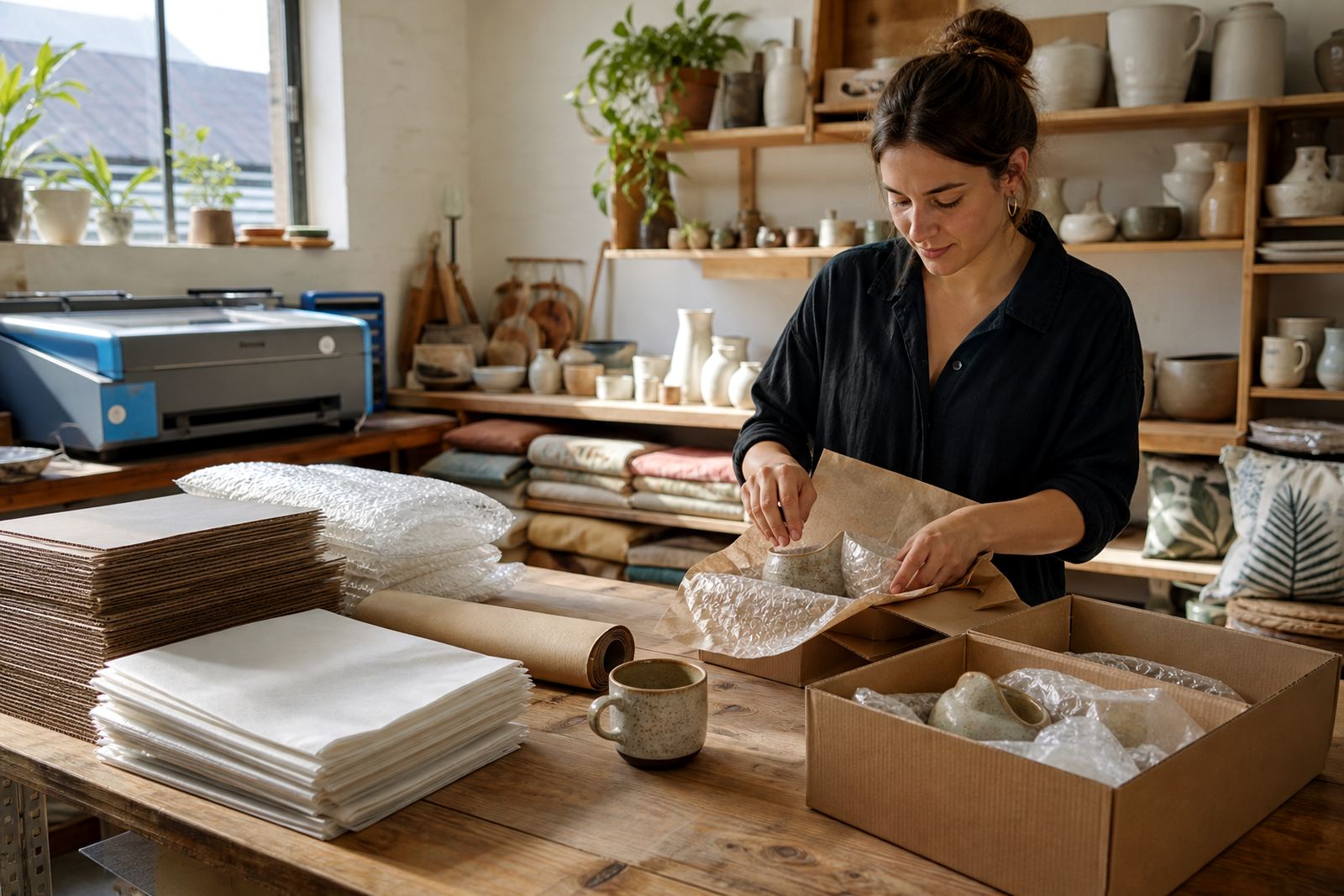
At LocalMaker, gifting often works best when pieces are paired with a purpose. A housewarming set might include a serving bowl, a tea towel and a small decor item in a shared colour palette. A wedding gift can be kept practical with items for the kitchen, dining table or entryway. For corporate gifting, handmade objects add a local touch that feels more thoughtful than standard promo items, and they travel well across South Africa when packed properly.
A quieter way to furnish a room
Considered interiors usually rely on fewer pieces, chosen with care. Handmade homeware helps with that because each item can carry visual weight without filling the room. A hand-thrown jug on a shelf, a woven runner on a dining table or a carved tray on a sideboard can anchor a space without making it feel busy.
For a practical approach, it helps to work in layers:
- Start with one useful statement piece, such as a large bowl or table runner.
- Add one or two supporting items in similar tones, not identical ones.
- Mix smooth surfaces with textured ones so the room feels lived in.
- Repeat materials carefully, for example ceramic with timber, or linen with woven fibre.
That kind of mix suits modern flats in the Southern Suburbs just as well as family homes in Stellenbosch. It also allows a room to change over time without needing a full refresh.
South African makers, local delivery and real value
Buying handmade homeware from South African makers supports skills that are tied to place. It helps keep local craft active while giving customers access to pieces that are not pulled from the same factory line as everything else. That matters in a city like Cape Town, where design culture is strong and customers often notice when a product feels generic.
LocalMaker works from Woodstock, with delivery across Cape Town, Johannesburg, Durban, Pretoria and Stellenbosch, including Southern Suburbs and Atlantic Seaboard deliveries. That reach matters for fragile goods such as ceramics and framed decor, and for textile items that need to arrive folded cleanly and in good order. For larger orders, delivery coordination and bulk packing are just as important as the product itself.
Caring for handmade pieces so they last
Handmade homeware usually lasts well when it is cared for in a steady, common-sense way. Most ceramic items are best washed by hand if they have decorative finishes or hand-applied glaze. Textiles last longer when washed according to the fibre type and dried out of harsh sun where possible. Wooden items benefit from occasional oiling and prompt drying after use.
- Do not soak wooden pieces for long periods.
- Store textiles fully dry to avoid musty smells, especially in humid coastal homes.
- Use gentle cleaners on ceramics and avoid sudden temperature changes.
- Keep decor items dusted and out of direct, strong sun when colour retention matters.
If a piece chips, loosens or marks over time, repair or replacement advice can help you decide whether it can be kept in use. That extends the life of the item and keeps waste down, which is one of the quiet benefits of choosing handmade in the first place.
A local example that feels at home
A family in Woodstock might choose a set of handmade mugs for the kitchen, a woven runner for the dining table and a carved wood board for weekend entertaining. The mugs feel good in the hand, the runner softens a hard surface and the board moves from prep to serving without looking out of place. Together, those pieces do a job, but they also say something about the home itself.
That is the real value of handmade homeware. It works in daily life, it holds up when used properly, and it gives a room a sense of intention that mass-produced items often miss. Whether the purchase is for your own home, a registry, a gift box or a corporate order, handmade pieces add character in a way that feels practical rather than precious.